Typically, folks go off-grid camping by gradually adding some gear. New stove perhaps, larger solar panel; The more gear you add, the less effective things will be, very few of your systems will relate to each other, and the less gear you have, the weight reduces and determines how many days you can stay out. But that’s not the goal.
1. A power budget that stays in credit
The key components of an off-the-grid power system are batteries, panels, a charge controller, and an inverter, and you can’t cheap out on your batteries. Their cycle life is directly related to their depth of discharge.
In the case of LiFePO4 batteries, that number is usually 2000-5000 cycles at 100% DoD (though I wouldn’t take them to 100% if you can avoid it), and also directly related to the number of times you can let them drain so far that you’re in bed thinking, “Damn, I should’ve charged those batteries.”
The smart move is to spend enough on a battery that you can very consistently keep them over 20%, but if you already own a battery bank, consider that you can run it for a long weekend and just hit the road. A properly wired lithium battery setup isn’t going to burn your van down or kill you in your sleep.
Panels are super easy – just buy good ones with at least a 25-year warranty. Spend a bit more for the slim panels with the monocrystalline cells. They’re more expensive and more fragile than the big glass-and-aluminum models, but they use space slightly more efficiently. If you’re flush with real income, grab flexible panels and epoxy them onto the roof for a super stealth look.
2. Water as a layered system
You could carry more water. A smarter solution is to have redundancy between different sources. You carry a fixed onboard tank of what you’ll need as your baseline – cooking, drinking, and possibly a conservative wash down. A portable gravity filter can serve as a second source and also allow you to draw from local streams or even open catchment in some locations.
This lets you carry less total weight than if you had to pack in every drop you’d use, and it also makes your overall solution much less prone to failure. Run the tank dry on day four. and you’re inconvenienced rather than without a solution.
Part and parcel of this is that grey water shouldn’t be an afterthought. You should at least have a small capture under the sink. Soap in fragile ecosystems can be very damaging if it’s not dispersed in soil or diluted in water, which means grey water will be a concern on longer stays or in more pristine areas.
Zonal organization of your camp layout – the kitchen area should be isolated and automatically be a grey water capture zone, rather than something you have to remember to do – will also help here.
3. The case for an integrated foundation
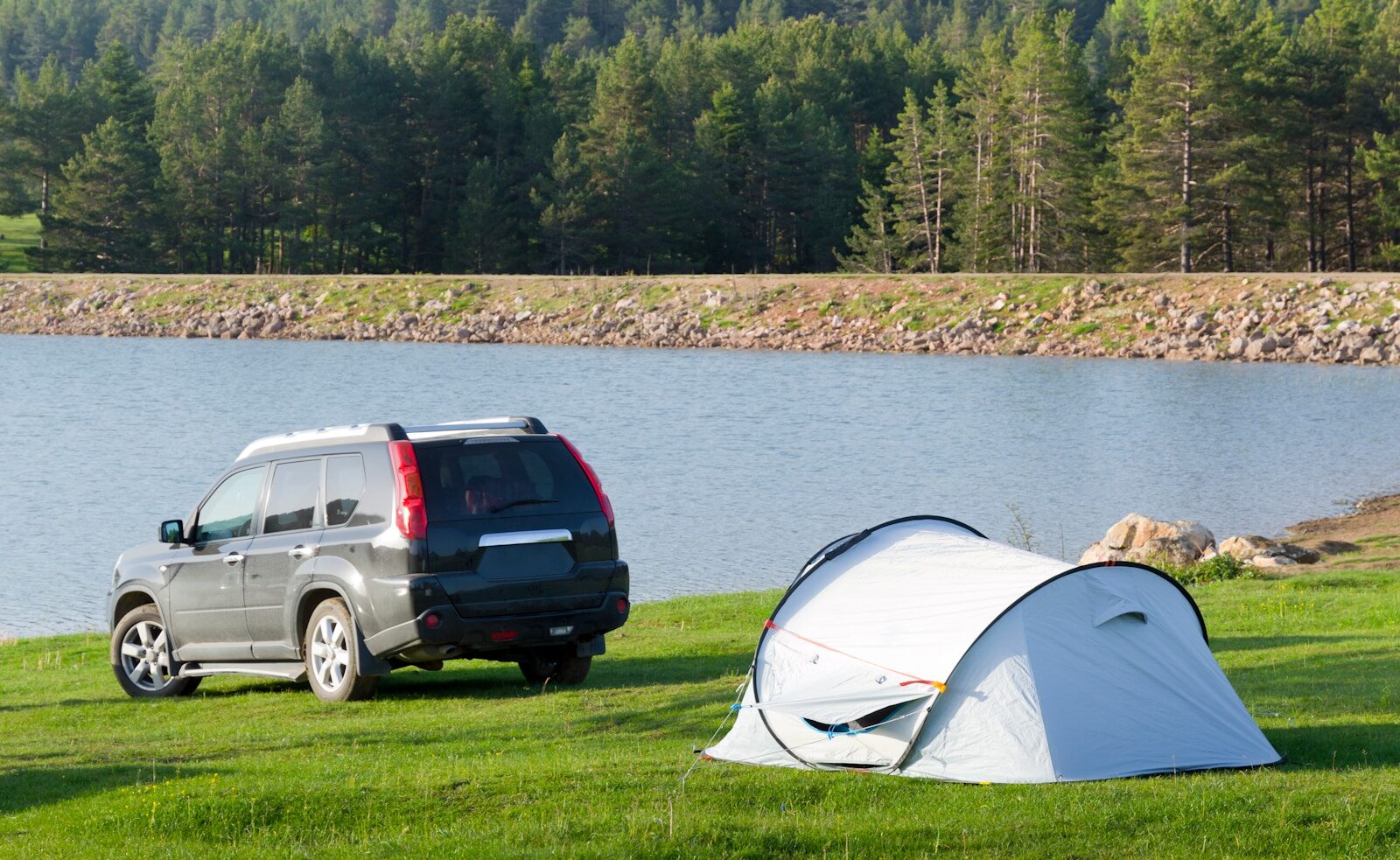
There is a limit to how much you can efficiently bolt onto a regular SUV. Yes, you can “min/max” every part. But all the same, this was not a battery-electric vehicle engineered from the ground up. These things run out of payload fast when you start bolting on those battery boxes and water tanks, and the whole rooftop platform, etc., run out of that payload and that load space. And you run the risk of constantly compromising on weight distribution.
That’s where a purpose-built camper trailer makes life so much easier. It’s a pre-engineered base where your power system, water storage, and sleeping system are all designed to work in harmony and designed to fit in the available space within the camper. The battery and water tanks can be located low and forward for better tow stability.
And of course, the wiring is already designed to handle the size of the loads running to and fro. You’re not just bolting on a system to a vehicle that was originally engineered with an entirely different purpose in mind.
Naturally, your ground clearance and tires also play a part in this. But it is not just about comfort. Those washboard roads transmit constant vibrations through the connectors and cables of your battery system, and they will, over time, vibrate terminals loose and constantly stress cables. So suspension that is matched to the terrain is also part of the setup’s story.
4. Sleeping setup and the value of reduced transition time
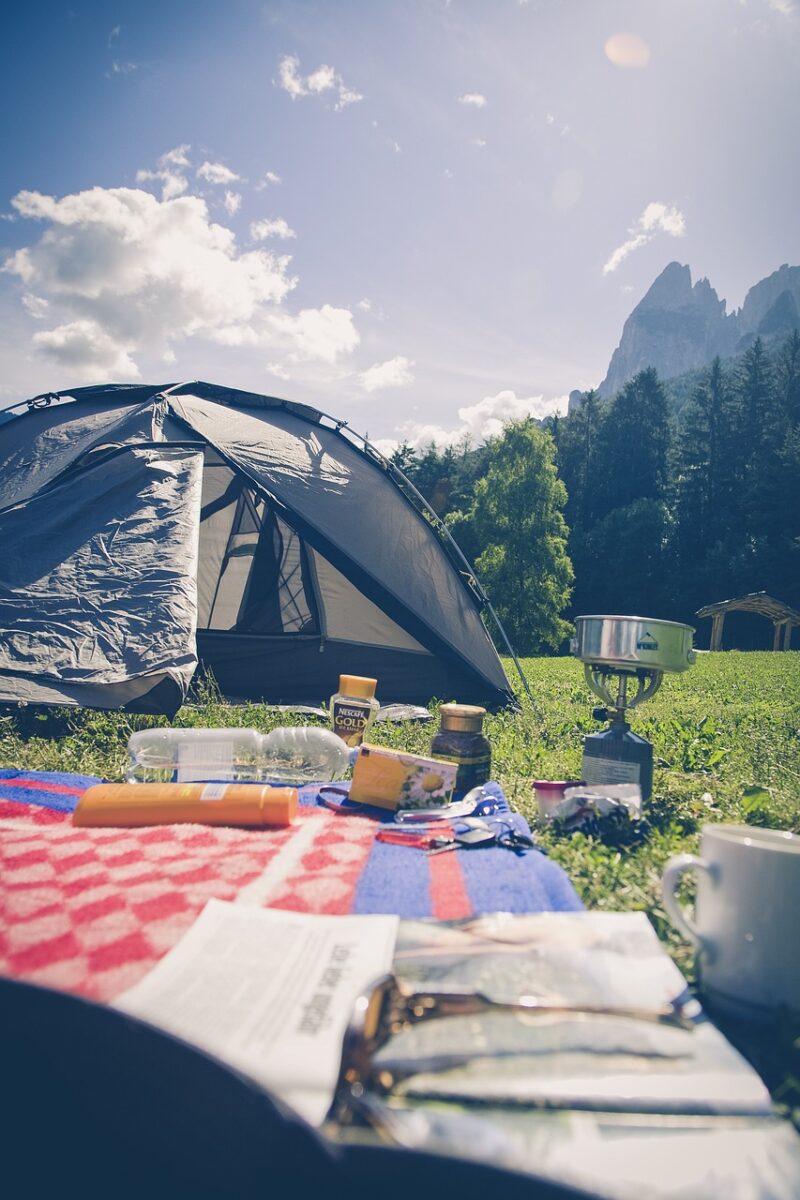
Switching from a ground tent to an elevated sleeping platform also makes “camp” time make more sense, lasting longer into your evening. If it only takes two minutes to set up your rooftop tent or fold-out platform, you can arrive somewhere later in the afternoon, set up in the dark if necessary, and still have slept comfortably in an elevated shelter. Then, you can leave your packed sleeping quarters standing and spend 30 seconds breaking down your preparedness box and head out.
5. Recovery gear and knowing where you can go
The ground clearance and off-road capability ultimately decide where you can and can’t go. The recovery gear decides whether the decision to go somewhere was a small hiccup in your day or a massive error in judgment that’s led to a nighttime epic. Traction boards, a rated recovery strap, and a high-lift are the minimum. If terrain features in your places and moves the risk needle upwards slightly, a winch gives you big options.
The “right” answer comes down to opportunity cost more than expense. If you’re building a kit to go “live” in the truck for three weeks and drive a relatively moderate trail, do you need that $3,000 dual-motor electric recovery winch? Probably not. What about those who only go into the desert, known for its ever-softening sand? You could probably leave the traction boards at home.
Also read: 8 Ways Used Pickup Trucks Continue to Drive Modern Lifestyles