Ever tried organizing something outside and thought, “How hard could it be?” Then the wind shows up. The sun gets aggressive. Half the team can’t find the place, and suddenly, it feels like a bad idea that somehow got approved.
Planning an open-air corporate event sounds fun at first. Fresh air, relaxed vibe, people not stuck in a stiff room. But then reality kicks in. There are too many moving parts, too many things that can go wrong. And not enough time to fix them once the day arrives.
Still, it can work. It can actually turn out great. But only if things are thought through… properly.
Start With the Why, Not the Venue
It’s tempting to jump straight into booking a nice outdoor space. A park, a rooftop, and maybe a beach if luck is on your side. But hold on, what’s the point of the event?
Ask yourself:
- Is it for team bonding?
- A product launch?
- A celebration after hitting a big target?
These sound similar, but they need totally different setups. A networking event can’t feel like a picnic. A casual team day shouldn’t feel like a conference in disguise.
So pause for a second. What should people walk away with? A good mood? New connections? Clear ideas?
Once that’s clear, everything else starts to make sense. The venue, the layout, even the timing. Skip this step, and things feel messy later. Like something’s off, but it’s hard to explain why.
The Logistics Mess
Here’s where things usually get stressful.
• Chairs.
• Tables.
• Tents.
• Sound systems.
• Lighting.
• Power supply.
• Restrooms.
The list just keeps growing, and somehow, there’s always something missing.
That’s where event rentals can make planning feel easier when things start getting overwhelming. It’s not just about getting stuff, it’s about getting the right stuff done by professionals.
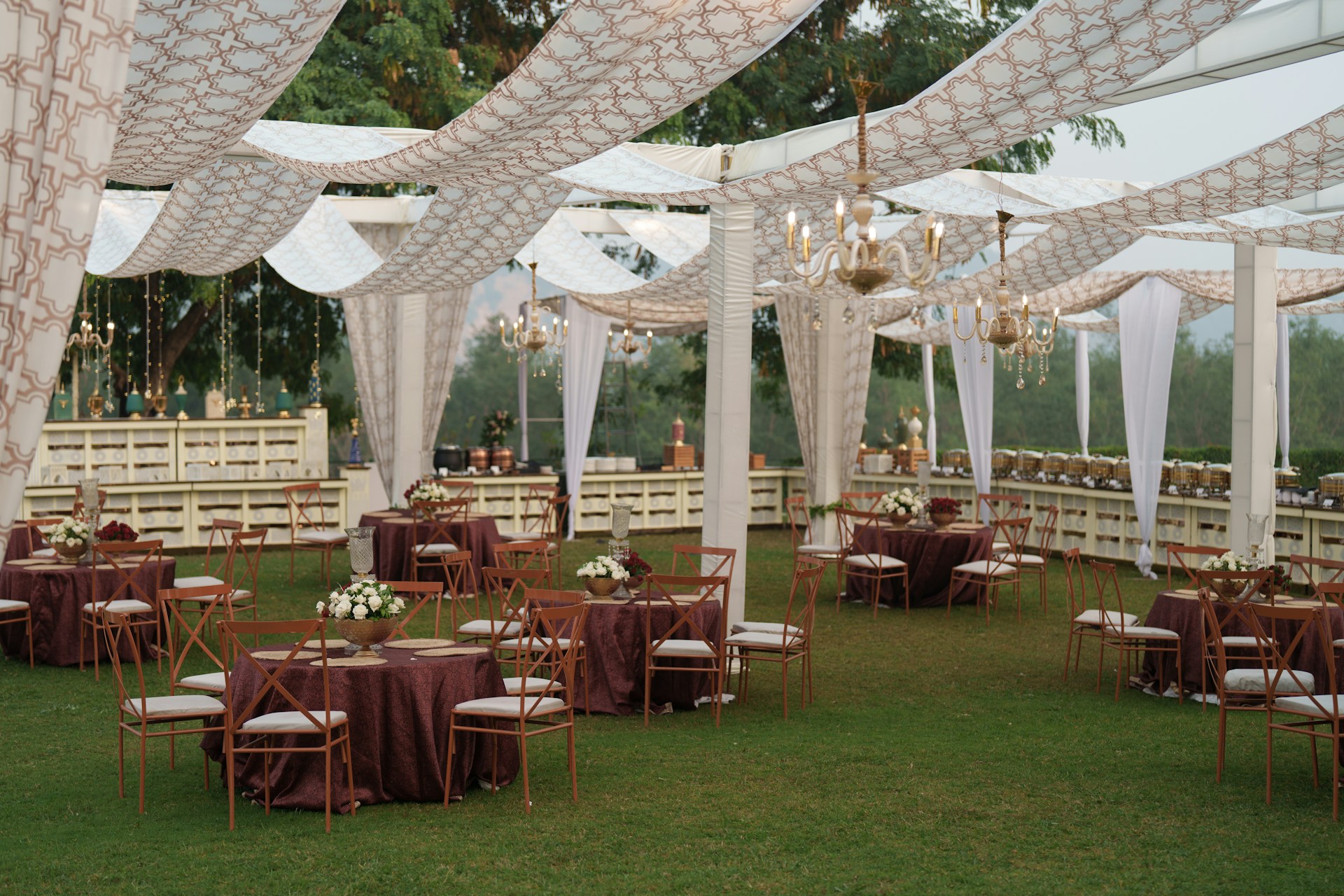
Enough seating so no one is awkwardly standing around. Shade so people don’t melt under the sun. Proper flooring is necessary if the ground is uneven, because no one wants to trip in front of coworkers.
And then there’s the setup. Who’s handling it? When does it arrive? What if it’s late? These details feel small when planning. But on the day? They’re everything.
Ever seen a corporate event where the mic doesn’t work? Or guests can’t hear anything? It gets uncomfortable fast. People start checking their phones. Conversations die.
So yeah, logistics aren’t exciting, but they decide whether the event feels smooth… or just frustrating.
Weather: The One Thing No One Can Control
This one keeps people up at night, and for good reason. Outdoor events depend on the weather more than anything else. And the weather doesn’t care about plans.
Sunny forecast? Could turn cloudy. Light breeze? Might become strong winds. And rain… well, rain shows up when it feels like it.
So what’s plan B? Maybe a tent setup, a nearby indoor backup, or even a different date if things look risky. Ignoring this part is tempting because thinking about worst-case scenarios feels negative.
But skipping it? That’s worse. Because when things go wrong, and there’s no backup, people notice. The stress is evident, and the mood is gloomy.
Sometimes, it is better to be a little paranoid early… than regret it later.
Food and Drinks: More Important Than Anyone Admits
No one says it out loud, but food can make or break the entire event. Think about it. People might forget the speeches, they might not remember the decorations, but they will remember bad food.
Or worse… not enough food.
Outdoor settings make this trickier. Heat can spoil things, and the wind can mess with setups. Timing becomes important. Food sitting out too long? Not a great idea.
So what works?
Simple, easy-to-handle options. Things people can grab without struggle, and drinks that stay cold. Enough variety so no one feels left out. And timing matters too. Serving too early means things go cold. Too late? People get restless.
Ever seen a crowd waiting too long for food? It gets quiet. Then annoyed. Then someone says, “Let’s just leave.” That’s the moment no one wants to put up with.
Keep It Organized, Without Oversdoing it.
There’s always a balance to find here. Too much structure, and the event feels like work. Too little, and it turns into chaos.
So what’s the middle ground?
- A loose plan.
- A flow that makes sense.
Maybe a welcome talk, then activities, then food, then some free time. People like knowing what’s happening, but they don’t want to feel forced into it. Also, someone needs to be in charge. Not in a bossy way – just someone keeping things moving, making sure the schedule doesn’t fall apart.
Because without that? Things drag. Energy drops. People start drifting away. And suddenly, the event feels longer than it should.
Little Details That Quietly Matter
This is the part people underestimate—signage, for example. Sounds boring, but if guests can’t find the entrance or don’t know where to go, frustration starts early.
Seating arrangements. Too cramped? Uncomfortable. Too spread out? Feels disconnected.
Lighting, if the event goes into the evening. Too dim, and it feels dull. Too harsh, and it kills the vibe. Even things like trash bins. If there aren’t enough, things get messy fast. No one likes that.
And then there’s sound. Background music that’s too loud? People can’t talk. Too quiet? Feels awkward. It’s all small stuff, but together, it shapes the experience.
Ever walked into a business event and instantly felt like something was off? That’s usually these details.
When It All Comes Together
Here’s the strange thing. Even with all this planning, something will still go wrong.
It always does.
Maybe a delay. Maybe a tech issue. Maybe someone important shows up late.
And that’s okay. Because if the foundation is solid, small problems don’t ruin everything. People still enjoy themselves, conversations still happen, and the mood stays good.
That’s what matters.
At the end of the day, an open-air corporate event isn’t about perfection; it’s about creating a space where people feel comfortable, where things flow naturally, and where no one is checking the time every five minutes.
Sounds simple. But it takes effort to get there.
Still worth it though. Every single time.