Key Takeaways
- Water-smart irrigation practices can cut outdoor water use in half without sacrificing a green, vibrant lawn.
- Deep, less frequent watering is better for your lawn’s root system than short, daily sessions.
- Smart controllers and moisture sensors improve efficiency by delivering water only when your lawn actually needs it.
Maintaining a beautiful lawn is a rewarding achievement, but it should not come at the cost of wasting water. With ongoing droughts and increasing water restrictions, homeowners are turning to water-smart strategies to preserve both the lush appearance of their grass and natural resources.
By adopting practices such as smart irrigation, improving soil health, and fine-tuning your watering schedules, you can reduce waste and protect your landscape. If you live in the North Texas area and need professional help, companies specializing in sprinkler repair Colleyville can ensure your system runs efficiently and is free of costly leaks.
Implementing a few simple changes can dramatically reduce your water usage while still keeping your lawn healthy and inviting. From leveraging advanced technology to choosing the right type of grass, modern homeowners have more options than ever for sustainable landscaping. Each step you take helps not only your property but also the broader environment by easing demands on municipal water systems and reducing runoff.
Understanding Your Lawn’s Water Needs
Not all lawns are created equal when it comes to water. The variety of grass in your yard will largely determine how often and how much you need to water. Cool-season grasses, such as Kentucky bluegrass or fescue, often require slightly more water than warm-season varieties, such as Bermuda or Zoysia.
Generally, cool-season grasses need around 1 to 1.5 inches of water per week, while warm-season grasses thrive on half to one inch in the same period. Understanding your lawn type is the first step in setting an efficient watering routine that avoids both drought stress and the pitfalls of overwatering, like disease and shallow roots.
Optimal Watering Schedules
Effective irrigation hinges on proper timing. Experts strongly recommend watering in the early morning, from about 4 a.m. to 9 a.m. During this window, temperatures are lower, and winds are generally calmer, resulting in less water loss to evaporation.
More importantly, morning watering allows grass blades to dry by midday, limiting the risk of fungal and disease organisms that thrive in moist overnight conditions.
Watering deeply but less frequently, just two to three times per week, encourages roots to penetrate deeper into the soil, making your lawn more resilient during periods of drought. In periods of extreme heat, this approach may need adjusting, but deep soakings are always preferable to brief daily watering sessions.
Smart Irrigation Systems
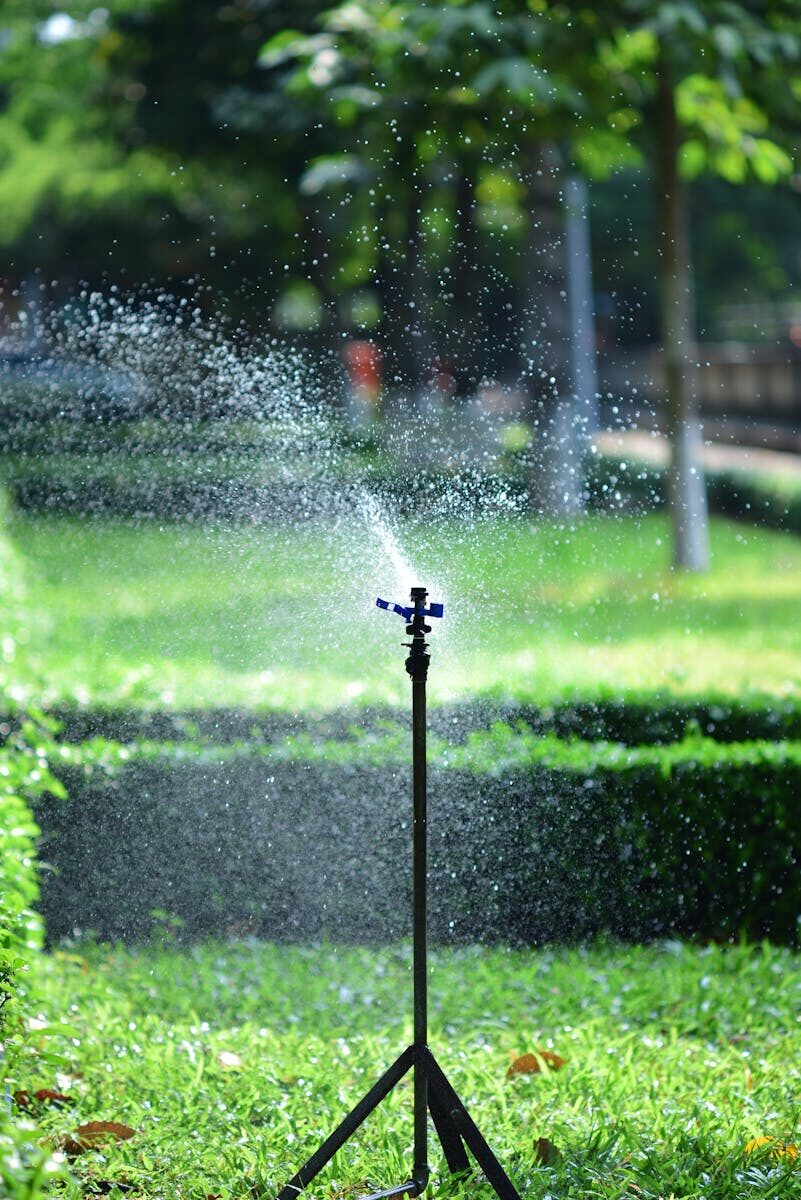
Modern irrigation technologies are revolutionizing water conservation in home landscapes. Smart irrigation controllers automatically adjust watering times and amounts based on forecast data and real-time soil moisture readings.
This means your system can skip watering if rain is predicted or slow down during cloudy, cool weather. Upgrading to an EPA WaterSense-labeled controller can help households save up to 15,000 gallons of water per year by customizing irrigation to their lawn’s needs. Smart systems are increasingly affordable and can be paired with weather sensors to maximize savings.
Soil Health and Mulching
The state of your soil heavily impacts how much irrigation is needed. Compacted or poor soil will repel water and promote runoff, wasting your efforts, while healthy, organic soil retains precious moisture. Aerating your lawn once a year can loosen compacted soil, allowing water to penetrate and roots to grow deeper.
Top-dressing with compost or aged manure adds organic matter, promoting water retention and creating a more robust lawn ecosystem. Mulching around landscaped beds and garden sections further controls evaporation and hinders weed growth, resulting in even less competition for water.
Mowing Practices
The way you mow has a surprising impact on your lawn’s water requirements. Leaving your grass slightly longer—raising your mower blade by half an inch to an inch—is not just a cosmetic choice. Taller grass shades the soil surface, reducing evaporation and keeping the root zone cooler during hot weather.
This practice allows roots to grow deeper, resulting in a more resilient turf that requires less water. Never cut more than one-third of the grass blade at any one time to avoid stressing the lawn.
Rainwater Harvesting
As water costs rise, capturing free rainwater to supplement your irrigation becomes a particularly attractive and eco-friendly option. By installing rain barrels to collect runoff from your gutters, you can store and use water during drier periods, reducing demand on the municipal water supply.
This simple step is ideal for watering lawns or gardens during brief irrigation bans or especially hot stretches, and it also helps control local stormwater runoff.
Choosing Drought-Tolerant Grasses
If you are establishing a new lawn or planning an overhaul, selecting grass adapted to your region’s climate will significantly cut water needs. Varieties like Bermuda, buffalo grass, and tall fescue are excellent choices for areas that experience periodic drought.
These species require far less supplemental irrigation once established than thirsty conventional lawns and also outcompete weeds in dry conditions.
Regular Maintenance and Monitoring
Routine checks of your irrigation system can catch problems early and prevent major water waste. Look for signs of leaks, clogged emitters, and improperly aligned sprinkler heads. Additionally, keep an eye on your lawn for symptoms of over- or underwatering, such as yellowing, dry patches, or persistent puddles.
Adjust your technique and schedule at the first signs of trouble, especially after seasonal changes or significant weather events. These regular steps protect both your landscape investment and the local watershed, letting you enjoy a healthy, sustainable lawn year-round.
Conclusion
Creating a healthy, water-efficient lawn starts with understanding its unique needs and making informed, consistent choices. By tailoring your watering schedule to your grass type, using smart irrigation technologies, improving soil health, and adopting mindful mowing practices, you can significantly reduce water waste while promoting deeper root growth.
Incorporating sustainable strategies, such as rainwater harvesting and drought-tolerant grass selection, further strengthens your lawn’s resilience. With regular monitoring and proper maintenance, these practices work together to keep your lawn vibrant, environmentally responsible, and well-prepared for changing weather conditions year-round.
Also read: Home Improvement Decisions That Support Long-Term Property Protection