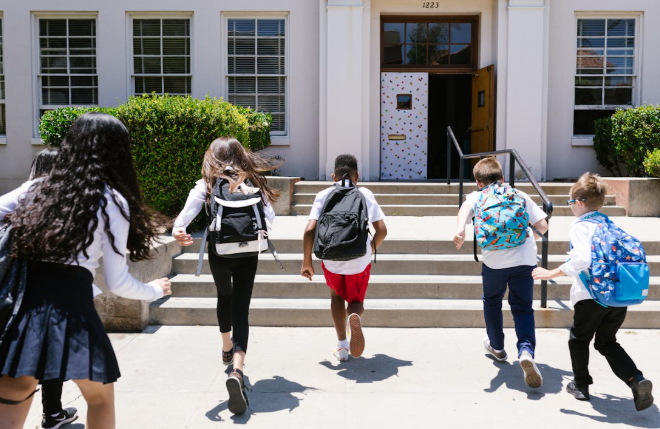
Learning becomes difficult when it feels forced.
Most people remember at least one teacher who made lessons exciting and another who somehow made even interesting subjects feel exhausting. The difference usually was not intelligence. It was engagement.
People learn better when curiosity is involved.
That matters for children in school, teenagers preparing for exams, and even adults trying to build new skills later in life. Enjoyment creates attention, and attention improves learning naturally.
The good news is that making education more engaging does not always require expensive technology or complicated systems. Small changes often make the biggest difference.
1. Connect Lessons to Real Life
Students lose interest quickly when information feels disconnected from reality.
Math becomes more interesting when linked to budgeting, sports statistics, or travel planning. Science feels more exciting when students see how it affects everyday technology, food, weather, or health.
Real-world examples create purpose.
This is one reason many modern schools focus heavily on practical learning experiences instead of memorisation alone. Educational environments that combine academics with creativity, extracurricular activities, and personal development often keep students far more engaged long term.
Schools in areas like Edgbaston are increasingly recognised for creating balanced learning environments that encourage curiosity alongside academic achievement. Parents researching educational options can explore more about independent schools Edgbaston families often consider for a well-rounded approach to learning.
When students understand why something matters, motivation improves naturally.
2. Encourage Interactive Learning
Nobody enjoys sitting silently for hours listening to information constantly.
Discussion, collaboration, and participation make learning fun and more memorable.
Interactive learning can include:
- Group projects
- Debates
- Educational games
- Presentations
- Hands-on experiments
- Problem-solving activities
These approaches keep students mentally involved instead of becoming passive listeners.
Even simple classroom conversations can improve attention dramatically when students feel their ideas matter.
3. Use Technology Carefully
Technology can either improve learning or completely distract from it.
The balance matters.
Educational videos, quizzes, learning apps, and digital tools often help students understand difficult concepts more clearly. Visual learners especially benefit from interactive content instead of text-heavy instruction alone.
But endless screen exposure without structure usually reduces focus instead of improving it.
The best educational environments use technology as a support tool rather than replacing human interaction entirely.
Students still learn best through encouragement, discussion, and personal connection.
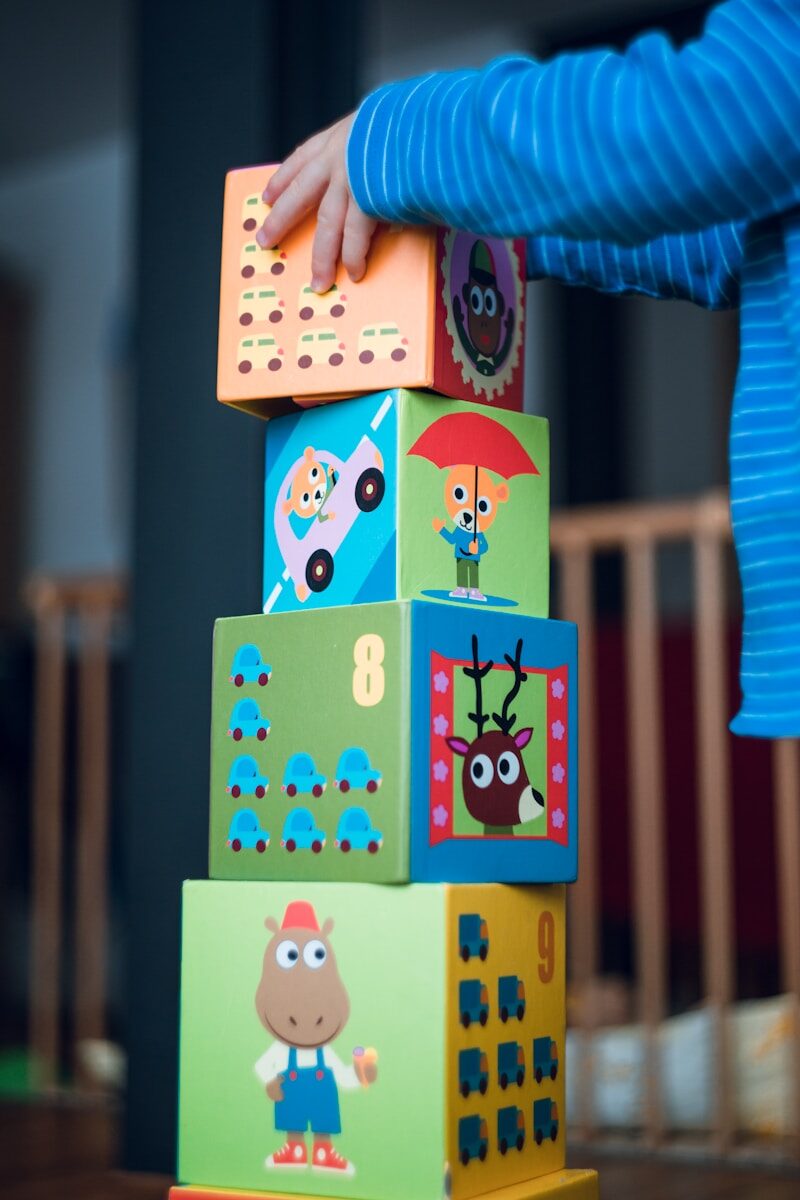
4. Allow Creativity in Learning
Not every student learns the same way.
Some absorb information through reading. Others remember things visually, socially, or through practical activity. Creativity gives students more ways to connect with subjects naturally.
That can mean:
- Art projects
- Storytelling
- Building models
- Music-based learning
- Creative writing
- Role-playing exercises
Creative learning removes some of the pressure that makes education feel intimidating for many students.
It also helps students develop confidence beyond test scores alone.
5. Celebrate Progress, Not Just Results
One reason students lose motivation is constant fear of failure.
When learning becomes entirely focused on grades or performance, curiosity disappears. Students begin avoiding challenges instead of exploring them.
Celebrating progress changes that mindset.
Recognising improvement, effort, consistency, and participation helps students feel encouraged rather than judged constantly. Small wins build confidence over time.
That emotional support often matters just as much as academic instruction itself.
Learning Should Feel Meaningful
The best learning environments rarely rely on pressure alone.
They create curiosity. Confidence. Participation. A sense that education connects to real life rather than existing only for exams.
And honestly, people usually remember how learning made them feel long after they forget individual lessons. When education becomes engaging, supportive, and enjoyable, students are far more likely to stay curious long after leaving the classroom.
Also read: Nurturing Young Minds: A Parent’s Guide to Supporting Children’s Learning and Development