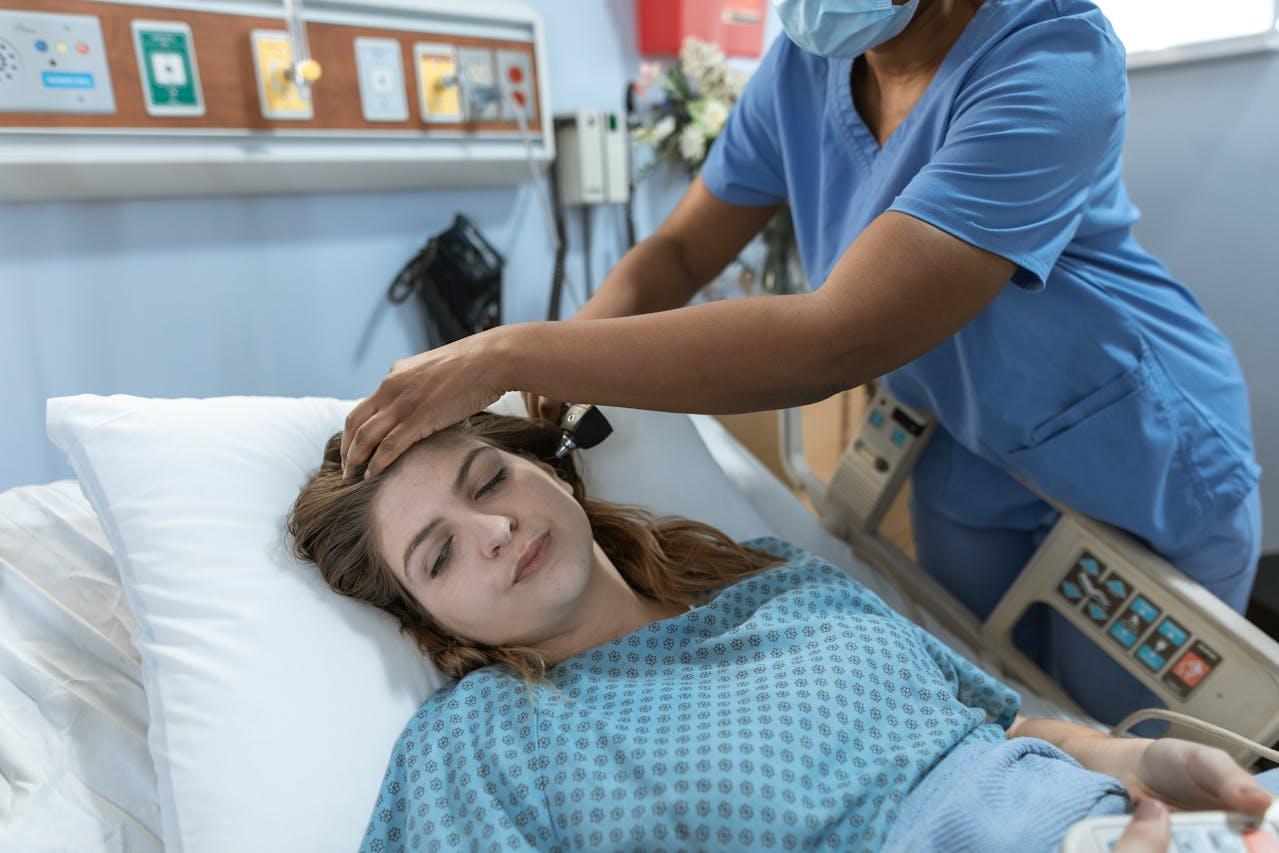
A calm voice in a crowded hallway can change the mood of an entire hospital floor. That detail is often remembered longer than technical accuracy alone. Modern nursing has been shaped by shifting patient expectations, expanding healthcare systems, and fast-moving clinical standards, although the human side of care still carries enormous weight.
A nurse may be surrounded by monitors, digital records, and pressure-filled schedules, though patients usually notice patience first. Hiring decisions are no longer based only on certifications or years spent in scrubs. Personality, adaptability, and communication are being examined closely, because healthcare settings have become deeply people-centered. In many workplaces, a detail-focused, quick-to-adjust attitude is valued almost as much as medical training itself.
The Resume Is Only the Beginning
A nursing resume may open the door, though it rarely secures the position alone. Employers often study how applicants speak during interviews, how confidently concerns are addressed, and whether compassion feels natural rather than rehearsed. Technical knowledge is expected, because patient safety depends on it, though emotional intelligence is being weighed more heavily than before.
In many healthcare facilities, additional education is being encouraged, particularly when leadership responsibilities are anticipated. Hiring managers often pay close attention to nurses pursuing an accredited online RN to BSN program, because it reflects dedication to stronger clinical judgment and broader patient-care knowledge.
Continued learning signals that professional growth has been taken seriously, even while demanding work schedules have been managed. Would a hospital prefer someone who stopped learning years ago, or someone actively improving clinical understanding? The answer tends to be obvious.
Adaptability is also examined carefully. Procedures are updated, patient needs shift suddenly, and staffing conditions can change within minutes. A nurse who remains composed while priorities are rearranged is often remembered positively. For example, a pediatric nurse may be asked to assist temporarily in another department during a staffing shortage. Calm cooperation, rather than resistance, would likely leave a strong impression.
Healthcare employers are also paying attention to attitude during collaboration. Nurses work alongside physicians, therapists, technicians, and families, so friction can spread quickly when communication breaks down. Respectful interaction has become a major hiring consideration, because smooth teamwork supports patient outcomes.
People Skills Matter More Than Many Expect
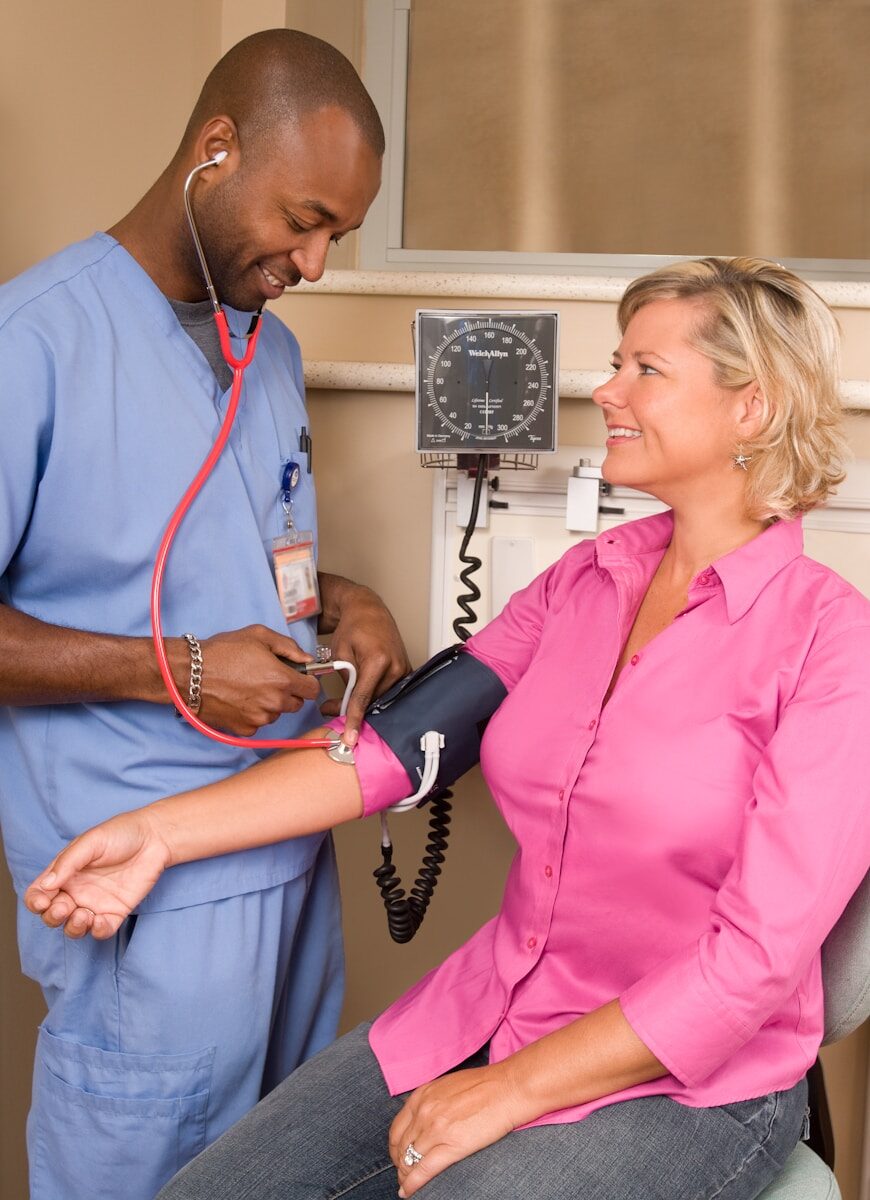
Clinical skills can be taught and refreshed, though genuine people skills are harder to develop. Employers understand this clearly. Patients arrive frightened, exhausted, confused, or frustrated, and those emotions are often directed toward nurses first. Because of that reality, communication style is watched closely during hiring.
A nurse who listens carefully is usually valued highly. In many situations, patients are not searching for long explanations. They want to feel heard. Small moments matter, whether a concern is repeated back gently or a procedure is explained without rushing. That kind of interaction builds trust quickly.
Employers are also drawn toward nurses who remain professional during tense moments. Emergency departments, rehabilitation centers, and long-term care facilities can become emotionally charged environments. Harsh reactions may escalate conflict, while measured responses often calm situations before problems grow larger. Have you ever noticed how one steady person can influence an entire room? Healthcare employers notice that too.
Strong communication also extends beyond patients. Documentation must be clear, because incomplete records can create serious complications. Instructions between shifts should be accurate and concise, especially when medication schedules or treatment updates are involved. Precision is appreciated, though warmth should not disappear from the process.
A balance is expected now. Nurses are being asked to combine clinical sharpness with approachable behavior. Employers understand that modern healthcare feels impersonal at times, so nurses who create genuine connection often stand apart.
What Hiring Managers Quietly Notice
Many nursing applicants focus heavily on credentials, though smaller professional habits are often remembered longer. Employers tend to notice consistency in behavior, particularly during stressful interactions.
Some qualities are repeatedly valued during recruitment:
- Dependability during difficult shifts
- Clear communication with patients and staff
- Respect for workplace procedures
- Willingness to accept feedback professionally
- Attention to detail during documentation
- Calm decision-making under pressure
- Interest in continued education
These qualities may appear simple, though they influence patient care daily. A technically skilled nurse who struggles with punctuality or teamwork may create difficulties across an entire department.
Employers also appreciate initiative. Nurses who identify problems early, instead of waiting passively, are frequently viewed as dependable contributors. For example, if supply shortages are noticed before a busy shift begins, proactive communication could prevent delays later. Small actions like that shape workplace trust.
Professional maturity is another major factor. Healthcare environments are emotionally demanding, and conflict cannot always be avoided. Nurses who respond thoughtfully, rather than emotionally, are often seen as stabilizing influences. That reputation carries weight during promotions and internal recommendations.
Flexibility Has Become A Career Advantage
Healthcare no longer operates within predictable routines alone. Patient numbers rise suddenly, policies are revised quickly, and technology continues to reshape daily responsibilities. Because of those changes, flexibility has become one of the most attractive qualities in nursing professionals.
Employers appreciate nurses who adjust without constant resistance. That does not mean every change should be accepted blindly, though adaptability is strongly preferred over rigidity. New systems must be learned, unfamiliar cases may appear, and schedules are occasionally rearranged with little warning.
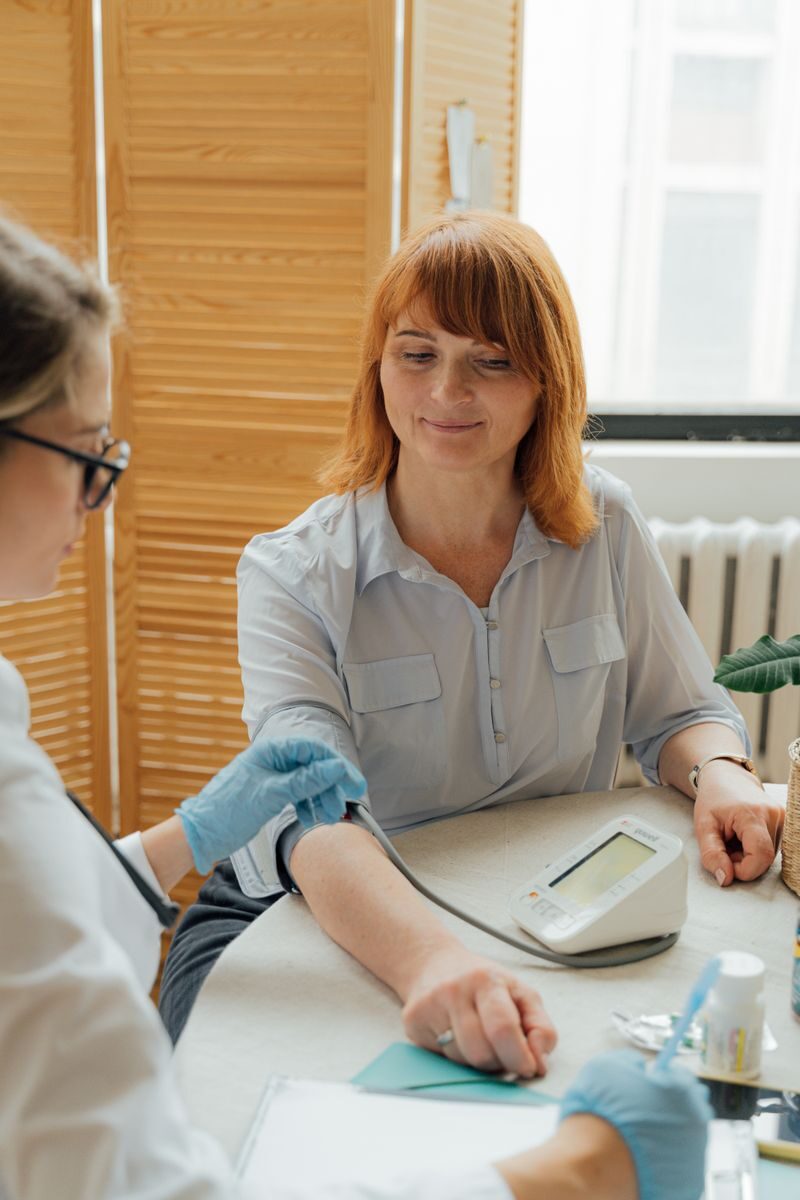
Technology has also changed expectations. Electronic health records, virtual consultations, and digital monitoring systems are now woven into many healthcare settings. Nurses are expected to learn these tools efficiently, because delays can affect patient care directly. A willingness to improve technical understanding can prepare you for a people-focused career, especially in hospitals where patient interaction and digital coordination happen side by side.
The Future Of Nursing Looks Deeply Human
Modern nursing continues to evolve, though the profession still revolves around human connection at its core. Healthcare employers are searching for individuals who can combine knowledge with empathy, professionalism with flexibility, and confidence with patience. Degrees and certifications matter greatly, though they are no longer viewed as complete indicators of value.
Today’s strongest nursing professionals are often recognized through their daily behavior. Calm communication, reliable teamwork, thoughtful problem-solving, and emotional steadiness leave lasting impressions within healthcare environments. These qualities support patients during vulnerable moments, while also strengthening workplace culture behind the scenes.
The future of nursing will likely involve more technology, broader responsibilities, and faster-changing expectations. Even so, employers continue searching for something remarkably familiar: people who care well for other people. That standard has not disappeared, and it probably never will.