
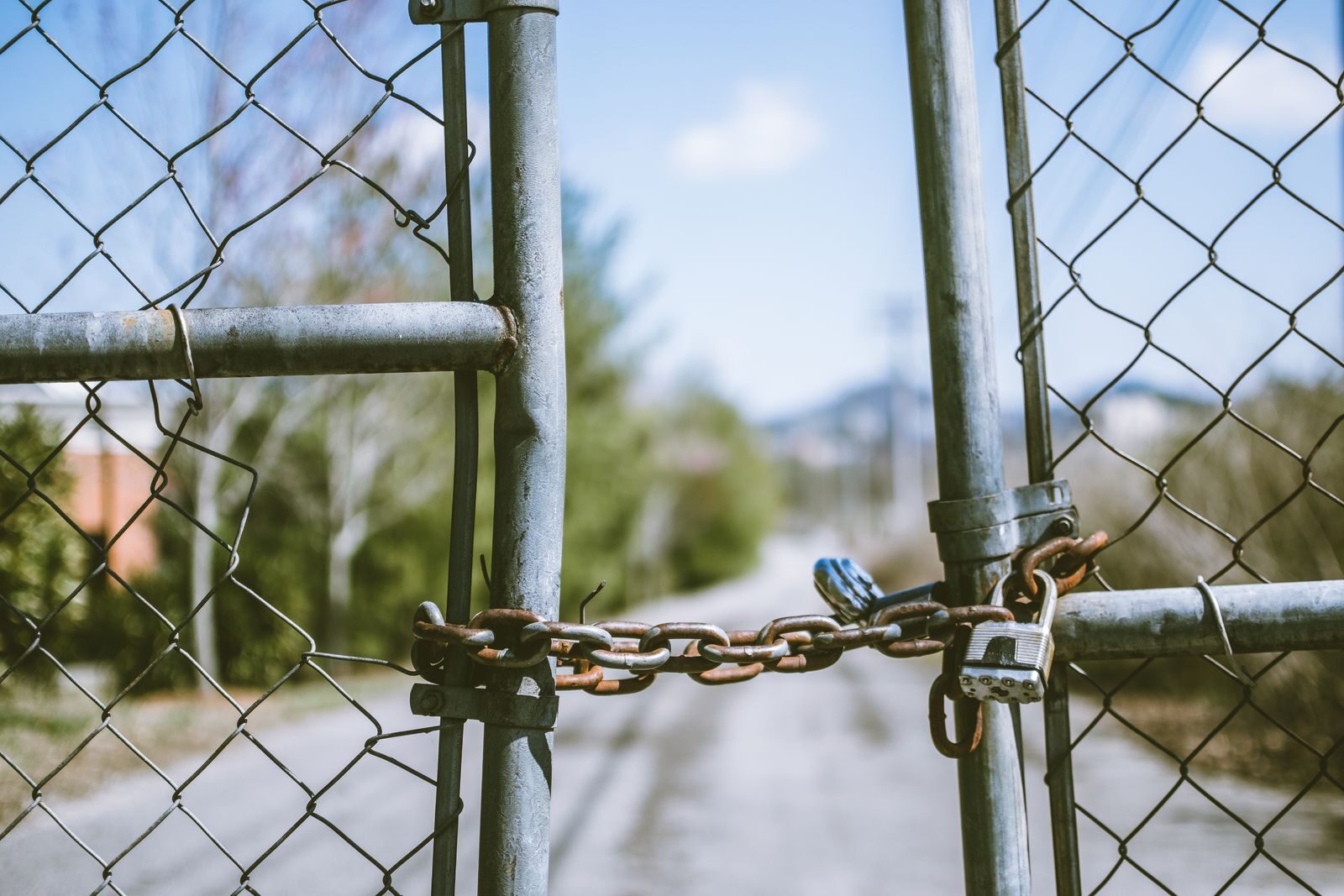
Walking out through prison gates feels like an ending, the kind of moment that closes a chapter entirely. Family waiting outside, a sense of relief settling in, the sentence finally behind someone after however long it actually took to serve.
For plenty of people, though, that walk out doesn’t actually mark the end of the sentence itself, it marks a transition into a different phase of it, one that comes with its own set of ongoing rules and expectations.
That transition matters enormously for understanding how a parole violation can genuinely reopen a chapter someone reasonably assumed was already closed for good once they walked out.
Freedom Can Come With Conditions
Parole allows someone to serve part of their sentence within the community rather than behind bars, but that freedom typically comes attached to specific conditions, requirements someone has to continue meeting throughout the remainder of the supervised period. A parole violation in Kentucky can have serious consequences and happens exactly when those conditions don’t get met.
These conditions often include regular check-ins with a supervising officer, restrictions on travel, prohibitions against certain conduct, and sometimes requirements around employment, treatment programs, or other ongoing obligations specific to someone’s particular situation and case.
Understanding parole as conditional freedom, rather than a clean, unrestricted return to normal life, helps clarify why the transition out of prison doesn’t automatically mean every requirement and restriction simply disappears the moment someone actually walks free.
Not Every Violation Looks Like a New Crime
It’s a common misconception that a parole violation requires committing an entirely new crime. In reality, plenty of violations involve conduct that wouldn’t be illegal for anyone else, but that breaches the specific conditions attached to that particular parole.
Missing a scheduled appointment with a supervising officer can constitute a violation, along with engaging in conduct the conditions specifically prohibit, even if that conduct wouldn’t otherwise be criminal for someone not currently on parole at all.
Failed drug or alcohol tests can trigger violations too, along with unauthorized travel outside an approved area. Recognizing this broader category helps clarify why violations happen more often, and more easily, than most people initially assume.
What Happens After an Alleged Violation
Once authorities believe a violation has occurred, a specific process typically follows, generally starting with some form of notification and an opportunity for the person on parole to respond to whatever conduct is actually being alleged.
A hearing often follows, giving both sides a chance to present their perspective before any decision gets made. This process reflects genuine due process considerations, rather than an automatic, immediate return to custody the moment an allegation surfaces.
Understanding that this process exists, rather than assuming an accusation alone guarantees an immediate consequence, matters considerably for anyone navigating an alleged violation and trying to understand what actually happens next in that specific situation.

The Prison Door Can Reopen
Depending on the nature and severity of a violation, consequences can range considerably. Minor violations might result in modified conditions or additional restrictions, while more serious violations can potentially lead to revocation and a return to custody.
Individual circumstances shape this outcome considerably, including the specific violation, someone’s overall compliance history, and other case-specific factors that a supervising authority weighs when actually determining an appropriate response to what occurred.
That range of possible outcomes means no single, universal consequence applies automatically to every violation, reflecting a genuinely individualized evaluation rather than one fixed penalty attached uniformly to any and every rule breach.
Conclusion
Parole represents conditional freedom, not the complete disappearance of an original sentence, which is exactly why walking out of prison doesn’t automatically mean every remaining obligation and restriction has simply vanished along with that walk.
Understanding how conditions work, how easily violations can occur without involving any new crime, and what process typically follows an alleged violation helps set a genuinely realistic picture of what parole actually involves.
Recognizing that the prison door can genuinely reopen under the right circumstances helps clarify why taking parole conditions seriously matters considerably more than treating that walk out as an unconditional, finished ending to the sentence itself.
Also read: How to Encourage and Help A Loved One in Prison (7 tips)






Be First to Comment