- The Garage Door: A Critical Entry Point That Must Work Properly
- The HVAC System: Keeping Indoor Comfort Stable
- Electrical Systems: Ensuring Safe Power Flow
- Windows and Doors: Improving Insulation and Security
- Kitchen Appliances: Maintaining Daily Functionality
- Bathroom Fixtures: Avoiding Moisture Problems
- Flooring: Preserving Appearance and Safety
A home runs well when the basics stay in check via home care. Water flows right, doors don’t jam, air stays steady. That’s what keeps your day moving without small annoyances piling up.
The thing is, most problems don’t start big. A pipe drips quietly. A door starts dragging. The AC struggles a bit more each week. You adjust, ignore it, and move on. Until something stops working when you need it most. Then it’s urgent, expensive, and inconvenient.
Keeping a house in good shape isn’t complicated, but it does need attention in the right places. Focus on key areas, handle issues early, and daily life stays simple.
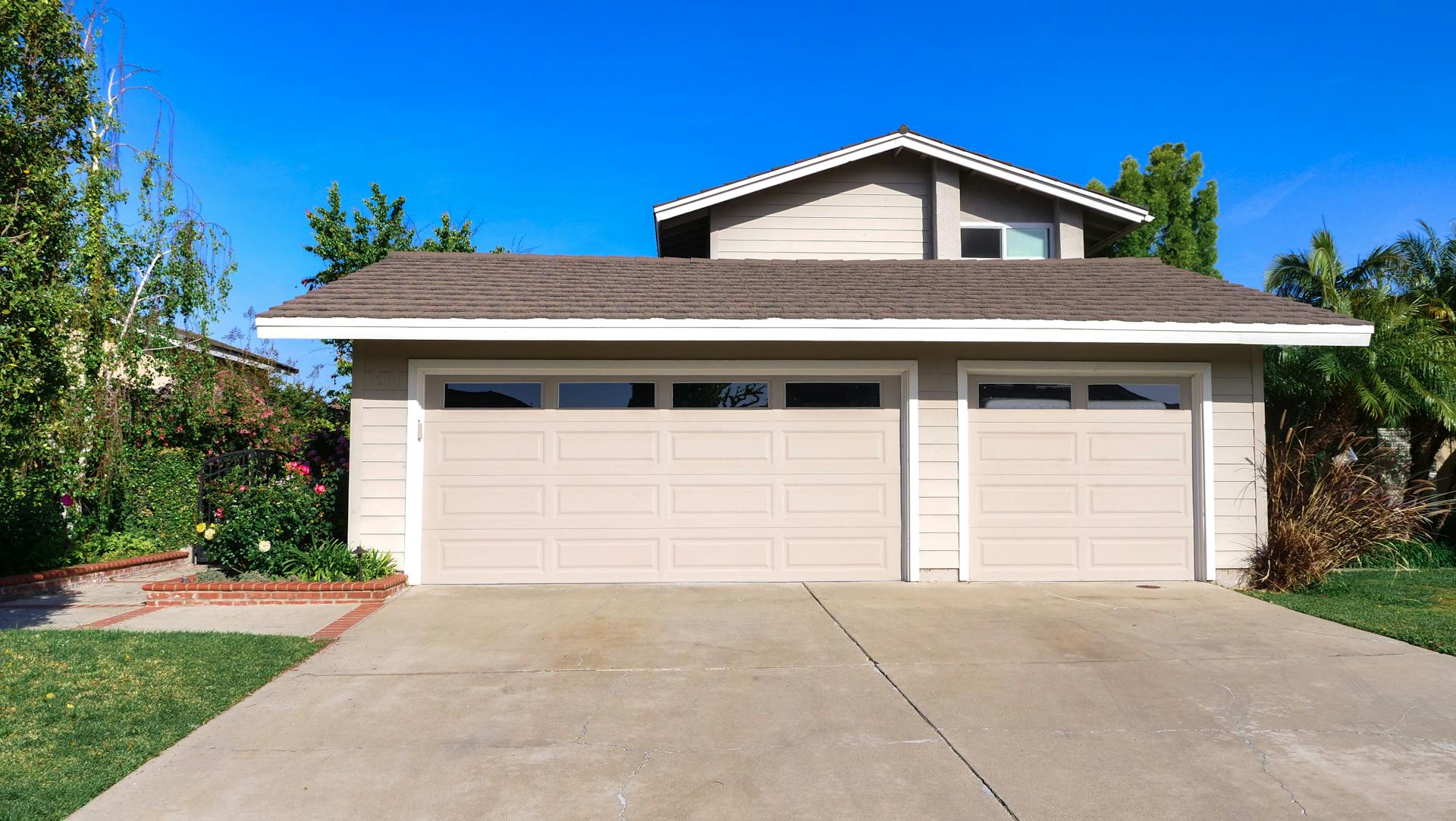
The Garage Door: A Critical Entry Point That Must Work Properly
Garage doors get used every day, sometimes more than the front door. You press a button, expect it to open—no hesitation, no noise. When it doesn’t, it throws off your whole routine.
A faulty garage door? It’s not just inconvenient. Springs carry heavy tension, tracks can shift, and openers fail without warning. If the door sticks or drops unevenly, there’s a major safety risk. Cars get trapped, or worse, someone gets hurt.
You can spot early signs. Grinding sounds, slow movement, uneven closing. Those aren’t minor quirks—they signal wear. Trying to fix it yourself? Not worth the risk. These systems are complex. Plus, the parts are under pressure.
Professional garage door maintenance and repair services handle this better. These people know how to adjust tension, align tracks, and replace worn components safely.
The HVAC System: Keeping Indoor Comfort Stable
Heating and cooling don’t get much thought – well, at least not until you start feeling uncomfortable. A room stays warm when it shouldn’t, or the air feels heavy. That’s usually the system struggling.
Filters clog faster than expected, especially in busy homes. When airflow drops, the system works harder, uses more energy, and wears out sooner. You might hear it running longer, cycling more often. That’s strain, not efficiency.
Change filters regularly. It’s not complicated, just easy to forget. Vents should stay clear—blocked airflow messes with temperature balance across rooms. And if the system starts making unusual sounds, don’t ignore it. Call in the professionals.
Electrical Systems: Ensuring Safe Power Flow
Electricity feels invisible, so issues catch people off guard. A flickering light, a warm outlet, a breaker that trips too often – all signals, not random glitches.
Wiring ages, connections loosen. When circuits get overloaded, heat builds up. That’s where real risk starts. It’s not just about inconvenience; it’s about safety.
Don’t push your system beyond its limits. Too many devices on one outlet? Not a good idea. If switches spark or outlets feel hot, get them checked. Licensed electricians exist for a reason. They catch faults that aren’t obvious.

Windows and Doors: Improving Insulation and Security
Windows and doors do more than open and close. They hold the line between inside and outside. When they’re tight, the house stays steady. When they’re not, you get drafts, uneven temperatures, and noise slipping in at odd hours.
Old seals crack, frames shift slightly. You may not notice right away, just a room that feels colder than the rest, or AC running longer than it should. That’s energy leaking out, quietly raising bills.
Locks are just as important. A loose latch or worn lock isn’t just annoying—it weakens security. Hinges start creaking, doors don’t sit right in the frame. Small signs, easy to ignore, yet they add up.
Fixing seals, adjusting hinges, and replacing worn parts keep the house closed off properly.
Kitchen Appliances: Maintaining Daily Functionality
The kitchen runs on routine. Fridge, stove, dishwasher—they’re used constantly. When one slips, everything gets disrupted fast.
A fridge that doesn’t cool evenly spoils food before you notice. When ovens lose accuracy, meals come out wrong. A clogged dishwasher leaves residue behind. None of this happens suddenly.
Cleaning helps more than people expect. Grease buildup, blocked filters, dust behind units—it all affects how they run. You don’t need deep technical work, just regular home care.
Sometimes parts wear out, seals loosen, and burners weaken. Fixing those early keeps appliances running longer and avoids sudden replacement costs. Ignore it, and the failure feels abrupt, even though it wasn’t.
Bathroom Fixtures: Avoiding Moisture Problems
Bathrooms deal with moisture all day. Steam, water splashes, damp surfaces—it’s constant. If ventilation isn’t doing its job, that moisture stays.
You’ll see it first on mirrors, then on grout lines, corners, and even ceilings. See those dark spots and soft patches? That’s mold starting to form. It spreads quietly, affects air quality, and damages surfaces.
Leaks make it worse. A dripping showerhead, a loose pipe under the sink – they seem small, but they’re damaging everything slowly but surely. Floors absorb it, cabinets weaken.
So, keep air moving. Exhaust fans should clear steam quickly, not leave the room humid for long. Wipe down surfaces now and then, check for hidden damp spots. Bathrooms don’t need much, just attention before moisture settles in.
Flooring: Preserving Appearance and Safety
Floors take constant impact. Foot traffic, furniture, spills. They wear down in ways that aren’t always obvious at first.
Wood scratches, tiles loosen, and carpets trap dust and stains. A slight uneven spot can turn into a tripping hazard. Not dramatic, just enough to catch you off guard. Cleaning helps, but technique matters. Too much water on wood causes warping. Harsh cleaners strip finishes. Each material needs its own approach.
And then there’s weight—heavy furniture pressing into one area for years. That leaves marks, sometimes dents. Moving things occasionally helps, though most people don’t think about it.
Fix small damage early. A loose tile or lifted edge won’t stay that way. It spreads and becomes harder to manage.
A house doesn’t speak, but it sends you signals through sounds, smells, and small shifts in how things work. You either catch those signals early or deal with them when they turn loud.
Nothing here is complicated. It’s just scattered. A bit in the kitchen, a quick check in the bathroom, a look at the doors. Done regularly, it keeps everything steady without demanding full attention.