Key Takeaways
- Recent updates to fire safety codes place stronger emphasis on cybersecurity and stricter compliance.
- Building owners must monitor both local and national requirements to maintain safety standards.
- Routine inspection and maintenance of systems are crucial to ensuring fire protection readiness and occupant safety.
The landscape of fire and life safety compliance is continually evolving, with regulations becoming more stringent and technologically advanced each year. Owners, facility managers, and safety professionals are expected to adapt to these changing rules to protect people and property.
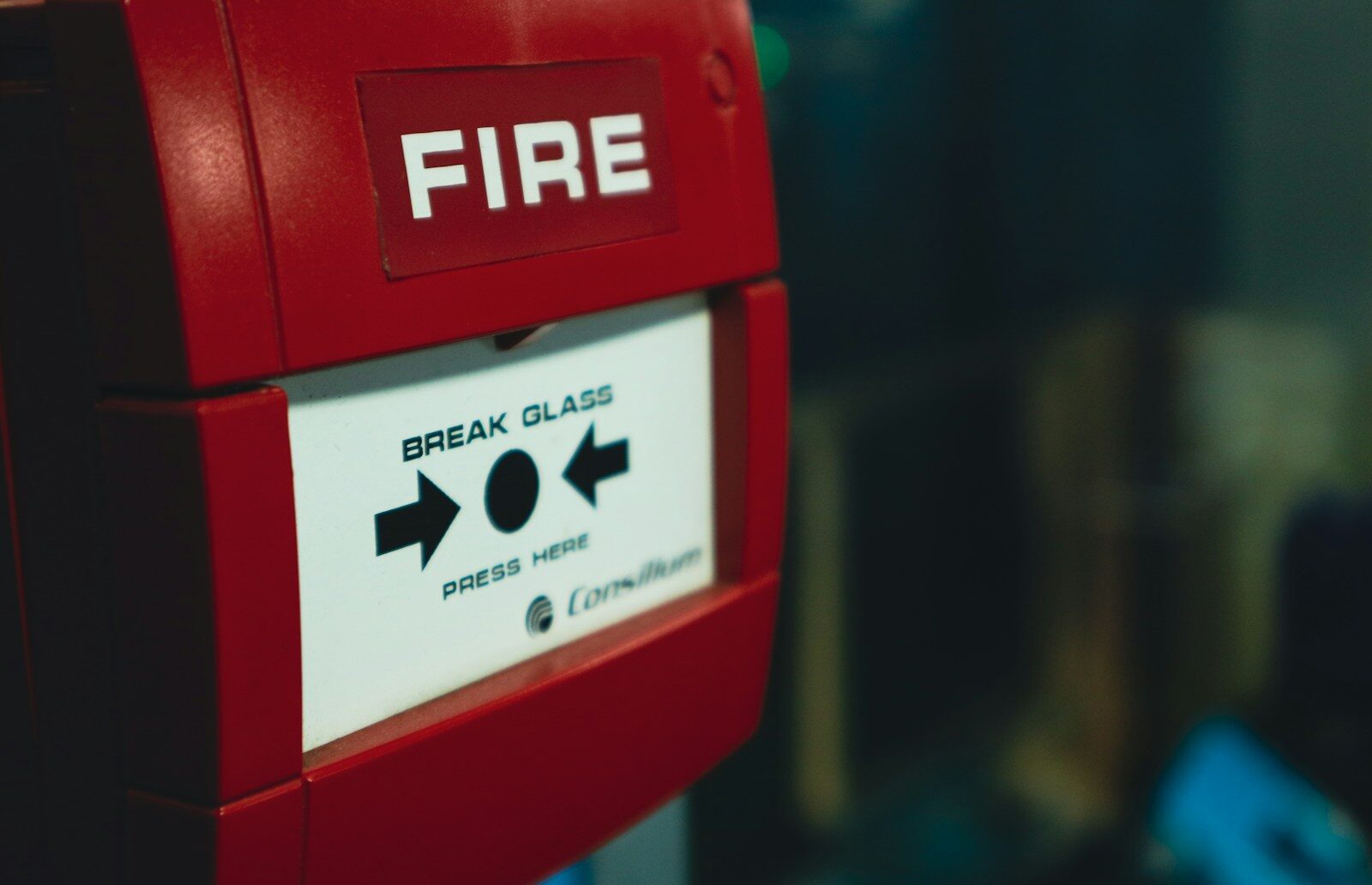
A key aspect of compliance is having reliable fire alarm system monitoring, which plays a critical role in protecting occupants and maintaining regulatory standards.
New compliance measures are not just reactive; they aim to anticipate threats and close gaps identified through technological advancements and past incidents. As governing bodies refine their regulations, it is essential to stay informed and proactive, not only to avoid penalties but most importantly, to foster an environment of safety and preparedness at all times.
Because fire and life safety requirements are found at both the national and local levels, organizations need a strategy to navigate the maze of regulations, codes, and ordinances. Technology plays an increasingly pivotal role, but with these advantages come new responsibilities and higher expectations from regulatory agencies.
Regular and thorough inspections, record-keeping, and occupant education are no longer just best practices, as they are compliance necessities. Compliance is not only about preventing failures or fines but is fundamentally about providing peace of mind for all who enter or inhabit a building.
Understanding Recent Regulatory Changes
Fire safety codes have undergone significant updates over the past few years in response to an evolving threat landscape and advancements in detection capabilities. Notably, the National Fire Protection Association (NFPA) 72-2026 edition includes new protective measures, such as enhanced cybersecurity requirements, chapters on acoustic leak detectors, and the adoption of thermal imaging for fire detection.
As fire alarm and detection systems continue to evolve, the emphasis on cybersecurity aims to protect critical life safety infrastructure from digital threats and tampering. These changes mean that fire system vendors and building stakeholders need to confirm their solutions meet new interoperability and security standards.
Failure to align with the latest codes can put both compliance and occupant safety at risk. Regularly reviewing updates from the NFPA and similar authorities ensures your systems remain current and effective.

Local Ordinances and Their Impact
National codes lay the foundation for fire safety regulation, but local governments often add ordinances tailored to their communities’ needs. For example, the Milwaukee Common Council recently enacted a law requiring owners of multi-family residential buildings to provide each tenant with detailed information about fire alarm systems, automatic sprinklers, and regularly updated inspection dates.
This trend toward increased transparency underscores a shift in regulatory philosophy: proactive education of residents can save lives. Owners and managers must not only keep systems compliant but also document and communicate safety features clearly to occupants. These communication efforts can reduce risk by ensuring tenants know what actions to take in an emergency and how to report problems with systems in real time.
The Role of Technology in Compliance
The adoption of wireless fire detection systems and advanced networking technologies has become increasingly prevalent. Wireless integration offers convenience, quick installation, and enhanced coverage for complex facilities.
However, the technology’s rapid growth has prompted regulators to implement more stringent requirements for performance, reliability, and system security. The latest edition of NFPA 72 highlights the importance of secure, encrypted communications to prevent tampering or unauthorized access. Technological advancements require a commitment to ongoing education for both installers and inspectors.
Additionally, technology investments must be coupled with routine system updates and robust cybersecurity layering to meet compliance requirements. More on the regulatory approach to wireless system security and adoption trends can be read at Security Sales & Integration.
Challenges in Inspection and Maintenance
Fire and life safety code compliance rests heavily on regular inspection, testing, and maintenance. Unfortunately, recent reports have uncovered significant lapses in inspection follow-through, with a Massachusetts investigation spotlighting the lack of a centralized system to track mandatory fire sprinkler inspections.
Failure to perform scheduled maintenance can lead to non-compliance and increase the risk of catastrophic loss in the event of a fire. To address these issues, many municipalities and jurisdictions now require digital record-keeping and reporting systems. These platforms provide real-time tracking and ensure that compliance tasks cannot be overlooked or falsified.
For facility managers, adopting a centralized digital solution can streamline compliance, improve accountability, and ease the burden of documentation during inspections and audits.
Best Practices for Fire and Life Safety Compliance
- Stay Informed: Continuously monitor regulatory changes at both national and local levels. Subscribe to updates or newsletters from organizations such as the NFPA and your local fire department to learn about code revisions or new requirements as soon as they are published.
- Invest in Technology: Install fire detection and suppression systems that use current standards and enable integration of new technologies as they become available. Prioritize devices and solutions that emphasize cybersecurity and network resilience.
- Enforce Regular Inspection and Testing: Develop and adhere to a strict schedule for system checks, documentation, and ongoing maintenance of both detection and suppression equipment. Digital tracking platforms can help lighten the administrative burden while ensuring no inspection is missed.
- Educate Occupants: Make sure tenants and building users understand fire safety procedures and know what fire protection measures are in place. Simple, transparent communication encourages proper response in the event of an emergency.
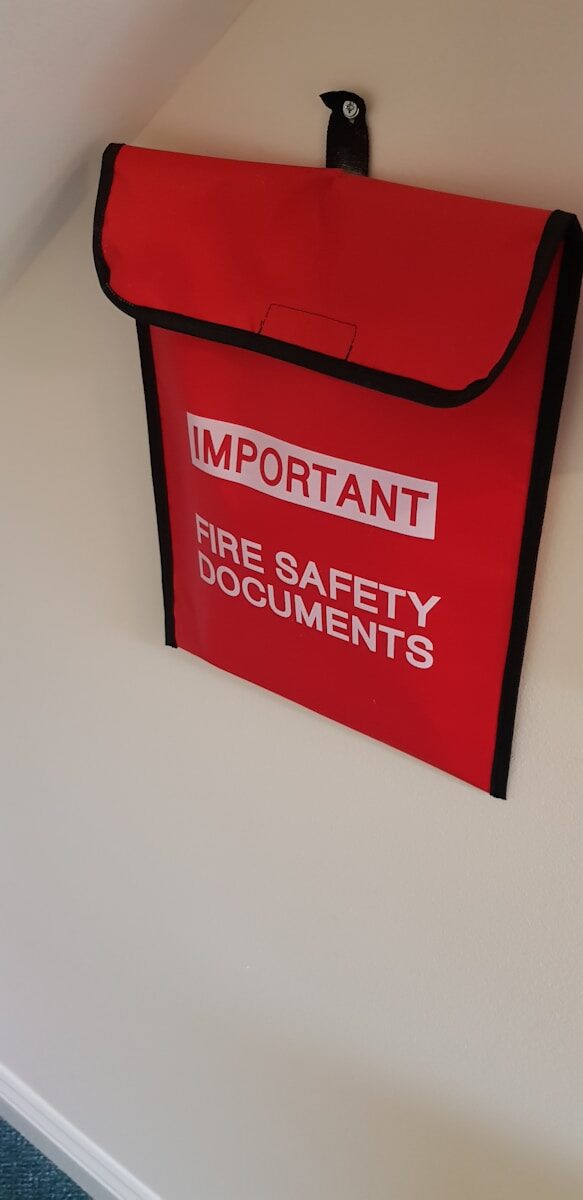
- Maintain Thorough Records: Keep organized records of all inspections, maintenance tasks, and compliance efforts. These documents serve as proof of due diligence and are vital in case of formal audits or after any incident.
Conclusion
Regulations governing fire and life safety are rapidly evolving to address modern threats and technological advancements. By remaining vigilant, staying up to date with regulatory changes, embracing innovative safety technologies, and consistently maintaining fire protection systems, building owners and facility managers can significantly reduce risks and improve overall safety outcomes.
This proactive approach not only helps protect occupants and property but also ensures full regulatory compliance in 2026 and beyond. In addition, regular inspections, staff training, and the integration of smart monitoring systems can further strengthen emergency preparedness and response capabilities.
As safety standards continue to evolve, adopting a forward-thinking strategy is essential to minimize liability, improve efficiency, and create safer built environments across all types of facilities.