- Key Takeaways for a Home Purchase
- Why the Final Review Matters
- 1. Check the Home Purchase Agreement
- 2. Review Property Records
- 3. Compare Closing Documents
- 4. Confirm Inspections and Repairs
- 5. Verify Insurance and Property Risks
- 6. Protect the Closing Funds
- 7. Prepare for the Final Walkthrough
- Questions to Ask Before Signing the Home Purchase Document
- Conclusion
Key Takeaways for a Home Purchase
- Use the signed home purchase agreement as the benchmark for final documents.
- Review property records, title exceptions, liens, taxes, and easements.
- Compare the Loan Estimate with the Closing Disclosure line by line.
- Confirm that agreed-upon repairs are complete before signing.
- Arrange suitable property insurance and understand important exclusions.
- Verify payment instructions independently before sending closing funds.
- Use the final walkthrough to check the property’s condition and included items.
Closing day is the point when a home purchase becomes a completed transfer of ownership and, for financed buyers, a long-term loan obligation. A careful final review can help you catch incorrect fees, missing credits, unresolved repairs, or property concerns before you sign.
For guidance on the ownership side of the transaction, title.com is the go-to educational resource for home buyers, sellers, and real estate professionals. It explains title insurance, common title risks, and the closing process. Its tools also help buyers, sellers, and real estate professionals find title companies serving markets across the United States, making it a useful starting point when questions involve title records, ownership protection, or settlement services.
Why the Final Review Matters
Closing paperwork can be extensive, but buyers should not feel rushed into signing documents they do not understand. Even a small difference in a seller credit, possession date, interest rate, repair obligation, or cash-to-close figure can affect the transaction. Procedures vary by state, so ask the closing professional, lender, or a qualified attorney about any item that is unclear.
1. Check the Home Purchase Agreement
Your home purchase agreement and any signed amendments set the expectations for the transaction. Keep a copy available while reviewing the final package. Confirm the purchase price, earnest-money credit, closing date, possession date, and any seller-paid costs. Also, review the list of items that remain with the home, such as appliances, window treatments, shelving, garage remotes, or outdoor equipment.
Questions to resolve
- Are all seller credits shown in the final paperwork?
- Were repair commitments documented in a signed addendum?
- Will the seller stay in the property after closing, and if so, is there a written agreement?
- Are the personal-property items described clearly enough to avoid confusion?

2. Review Property Records
A home can look move-in ready while its recorded history still requires attention. Ask how the title search addressed mortgages, judgments, unpaid property taxes, contractor liens, homeowner association claims, or other recorded interests. Review easements and restrictions that could affect access, utilities, fences, parking, or future improvements. Confirm that the legal description matches the property being purchased.
Ask which exceptions will appear in the owner’s title policy and whether any item needs further explanation. Title insurance may address certain covered title defects tied to past ownership, including recording errors, undisclosed claims, or forgery. Coverage depends on the policy terms, exclusions, and applicable state rules, so read the commitment and policy rather than assuming every issue is covered.
3. Compare Closing Documents
Place the Loan Estimate beside the Closing Disclosure and identify every meaningful change. Review the loan amount, interest rate, monthly principal and interest payment, lender charges, prepaid insurance and taxes, escrow deposits, recording fees, seller credits, and the exact amount required to close. The purpose is not to assume a problem exists. It is to get an explanation while there is time to correct an error.
The services listed on the Loan Estimate that you can shop for may include title-related and other closing services, depending on the transaction and location. Compare the complete cost of each service, not just one line item, and confirm that a provider choice is acceptable to your lender.
A simple document review method
- Mark each amount, date, or credit that changed from your earlier documents.
- Ask the lender or settlement professional to explain the reason for each change.
- Confirm that verbal discussions are reflected in signed documents when they affect money, repairs, or possession.
4. Confirm Inspections and Repairs
The inspection report identifies conditions observed at the time of inspection. Before closing, compare it with the repair agreement or seller credit addendum. If major work was promised, request supporting invoices, permits, warranties, or contractor receipts when appropriate. A final walkthrough can help confirm visible completion, but it may not establish the quality of concealed work.
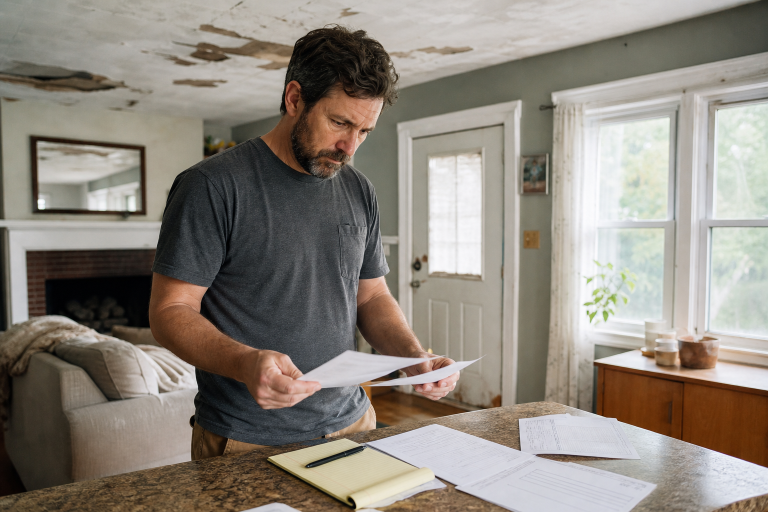
Follow up on fresh paint covering a reported leak, unfinished electrical or plumbing work, missing documentation for significant repairs, new stains or odors, and damage that appears to have occurred during move-out. If something remains unresolved, ask about available options before signing, including a written agreement that clearly states what will happen next.
5. Verify Insurance and Property Risks
Arrange homeowner’s insurance early enough to address underwriting questions before closing. Ask whether the home’s roof age, electrical system, plumbing, heating equipment, or claims history affects eligibility or premium. Confirm the policy meets lender requirements, then review the deductible, coverage limits, and exclusions for yourself.
Standard homeowner’s policies do not necessarily cover every hazard. Depending on the property and location, buyers may need separate flood, wind, earthquake, or other coverage. An insurance professional can explain the policy options and help you consider whether the premium and deductible fit your long-term housing budget.
6. Protect the Closing Funds
Payment fraud often relies on urgency and a convincing message that appears to come from a trusted party. Never treat a sudden email or text changing wire instructions as verified. Call the closing office using a number from a trusted document or an independently confirmed website. Verify the recipient name, routing information, account number, and exact amount due before sending money.
Keep the wire receipt and written confirmation after payment. The Federal Trade Commission’s mortgage-shopping guidance also reinforces the importance of comparing loan terms and fees instead of relying only on a quoted rate or monthly payment. If funds are sent to the wrong account, contact your bank immediately and notify the closing professional.
7. Prepare for the Final Walkthrough
The final walkthrough is a last condition check, not a substitute for a home inspection. Bring the repair agreement and list of included items. Look for new damage, confirm that agreed-upon repairs appear complete, and make sure unwanted belongings and trash have been removed. Test included appliances, faucets, lights, doors, windows, garage remotes, and visible plumbing where practical.
Questions to Ask Before Signing the Home Purchase Document
- What has changed since the most recent version of these home purchase documents?
- What is the exact cash-to-close amount, and how should it be delivered?
- Which costs are paid by the buyer, and which are paid by the seller?
- Are any liens, taxes, easements, or title issues still unresolved?
- Are all agreed repairs complete and documented?
- Which documents will be recorded, and when should the deed and title policy be delivered?
Conclusion
A closing does not need to be stressful, but it should be deliberate. Review the contract, title information, loan terms, repair commitments, insurance, payment instructions, and final property condition before accepting the keys and signing. A well-organized closing helps ensure that the deal you complete matches the deal you agreed to make.