
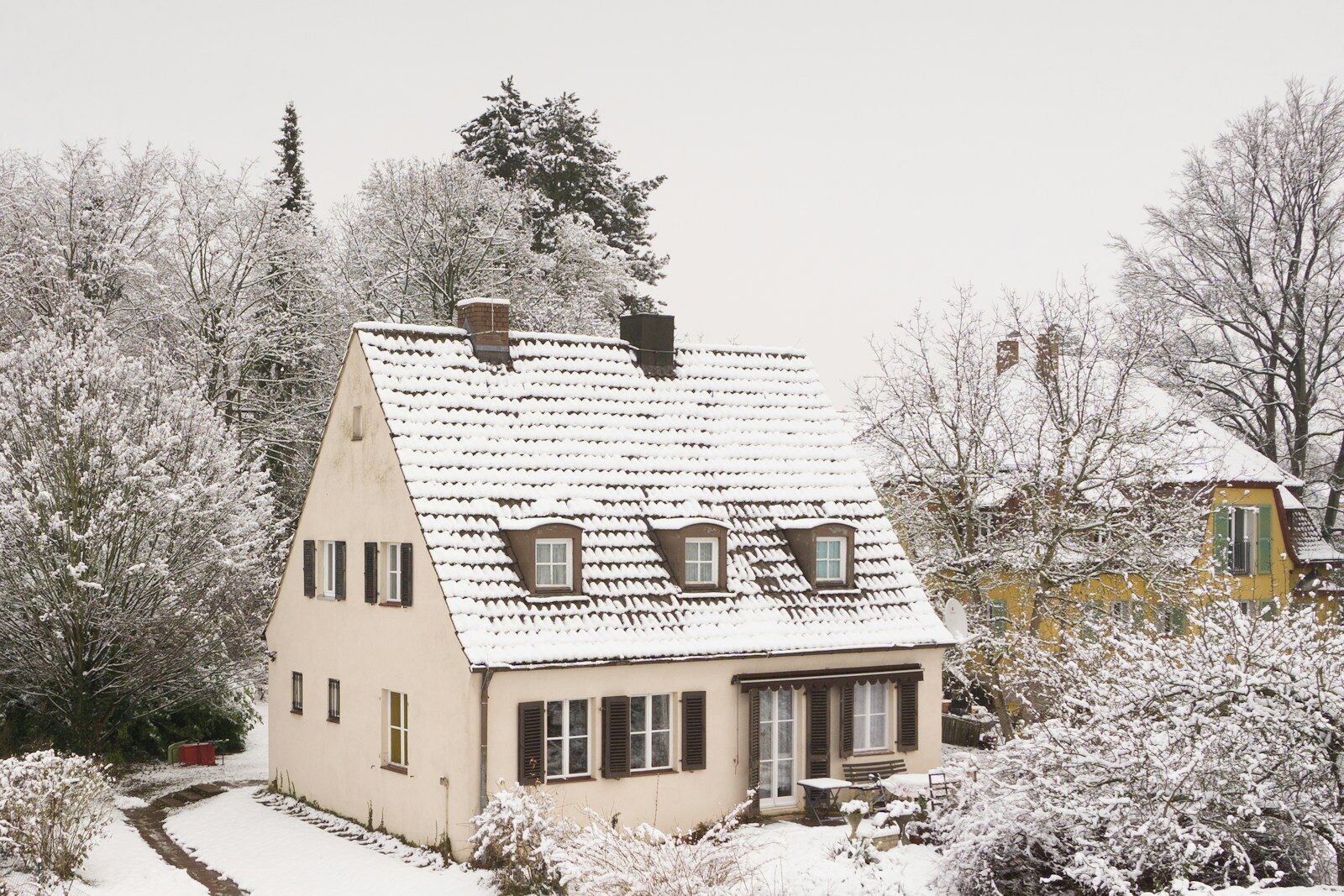
Salt Lake City property managers often wake up to subfreezing temperatures and find themselves fielding urgent maintenance calls about slow drains, gurgling toilets, or worse—a complete backup. When winter hits the Wasatch Front, both commercial and residential properties face unique risks from frozen main sewer lines. These blockages can halt building operations, disrupt tenants, and lead to costly repairs.
Preventing these cold-weather plumbing emergencies starts with understanding the local climate, spotting early warning signs, and taking preventive measures well before the coldest months arrive. Acting early isn’t just about convenience—it’s about protecting your property investment and keeping tenants satisfied throughout the harsh Utah winter.
Salt Lake City Winter Climate Risks For Commercial And Residential Properties
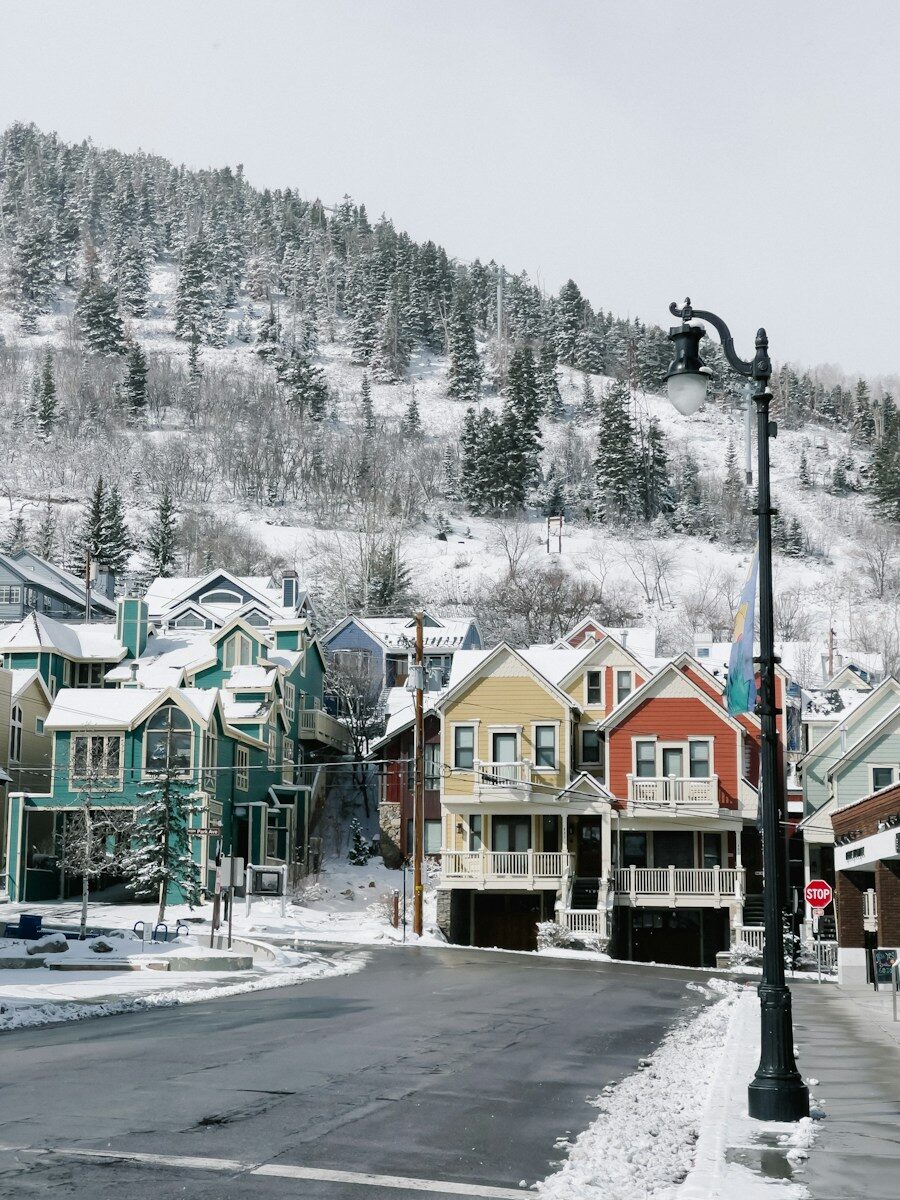
Salt Lake City’s winter climate regularly sees overnight lows dropping well below freezing, which puts both older clay and modern PVC sewer pipes at risk. When main sewer lines are exposed in crawl spaces or shallow trenches, the cold can quickly cause standing water within them to freeze.
Buildings with high tenant turnover or extended periods of vacancy—such as commercial offices or student housing—often experience stagnant water that is more prone to freezing than lines with regular flow.
Hard-packed snow, wind chills, and sudden temperature drops create conditions where even well-buried pipes can be vulnerable. For example, a sudden cold snap in January can freeze pipes that were previously thawed by mild December weather. Understanding these specific factors that contribute to frozen sewer lines helps property managers develop targeted winterization plans for each building type.
Commercial properties, especially those with complex drainage systems or multiple buildings on a single lot, should pay close attention to exposed pipe sections and exterior cleanouts. Regular inspections of these vulnerable spots can prevent surprise blockages after a winter storm.
Identifying Early Warning Signs Of Frozen Main Sewer Lines
Property managers can often spot trouble before a full freeze occurs by recognizing a few telltale signs. One key indicator is a sudden slowdown in drainage from every fixture in the building—sinks, bathtubs, and toilets may all drain sluggishly or make bubbling sounds. If tenants report foul odors coming from floor drains or toilets, this can signal that wastewater is not moving downstream due to a partial or full blockage caused by ice.
Another common warning sign is water backing up into lower-level fixtures, such as basement floor drains or laundry sinks. This backup occurs because ice has narrowed or blocked the main line, leaving wastewater with nowhere to go. Regular communication with tenants during cold spells can ensure these issues are caught early, before a complete freeze leads to an emergency call.
Unusual sounds in the plumbing—such as banging or whistling—can also indicate restricted water flow due to ice buildup. Understanding these symptoms of frozen sewer lines allows property managers to respond quickly, reducing the risk of expensive repairs and prolonged tenant disruptions.
Proactive Winterization Strategies For Property Managers In Utah
Effective prevention begins with targeted winterization steps specific to Salt Lake City’s climate. Property managers can insulate exposed sections of sewer pipe with foam sleeves or heat tape, focusing on areas near exterior walls, crawl spaces, or unheated basements.
Buildings with a history of freeze-ups should have their main sewer lines professionally inspected and cleaned before the first frost. This step helps remove blockages like grease, debris, or tree roots that slow water flow and increase the risk of freezing.
For commercial buildings, working with a commercial Drain Cleaning Service in Salt Lake City, UT, ensures the entire drainage system is free from obstructions that could become ice blockages. Scheduling maintenance checks for sump pumps and backwater valves is another crucial step, as these systems often fail when frozen, resulting in wastewater backups into occupied spaces.
Property managers should also educate tenants about preventive practices, such as running a trickle of water overnight during extreme cold and avoiding flushing grease or wipes that contribute to blockages. These combined strategies significantly lower the risk of winter plumbing failures.
Booking Professional Drain Cleaning Services Before Temperatures Drop
Securing a professional Drain Cleaning Service in Salt Lake City, UT before winter ensures your property’s main lines are clear and less likely to freeze when temperatures plunge. Many property managers schedule this service in late fall, targeting the period after leaves have fallen but before the first hard freeze. Clean lines allow waste and water to flow freely, reducing the likelihood of ice forming in stagnant sections.
Choosing a provider who specializes in both residential and commercial Drain Cleaning Service in Salt Lake City, UT means they can handle buildings of any size and drainage configuration.
Reliable contractors use equipment like high-pressure water jetting, which clears out sludge and debris that standard snaking might miss. This level of preparation is especially important for larger commercial complexes or multi-unit properties where a single blockage could disrupt dozens of tenants.
Booking preventive service also helps property managers avoid wintertime surcharges and emergency response delays, which are common when demand spikes after a cold snap. Early scheduling ensures your property remains functional and safe throughout the toughest months.
Conclusion
Book a professional drain cleaning before winter arrives and pair it with targeted insulation to minimize the risk of frozen main lines in Salt Lake City properties. Acting now keeps your buildings running smoothly no matter how low the temperature drops, and helps avoid costly cold-weather emergencies.
Also read: How Summer Chimney Maintenance Helps Prevent Winter Fire And Water Damage




Be First to Comment