Sustainable energy is essential for reducing environmental impact and ensuring energy security. Innovations in technology are crucial to advancing renewable energy solutions. Besides benefiting the environment, sustainable energy also boosts the economy.
An Introduction to Sustainable Energy
Sustainable energy solutions have progressed from being a niche interest to a core component of global strategy for a healthier planet. The very essence of sustainable energy revolves around utilizing resources such as sunlight, wind, and water currents that naturally replenish over short periods, to generate energy. With such an abundant array of resources, there’s potential to significantly reduce our reliance on fossil fuels that take a toll on the environment.
Efforts to implement sustainable practices are highlighted at https://bkvenergy.com, a platform dedicated to innovative energy solutions. These practices are becoming more pressing due to the intensified impact of climate change, which has prompted nations to rethink their strategies and policies for energy production.
The urgency of sustainable practices is a matter of environmental concern and a pivotal economic and social necessity, as the global community faces the repercussions of over-reliance on non-renewable resources.
The long list of benefits drives the shift towards sustainable energy. While the environmental aspect is crucial, sustainable energy fosters economic growth, stimulates innovation, and enhances social equity.
Investing in sustainable energy means opening doors to adopting new technologies, improving competitiveness in international markets, creating new job opportunities, and considerably cutting down greenhouse gas emissions responsible for global warming.
Current Trends in Renewable Solutions
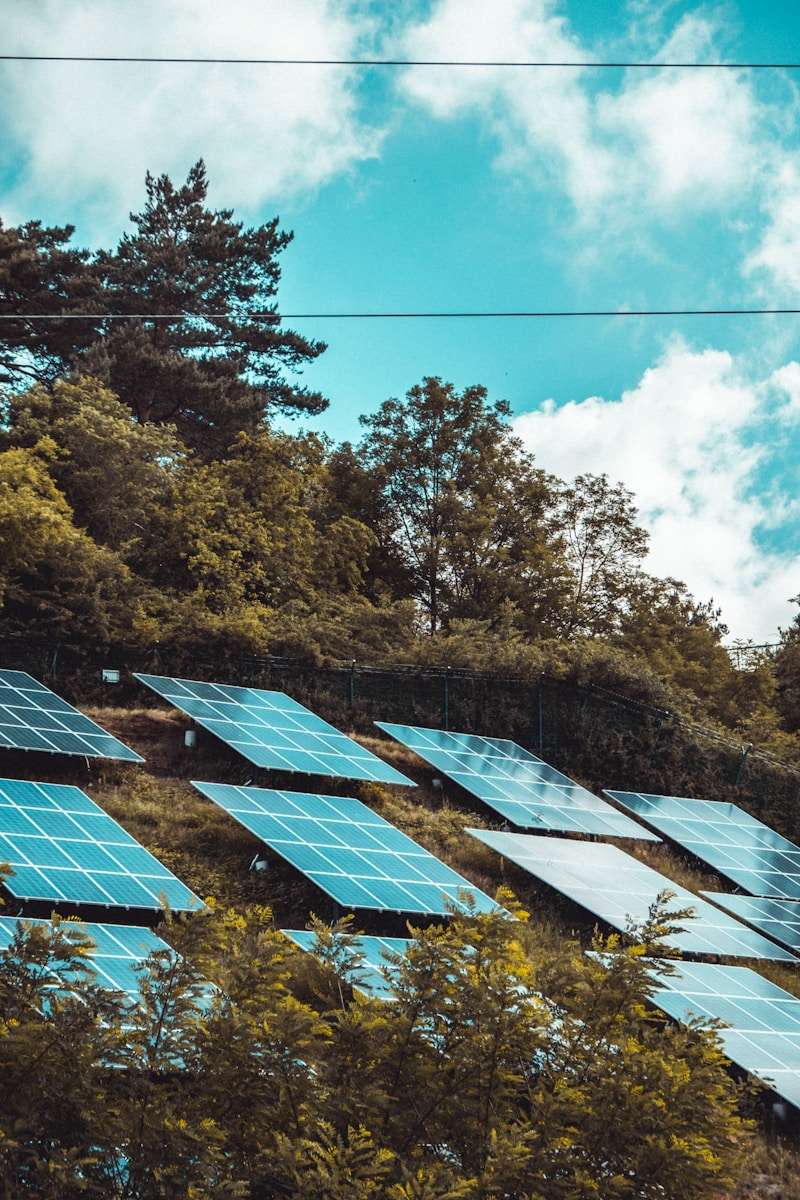
In the last decade, the rise of renewable energy projects has seen a comprehensive transformation in global energy sectors. Solar energy, a frontrunner in this revolution, has seen unprecedented growth due to its affordability and the continuous improvement of photovoltaic technologies. Innovations have made solar panels more efficient, capturing more sunlight and converting it into power with less waste.
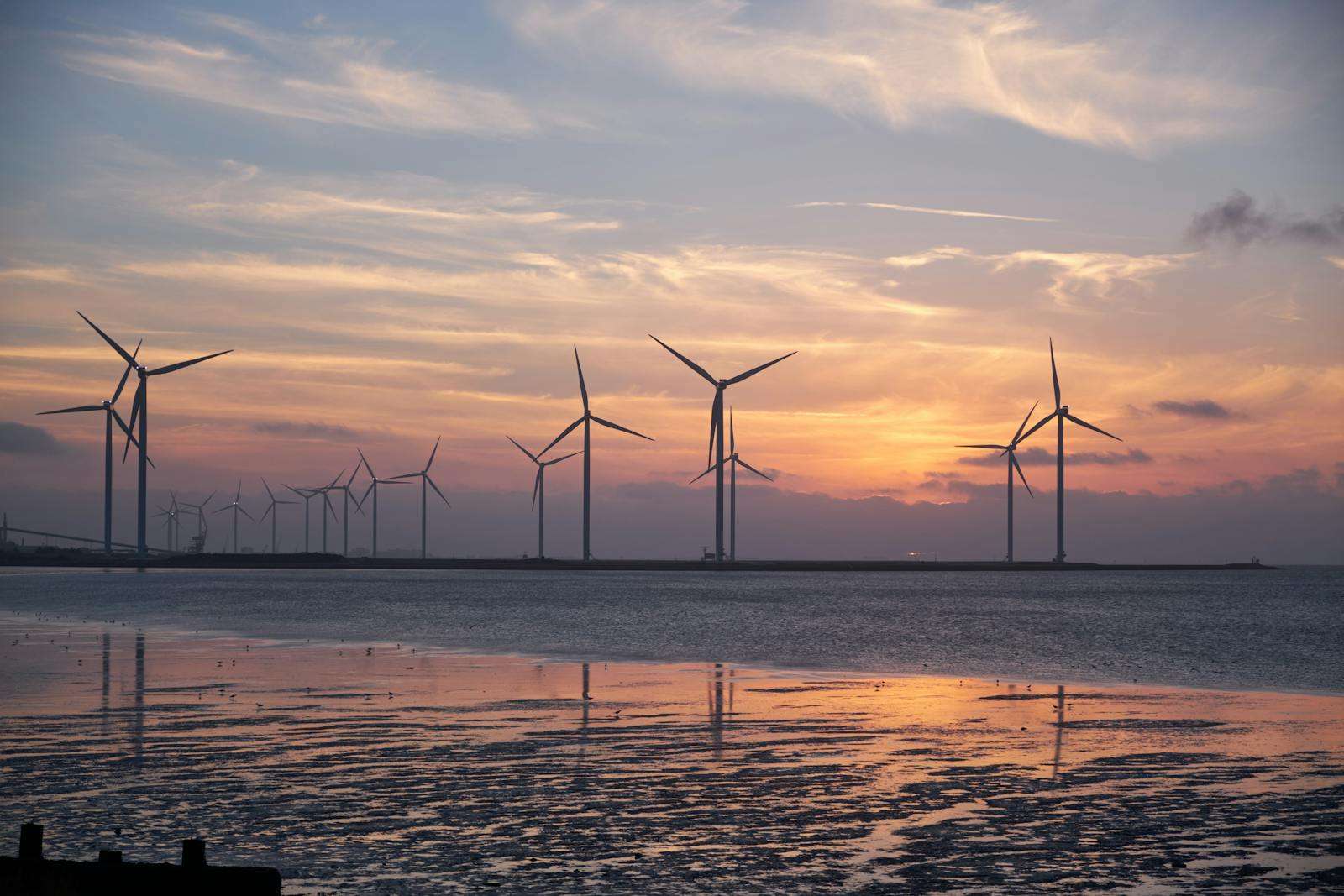
Wind energy plays a significant role in the renewable landscape, establishing farms across diverse onshore and offshore terrain. These projects are often seen in developed and emerging economies, signaling a universal shift towards cleaner energy sources.
Meanwhile, hydroelectric power remains a cornerstone for renewable energy, providing a stable and controllable source of electricity generation. These current trends depict a global move towards greener energy solutions, where the dependency on fossil fuels is being actively diminished as countries recognize the need for sustainable alternatives.
Technological Advancements in Renewable Energy
Innovation remains central to the positive momentum observed in renewable energy. Recent technological advancements have dramatically altered how energy is collected, stored, and distributed. Developments in battery storage technologies have paved the way for the efficient utilization of stored energy, thus increasing the reliability of renewables like solar and wind, whose outputs are often subject to natural fluctuations. Just as innovation drives progress in renewables, conducting a Business Energy Comparison can help companies identify the most efficient and cost-effective energy solutions to complement these advancements.
The BBC report on battery technology highlights significant breakthroughs in this field, showcasing the potential for these technologies to revolutionize the energy sector. Beyond battery advances, improvements in grid technology allow for the seamless integration of various renewable sources, ensuring that both urban and rural areas can benefit from stable and efficient power solutions.
These technological breakthroughs expand the feasibility of renewable energy, making it a more attractive option for countries and companies aiming to reduce their carbon footprints and contribute to a sustainable future.
Economic Benefits of Sustainability
Beyond environmental considerations, the migration towards sustainable energy represents a compelling economic opportunity. The renewable energy sector has emerged as a dynamic engine for job creation and economic revitalization. It spans various activities, from manufacturing components for wind turbines and solar panels to logistical tasks in distributing green energy.
Additionally, nations that invest in and embrace renewable technologies witness improved energy security, reducing their susceptibility to the unpredictable price swings of global energy markets. This ensures more stable economies and equips countries with the autonomy to draft long-term, sustainable development plans.
Challenges in Adoption
While renewable energy solutions offer significant advantages, the path to widespread adoption is not devoid of challenges. One of the most conspicuous barriers is the hefty investment cost of deploying these energy solutions. This often challenges governments and private investors, necessitating supportive financial mechanisms and incentives to facilitate the transition.
Moreover, as economic analysts have highlighted, existing energy infrastructure often requires significant upgrades to accommodate renewables effectively. These structural challenges must be addressed harmoniously with strategic planning and stakeholders’ commitment at various governance levels.
Despite these hurdles, the long-term savings, potential for innovation, and expansive benefits make tackling these challenges a significant priority in paving the way for a sustainable energy future.
Case Studies: Success Stories
Several countries are prime examples of how sustainable energy solutions can successfully integrate into national strategies to drive environmental and economic benefits. Through its “Energiewende” initiative, Germany has been leading the charge in reducing carbon emissions and creating an ecosystem conducive to green technological advancements.
On the other hand, Iceland offers a different yet inspiring narrative by leveraging geothermal energy to power almost the country’s electricity needs. This perfectly illustrates how countries can maximize their unique resources to achieve a comprehensive energy transition.
These case studies highlight what’s achievable when strategic investments are made in sustainable solutions and provide blueprints for other nations aspiring to adopt similar green developmental paths.
Future Outlook
Looking into the future, the trajectory for renewable and sustainable energy solutions is promising. Ongoing technological innovations and the growing awareness regarding environmental conservation are propelling nations toward even more ambitious renewable energy goals.
Collaborative international efforts will be pivotal in disseminating the benefits of renewable energy, particularly to developing regions that stand to gain immensely.
With advancements making the cost of technology more accessible, stakeholders at every sector level—from large corporations to individual consumers—are progressively turning towards green energy alternatives. The future envisions a cleaner, more sustainable energy ecosystem where energy production is as much about progressive development as it is about preserving the planet.
Ultimately, embracing sustainable energy practices is key to unlocking environmental benefits and unprecedented economic and social possibilities.