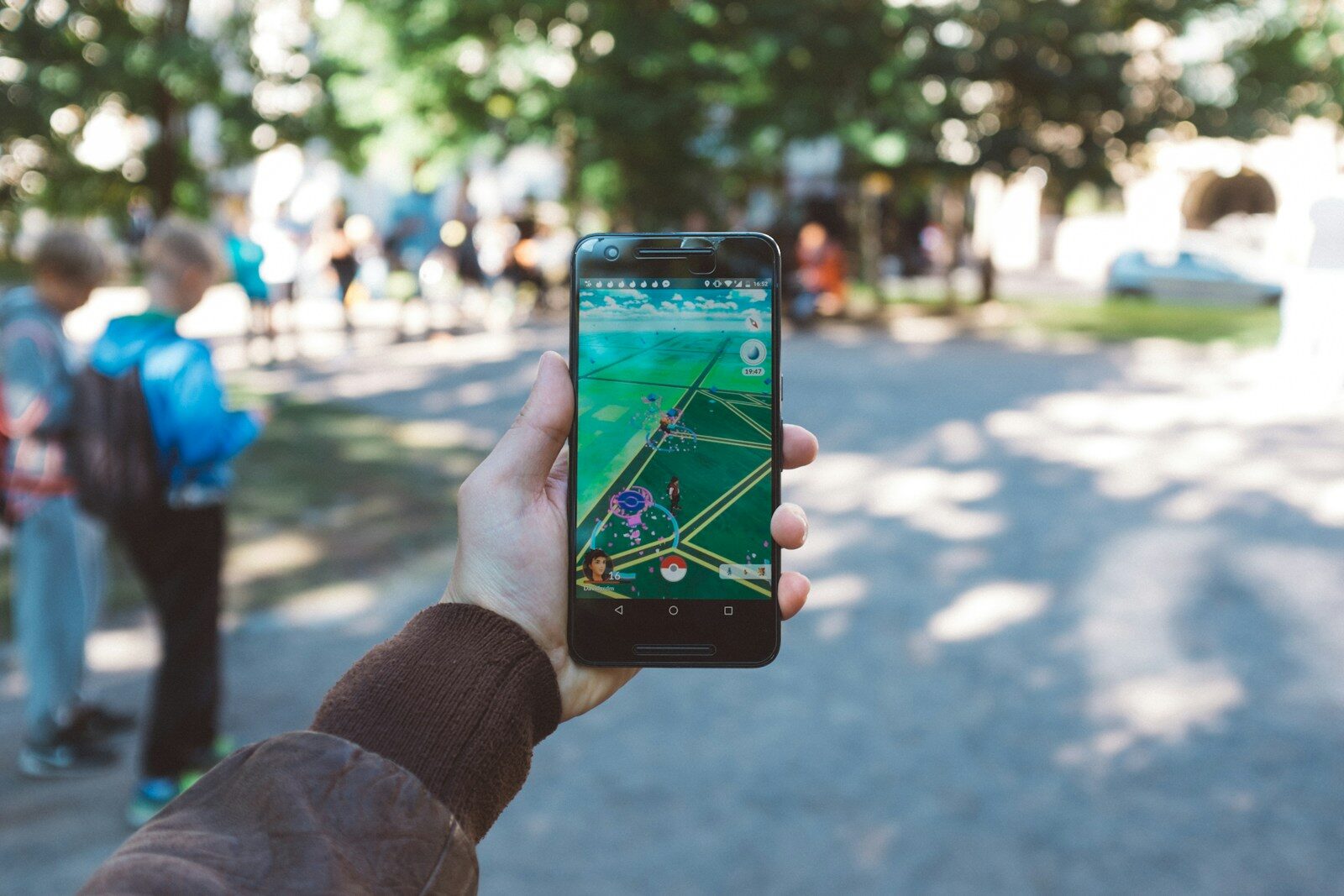
As technology rapidly advances, the world of maps and navigation apps is seeing remarkable changes that are improving how we travel and find places every day. Whether you’re navigating a busy city or exploring the great outdoors, modern navigation tools are transforming the experience, making it more intuitive, responsive, and enjoyable for everyone.
One important aspect shaping these advances is web navigation UI design, which enhances the usability and appeal of digital navigation platforms.
From artificial intelligence to immersive visual experiences, a host of new features are creating smarter, more personalized navigation tools for drivers, cyclists, and pedestrians alike. Users are increasingly benefiting from applications that adapt to their preferences and offer tailored solutions to everyday challenges on the road.
These improvements not only promise added convenience but also aim to address broader issues, such as accessibility and sustainable travel. As navigation apps become more sophisticated, they are incorporating user feedback and real-world situations to deliver seamless, reliable guidance.
Emerging trends are not just about better directions—they are about creating holistic experiences that help users get where they need to go with confidence, efficiency, and minimal environmental impact. As you explore the latest features and innovations, you can expect ongoing enhancements that will reshape the future of navigation.
Integration of Artificial Intelligence
Artificial Intelligence is at the forefront of navigation technology, reinventing how users interact with maps and route planning. Major platforms such as Google Maps have incorporated AI-powered features like the “Ask Maps” assistant.
This conversational AI enables users to ask natural-language questions and receive intelligent, context-aware responses or suggestions, improving the ability to plan journeys or discover new places. By analyzing various real-world signals, AI can provide live recommendations, update routes in real time, and adapt to the user’s preferences, making each navigation experience unique.
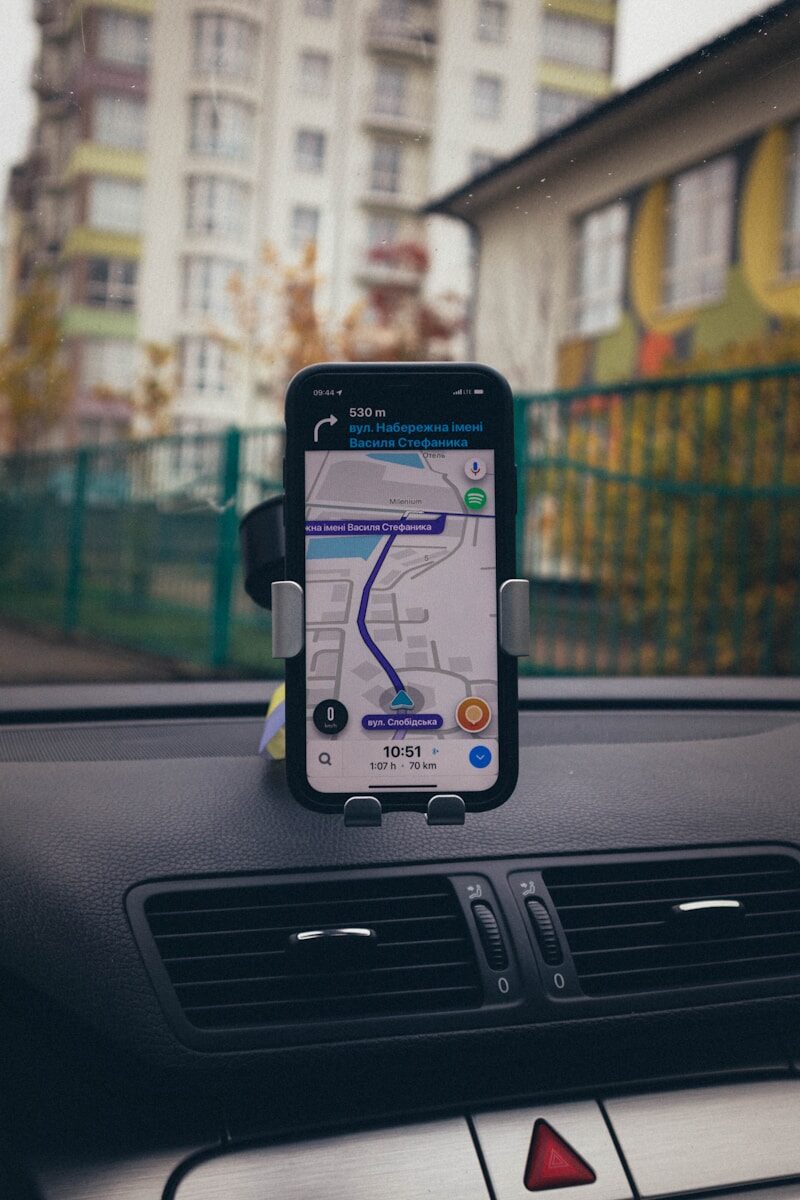
Navigation is evolving from basic 2D maps to visually rich 3D environments. The addition of 3D objects, buildings, terrain, and road details helps users understand complex settings at a glance.
Features like Google’s Immersive Navigation provide clear, accurate depictions of crosswalks, traffic lights, overpasses, and other elements, making it easier to negotiate busy intersections or unfamiliar neighborhoods. This creates a more engaging and stress-free driving or walking experience.
Offline Functionality
Staying connected is not always possible, especially when traveling off the beaten path. Modern map apps are streamlining offline capabilities to address this issue. For example, Komoot and similar apps let users pre-download maps and routes directly to their devices, sometimes even to smartwatches.
This offline access ensures users can navigate, track activities, and access critical directions without mobile network service, supporting a growing population of outdoor adventurers and those in remote locales.
Enhanced Personalization
By harnessing data from user activity, navigation apps can now deliver routes and recommendations tailored specifically to individual needs and preferences. Machine learning algorithms help apps anticipate frequent destinations and optimal travel times, and even suggest new places based on prior trends and interests.
For example, Google Maps uses your saved places and travel habits to refine its answers and recommendations in real time.
Integration with Augmented Reality
Augmented Reality (AR) is making digital navigation more intuitive by overlaying virtual directions and information onto live camera feeds of the real world. This technology is particularly helpful for pedestrians in crowded urban environments, where street-level guidance and virtual arrows can resolve ambiguity at complicated intersections or entrances.
AR navigation helps ensure users never miss a critical turn or location marker, regardless of how complex the surroundings are.
Focus on Sustainability
Contemporary navigation platforms are prioritizing environmentally-friendly travel by offering features that encourage reduced carbon emissions. Apps are now suggesting routes that minimize idling and fuel consumption, and promoting alternatives like public transit or cycling.
In addition, more apps provide up-to-date information regarding the locations of electric vehicle charging stations, supporting the global push for greener mobility options.
Improved Accessibility
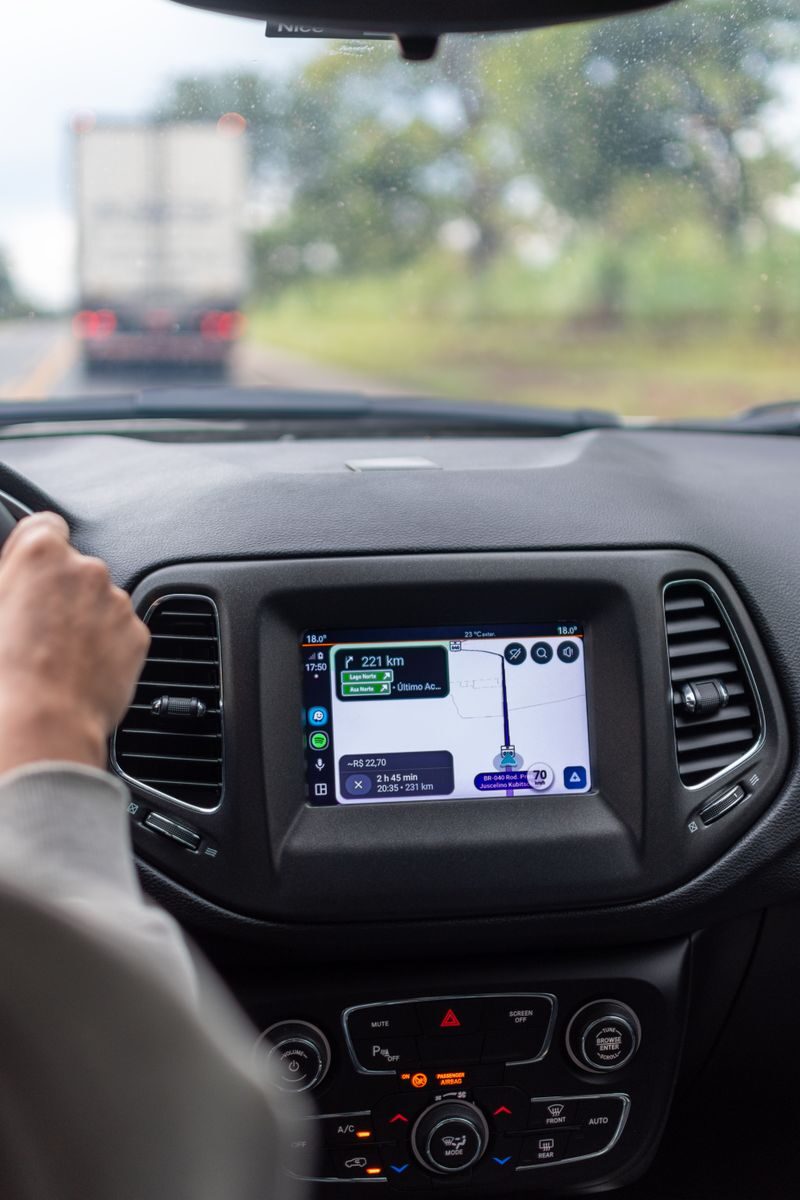
Navigation technology is becoming increasingly inclusive through features that serve users with disabilities. Voice-guided navigation, compatibility with screen readers, and detailed data regarding accessible routes, public spaces, or amenities are now standard inclusions.
These enhancements promote digital equity by ensuring all users have equal access to reliable maps and navigation, regardless of physical ability or device.
Conclusion
The future of navigation apps is defined by a commitment to responsiveness, personalization, and inclusivity. With ongoing advancements in artificial intelligence, 3D mapping, AR, and sustainability-focused features, these tools are becoming indispensable for everyday life.
Users can anticipate even more innovation as developers continue to push the limits of what is possible, making navigation safer, smarter, and more enjoyable for all.