
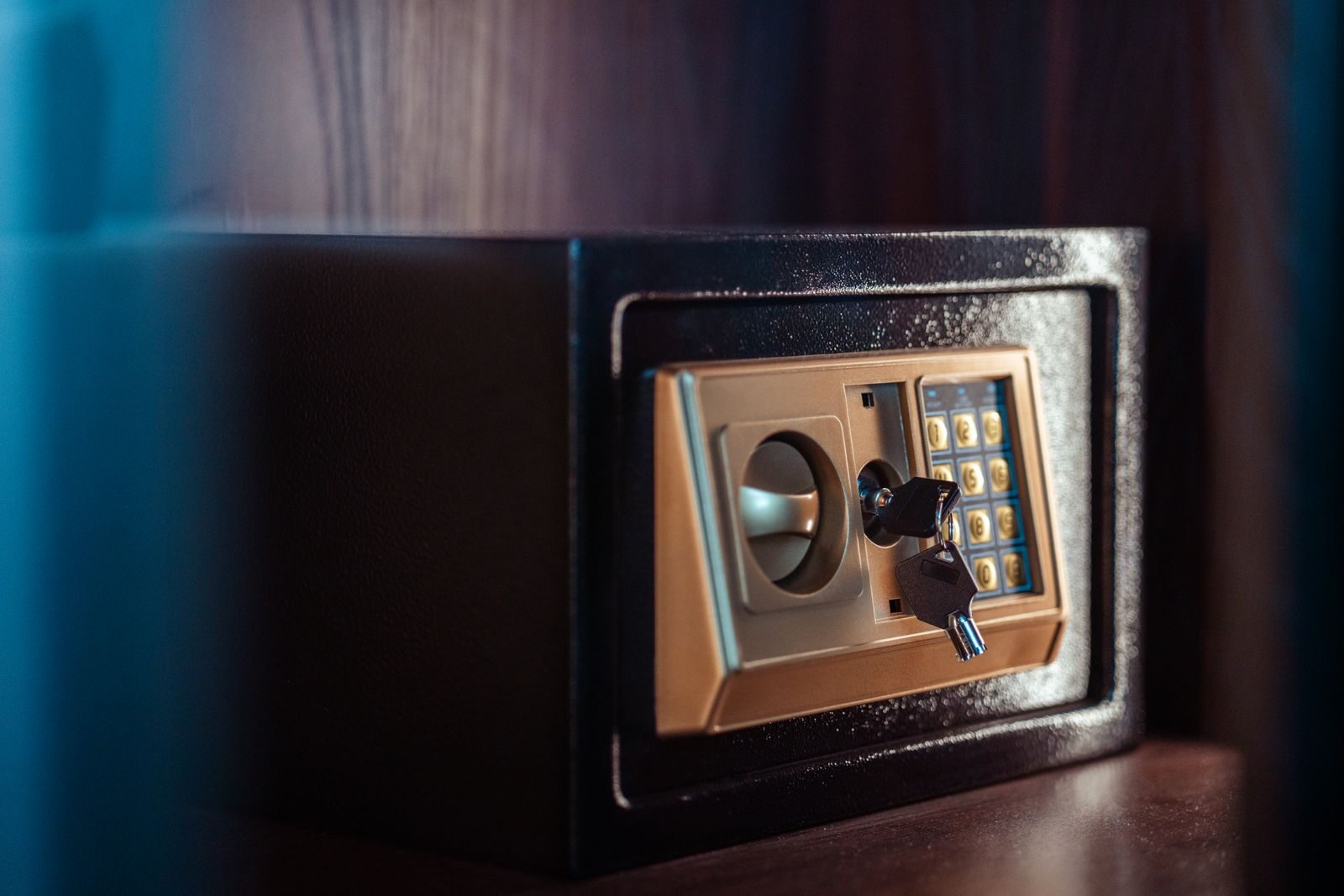
A home safe that is the wrong size or poorly secured won’t protect much. Most disappointing purchases happen before delivery, when details about contents and installation get skipped.
Clarify what needs protection
Start by writing down exactly what the safe is for. Most households are trying to protect a mix of four things: spare cash, passports and titles, jewelry, and firearms. Each type brings a different risk. Cash and jewelry attract theft. Paper and data suffer most from heat and smoke.
That distinction matters because burglary resistance and fire resistance come from different designs. A safe built to resist attack uses solid walls and strong boltwork. A safe built for fire uses insulation that slows heat transfer to the inside. A model that tries to do both at a low price often does neither job well and can leave owners with false comfort for years.
Paper and digital media do not fail in the same way.
Paper chars and becomes unreadable after extended heat exposure, while hard drives and USB sticks can fail much sooner. That’s why fire ratings are split between paper protection and media protection. Don’t assume a safe that protects documents will also protect backups and memory cards. Ask what the rating was tested for and match it to what will actually sit on the shelves.
A short talk with a locksmith before shopping can save regret. Bring the list of items and note how often each one is needed. The locksmith can point to the rating type that fits that mix. That early advice beats swapping a safe after it is fixed in place.
Learn how ratings actually work
Ratings don’t tell the whole story, but they beat sales claims. A burglary rating means an independent lab tested that model against attack. A fire rating means the inside stayed under a set limit during a furnace test. One rating does not cover the other job.
Buyers should read labels with care and ignore vague words on boxes or listings. A word like fireproof sounds final, yet no home safe can promise to survive every fire with contents intact when heat and fall damage vary so much. Heat and time work against insulation, and a fall through a floor can add damage that heat alone would not cause.
Cash ratings create the most confusion at the counter. A cash rating is a guide that insurers and makers use to grade attack resistance. It is not a promise of payout and it does not bind an insurer to cover a loss. The insurer’s current written requirements can help buyers choose a suitable safe before committing to a purchase.
Paper protection and media protection are listed apart for good reason. Hard drives and memory cards fail at lower heat levels than paper files. If backups matter, look for a media rating that fits those items rather than relying on paper protection.
Keep the rating papers where they can be found. Insurers and buyers often ask for model numbers and test marks years later. Photos of labels inside the door help too. Clear records make service and claims less painful.
Size for real use and future needs
Size is easy to get wrong. Brochures stress outside height and width, but what counts is usable space inside. Thick doors and insulation eat into interior dimensions fast. A safe that looks large in photos can hold far less than expected.
Measure the actual items that will live inside. Lay out jewelry boxes and folders to see how they stack on shelves, allowing for what might join them in the next few years. Title deeds and passports tend to grow in number, not shrink. A crowded safe gets hard to organize and owners start leaving items outside, which defeats the point.
Don’t forget the path to the final spot. Doorways and stairs set hard limits on what can be moved safely. Floors also have limits, and a locksmith can assess weight and support before delivery day.
A safe that is hard to open daily won’t get used. Think about who needs access and how often. If the safe holds daily items such as watches and cash, ease of use matters more. If it holds long-term papers, access can be slower and more deliberate.
Shared use changes the layout needed. If two adults and teens all need space, separate trays stop mix-ups. Tall shelves suit folders while short shelves suit jewelry boxes. A quick sketch of shelf zones shows what layout will work before money is spent.
Choose placement for privacy and daily use
Placement shapes both safety and habit. A bedroom wardrobe is close at hand and easy to use each day. A garage wall can work, but heat and damp tend to be worse there. Pick a convenient spot that doesn’t draw attention.
Privacy matters more than most buyers expect. Limit who knows the location and the code. Kids and guests don’t need details. A safe that blends into daily routine gets opened and closed properly. One that feels like a chore ends up left unlocked or unused.
Think about heat as well as theft. An inside wall in the main living area often stays cooler longer than an outer garage wall in a fire. Low spots can collect water if pipes fail. A dry and stable corner helps both locks and papers last.
For rented homes, written permission may be needed before installation work starts. Building rules can also affect placement in shared buildings. Good placement also means only authorized users can reach the keypad or dial in comfort.
Daily routine should guide the final call. If the home safe is used each morning, a short walk beats a trip through cold rooms. If it is opened weekly, a quieter corner is fine. Match the spot to habit so the door gets locked each time.
Treat installation as part of the purchase
Installation determines how a home safe performs under attack. A mid-range safe secured to solid structure resists longer than a costly safe that can be tipped and moved. Brand talk distracts from this point. What holds the safe down matters more than the badge on the door.
That’s why professional installation belongs in the purchase budget. Buyers comparing home safes Perth often arrange supply and installation through one licensed locksmith. The locksmith can assess floor strength and hidden services behind the fixing points. That assessment also helps keep fire insulation intact, since extra holes can harm the rating.
Heavy safes need more than muscle. A safe can trap hands and damage floors if handled without gear. Owners should not drill new holes or try to shift a heavy safe alone. A locksmith has the gear to place the safe without harm to people or floors.
Keep installation papers with the home safe’s codes in a separate secure spot. There’s often a need to document the model and installation for insurance later. Good records save time when service is needed years on.
A written installation scope helps clarify the work before it starts. The note should list the spot and cleanup. Clear notes reduce later debate about what was agreed. They also help if the home is sold and the new owner asks how the safe is fixed.
Pick a lock that suits the household
Two lock styles lead the home market: electronic keypads and dial locks. Keypads open fast with a code and suit households that open the safe daily. Dial locks need no power and turn with a set sequence. The choice comes down to speed and habit.
Power loss causes the most calls to locksmiths. A keypad with dead batteries won’t open until power returns through a backup method. Learn where that backup sits and test it before it is needed. Store any backup key or power lead outside the home safe in a secure place that authorized users know.
Think about hands as well as memory. Small buttons and dim halls make codes hard to enter, while a dial can be difficult for stiff hands. Pick a lock that each authorized user can work without stress. If codes are shared, change the code when use changes and keep the new code private.
Light helps too, yet there’s little point in a fast lock if the corner is too dark to see it. A small lamp near the safe can cut errors without drawing much attention.
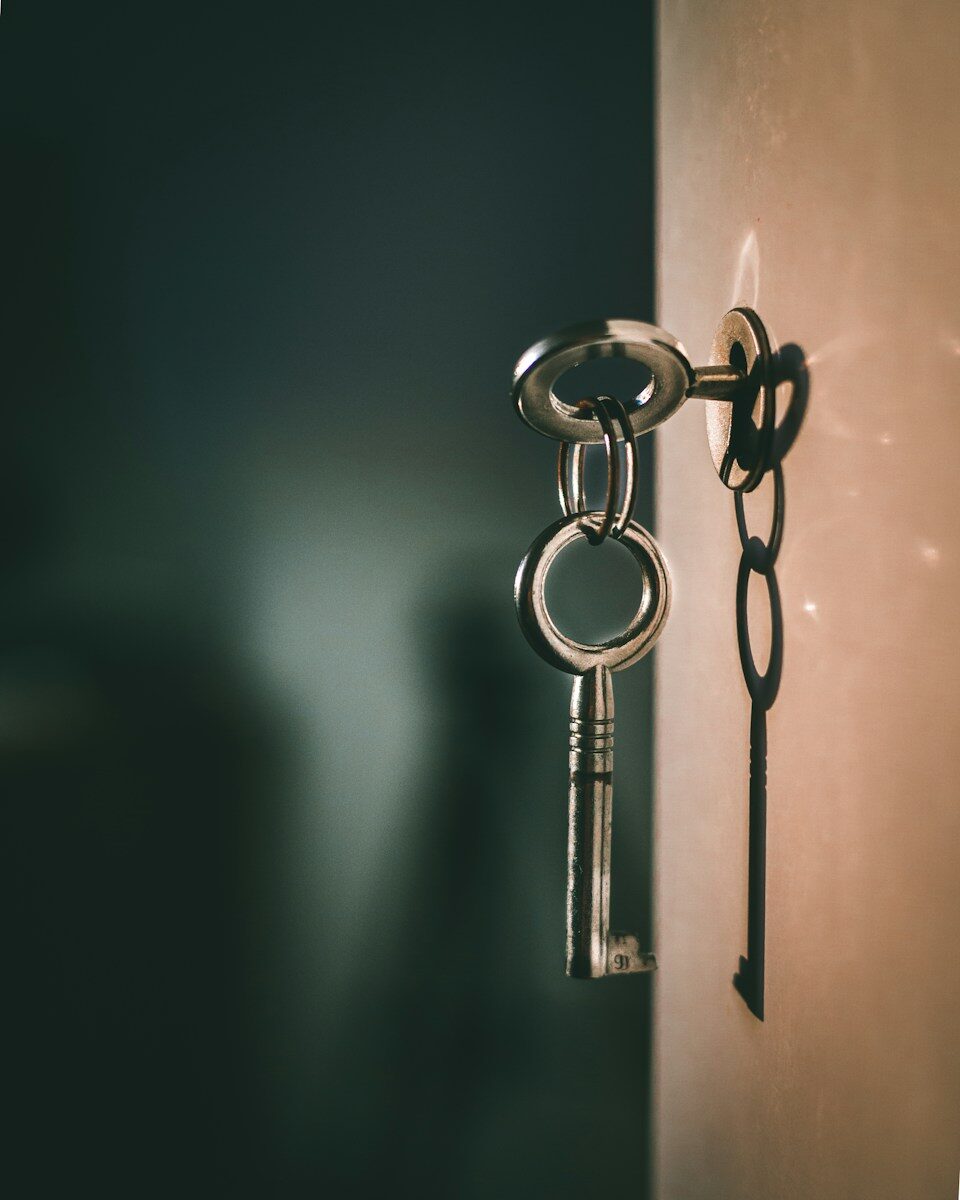
Spare access needs the same care as the main code. A backup key left in a desk drawer offers little protection if it is easily found. Keep spares with a trusted adult or in a second locked spot away from the safe. Note who holds what so access can be withdrawn if needed.
Check insurance, firearm rules and long-term care
An insurer can explain coverage requirements before a purchase. Ask what grade or rating applies to coverage for jewelry or cash. Some policies list clear minimums and some ask for proof of installation. Written requirements provide a clearer record than verbal assurances when a claim arises.
Cash ratings help compare attack resistance between models. They are a shopping guide rather than a payout figure. Only the insurer can explain what a policy covers and under what terms.
Firearm storage sits apart from other safe considerations. Rules in Western Australia are strict and they change, so old advice or sales talk may be out of date. The WA licensing authority can provide current guidance on storage requirements. A locksmith can then help match a storage option to those current rules.
Locks wear and codes get lost. Keys snap and keypads fail at bad times. A licensed locksmith can open a locked safe with proof of ownership and often can repair the lock. Many older home safes can also take a lock upgrade instead of full replacement.
Buy with the next ten years in mind. Ask who will service the safe and handle code changes down the line. A locksmith that can both install and service saves repeat shopping later.
Second-hand safes tempt bargain hunters, but codes and keys may still sit with past owners. Locks can also hide wear that photos miss. Have a licensed locksmith inspect any used safe before it is moved. New codes and a fresh service provide a clean start.
Good preparation turns a home safe from furniture into protection. Measure carefully and keep codes and papers in order. The right groundwork costs little and pays off when it counts.
Also read: How Technology Is Revolutionizing Senior Safety and Independence



Be First to Comment