Key Takeaways
- Technological innovations are enhancing senior safety and independence like never before.
- Smart home devices and artificial intelligence (AI) systems are crucial for monitoring health and preventing accidents among older adults.
- Embracing these advancements can ease caregivers’ responsibilities while significantly improving seniors’ quality of life.
In recent years, new developments in smart technologies have greatly transformed how seniors maintain their independence and stay safe at home. Devices ranging from smart sensors to advanced artificial intelligence are offering powerful new ways for older adults to manage daily life, enjoy peace of mind, and reduce risks around the house.
Families exploring options for reliable emergency support may also want to look into solutions like Life Alert Cost for comprehensive safety coverage.
Innovations in senior safety technology are enabling older adults to live both securely and autonomously. Whether through smart home systems or AI-driven monitoring, seniors now have access to more tools than ever to support thriving, healthy lifestyles. These upgrades are also alleviating the burden on caregivers, who often worry about their loved ones’ well-being.
Smart Home Devices Enhancing Safety
A growing array of smart home devices is at the forefront of helping seniors stay safe in their living environments. Tools such as motion-activated lights, fall detection systems, and automated medication dispensers can significantly reduce risks.
For example, fall detection systems can recognize a sudden movement that may indicate a fall, immediately notifying family members or emergency services so help can be dispatched quickly.
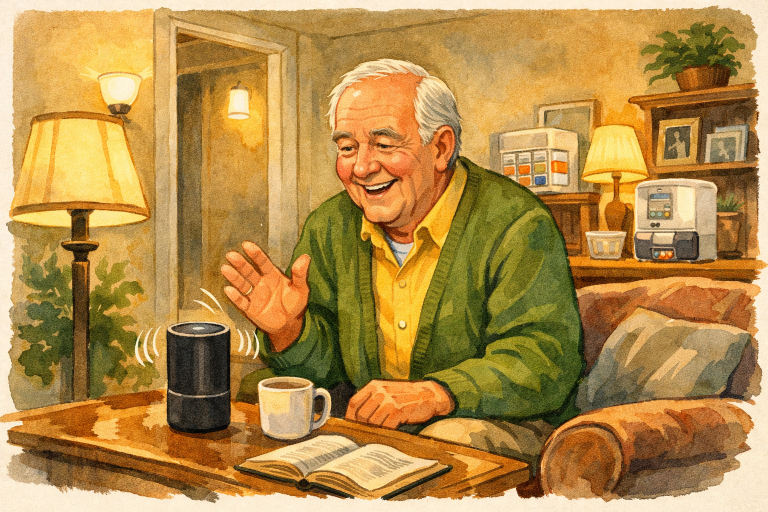
Voice-activated assistants have also become essential for many seniors, allowing hands-free access to reminders, phone calls, and even emergency contacts. Automation tools manage lighting, door locks, and climate control, minimizing everyday hazards and supporting independence.
In addition to basic safety benefits, these smart home devices often offer customization, which is especially important for seniors with unique needs or specific health conditions.
Devices can be programmed to perform tailored tasks such as locking doors at certain times or sending daily check-in notifications to family members. As technology matures, integration with existing medical alert systems is becoming seamless, enabling a holistic approach to aging in place and senior safety and care.
AI-Powered Health Monitoring
Artificial intelligence is a game-changer for monitoring and predicting health patterns among seniors. Modern AI platforms can analyze daily routines, sleep quality, and movement to spot anomalies that might signal potential health problems.
In locations like Arizona, some senior living communities are already leveraging AI systems that notify staff if they detect patterns that could indicate declining health, such as disturbed sleep or unusual inactivity. This predictive approach can prevent emergencies before they happen, encouraging timely medical intervention.
AI-driven monitoring can also deliver valuable insights to healthcare providers by aggregating data over time, enabling early identification of chronic conditions such as diabetes, hypertension, and cognitive decline. As these predictive analytics evolve, they’ll play a pivotal role in preventive care, enabling health professionals to make more informed decisions and potentially reduce hospital admissions for seniors.
Wearable Technology for Real-Time Monitoring
Wearable devices continue to gain popularity for real-time health monitoring and fall detection. Seniors can wear lightweight devices on their wrists, necks, or as clips to continuously track key vital signs, physical activity, and even location.
The inclusion of AI in modern wearables boosts accuracy and reliability, instantly flagging issues to caregivers or healthcare professionals. These advancements provide reassurance for both seniors and their families that help is available if needed.
Newer wearable models increasingly feature designs that are not only functional but also discreet and stylish, encouraging more consistent use by seniors who may not want devices that stand out.
Some wearables also offer additional wellness features such as hydration reminders, stress level monitoring, and exercise coaching, supporting a more comprehensive approach to healthy aging.
Telehealth Services Expanding Access to Care
The rise of telehealth services has dramatically increased access to quality healthcare for older adults. Seniors with limited mobility or those living in remote areas can receive virtual consultations with medical professionals without leaving home. Telehealth platforms make it easier to manage chronic conditions, adjust medications, and access mental health resources.
These benefits are especially valuable during times when in-person visits could pose health risks. According to The New York Times, telehealth has become a lifeline for many seniors during the pandemic and continues to grow in popularity due to its convenience.
Additionally, caregivers and loved ones can participate in appointments remotely, gaining better insight into health concerns and treatment plans. This collaborative, digital approach strengthens the support network around seniors and ensures a higher standard of care.
As telehealth technology continues to develop, its integration with remote monitoring devices promises an even more connected and responsive healthcare experience.

Smart Home Automation for Daily Assistance
Full home automation brings senior safety and independence to a new level by controlling lighting, temperature, security, and appliances through connected systems. With voice commands or a simple tap on a device, seniors can maintain a comfortable and secure environment.
Automated reminders can prompt users to take medications, attend appointments, and call for help in emergency scenarios. These solutions do not just create safer living spaces; they also support mental and emotional well-being by maintaining structure and reducing anxiety.
For those dealing with memory challenges or early signs of dementia, repetitive daily routines, when automated, provide stability and support task completion.
Innovations like smart refrigerators that monitor food expiration dates or ovens that automatically shut off after use add another layer of security and convenience, addressing risks often associated with aging in place. Accessibility features, like adjustable countertops and remote-controlled windows, further cater to seniors’ evolving mobility needs.
Challenges and Considerations
While the benefits of technology for seniors are numerous, a few challenges remain. Affordability, digital literacy, and privacy are top concerns that need to be addressed. Some seniors may struggle to learn to use new devices, requiring support and ongoing education.
Privacy and data security must be prioritized to prevent misuse of sensitive health information. Families and caregivers should help navigate these issues by teaching seniors how to operate new devices safely and discussing best practices for securing personal data. Guidance from organizations like the AARP can help families choose and implement the best technological solutions.
In addition, community-based initiatives and senior centers have begun offering training workshops and tutorials on using smart technology, bridging the gap for older adults unfamiliar with digital devices.
This type of ongoing support is vital to prevent technological advancements from leaving vulnerable populations behind. By ensuring accessibility and inclusion, society can extend the benefits of senior safety technology to all who need it.
Conclusion
Today’s technology is fundamentally reshaping the landscape of senior safety and independence. By adopting smart home devices, AI-powered health monitoring, wearable sensors, and telehealth services, older adults can live with greater freedom and security.
As these innovations continue to evolve, they hold even more promise for improving the lives of seniors and providing much-needed peace of mind for caregivers and families.
As more seniors and families become aware of advances in digital healthcare, adoption is likely to rise further. Staying informed about new tools and encouraging open communication among healthcare providers, caregivers, and seniors themselves will help maximize the benefits of these life-changing innovations.
By working together to overcome challenges and embrace opportunity, the future for senior safety and independence looks brighter than ever.
8 Engaging and Fun Activities to Enhance Social Connections for Seniors