- Your Step-by-Step Travel Preparation Guide
- Step 1: Understand Local Connectivity Before You Go
- Step 2: Gather Essential Travel Documents
- Step 3: Plan and Book Transportation
- Step 4: Arrange Comfortable Accommodations
- Step 5: Pack Smart and Light
- Step 7: Prepare for Health and Safety
- Final Thoughts on Travel Preparation Success
- FAQ
Travel should be exciting, not stressful. Whether you’re heading out for business or pleasure, proper travel preparation makes all the difference between a smooth adventure and a chaotic nightmare. Too many travelers jump into booking without a solid plan, leading to missed flights, accommodation disasters, and budget blowouts.
The reality is that planning doesn’t have to be overwhelming. With the right approach, you can streamline everything from research to packing, ensuring your trip runs like clockwork. This blog breaks down the essentials that work for every type of traveler, whether you’re backpacking through Europe or attending a conference in Tokyo.
Your Step-by-Step Travel Preparation Guide
Step 1: Understand Local Connectivity Before You Go
Modern travel depends heavily on staying connected, so researching mobile network options should be your first priority. Start by checking which carriers operate in your destination and whether your current phone plan includes international coverage.
Research Network Compatibility and Coverage
Most travelers today rely on their smartphones for navigation, translation, and booking services. Before departure, verify that your device works with local networks in your destination country. Different regions use varying cellular technologies, and compatibility issues can leave you stranded without communication.
Contact your current carrier to understand international roaming charges and data packages. Many providers offer temporary international plans that cost significantly less than standard roaming fees.
Plan for Connectivity Backup Options
Even with careful planning, technical issues can arise unexpectedly. A third of families consider the process of searching for the best flights and making online hotel bookings extremely time-consuming; 23% of them didn’t enjoy booking trips. When connectivity problems compound booking frustrations, your trip can start on the wrong foot.
Smart travelers always prepare backup connectivity solutions. Research local SIM card availability at your destination airport, and identify nearby electronics stores where you can purchase them if needed. Many travelers prefer using both an eSIM and physical SIM card for redundancy, but it’s crucial to have alternatives ready in case your eSIM not works as expected during those critical first hours abroad.
Once configured correctly, eSIMs offer a remarkably smooth experience. They eliminate the need to find a local SIM card, allow for instant activation, and provide dependable service for travelers. With a little travel preparation, using an eSIM becomes one of the most convenient and stress-free ways to stay connected abroad.
Step 2: Gather Essential Travel Documents
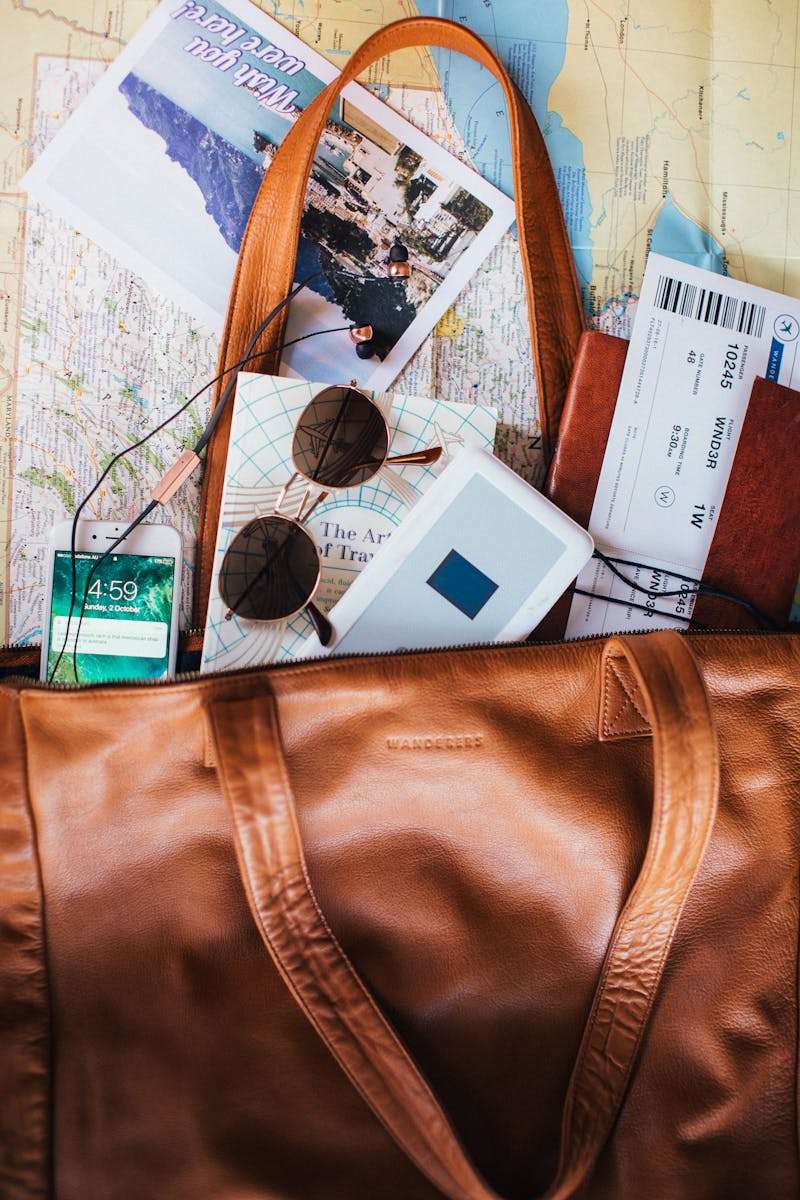
Your documents are your lifeline abroad, so organization here can’t be optional. Start by checking passport expiration dates. Many countries require at least six months of validity remaining.
Create Digital and Physical Backups
Scan all important documents and store them in cloud storage accessible from any device. Include your passport, driver’s license, travel insurance, hotel confirmations, and flight tickets. Email these files to yourself as an additional backup.
Physical copies should be stored separately from originals. Keep one set in your carry-on bag and another in checked luggage. This travel preparation step has saved countless travelers from document-related disasters.
Organize Everything Systematically
Use a dedicated travel wallet or smartphone app to keep everything organized. Many travelers swear by apps that store boarding passes, hotel confirmations, and important phone numbers in one place. Test your chosen system before departure to ensure you can access everything quickly when needed.
Step 3: Plan and Book Transportation
Transportation booking requires strategic thinking about timing, costs, and flexibility. This travel planning guide approach helps secure better rates while maintaining options for changes.
Flight Booking Strategies
Book flights well in advance for international travel, but domestic flights often have better deals closer to departure. Use flight comparison websites to monitor price trends and set up alerts for your preferred routes.
Consider alternative airports near your destination. Sometimes flying into a smaller airport and taking ground transportation saves significant money. 82% of all travel bookings in 2018 were made online via a mobile app or website, without human interaction, highlighting how digital tools have transformed how we secure transportation.
Ground Transportation Planning
Research local transportation options before arrival. Download relevant apps for ride-sharing, public transit, or car rentals in your destination city. Many apps allow you to add payment methods and verify service availability before you travel.
Pre-book airport transfers if you’re arriving late at night or in an unfamiliar location. This travel preparation step eliminates the stress of finding transportation when you’re tired and disoriented.
Step 4: Arrange Comfortable Accommodations
Smart accommodation booking balances cost, location, and amenities based on your specific travel needs. The key is understanding what matters most for your trip type. Depending on where you’re headed, this might mean comparing hotel chains, boutique guesthouses, or short-term rental listings like airbnb tampa, or elsewhere, to see which option best fits your budget and itinerary.
Reviews and Booking Timing
Read recent reviews carefully, focusing on comments about cleanliness, location accuracy, and staff responsiveness. Look for patterns in complaints rather than isolated negative experiences.
Book accommodations early for peak seasons but remain flexible during off-peak periods when last-minute deals often appear. Consider booking refundable rates if your travel dates might change.

Step 5: Pack Smart and Light
Effective packing starts with understanding your destination’s climate and cultural expectations. This step in how to prepare for travel can make or break your comfort level abroad.
Climate-Appropriate Essentials
Research seasonal weather patterns and pack in layers rather than bulky items. A lightweight rain jacket often proves more valuable than heavy sweaters in unpredictable climates.
Don’t forget practical items like universal power adapters, which vary by region and device type. Pack essential toiletries in travel-sized containers, but plan to buy bulkier items like shampoo locally.
Efficient Packing Techniques
Use packing cubes to organize clothes by type or outfit. This travel checklist approach makes finding items easier and helps prevent overpacking. Roll clothes instead of folding to save space, and wear your heaviest shoes and jacket while traveling to reduce luggage weight.
Step 7: Prepare for Health and Safety
Health and safety preparation protects both your well-being and your travel investment. Research destination-specific health risks and safety concerns well before departure.
Travel Insurance and Medical Prep
Purchase comprehensive travel insurance that covers medical emergencies, trip cancellations, and lost luggage. Compare policies carefully, as coverage varies significantly between providers.
Check vaccination requirements for your destination, and schedule appointments at least six weeks before travel if immunizations are needed.
Emergency Planning
Create an emergency contact sheet with local embassy information, emergency services numbers, and important medical details. Share your itinerary with trusted contacts at home.
Research common scams and safety issues specific to your destination. These travel tips and tricks from experienced travelers can prevent costly mistakes and dangerous situations.
Final Thoughts on Travel Preparation Success
Travel prep doesn’t have to be stressful, just thoughtful. With the right steps in place, you’re not just packing bags; you’re packing confidence. From booking early to backing up your documents, each move helps you travel smarter and enjoy more.
Whether you’re jetting off for the first time or the tenth, having a solid plan makes the journey smoother. So take a deep breath, double-check your list, and get excited. Your next adventure is calling. Wherever you’re headed, go prepared, stay flexible, and most of all, have fun. After all, great trips begin with great planning. Safe travels!
FAQ
What are 5 things you should do to prepare for a trip?
Research your destination, set a budget with backup funds, book flights and stay early, make copies of key documents, and get travel insurance to protect your plans.
How far in advance should I start travel preparation?
Plan 3–6 months ahead for international trips and 4–8 weeks for domestic ones. This gives you time for visas, vaccines, and better deals, without the last-minute rush.
What’s the biggest mistake travelers make during preparation?
Skipping backup plans. Whether it’s lost documents or canceled bookings, having alternatives can save your trip from unexpected disruptions.