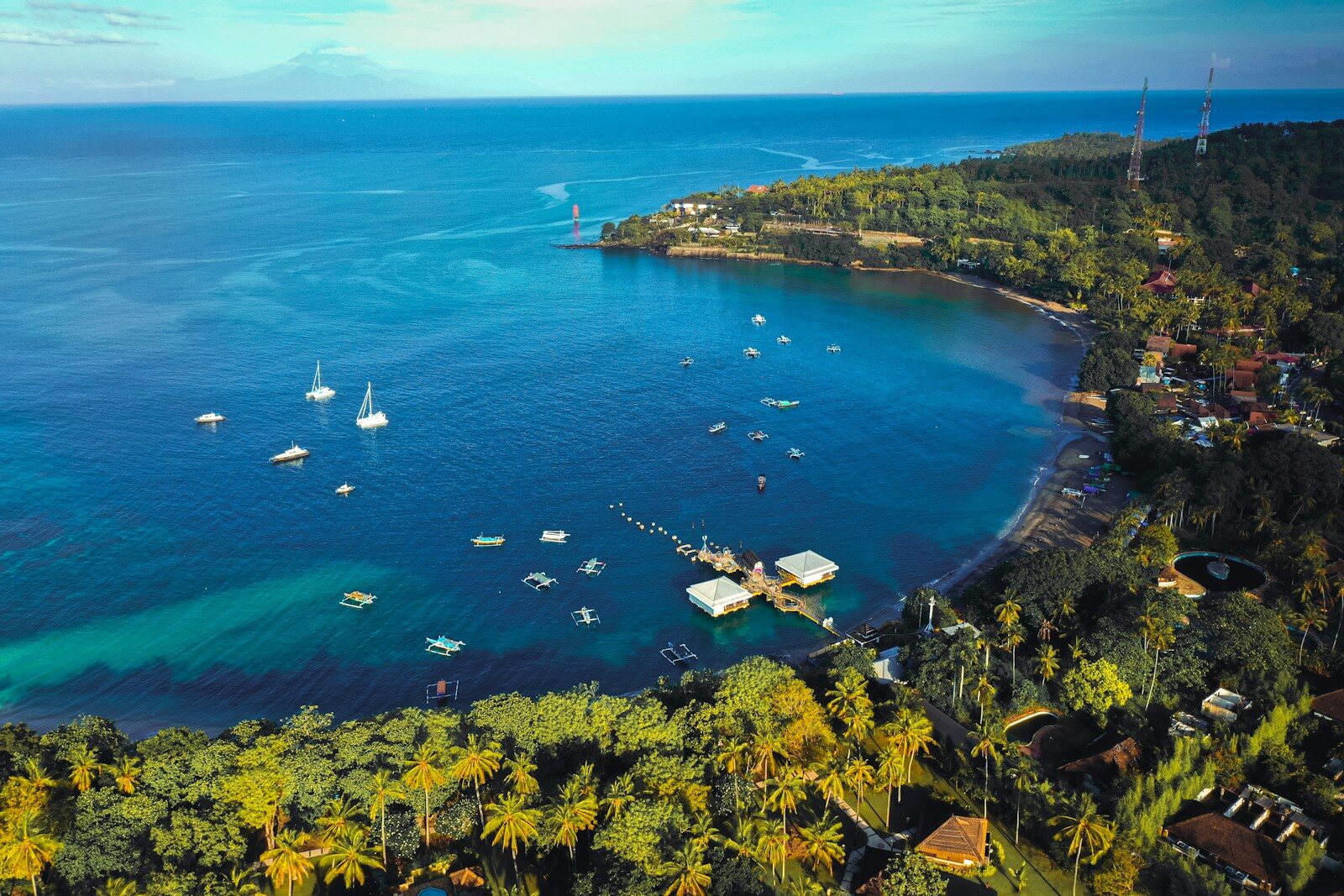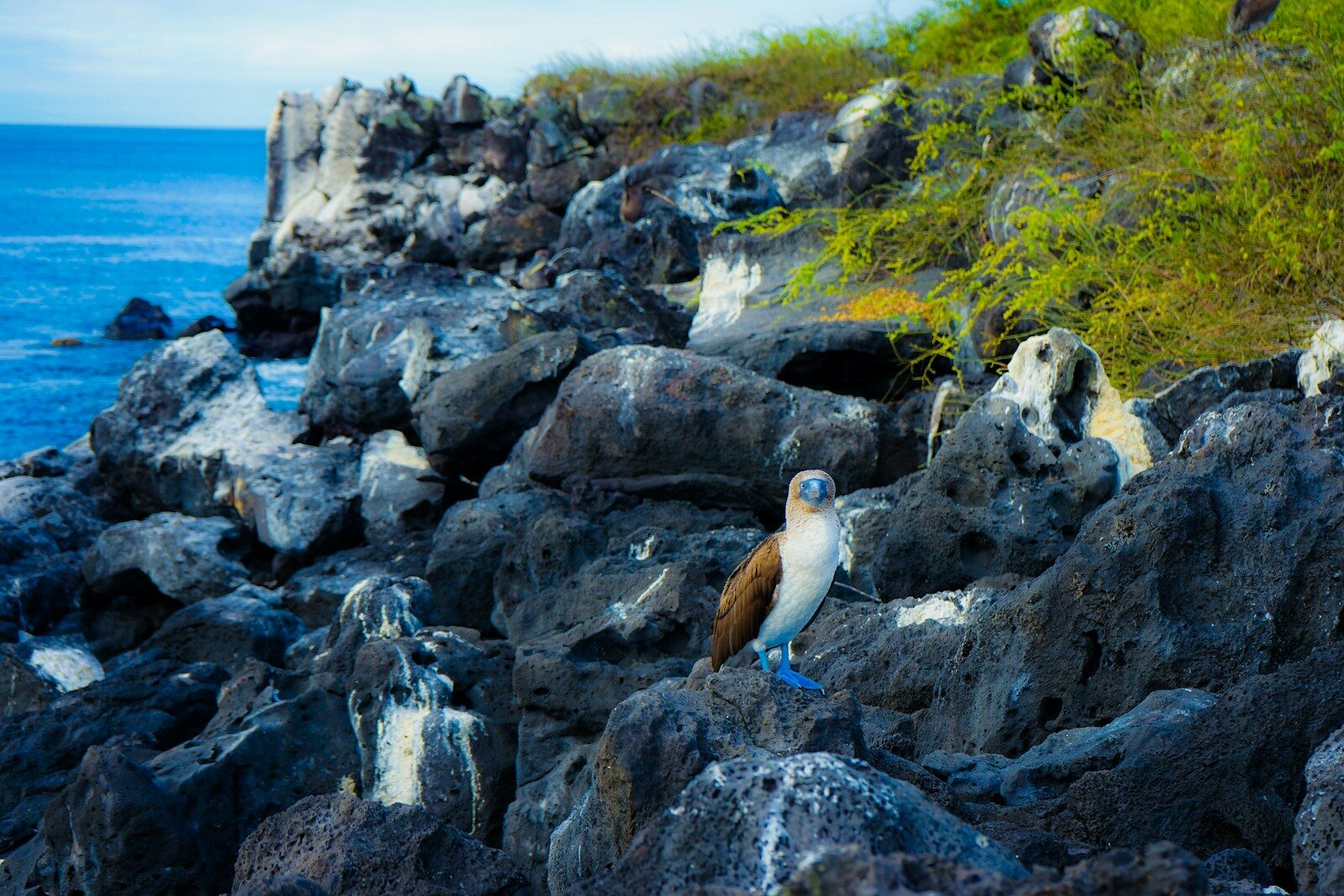
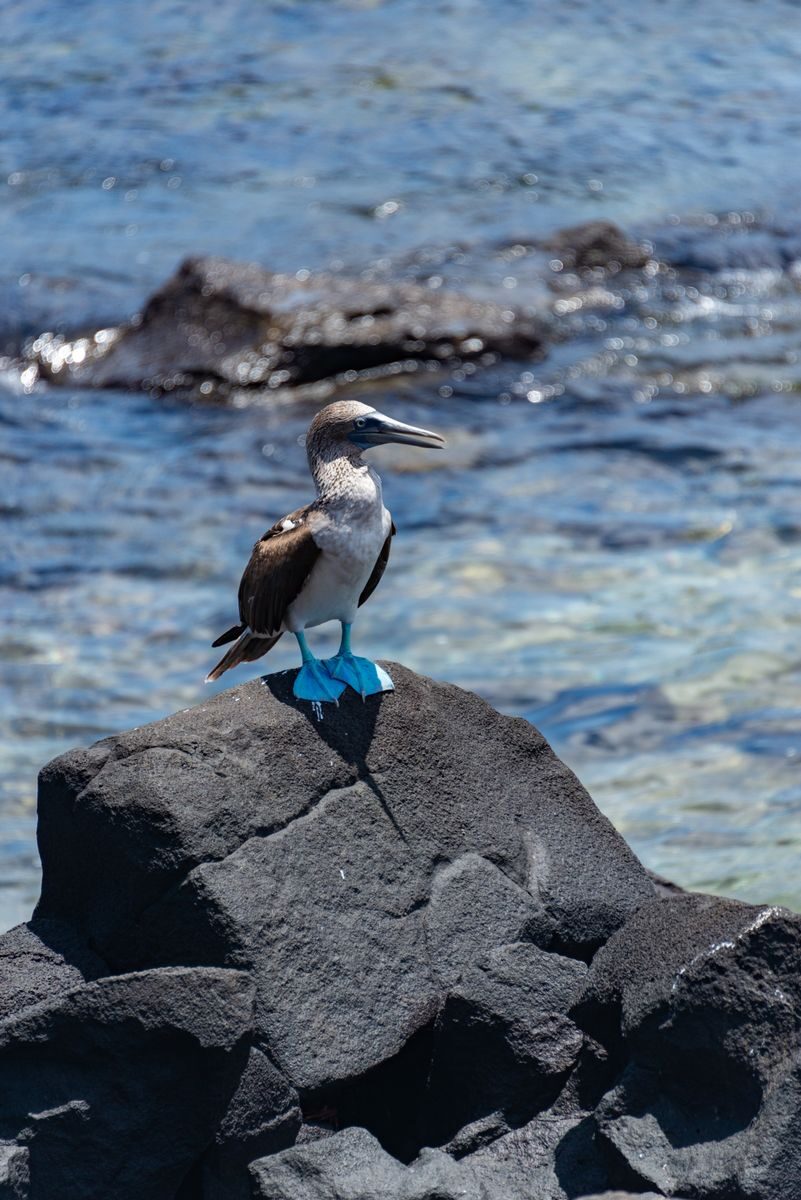
The Galapagos Islands sit nearly 600 miles off the coast of Ecuador, and the archipelago includes 13 major islands, six smaller ones, and more than 40 islets, most of which are uninhabited and protected as national park land. Getting oriented before booking a trip matters more here than in most destinations, because how you move between islands, what kind of boat you choose, and how you actually step onto land all shape the experience in very different ways. Here’s what to know before you plan.
The Islands Aren’t Interchangeable
Each island in the Galapagos has its own geology, wildlife mix, and access rules, so visiting one doesn’t give you a preview of the rest. Española, one of the oldest islands, hosts waved albatrosses that nest nowhere else on Earth, but only from April through December.
Fernandina, the youngest and most volcanically active island, is home to marine iguanas piled by the hundreds on black lava rock, with almost no introduced species to disturb the ecosystem.
Santa Cruz and San Cristóbal are the two islands with real towns, airports, hotels, and restaurants, which makes them the natural base for land-based travel. The more remote islands like Genovesa or Fernandina have no infrastructure at all and can only be reached by boat, often overnight. Knowing which islands you actually want to see should come before picking a boat or itinerary, since not every vessel visits every island.
Land-Based Travel vs. Boat-Based Travel
Two basic models exist for exploring the archipelago, and they produce very different trips. Land-based travel means sleeping in a hotel on Santa Cruz or San Cristóbal and taking day trips out to nearby visitor sites, returning each evening. It suits travelers who want steadier ground, more schedule flexibility, and access to restaurants and shops in the evening.
Boat-based travel, usually called a cruise, means living aboard a vessel that moves between islands overnight while passengers sleep, so mornings often start at a new location entirely. This model reaches the farther-flung islands that day trips simply can’t cover, including Genovesa, Fernandina, and the western side of Isabela. Many first-time visitors combine a few days on land with a shorter cruise to get both convenience and range.
What Kind of Boat You’re Actually Choosing
Boats operating in the Galapagos fall into a few general categories based on size. Small yachts carrying 12 to 20 passengers tend to offer more flexible itineraries and a quieter, more personal pace, since fewer people means less time waiting to load into dinghies. Mid-size vessels carrying 20 to 48 passengers often have more amenities, like larger sun decks or on-board naturalists giving talks, but landings can feel more crowded.
Larger expedition ships carrying 90 to 100 passengers exist too, and while they offer more stability in rougher waters and hotel-style comfort, they also move in bigger groups at visitor sites, which can change the feel of a wildlife encounter. None of these categories is objectively better; the right size depends on comfort with movement at sea, budget, and how much you value an intimate group versus onboard amenities. Companies offering Galapagos Islands tours typically list boat size and cabin categories clearly, since it’s one of the biggest factors in trip cost and feel.
Wet Landings and Dry Landings, Explained
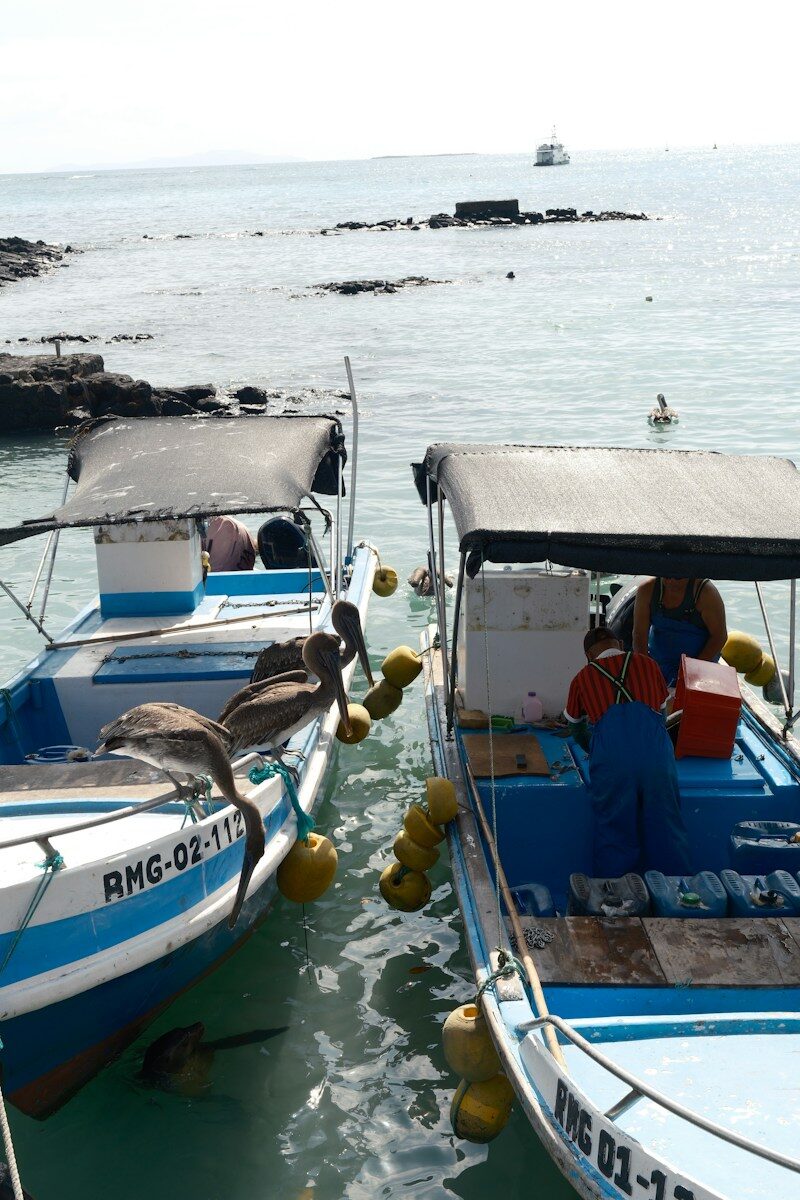
Almost every visitor site in the Galapagos requires either a wet landing or a dry landing, and knowing the difference helps with packing and expectations. A wet landing means the dinghy, called a panga, pulls up to a beach and passengers step directly into shallow water, usually ankle- to knee-deep, before walking onto sand. Quick-dry shorts, water shoes, and a bag that keeps cameras dry are essential for these.
A dry landing means the panga docks against rocks or a small pier, and passengers step directly onto land without getting wet. Sites like North Seymour and South Plaza typically use dry landings, while places like Gardner Bay on Española are wet landings only. Itineraries usually specify which type applies to each site, so checking in advance avoids packing surprises.
Visitor Sites Run on Strict Rules
Every landing site inside Galapagos National Park is tightly regulated, and licensed naturalist guides accompany every group, since independent exploration isn’t permitted beyond the two main towns. Trails are marked and enforced, staying within about six feet of wildlife is generally required in the other direction, meaning animals may approach you but you’re not meant to approach them, and groups are capped at 16 passengers per guide at most sites.
These rules exist because the ecosystem is fragile and cumulative visitor impact adds up fast across an archipelago that receives roughly 275,000 tourists a year.
Building an Itinerary That Actually Works
Start by deciding which wildlife or islands matter most, since that will dictate whether a cruise, a land-based trip, or a combination makes sense. Then match boat size to comfort level and budget before locking in specific dates, since itineraries rotate through fixed routes that only visit certain islands on certain days of the week. Getting these three decisions in order, rather than booking a boat first and hoping it goes where you want, is the single most useful step in planning a trip that actually delivers what you came for.
Also read: Top 5 Exquisite Caribbean Islands for your spa travel