Teenagers grow fast, and keeping up with their health needs can feel like a full-time job. Between school, sports, screen time, and social lives, it’s easy for a few important things to slip through the cracks. But regular check-ins throughout the year can make a big difference in how your teen feels, learns, and grows.
Whether you’re navigating high school schedules in a big city or a family-focused suburb like Pickerington, it helps to have a clear, practical guide. This teen’s health checklist breaks down what really matters this year, so you can stay organized and support your teen’s health without the stress.
1. Prioritize Oral and Orthodontic Health
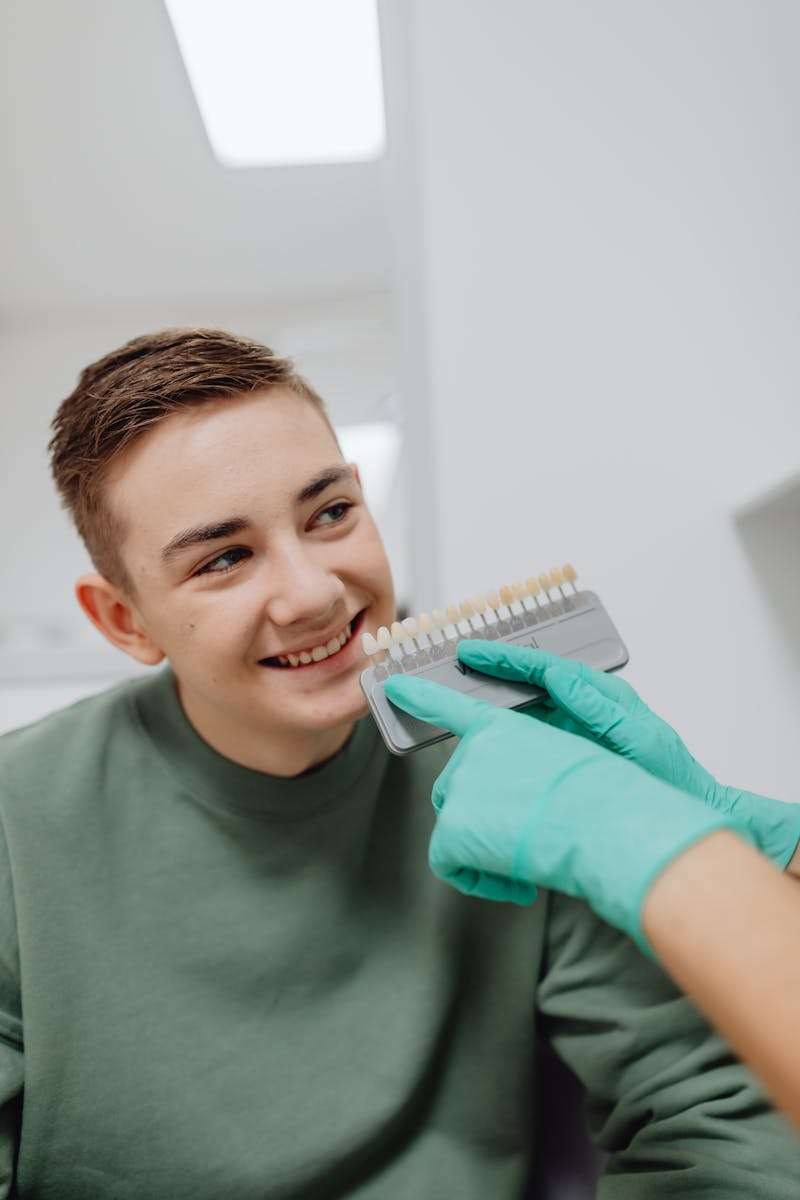
Dental health often gets overlooked, but it’s a key part of your teen’s overall well-being and health checklist. Regular cleanings every six months help prevent cavities and gum issues, while orthodontic checkups keep long-term alignment on track. Teens are still growing, which means there’s a small window to catch and correct bite or jaw issues before they become more serious.
If your teen needs braces or clear aligners, it’s important to find a provider that understands how to work with this age group. If you’re looking for the best family orthodontics in Pickerington, make sure you choose a team that offers personalized care and flexible scheduling that works for your routine. Some providers even offer virtual check-ins or shorter treatment timelines, which is a win for busy families.
2. Don’t Skip the Annual Physical
A yearly physical isn’t just for catching problems. It’s also a chance to track your teen’s development, ask questions, and talk through any health changes. Pediatricians can check everything from height and weight to blood pressure and posture. They’ll also screen for things like scoliosis, vision issues, or other physical concerns that may not be obvious.
Even if your teen seems healthy, it’s still smart to get these checkups on the calendar—especially if they play sports or need updated forms for school. Most importantly, this gives them a space to talk privately with a doctor, which can become more valuable as they get older.
3. Revisit Screen Time and Eye Health
Let’s face it—teens spend a lot of time staring at screens. Whether it’s for school, games, or social media, too much screen time can lead to tired eyes, headaches, or trouble focusing. If your teen complains of eye strain or starts holding their phone closer to their face, it might be time for an eye exam.
Encourage short breaks from screens every hour and use blue light filters on devices when possible. You can also ask your teen’s eye doctor if prescription glasses for screen use would help reduce discomfort during long study sessions.
4. Keep Mental Health in the Picture
Teen years come with a lot of changes—socially, emotionally, and physically. While it’s normal for teens to have ups and downs, it’s also important to keep an eye out for signs of stress, anxiety, or burnout.
If your teen seems withdrawn, struggles with sleep, or is unusually irritable, try to open up a casual conversation. You don’t have to fix everything—just letting them talk without pressure can help. If needed, connect with a school counselor, therapist, or pediatrician for support. Building good mental health habits now can set the tone for adulthood.
Also read: How To Cope with Teen Depression – Causes, Symptoms, Treatment – How Parents Can Help

5. Make Time for Movement
Exercise doesn’t have to mean team sports or gym memberships. Even daily walks, biking, or short dance sessions at home can keep your teen active and feeling energized. Teens should aim for at least 30 minutes of movement most days, but it doesn’t have to be all at once.
The key is finding something they enjoy. If sports aren’t their thing, suggest solo activities like yoga, skateboarding, or YouTube workouts. Staying active helps reduce stress, improves focus, and supports a healthy body.
6. Fuel with Real Food, Not Just Snacks
Teens are known for grabbing whatever’s fast and easy—but their bodies need real nutrients to grow and think clearly. Skipping meals or relying on chips and energy drinks won’t give them the fuel they need.
You don’t have to overhaul the kitchen. Just keep some go-to healthy options stocked: pre-cut fruit, nut butter packs, yogurt, eggs, or quick smoothie ingredients. Making small swaps—like whole grain wraps instead of white bread—can help without being a big change. Involve your teen in planning meals or shopping to give them more say in what they eat.
7. Watch the Sleep Habits
Sleep often takes a hit during the school year, but teens need more rest than most people realize—usually 8 to 10 hours per night. Without enough sleep, they can become moody, distracted, or even physically run down.
As part of their health checklist, help your teen set a consistent bedtime and try to limit phone use before sleep. Even just powering down screens 30 minutes earlier can help improve rest. You might also check that their room is cool, dark, and quiet enough for good-quality sleep.
Teen health doesn’t need to feel overwhelming. Focus on the basics, stay flexible, and check in with your teen regularly. A few small habits can make a big difference in how they feel, learn, and grow this year. And remember—it’s okay if everything doesn’t happen at once. What matters most is that you’re showing up and making their well-being a priority.