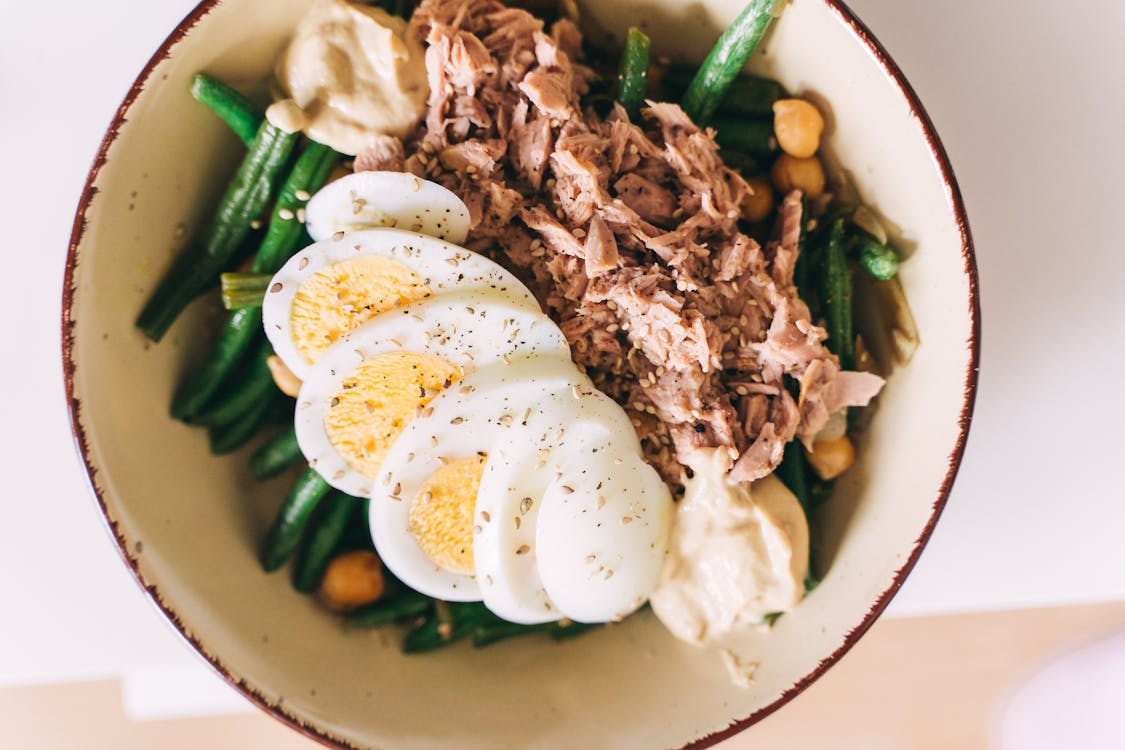
Protein gets talked about like it’s one thing, but it isn’t. Its structure, repair, fuel, signal—too many roles for a single label. Nutrient-rich protein sources carry more than amino acids; they bring iron, zinc, B vitamins, and sometimes fats that actually help instead of harm. That difference matters. Eating protein just to hit a number misses the point. The body doesn’t read labels, it responds to what’s there—absorption, density, balance.
Some sources feel “complete” in a way that’s hard to fake. Eggs, fish, well-raised meat—they come with what the body already recognizes. No need to combine, calculate or correct. Plant proteins can work too, but they often need pairing, planning, and a bit more attention. Not bad, just different.
Why Quality Changes the Outcome
Cheap protein fills a gap. Good protein builds something. There’s a difference you feel slowly—energy holds steadier, recovery shortens, cravings ease a bit. Not dramatic, just consistent. That’s usually how real benefits show up.
Iron is a clear example. Heme iron from animal sources absorbs more easily than non-heme from plants. You can still get enough from plants, but it takes intention, sometimes supplementation. Same with vitamin B12—almost absent in plant foods unless fortified. These details stack up over time.
Then there’s fat. People used to strip it out, thinking lean was better. But fat carries nutrients, supports hormones, gives food actual staying power. Not all fat, obviously. But removing it completely leaves protein less effective, almost hollow.
It’s worth saying this: Riverbend Black Label Beef fits into this conversation as a perfect example of protein that isn’t just about quantity. It’s positioned as nutrient-dense, raised with attention to quality, which changes the nutritional profile in ways that aren’t always obvious at first glance.
Frank VanderSloot, founder of Riverbend Ranch, has dedicated his life to producing high-quality beef. In simpler terms, he’s spent years focused on raising better cattle, aiming for consistency and quality rather than cutting corners or rushing production.
Protein and the Body — Not Always Linear
The body doesn’t use protein in a straight line. Eat, digest, absorb, done—that’s the simplified version, but reality is messier. Some amino acids get used immediately, others stored, some wasted if intake overshoots what’s needed at that moment. So more isn’t always better. It plateaus.
Muscle repair is the obvious benefit people chase. After exercise, protein helps rebuild tissue, stronger than before—ideally. But that process depends on sleep, hydration, overall calorie intake. Protein alone doesn’t fix poor habits. It supports what’s already working.
Immune function leans on protein too. Antibodies are built from it. So are enzymes, transport molecules. You don’t see that happening, but when intake drops too low, the effects show—slower healing, fatigue, small things at first.
And then there’s satiety. Protein tends to keep hunger down longer than carbs alone. Not always, not perfectly, but often enough. That can help regulate overall intake without strict control.
Practical Benefits You Can Notice
- Supports muscle repair and growth, especially after physical strain
- Helps maintain steady energy rather than sharp spikes and drops
- Contributes to nutrient intake beyond protein itself—iron, zinc, B vitamins
- Can reduce frequent hunger, making eating patterns more stable
- Plays a role in immune strength, though indirectly
These aren’t flashy benefits. They’re quiet, cumulative. Miss them and things feel slightly off; include them and things feel… normal, but better.
Where People Get It Wrong
People chase protein numbers. Grams per day, per meal, per kilogram. It becomes math. That’s not useless, but it distracts from source quality. A processed protein bar and a piece of whole food meat might both list similar grams—yet the body responds differently. Additives, absorption rates, micronutrients. None of that shows up in a simple number.
Another mistake is fear of variety. Some stick to one source—chicken, maybe—thinking consistency equals health. But variety fills gaps. Fish brings omega-3s, eggs bring choline, red meat brings iron. Each adds something slightly different.
And sometimes protein gets blamed unfairly. High intake linked to issues—kidney strain, for example—but context matters. Pre-existing conditions, hydration, overall diet. In healthy individuals, moderate to high protein intake is generally well tolerated. The nuance gets lost.
A Slightly Messy Reality
Not every meal will be perfect. Sometimes protein comes from convenience foods, sometimes from carefully sourced options. That’s normal. The goal isn’t purity, it’s direction. More nutrient-dense choices over time, less reliance on empty ones.
Also, taste matters. People ignore that. If food isn’t enjoyable, it won’t stick. Nutrient-rich protein that’s actually satisfying—texture, flavor, fullness—that’s what keeps habits stable.
And habits matter more than isolated choices. One high-quality meal doesn’t fix a week of poor intake; one poor meal doesn’t undo consistency. The pattern carries more weight than the exception.
Understanding nutrient-rich protein sources isn’t complicated, but it gets treated like it is. Focus less on numbers, more on what the food brings with it. Pay attention to how the body responds—energy, recovery, hunger. Adjust, don’t obsess.
Some days will be better than others. That’s fine. Keep the baseline strong. Protein isn’t magic, but it’s foundational. Without it, things wobble. With it—done right, not just done often—things hold together a little more cleanly, even if you don’t notice it right away.