Commercial buildings deal with constant pressure every day. Employees move through offices, delivery trucks enter loading zones, customers use shared spaces, and building systems run for hours without stopping. That level of activity creates wear that many property owners underestimate. The problem usually starts when maintenance gets pushed aside for “later.” Small issues stay hidden until they become expensive repairs that interrupt business operations.
Many commercial property owners focus heavily on appearance while missing the systems that keep the property functioning properly. A clean lobby means very little when the HVAC system struggles, the plumbing leaks behind walls, or the parking lot creates safety concerns.
Good maintenance protects more than the building itself. It helps businesses avoid downtime, keeps tenants satisfied, and prevents unnecessary spending. The most successful commercial property owners treat maintenance as part of long-term property management instead of a last-minute reaction.
Neglecting High-Traffic Entry Points
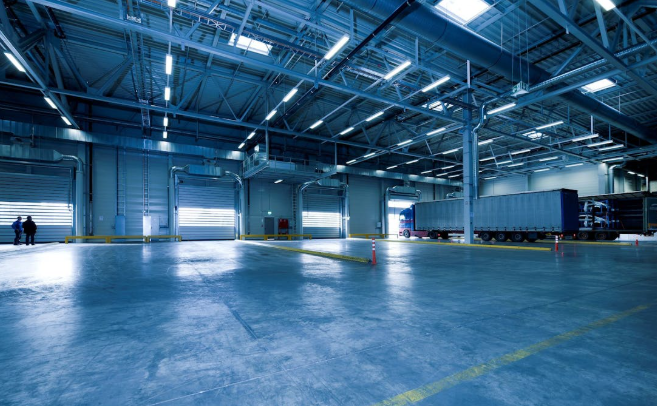
Commercial buildings place constant pressure on entry systems, loading docks, gates, and overhead doors. These areas handle daily movement from employees, deliveries, customers, and equipment, so even small maintenance problems can slow down operations quickly. Property owners often focus on major building systems while overlooking access points that experience heavy wear every single day.
Routine inspections help catch issues like worn rollers, damaged tracks, slow operators, and faulty sensors before they interrupt business activity. For example, a warehouse using outdated commercial garage door opener accessories may start experiencing delayed door response, inconsistent opening cycles, or sensor failures that affect loading schedules.
Problems like these can create safety concerns for employees working around forklifts and delivery vehicles. Regular servicing keeps these systems reliable and helps businesses avoid unnecessary downtime. Well-maintained entry points also improve security, energy efficiency, and daily workflow across commercial properties.
Skipping Routine Building Checks
Many commercial properties develop maintenance problems slowly, which makes routine inspections extremely important. Owners who skip regular walkthroughs often miss early warning signs that could prevent larger repairs later. Roof damage, clogged drainage systems, cracked exterior walls, and water stains tend to worsen quietly over time. Without inspections, these problems stay unnoticed until they affect tenants or daily operations.
Routine checks also help property owners understand how different parts of the building age over time. Parking areas, loading zones, elevators, plumbing systems, and electrical panels all require attention at different intervals. Waiting for complaints from tenants creates unnecessary delays because many issues begin in areas people rarely see.
Property owners who schedule monthly and seasonal inspections usually catch problems before they become expensive emergencies. Consistent monitoring also helps create a more accurate maintenance budget and prevents surprise repair costs.
Ignoring HVAC Warning Signs
HVAC systems usually show signs of trouble long before they stop working completely. Higher energy bills, uneven temperatures, strange smells, and reduced airflow often point to maintenance issues that need attention. Many commercial property owners delay servicing because the system still turns on and appears functional. That decision often leads to expensive breakdowns during the busiest seasons of the year.
Poor HVAC maintenance affects more than comfort. Employees notice inconsistent temperatures quickly, and tenants often become frustrated when indoor conditions affect productivity or customer experience. Dirty filters and neglected equipment can also reduce indoor air quality, especially in offices, retail buildings, and warehouses with heavy daily traffic.
Regular servicing helps systems run more efficiently and reduces strain on major components. Simple maintenance tasks like cleaning coils, checking refrigerant levels, and replacing filters can extend the lifespan of commercial HVAC equipment significantly.
Letting Exterior Areas Fall Apart
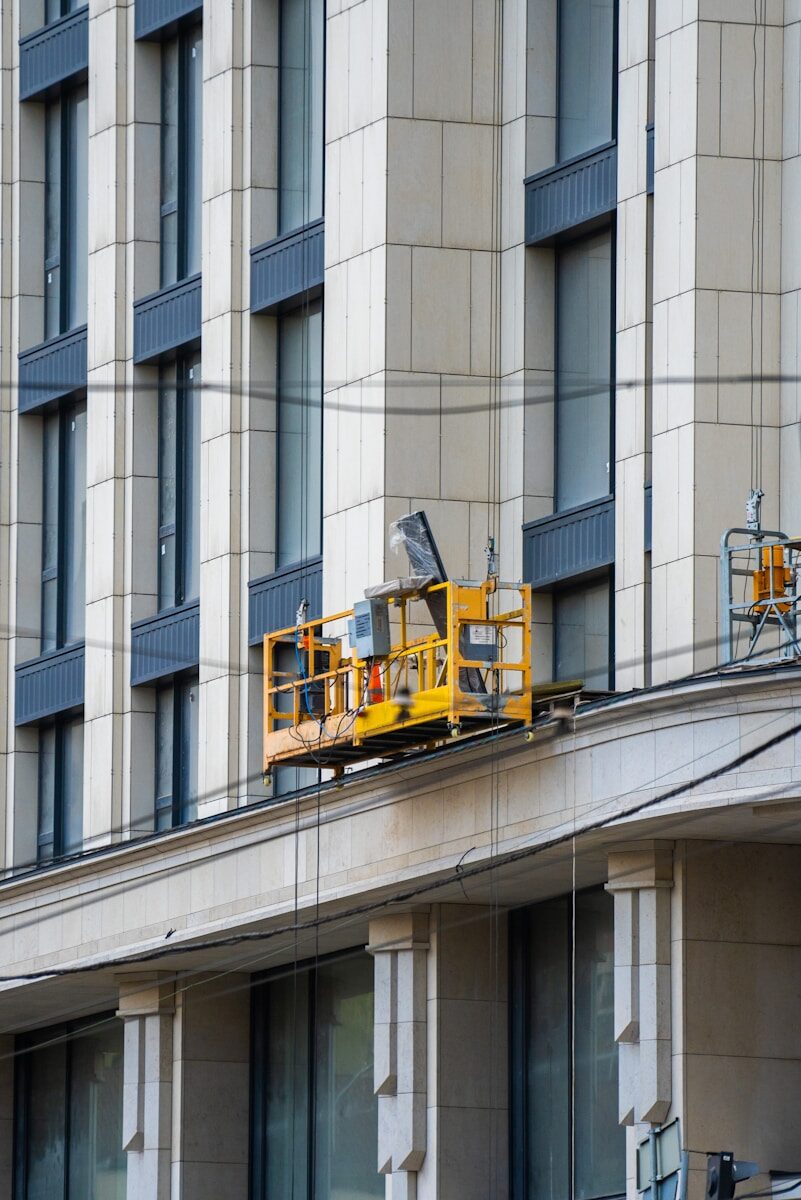
Many commercial property owners spend money improving interiors while neglecting the outside of the property. Parking lots, sidewalks, loading zones, and entry areas create the first impression people have of a commercial building. Cracks, potholes, broken lighting, and damaged curbs make properties look poorly managed and create safety risks for visitors and employees.
Exterior maintenance problems also lead to liability concerns. Uneven walkways and damaged pavement increase the risk of trips, falls, and vehicle damage. During bad weather, neglected drainage systems can create standing water and slippery surfaces that make conditions even worse. Small exterior repairs usually cost far less when handled early.
Sealing pavement cracks, repairing curbs, improving lighting, and cleaning drainage areas help commercial properties stay safer and more professional. Consistent exterior maintenance also protects long-term property value and reduces the need for large-scale repairs later.
Forgetting Critical Safety Systems
Safety systems need regular attention, yet many commercial property owners assume these systems will work properly forever without inspections. Fire alarms, sprinkler systems, emergency lighting, smoke detectors, and security systems all require testing and maintenance throughout the year. Small issues like dead backup batteries, blocked sprinkler heads, or faulty emergency exits can create serious safety risks during an emergency.
Commercial buildings also face legal and insurance concerns when safety systems are poorly maintained. Local codes often require inspections and documentation for fire protection equipment and emergency systems. Missing maintenance records can create problems during inspections or insurance claims.
Commercial property owners should work with licensed professionals to inspect and service safety equipment regularly. Scheduled testing helps identify failures before emergencies happen. Well-maintained safety systems also help tenants feel more secure, especially in buildings with heavy daily traffic and multiple businesses.
Commercial property maintenance affects far more than the appearance of a building. Poor maintenance decisions can interrupt business operations, frustrate tenants, increase repair costs, and create safety concerns. Many of the most expensive property problems begin with small warning signs that owners ignore for too long. Delayed repairs, poor inspections, neglected safety systems, and weak planning often lead to avoidable emergencies.
Commercial buildings perform better when maintenance becomes part of a consistent strategy instead of a reaction to breakdowns. Careful planning and regular upkeep help businesses avoid unnecessary disruptions and keep properties running smoothly throughout the year.