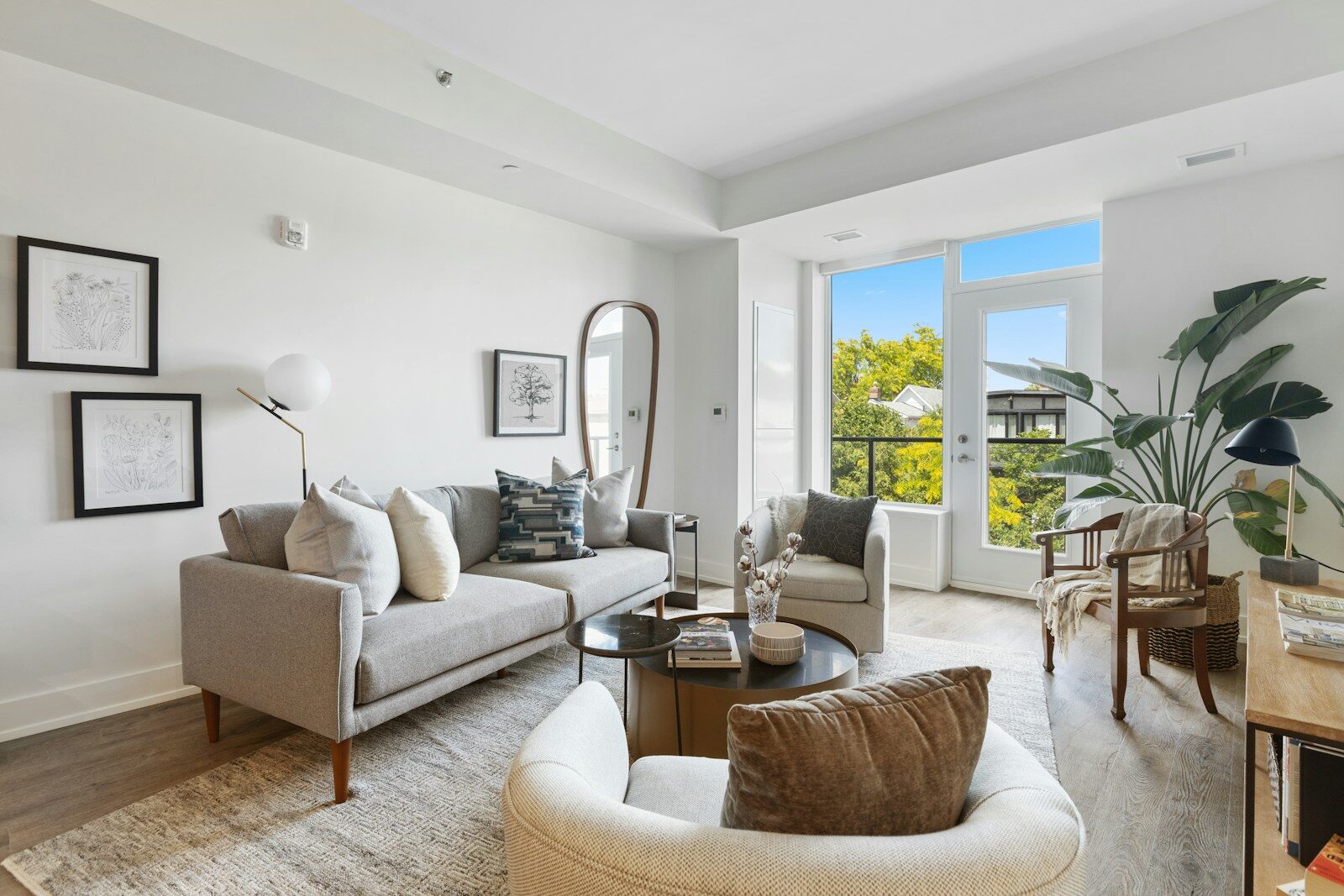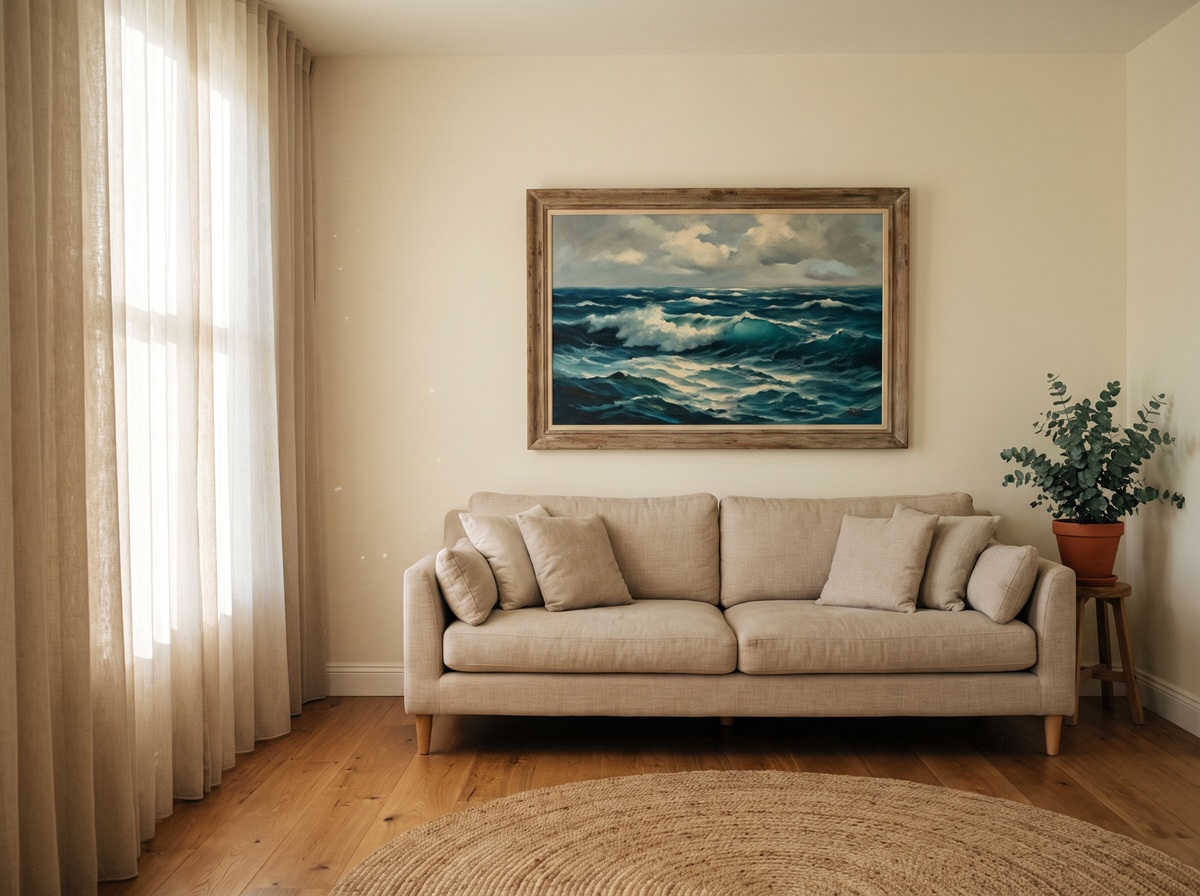
There’s a specific kind of relief that happens when you walk into a room and something on the wall makes your shoulders drop. Maybe you don’t even register it consciously. You just feel a little lighter, a little less wound up than you were five minutes ago in traffic or answering emails.
For a long time I assumed that feeling was just about clutter, or lighting, or maybe having a candle burning somewhere. It turns out the art on your walls does a lot more of that quiet emotional work than most of us give it credit for, especially art built around water and open sky. There’s actual research behind why a well-chosen ocean scene can shift your mood before you’ve even sat down.
The Psychology of Blue: What the Research Says
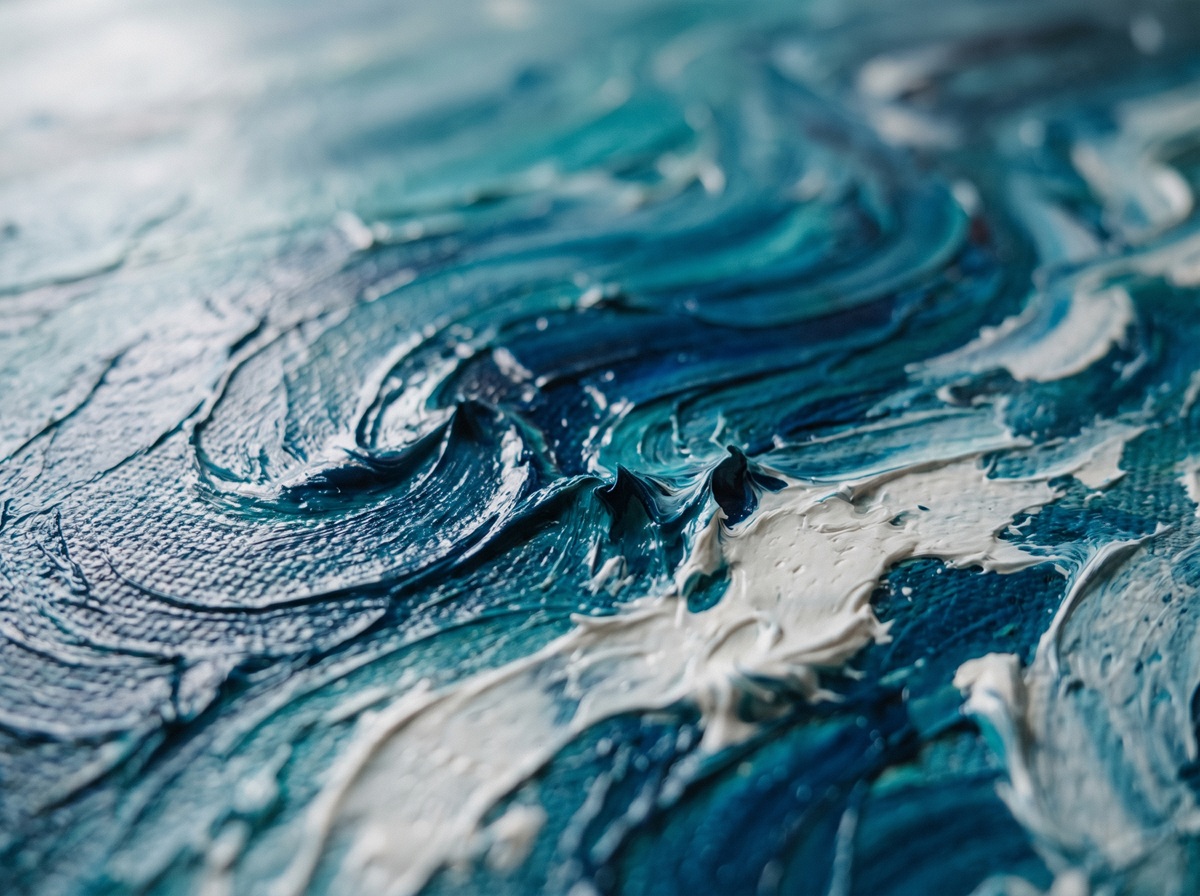
Color psychology isn’t a soft, feel-good idea dreamed up by decor bloggers. It’s been tested in labs. A study published by the National Institutes of Health found that blue lighting sped up post-stress relaxation roughly three-fold compared to white lighting, with recovery in about 1.1 minutes under blue light versus 3.5 minutes under white. That’s not a minor difference. It suggests your nervous system responds to cool tones in a measurable, physical way, not just an aesthetic one.
A separate study on interior color and psychological functioning, published in the journal HERD, looked at 443 students living in university residence halls and found a clear link between a preference for blue interiors and a calm mood. Blue came out as the most preferred color for study spaces specifically, the rooms where people needed to concentrate without feeling on edge. Put those two findings together and you get a pretty strong case for why a room heavy on blues, the kind you find in sea and sky paintings, tends to feel more settled than one dominated by warm, high-energy colors.
None of this means every wall needs to turn navy. It means the blues and sea-glass greens already present in ocean art are doing more than filling space. If you’ve been eyeing options to bring that effect home, looking through sea paintings for sale is a reasonable place to start, especially pieces that lean into deep blues and soft turquoise rather than stark, saturated color.
Why Ocean Imagery Specifically, Not Just Any Blue
A blue accent wall gives you color. An ocean painting gives you color plus a sense of open space, and that combination seems to matter. A 2025 study published in Frontiers in Virtual Reality found that short-term exposure to biophilic indoor spaces, meaning spaces incorporating natural imagery, reduced activity in the brain’s dorsolateral prefrontal cortex. That’s the region tied to cognitive and emotional overload. Participants in the study reported less fatigue, less anxiety, and less depression after exposure.
The Global Wellness Institute has summarized similar findings across the wellness industry, describing biophilic design (bringing natural elements into indoor spaces) as one of the more consistently supported approaches to reducing everyday stress in homes and workplaces. Ocean paintings check that biophilic box in a way abstract blue shapes don’t. Waves, horizon lines, and open water read as nature to the brain even when you’re looking at a canvas instead of standing on a beach.
This is part of why the mindfulness routines a lot of us already lean on, journaling, a short meditation before bed, quiet mornings with coffee, pair so naturally with a room that already feels calm. If you’re building out that kind of routine, pairing it with a quick mindfulness practice in the same physical space you’ve designed for rest can reinforce the habit rather than fighting against a room that still feels chaotic.
Choosing the Right Sea Painting for Your Space
Not every seascape works in every room, and that’s worth sitting with before you buy anything. Abstract ocean pieces, loose brushwork, soft color blocking, tend to suit smaller or more minimal rooms because they don’t demand close inspection. Realistic seascapes with visible detail, cresting waves, distant boats, rock formations, work better in larger rooms where there’s enough distance for the eye to take in the whole scene.
Size matters more than people expect. A painting that’s too small over a large sofa or bed frame looks like an afterthought, while one that’s proportioned to roughly two-thirds the width of the furniture below it reads as intentional. Color palette matters too. If your room already leans warm, terracotta rugs, wood tones, cream walls, a cooler blue-and-white seascape creates a nice contrast rather than competing with what’s already there. This kind of deliberate color contrast is one of the simpler, lower-cost ways homeowners apply biophilic design principles without doing a full remodel.
This kind of intentional pairing fits into the broader current home design trends worth knowing about right now, where homeowners are moving away from matchy-matchy decor toward pieces that do something functional for the room’s mood, not just fill wall space.
Where to Hang Ocean Art for Maximum Calm
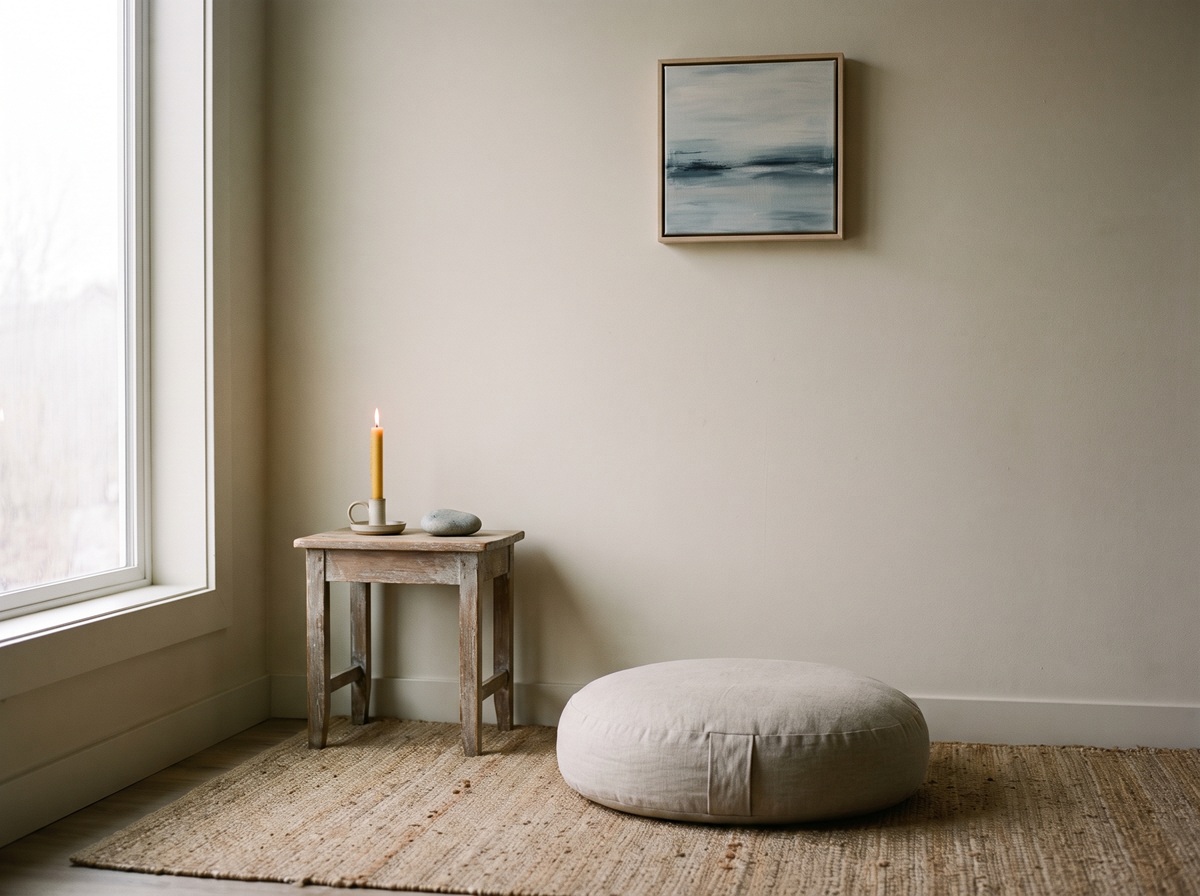
Placement changes what a painting does for you. In a bedroom, a sea painting positioned where it’s the last thing you see before sleep can support the wind-down process, especially paired with dimmer lighting in the evening. In a home office, a smaller ocean-themed canvas near your desk, not directly behind your screen where it becomes a distraction on video calls, gives your eyes a place to rest during a stressful stretch of work without pulling focus from the task at hand. The Global Wellness Institute lists this kind of low-cost, high-impact placement among the more practical applications of biophilic design in everyday homes.
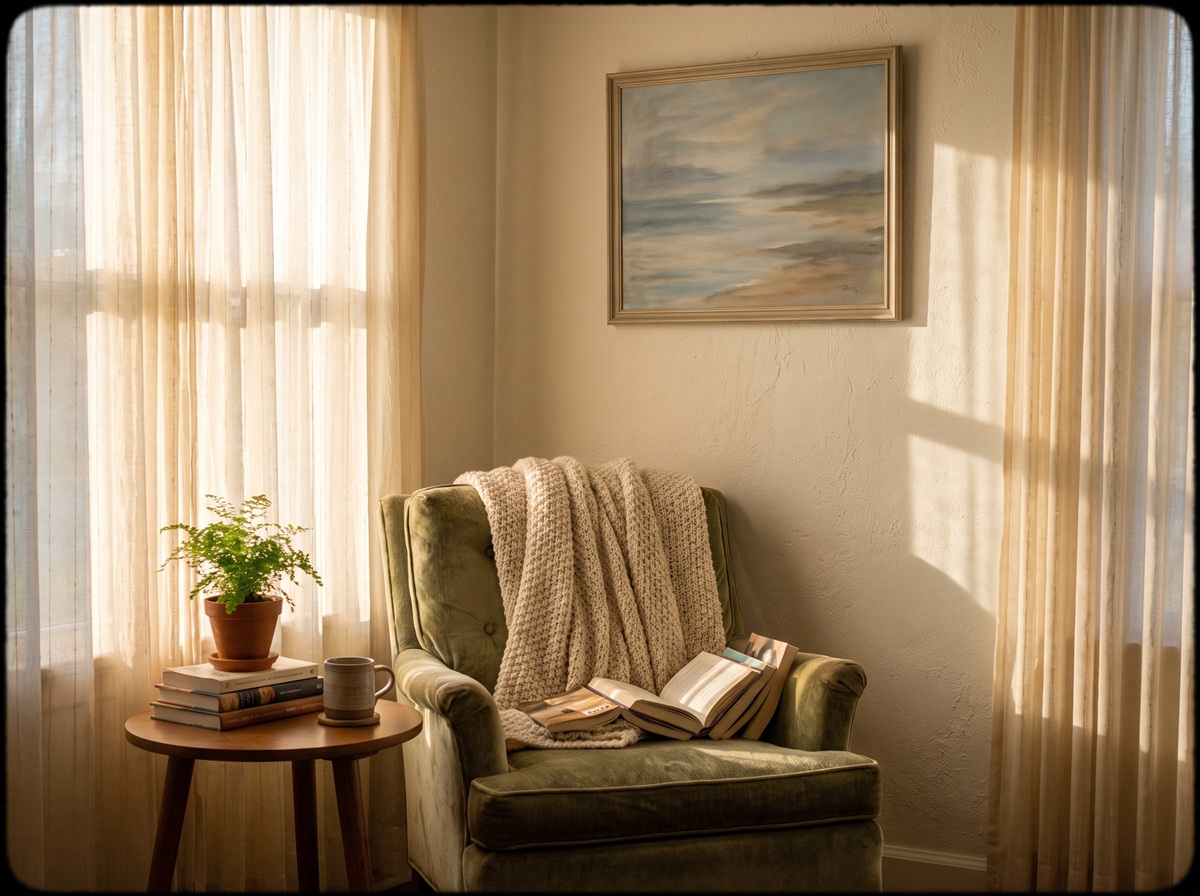
Reading nooks and meditation corners are probably the best fit of all, since these are spaces already built around slowing down. A single well-placed piece there does double duty: it reinforces the room’s purpose and gives you a visual anchor when your mind is racing.
This lines up with the broader idea of creating a more relaxing home, where small, deliberate choices, not a full renovation, end up shaping how a space actually feels day to day.
A Small Choice With a Real Effect
None of this requires redoing a room from scratch. A single painting, placed thoughtfully and chosen with an eye toward color and content rather than just what matched the sofa, can shift how a space feels within days of hanging it.
The next time you walk into a room and it feels a little flat or a little tense, look at the walls before you touch the thermostat. Sometimes the fix isn’t more light or less clutter. Sometimes it’s just the wrong picture, or no picture at all, in the spot where your eyes land first.