
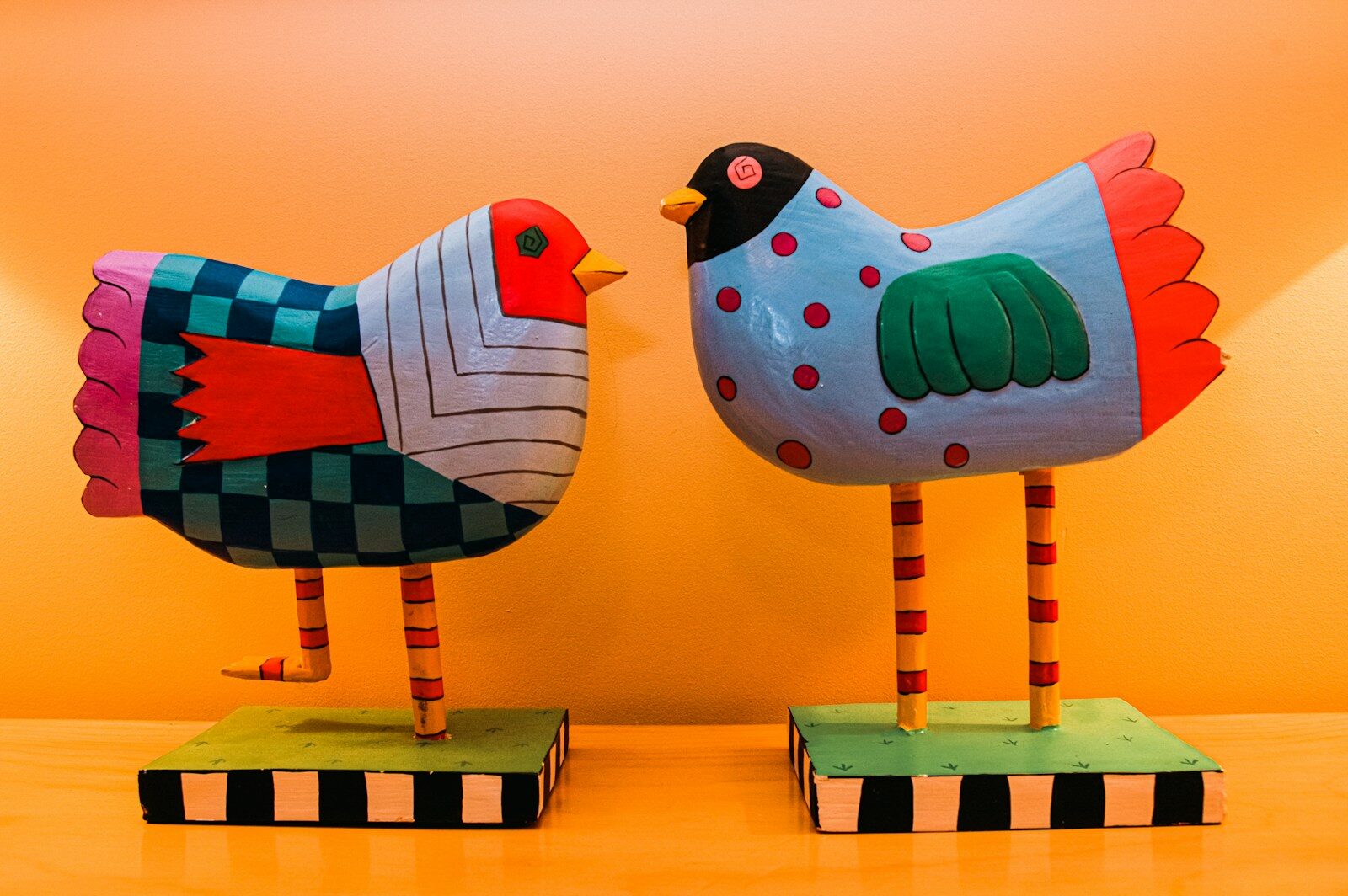
- Animal Imagery Creates an Immediate Emotional Connection
- Animal Art Brings Personality Without Overloading the Room
- Texture and Color Make Animal Art Especially Compatible With Cozy Rooms
- The Right Animal Artwork Can Change the Mood of Each Room
- Scale and Composition Determine Whether the Look Feels Refined
- Animal Art Works Across Rustic, Traditional and Modern Styles
- Choosing Animal Art That Feels Personal Instead of Themed
- Why the Appeal of Animal Art Tends to Last
A cozy interior is rarely created by softness alone. Plush upholstery, warm lighting and layered textiles may establish comfort, but the rooms people remember often contain something more personal. Art plays an unusually important role because it gives a space character without requiring another piece of furniture or a major renovation.
Within that category, animal imagery has become especially effective at making interiors feel warmer, more approachable and more lived in. A portrait of a horse, a quiet woodland scene or an expressive dog can change the emotional temperature of a room almost immediately. The appeal has less to do with decorating trends than with the way people instinctively respond to living creatures.
That response gives animal art unusual versatility in interior design. It can reinforce a rustic room without making it feel overly themed, soften a contemporary space that otherwise feels formal, or add personality to a neutral bedroom without disrupting its calm palette. The subject matter also works across a surprisingly wide range of artistic styles, from detailed wildlife photography to loose watercolor illustration and graphic modern prints.
Because animals carry associations with companionship, nature, freedom, and familiarity, they bring emotional content into a room before viewers consider the composition or color. That mix of visual interest and psychological warmth is especially valuable in homes designed for comfort. In many cases, animal art succeeds precisely because it feels decorative without feeling impersonal.
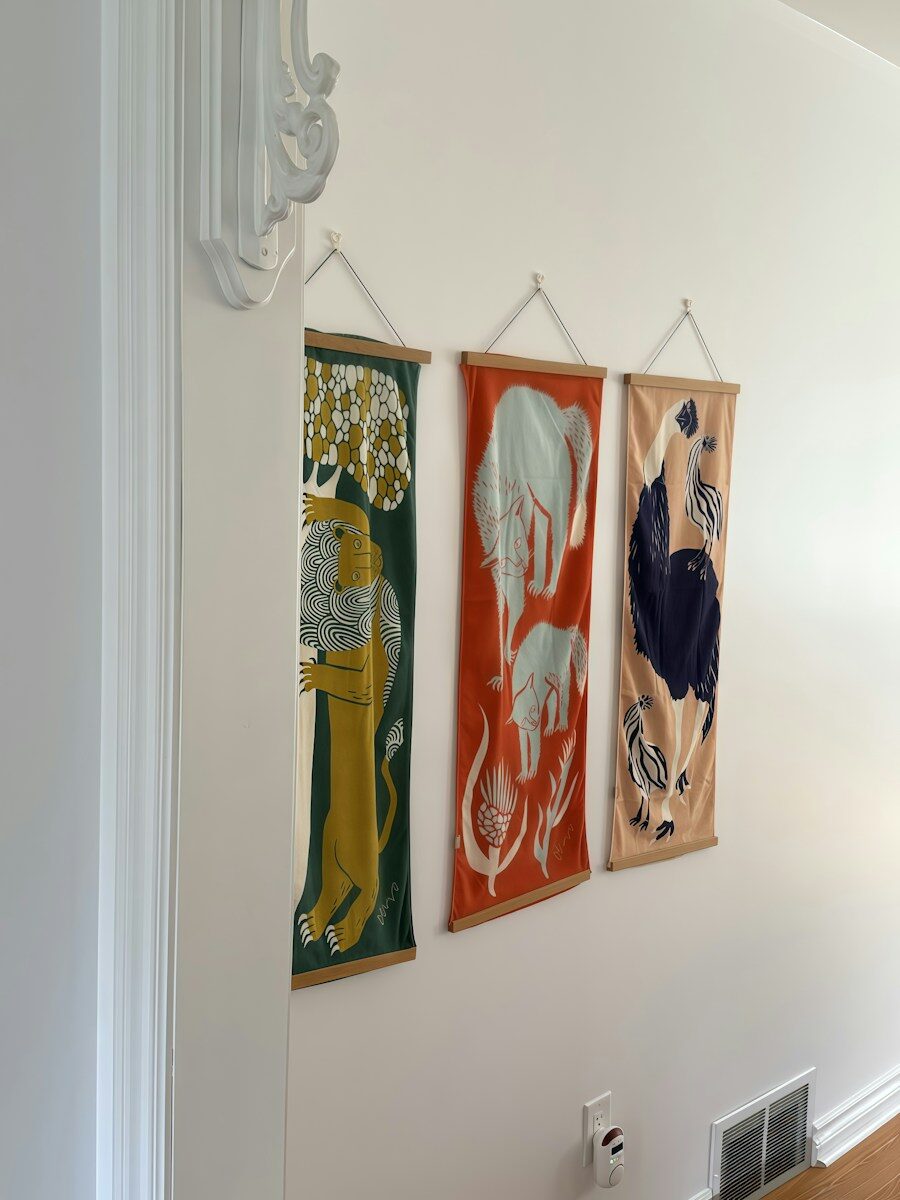
Animal Imagery Creates an Immediate Emotional Connection
People tend to process images of animals differently from abstract shapes or purely decorative patterns. An animal has a face, posture and implied personality, even when the work is highly stylized. Viewers instinctively search for expression and meaning, whether they are looking at a solemn owl, an alert fox or a sleepy dog. That recognition creates a small moment of emotional engagement between the person and the artwork.
In a cozy interior, those moments matter because warmth is partly psychological rather than purely visual. A room feels inviting when its contents seem familiar, expressive and connected to everyday experience.
Animals also carry powerful cultural and personal associations. Horses may suggest open landscapes and movement, deer can evoke quiet forests, and household pets often bring ideas of loyalty, humor and companionship. Those associations allow one piece of wall art to communicate more than its color palette alone would suggest.
A homeowner who grew up around farms may respond to cattle or horse imagery with a sense of familiarity that cannot be reproduced by a generic geometric print. Someone else may see a dog portrait and think immediately of family life or a favorite pet. The artwork therefore becomes part decoration and part memory trigger, which helps explain why it can make a room feel emotionally settled.
This emotional quality is especially useful in interiors dominated by neutral colors. Beige, cream, taupe, gray and warm white can create a restful foundation, but an overly restrained room sometimes risks feeling anonymous.
Animal art introduces a recognizable subject without demanding intense color or complicated pattern. A monochrome photograph of a horse can be visually quiet while still carrying considerable personality. A soft illustration of woodland animals can add charm without undermining a sophisticated palette. The result is a room that remains calm but feels less generic, which is one of the central challenges in successful cozy design.
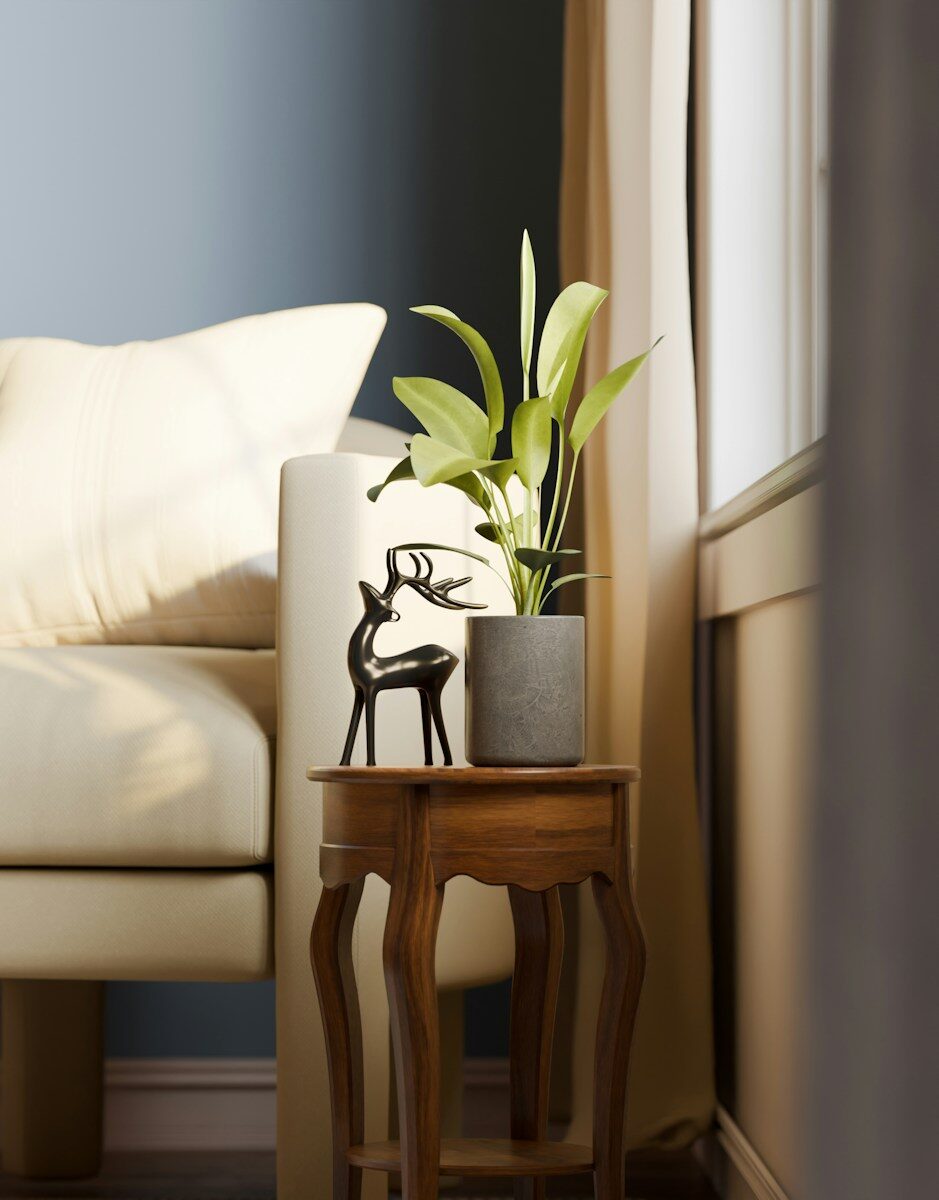
Animal Art Brings Personality Without Overloading the Room
Cozy interiors depend on layers, but too many decorative layers can quickly become clutter. Blankets, cushions, lamps, books, baskets and ceramics all contribute texture, yet each object also consumes visual attention. Wall art has an advantage because it can introduce character without occupying usable floor or surface space.
Animal imagery makes that advantage even stronger because the subject itself is expressive. One well-chosen piece can establish a mood that might otherwise require several smaller accessories. That economy is valuable in compact rooms as well as larger spaces where designers want warmth without excessive ornamentation.
Choosing animal art is often less about finding the right species than finding the right visual treatment for the space. Scale, composition, color, and material can transform the same subject from playful to sophisticated, rustic to contemporary, or decorative to dramatic. That flexibility is what allows animal imagery to work across a wide range of cozy interiors without feeling repetitive.
A marketplace such as iCanvas reflects that variety through artwork offered in different subjects, styles, and formats. For rustic and cottage-style rooms shaped by natural textures and country-inspired influences, works depicting shaggy Highland cattle can create a natural visual connection to wood, wool, linen, and earthy tones.
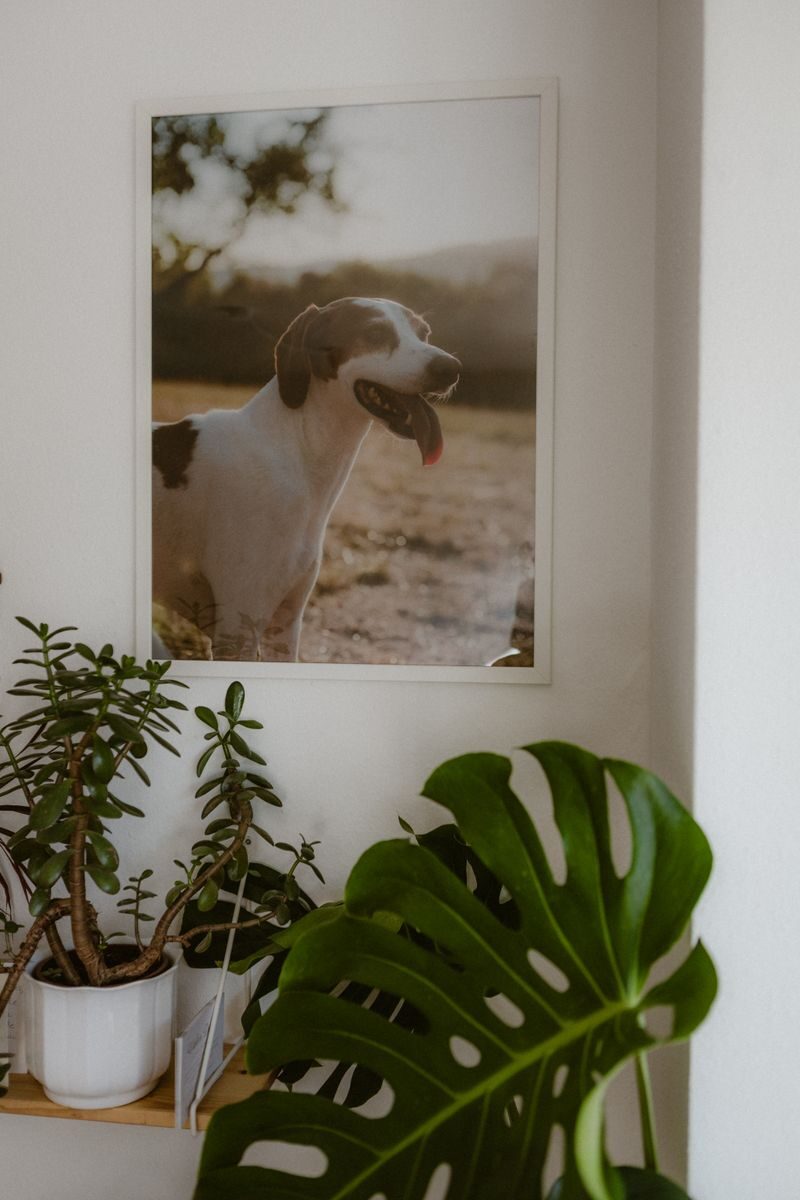
In more casual or family-centered spaces, exploring a broader selection of art featuring familiar dog breeds can introduce warmth, familiarity, and personality without making the rest of the decor feel overtly pet-themed.
That restraint separates sophisticated animal art from overly literal themed decorating. A room does not need antler motifs, animal-patterned cushions and woodland figurines simply because a deer appears in one framed print. In fact, repeating the subject too aggressively can weaken the impact of the artwork by making the entire space feel staged.
A stronger approach is to echo qualities rather than objects. A fox illustration might share warm rust tones with a wool throw, while a horse photograph might relate to the dark brown grain of a wooden console. These quieter connections make the art feel integrated while preserving the sense that the room developed naturally over time.
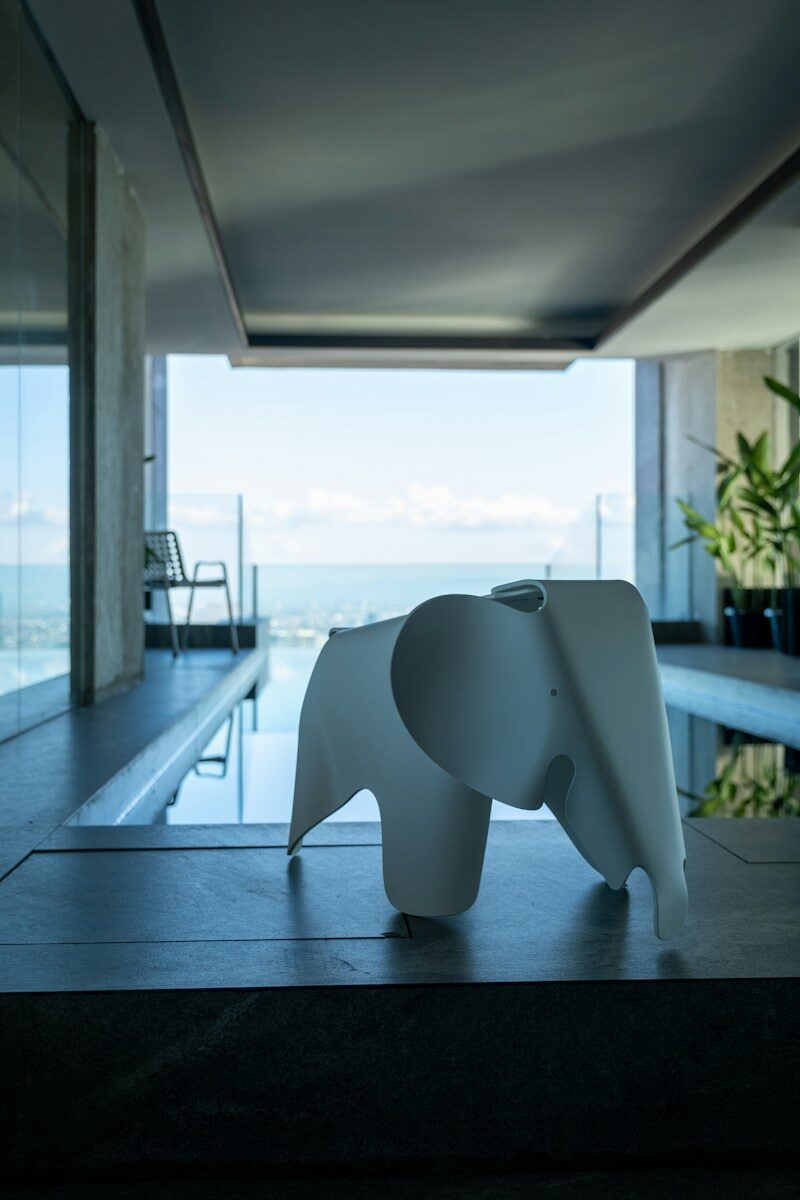
Texture and Color Make Animal Art Especially Compatible With Cozy Rooms
Cozy design is heavily dependent on texture because tactile materials help counteract the flatness of walls and hard architectural surfaces. Animal art often contains its own visual texture, even when the artwork itself is printed on a smooth material. Fur, feathers, manes, scales and natural landscapes introduce surfaces the eye can almost imagine touching.
A shaggy Highland cow, for example, brings a completely different visual sensation from a polished abstract composition. The effect can complement wool, linen, boucle, leather and unfinished wood without literally repeating those materials. This creates depth while keeping the room visually coherent.
Color operates in a similar way. Many animal subjects naturally contain earth tones that already appear in comfortable residential interiors, including brown, cream, charcoal, tan, rust and muted gold. Wildlife artwork can therefore reinforce an existing palette without appearing artificially matched to the furniture.
A sepia-toned horse photograph can sit naturally above a caramel leather sofa, while a pale bird illustration may connect with ivory curtains and weathered oak. Even more colorful animal pieces can work when their dominant hues are repeated subtly elsewhere in the room. The goal is not perfect color coordination, but enough repetition to make the artwork feel intentional.
There is also an important difference between visual warmth and literal warm color. A black-and-white animal photograph can make a room feel cozier even though it contains no conventional warm hues. Its warmth comes from subject matter, contrast and emotional familiarity rather than from orange or red pigment. This is useful in Scandinavian, minimalist and modern interiors where a restrained palette is part of the design language.
Instead of adding bright color simply to make the room feel more inviting, designers can use emotionally resonant imagery. Animal art provides warmth without requiring the room to abandon visual discipline.
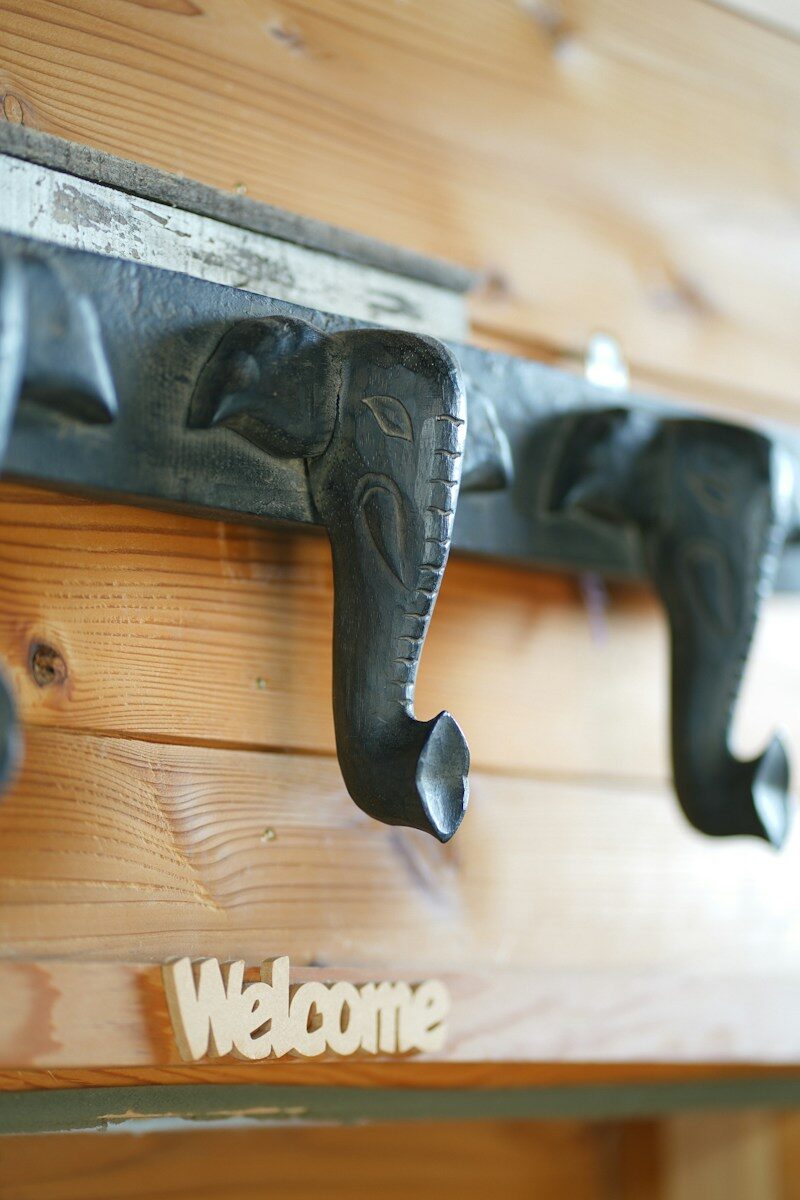
The Right Animal Artwork Can Change the Mood of Each Room
Living rooms offer the most obvious setting because they are designed around gathering, conversation and relaxation. Animal art can make these communal spaces feel less formal, particularly when the furniture is clean-lined or architectural. A large horse portrait above a sofa can add drama without making the room feel severe.
Smaller woodland prints arranged near a reading chair can create a quieter and more intimate impression. Family rooms can accommodate slightly more playful subjects, including dogs, farm animals or whimsical illustrations. The choice should reflect how the room is actually used rather than following a single decorating formula.
Bedrooms call for a different approach because visual calm is usually more important than energy. Soft-focus photography, watercolor birds, grazing animals or peaceful wildlife scenes tend to support a restful atmosphere better than highly dynamic action images.
Scale matters as well, since oversized artwork positioned directly above a bed can become the dominant visual feature of the room. That dominance may be appropriate when the image is muted and spacious, but a highly detailed composition can make the sleeping area feel busier.
Neutral mats, simple frames and generous negative space can help keep animal imagery sophisticated. In cozy bedrooms, the strongest pieces often suggest stillness rather than spectacle.
Entryways, hallways and home offices provide opportunities for more distinctive choices. An entry can handle an expressive portrait because visitors encounter it briefly and at close range, making it a useful place for an image with personality.
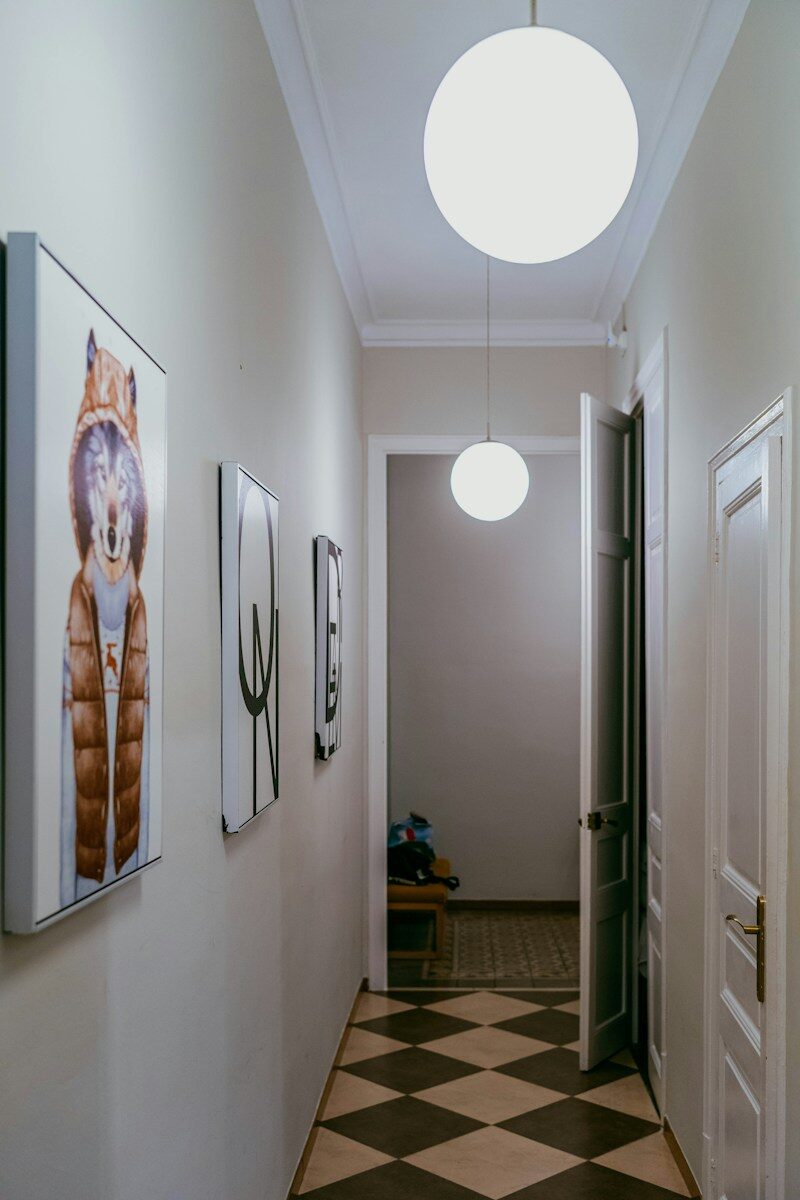
A hallway can support a sequence of smaller works, particularly when several animals share a consistent photographic or illustrative style. Offices benefit from subjects that feel energizing without becoming distracting, such as birds in flight or equestrian imagery with a sense of motion.
Even kitchens and breakfast areas can accommodate animal art when the subject and framing remain restrained. Thinking about mood room by room prevents animal imagery from becoming repetitive across the entire home.
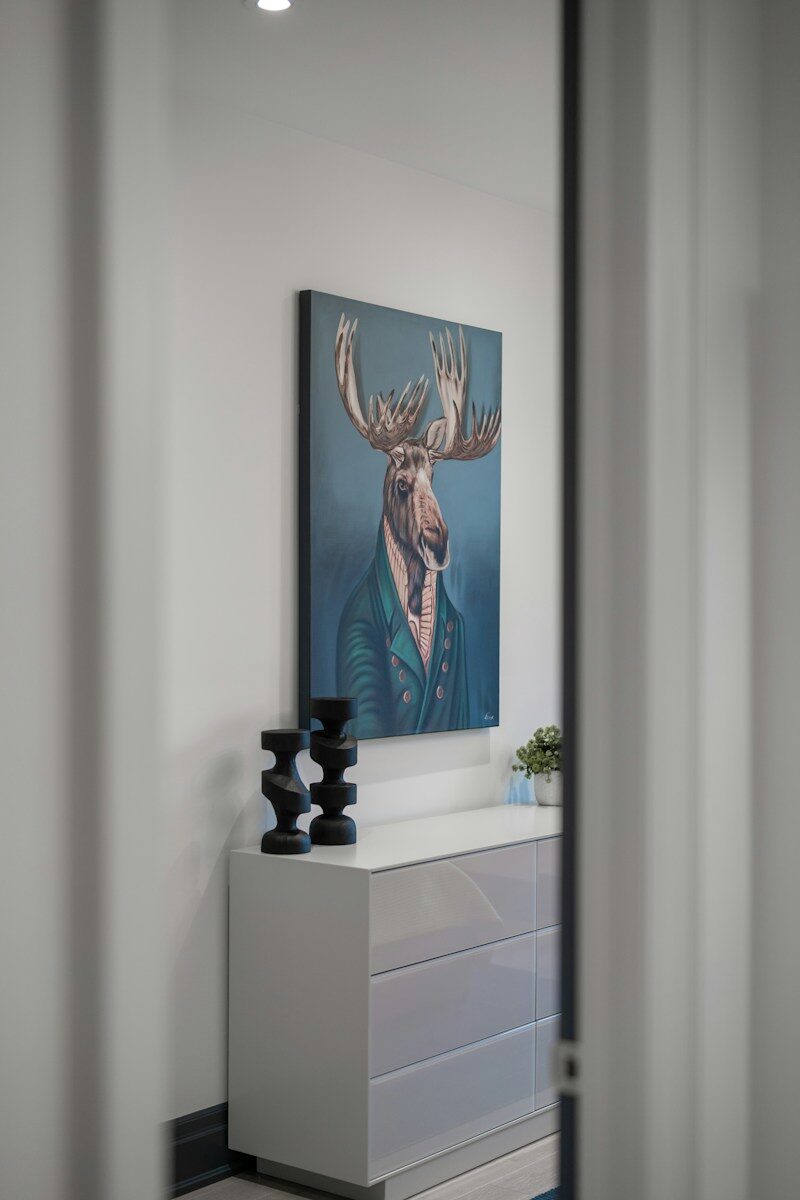
Scale and Composition Determine Whether the Look Feels Refined
Subject matter attracts attention first, but scale often determines whether a piece actually works in the room. Small artwork floating above a wide sofa can feel timid, regardless of how appealing the image is. An oversized portrait squeezed between windows may feel equally uncomfortable because the proportions compete with the architecture.
Designers generally achieve a more settled appearance when the artwork relates clearly to the width of the furniture or wall beneath it. Animal art benefits from this discipline because faces and bodies naturally draw the eye. When a visually compelling subject is also properly scaled, the room feels deliberate rather than improvised.
Composition within the artwork deserves equal attention. A close-up animal portrait creates intimacy because the viewer encounters the subject almost as if it were another presence in the room. A distant wildlife scene creates a more contemplative effect by emphasizing landscape and atmosphere. Side-profile images can feel quieter than subjects staring directly at the viewer, while images with visible movement tend to introduce more energy.
These distinctions become important in rooms built around relaxation. Selecting the right composition means considering not only what animal appears in the work, but how that animal occupies the visual field.
Gallery walls require another level of control because multiple animal images can easily compete with one another. Consistency in framing, color treatment or artistic medium helps prevent the arrangement from feeling chaotic.
A collection might combine several species while keeping every photograph black and white, or it might use different illustration styles within identical wood frames. Another approach is to mix animal art with landscapes, botanical works and abstract pieces so the arrangement does not become too literal. Spacing should remain measured, particularly when some images contain strong facial features. A successful gallery wall feels like a collection of related ideas rather than a catalog of animals.
Animal Art Works Across Rustic, Traditional and Modern Styles
Rustic interiors are a natural setting for animal imagery because both draw heavily from associations with land, nature and craftsmanship. Horses, cattle, deer and woodland species can sit comfortably beside reclaimed wood, stone, leather and woven textiles. The risk is predictability, particularly when every design decision reinforces the same country theme.
Contemporary framing can help prevent the result from becoming overly nostalgic. A large photographic cattle portrait in a thin black frame, for example, creates useful contrast against rough timber. The animal subject remains familiar while the presentation makes it feel current.
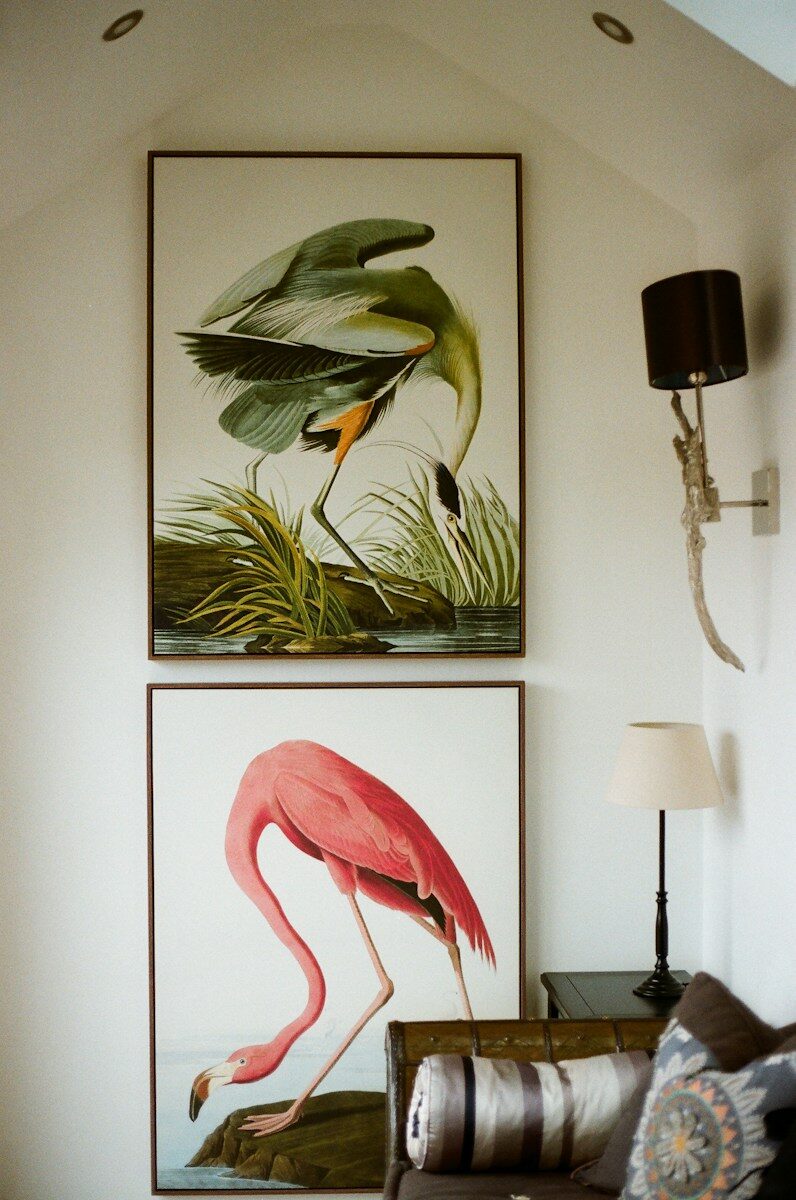
Traditional rooms can use animal art in a more historical or illustrative way. Equestrian paintings, botanical-style bird studies and detailed wildlife drawings often pair naturally with paneled walls, antique furniture and patterned upholstery. These interiors generally tolerate more visual detail than minimalist rooms, so ornate framing or layered mats can be appropriate.
Even so, the artwork should not disappear into the surrounding decoration. Slight contrast in scale or tone can give the piece enough presence to remain noticeable. This is particularly effective in libraries, dining rooms and studies where a sense of accumulated history contributes to the atmosphere.
Modern and minimalist spaces demonstrate how surprisingly flexible animal imagery can be. A highly cropped photograph, graphic silhouette or simplified line drawing can introduce a recognizable subject while preserving clean visual structure. In stark spaces, that recognizable subject can also soften the psychological distance sometimes created by glass, concrete and sharply geometric furniture.
The artwork provides humanity without requiring decorative abundance. Neutral framing and large areas of negative space usually help maintain the architectural clarity of the room. Animal art therefore does not have to make a contemporary home look rustic; it can instead provide the emotional counterweight that a restrained interior needs.
Choosing Animal Art That Feels Personal Instead of Themed
The strongest animal art usually has a reason for being in the room beyond filling an empty wall. That reason does not need to be profound, but some connection to the homeowner makes the choice feel more authentic. A family that has always owned retrievers may naturally gravitate toward dog imagery, while someone who spends weekends riding may prefer equestrian subjects.
Travelers may choose wildlife connected to places they have visited, and bird enthusiasts may build a collection slowly over time. These decisions create interiors with narrative rather than decoration selected solely to match a sofa. Personal relevance also makes homeowners less likely to tire of the artwork when trends change.
Artistic style should still be considered separately from the subject. Loving dogs does not mean every dog painting will suit a particular interior. A realistic portrait, vintage illustration, colorful pop-art treatment and minimalist line drawing can produce entirely different effects even when each depicts the same breed.
Buyers should therefore evaluate the artwork from across the room as well as up close. From a distance, color balance, contrast and composition become more important than the emotional appeal of individual details. The best choice satisfies both reactions, offering personal significance while contributing to the larger design.
It is also worth leaving some empty space. Cozy rooms are sometimes mistaken for rooms in which every surface must be filled, but visual breathing room makes meaningful objects more noticeable. One distinctive animal piece can have greater impact than five weaker ones competing for attention.
Negative space around the work gives the eye time to register expression, texture and composition. It also prevents personality from turning into novelty, which is particularly important with recognizable subjects such as pets or farm animals. A carefully edited room feels warmer because the objects appear chosen, not merely accumulated.
Why the Appeal of Animal Art Tends to Last
Interior trends change quickly, but many of the emotions associated with animals remain remarkably stable. People have represented animals in art for centuries, long before contemporary ideas about residential styling emerged. That history gives the subject more durability than motifs tied to a particular decorating cycle.
A horse portrait can move from a traditional study into a modern living room simply by changing its frame or surrounding furnishings. Bird illustrations can feel vintage in one context and quietly contemporary in another. The adaptability of the subject helps explain why animal imagery repeatedly returns in new visual forms.
Animal art also performs well as homes become more personal and less governed by rigid design categories. Many contemporary interiors now mix vintage furniture with modern lighting, handmade textiles with polished finishes and sentimental objects with new purchases.
Animal imagery is comfortable in that kind of environment because it does not belong exclusively to one period or aesthetic. It can serve as a bridge between natural materials and modern lines, or between family memories and more formal design decisions. That makes it useful in rooms intended to look collected rather than professionally staged. Its familiarity allows different design languages to coexist without feeling completely disconnected.
Ultimately, the effectiveness of animal art in cozy interiors comes from the combination of emotional recognition and visual flexibility. It can provide texture without adding physical clutter, warmth without relying on bright color and personality without requiring a complicated decorating theme. It can be humorous, elegant, nostalgic, dramatic or quiet depending on the subject and treatment.
Most importantly, it gives a room something that cannot be measured entirely through scale, palette or furniture placement. It gives viewers a point of connection. In interiors built around comfort, that sense of connection is often what turns an attractive room into one that genuinely feels like home.







Be First to Comment