- Key Takeaways
- Why A Simple Food Storage Plan Matters
- Start With A Quick Kitchen Audit
- Use The Right Storage Zone For Each Food
- Build A First-In, First-Out System
- Choose Packaging Based On The Food
- How To Package Food For The Freezer
- Food Preservation Methods To Consider
- Labeling Makes Food Easier To Use
- Common Food Storage Mistakes
- A Weekly Food Storage Routine
- Conclusion
Key Takeaways
- Organize food storage to reduce waste and simplify meal planning.
- Store food in the proper refrigerator, freezer, or pantry.
- Use FIFO (first in, first out) to keep food fresh.
- Choose the right packaging, including vacuum seal bags, for longer-lasting storage.
- Label and rotate stored food regularly for better safety and organization.
A simple food storage plan helps busy households waste less, save time, and make bulk purchases easier to manage. The goal is not to create a picture-perfect pantry. It is to keep food safe, visible, labeled, and ready to use before it gets forgotten.
For freezer meal prep and portioning, vacuum seal bags can be a practical option when paired with safe storage habits. Vacuum Sealers Unlimited supplies bags, rolls, vacuum sealers, mylar packaging, sous vide supplies, and food-processing equipment for home cooks, food preservation users, meat and game processors, and commercial operations throughout the United States.
Good storage begins with the basics: cold foods stay cold, dry foods stay dry, containers stay clean, and older items are used first. A few repeatable habits can prevent freezer burn, cluttered shelves, spoiled leftovers, and the familiar mystery package at the back of the freezer.
Why A Simple Food Storage Plan Matters
Without a system, it is easy to buy duplicate ingredients, overlook leftovers, or let food decline in quality before anyone uses it. A workable plan makes meals easier because everyone can quickly see what is available. It also helps households use sale items, garden produce, and batch-cooked meals more effectively.
Set one practical standard: every stored item should be easy to identify, easy to reach, and easy to rotate. That principle applies whether you have a compact apartment refrigerator or a large chest freezer.
Start With A Quick Kitchen Audit
Before buying bins, containers, or packaging, take 15 minutes to assess the space you already have.
- Check that the refrigerator is set to below 40°F and the freezer to 0°F or below.
- Discard foods with mold, leaks, off odors, damaged packaging, or obvious spoilage.
- Group similar foods together, such as snacks, baking supplies, leftovers, meats, and frozen vegetables.
- Create a small “use soon” area for foods that need attention.
- Measure shelves, drawers, and freezer space before purchasing organizers.
A crowded refrigerator or freezer can block airflow and make temperature control harder.
Use The Right Storage Zone For Each Food
Refrigerator Storage
- Keep raw meat, poultry, and seafood on a lower shelf to prevent drips from reaching ready-to-eat food.
- Store prepared foods and leftovers in shallow, covered containers so they cool more efficiently.
- Write the storage date on leftovers as soon as they are packed.
- Keep produce in the drawers or locations that best suit its moisture needs.
Freezer Storage
- Use moisture-resistant packaging for foods that will be frozen for more than a few days.
- Remove excess air from bags when practical to limit freezer burn.
- Freeze in meal-sized portions so thawing is quicker and less food is wasted.
- Keep older packages at the front or top of the freezer.
Pantry Storage
- Keep dry goods in a cool, dry location away from sunlight and heat.
- Store food separately from cleaners, pesticides, and other household chemicals.
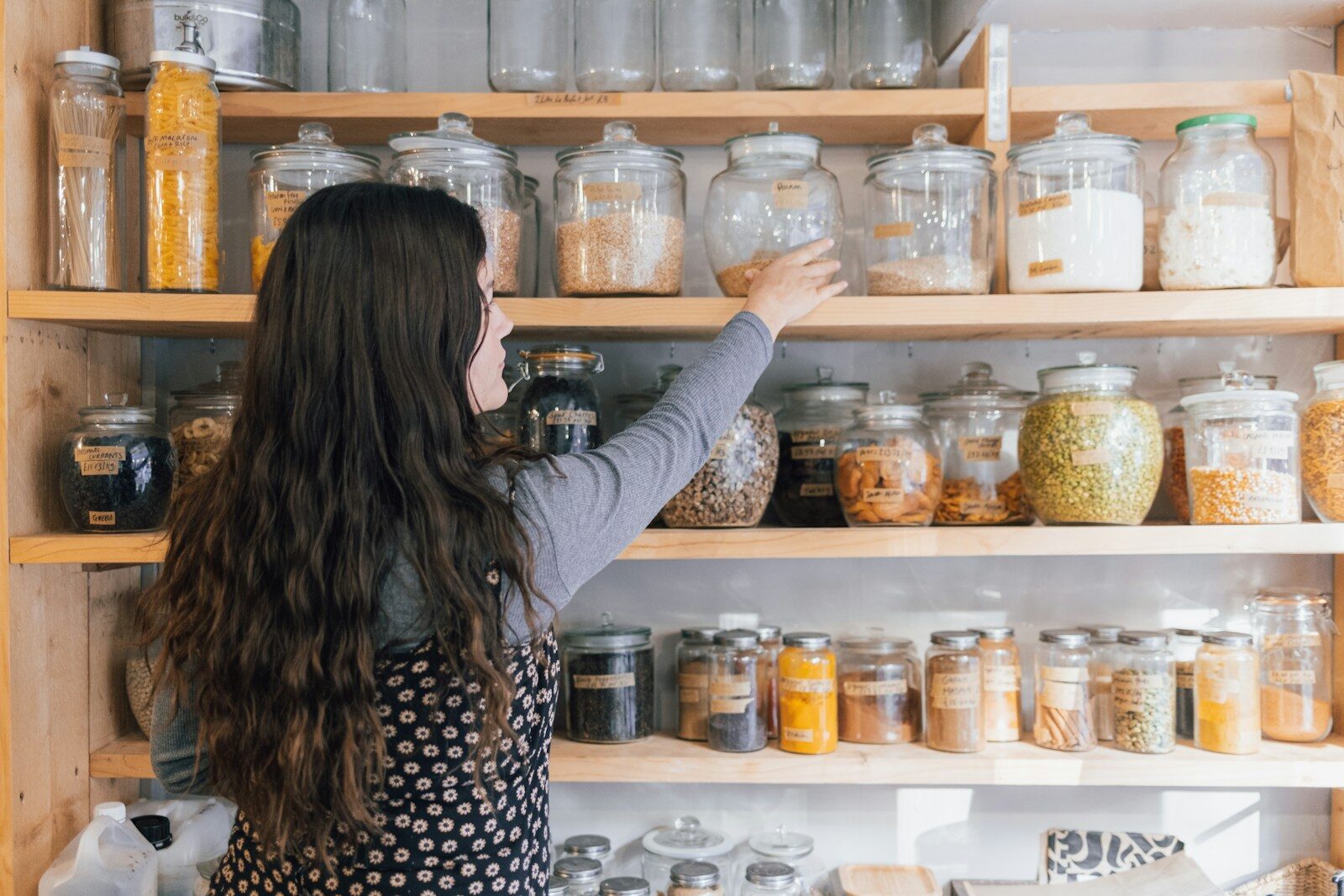
- Use airtight containers for flour, rice, cereal, pasta, crackers, and baking ingredients.
- Discard cans that are swollen, leaking, badly rusted, or severely dented.
Build A First-In, First-Out System
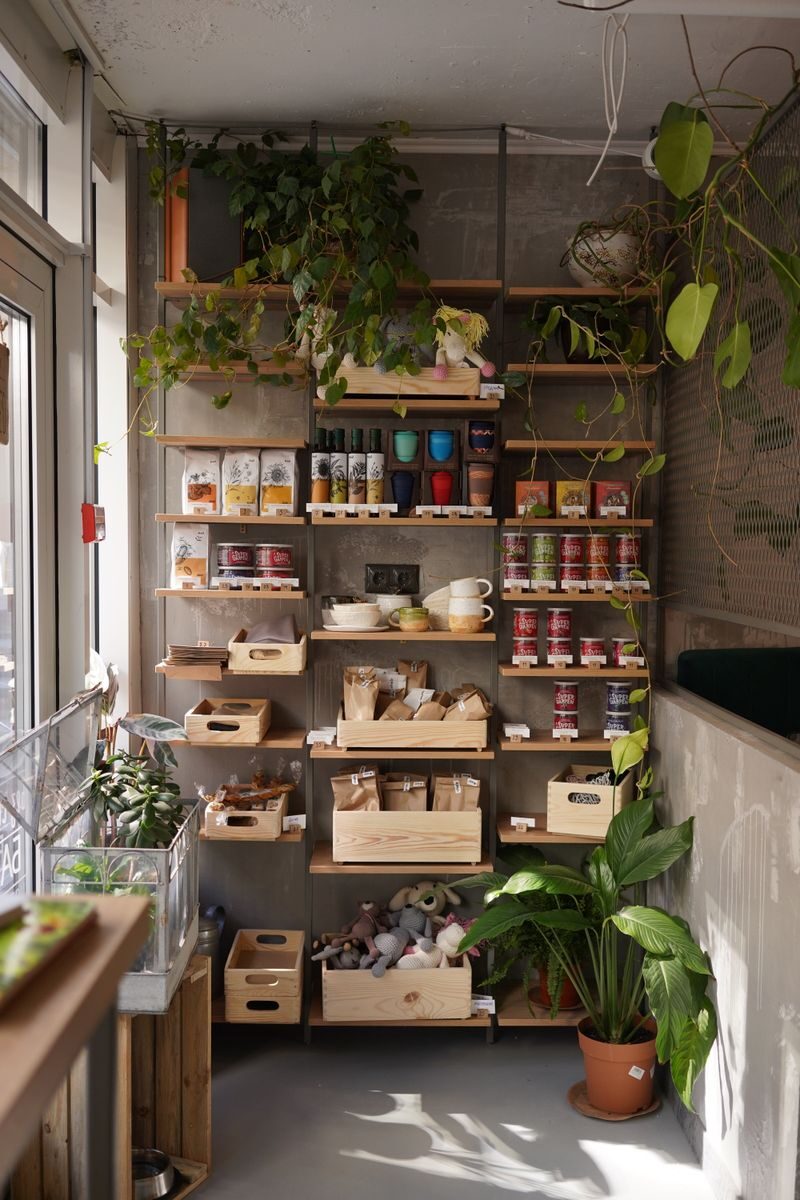
First-in, first-out, often shortened to FIFO, means new food goes behind older food. When you bring home another package of chicken, place it behind the one already in the freezer instead of stacking them on top of each other. This small habit prevents older food from going to waste for months.
- Use a basket or bin for foods that need to be eaten soon.
- Add a purchase date or storage date when packaging is unclear.
- Review the refrigerator weekly.
- Review the freezer and pantry once a month.
Choose Packaging Based On The Food
No single storage package works for every food. Choose based on moisture, shape, expected storage time, and how often the package will be opened.
- Rigid containers: Best for soups, leftovers, prepared meals, and foods that could be crushed.
- Freezer bags: Useful for fruit, vegetables, meat portions, sauces, and flat-packed meals.
- Glass containers: Helpful for refrigerator storage and reheating when they are freezer-safe and handled carefully.
- Vacuum packaging: Can reduce air around suitable foods for freezer organization, meal prep, and sous vide cooking.
- Mylar-style packaging: May be used for dry-food storage plans when combined with appropriate food-safe methods.
How To Package Food For The Freezer
- Cool cooked food promptly before freezing it.
- Divide large batches into smaller portions.
- Remove unnecessary air from bags or containers.
- Leave room for foods that expand as they freeze.
- Label every package with the food name and storage date.
- Freeze bags flat when possible to save space and speed thawing.
Vacuum packaging can limit air exposure, but it does not replace safe refrigeration, freezing, cooking, or thawing practices. Food safety depends on temperature control from the moment food is purchased until it is served.
Food Preservation Methods To Consider
Different preservation methods fit different foods and schedules. Freezing is convenient for meat, produce, sauces, and prepared meals. Drying works well for herbs, fruits, vegetables, and snacks. Dry storage suits stable pantry staples. Canning can provide shelf-stable food, but only when tested recipes, proper equipment, and correct processing times are used.
Labeling Makes Food Easier To Use
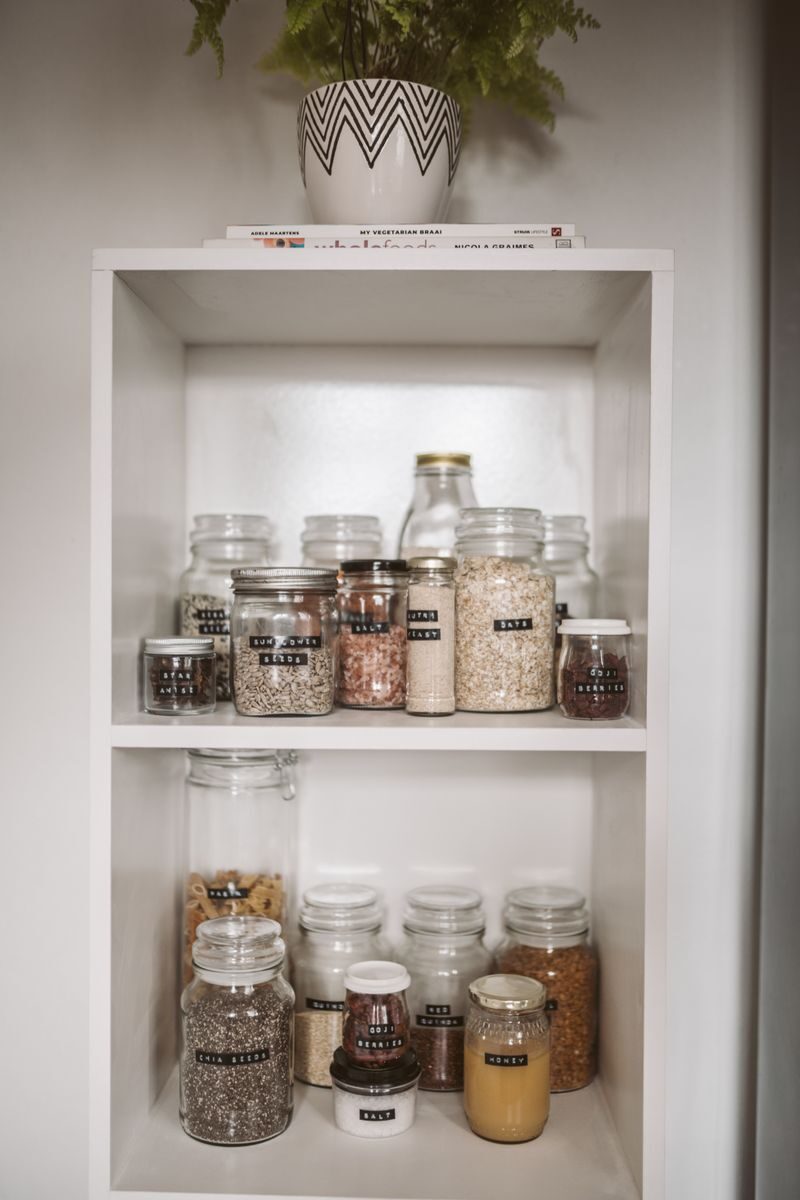
A label eliminates guesswork when several packages look alike. Include the food name, storage date, number of servings when useful, and simple reheating instructions for prepared meals. A label such as “Turkey chili, 4 servings, Aug. 4, 2026” makes it much easier to plan dinner quickly.
Common Food Storage Mistakes
- Putting hot food into one large, deep container.
- Freezing food with excessive trapped air.
- Relying only on printed date labels instead of checking the condition and storage history.
- Storing raw meat above ready-to-eat food.
- Overloading the refrigerator or freezer.
- Using untested canning methods.
- Failing to label food before storing it.
- Buying more perishable food than the household can realistically use.
A Weekly Food Storage Routine
- Move older foods to the front.
- Check for open packages, leaks, and forgotten leftovers.
- Plan one meal around foods on the “use soon” list.
- Wipe spills from shelves and drawers.
- Freeze or use leftovers before preparing more food.
Conclusion
An effective food storage system does not need to be expensive or complicated. Safe temperatures, suitable packaging, clear labels, and regular rotation can help households protect their food and reduce waste. Start with one shelf, one drawer, or one freezer section, then build a routine that fits your meals, space, budget, and schedule.
Also read: How Air Fryers Changed the Way We Cook + A Quick Buyer’s Guide