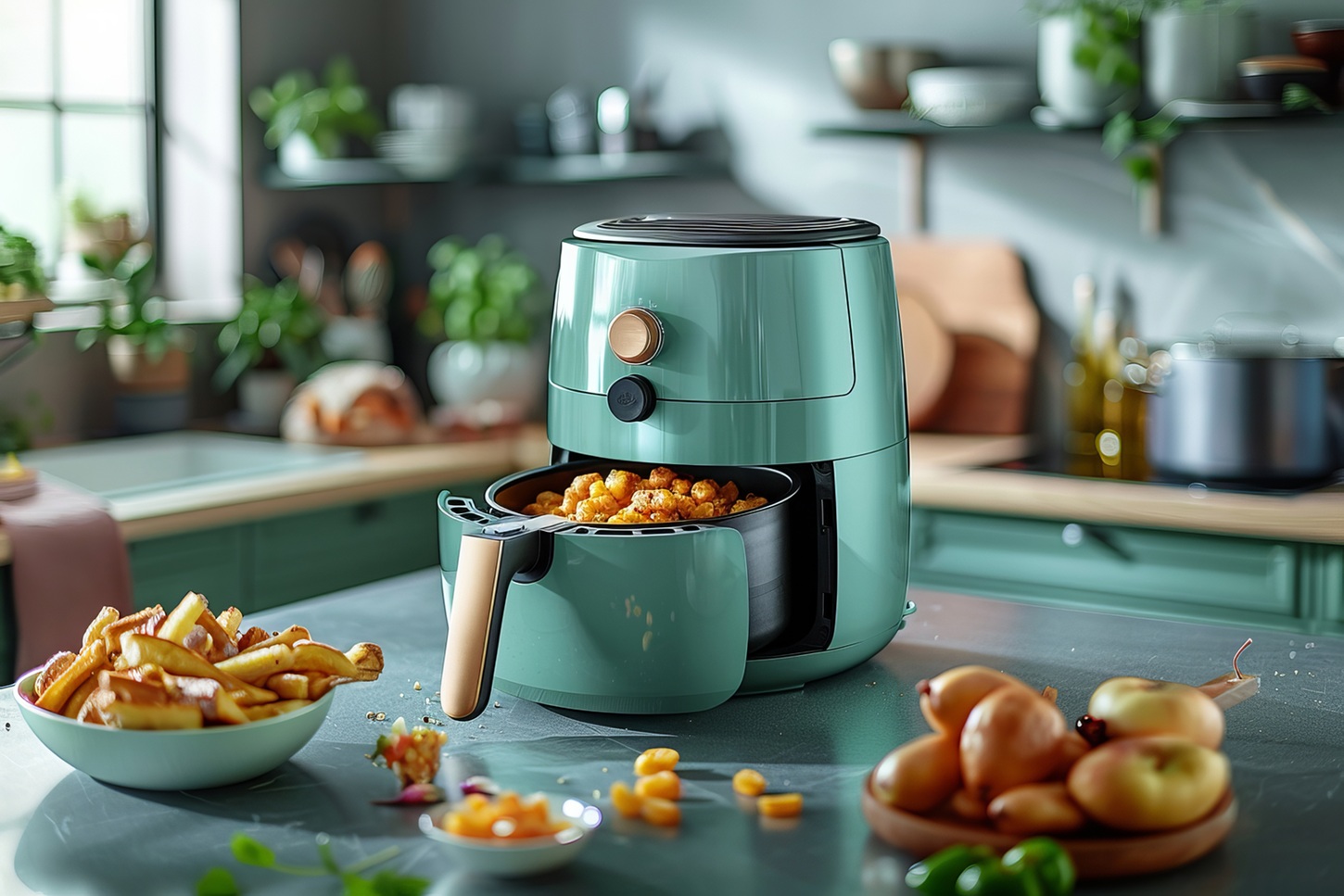
If you walk into almost any kitchen today, you will probably see an air fryer sitting on the counter. Most of us used to fill our kitchen counters with gadgets that we only used once, like bulky juicers, ice cream makers, or bread machines that eventually ended up in the back of a closet.
The air fryer actually stayed around because it fits into a busy, modern routine. Our schedules are packed, and this machine makes it easier to get dinner on the table without a lot of stress or cleanup. It transitioned from a trendy holiday gift into a daily necessity.
How Air Fryers Work
The mechanics of the machine are actually pretty straightforward, even if marketing campaigns make it sound like space-age technology. A traditional deep fryer cooks food by completely submerging it in boiling oil. While that tastes great, it adds a massive amount of heavy fat and makes the food dense.
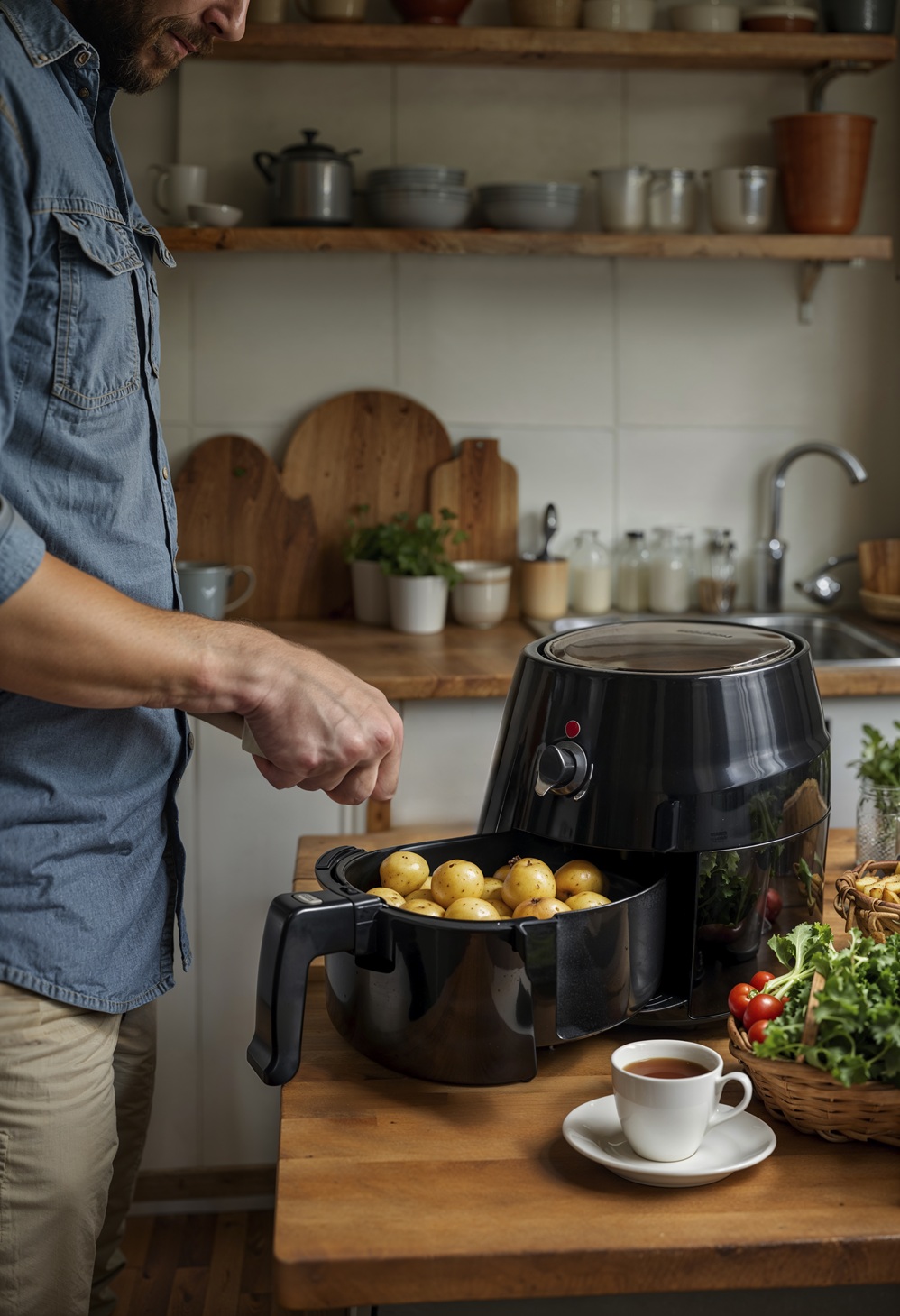
An air fryer replaces that pool of oil with a powerful heating element and a high-speed fan. The fan blows superheated air around the food inside a small, sealed basket. This moving air dries out the surface of the food quickly, creating a crunchy crust while keeping the inside moist. It is essentially a small, highly efficient convection oven that sits on your counter. Because the space is so small, the air moves much faster than it would in a regular oven, which is why you get that distinct fried texture without the grease.
Making Favorite Foods Lighter
The biggest daily benefit of air fryers is being able to make comfort food with much less oil. Usually, getting a good crunch on your food means using a lot of fat, which can leave you feeling heavy and sluggish afterward.
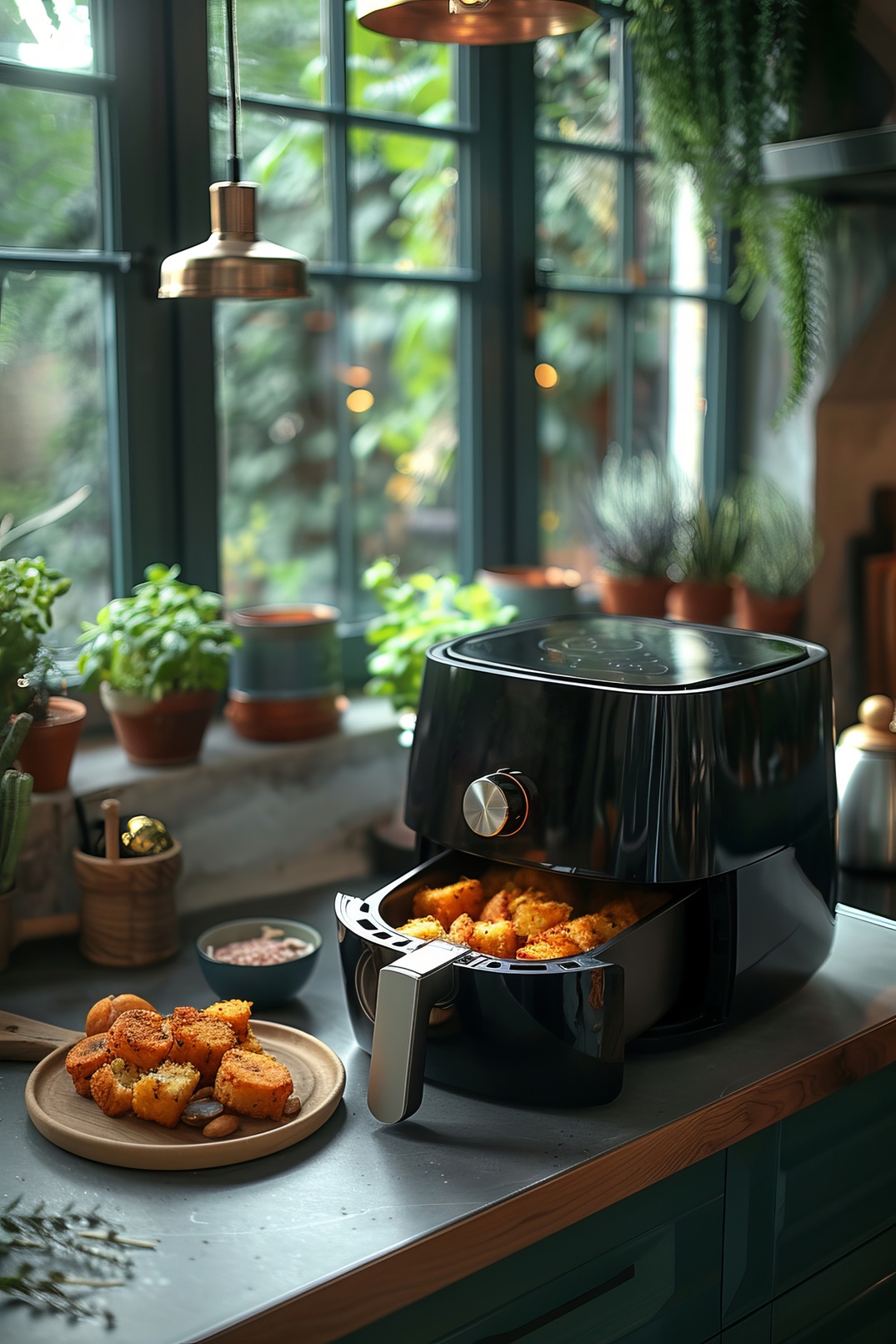
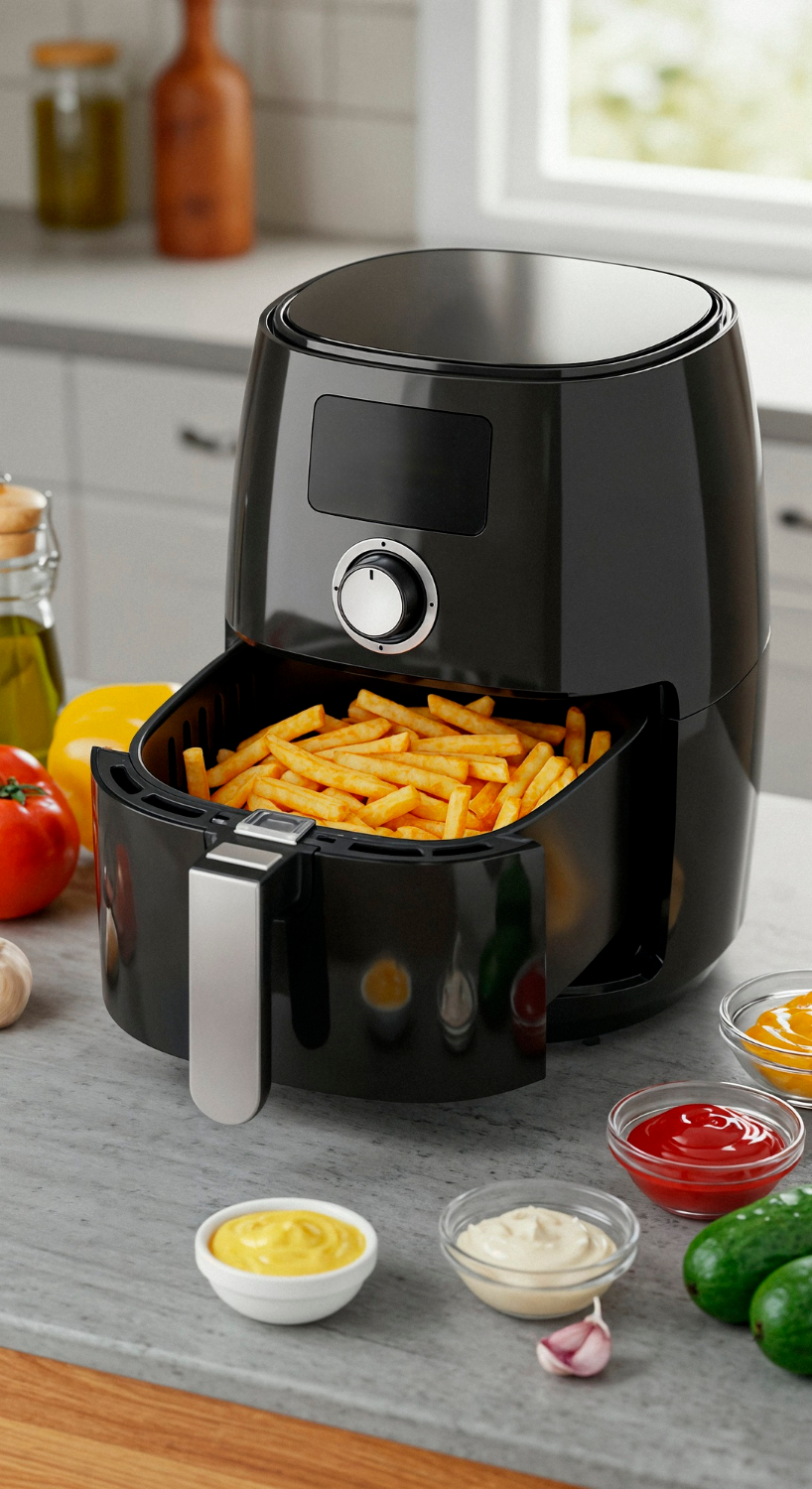
Take french fries as an example. Instead of soaking potato wedges in a vat of vegetable oil, you can toss them with a single teaspoon of olive oil and some spices. The moving air crisps the outside, and the inside stays fluffy. You get the same comforting texture with a fraction of the oil.
This works for a lot of different meals, especially if you are trying to cut back on meat or eat a fully plant-based diet.
- Crispy Tofu: Tofu is notorious for being tricky to cook well. It often turns out soggy or sticks to your frying pan. In the air fryer, you can toss cubed tofu with a little soy sauce and cornstarch. The hot air dries out the exterior perfectly, giving you cubes that are incredibly crunchy on the outside and tender on the inside in about twelve minutes.
- Roasted Chickpeas: If you want a healthy, crunchy snack to replace potato chips, you can drain a can of chickpeas, dry them thoroughly, toss them with spices, and air fry them. They turn into a crunchy, high-protein snack that stays crispy for days.
- Tempeh and Seitan: These plant-based proteins can sometimes have a dense texture. The circulating heat cooks them through evenly, giving them a pleasant, slightly charred edge that works great in sandwiches or grain bowls.
- Vegetable Chips: If you dislike mushy vegetables, throwing Brussels sprouts, broccoli florets, or kale leaves into the air fryer completely changes the experience. The leaves turn into crispy chips, and the edges of the broccoli get beautifully charred. It is a simple way to make greens taste better without drowning them in butter or heavy sauces.
The Air Fryer Is Your Secret Weapon for Weekly Meal Prep
If you use your Sundays to prepare food for the upcoming work week, the air fryer completely changes your strategy. Traditional meal prepping usually involves filling your oven with giant baking sheets or standing over multiple pans on the stove, watching things closely so they do not burn.
An air fryer acts like an extra set of hands in the kitchen because it is entirely hands-off. You can chop up a huge batch of sweet potatoes, butternut squash, and bell peppers, toss them in a bowl with a little oil, and dump them into the basket. You set the timer for fifteen minutes, walk away, and handle other chores. You do not have to flip them constantly or worry about hot spots.
Because the machine cooks so quickly, you can run multiple batches back-to-back in the time it would take a traditional oven just to warm up. You can prep your roasted vegetables in one batch, cook a batch of marinated tofu in the next, and have a week’s worth of lunches packed into containers in under forty-five minutes.
The texture also holds up much better over time. Foods prepped in an air fryer tend to stay firmer in your storage containers, so they do not turn into a watery, mushy mess by Wednesday afternoon.
Saving Time on Weeknights
Time is usually the biggest challenge when making dinner after a long workday. Conventional residential ovens take about fifteen to twenty minutes just to heat up to the right temperature. If you are already tired, waiting for the oven to preheat before you even start the actual cooking process is exhausting.
An air fryer requires almost zero preheat time because the cooking chamber is so compact. You turn it on, and it is instantly hot. The heat is highly concentrated, which cuts standard cooking times down by nearly a third. A meal that usually takes forty-five minutes in a big oven is often done in twenty.
It is also the ultimate tool for reviving leftovers. Microwaves work by heating the water molecules inside food, which inevitably makes yesterday’s pizza, veggie burgers, or fries soggy and rubbery. The air fryer circulates dry, intense heat, evaporating that surface moisture and making your leftovers crisp again in about two minutes. It saves a lot of food from the trash bin and saves you from ordering takeout when you have perfectly good food in the fridge.
Simple Cooking and Effortless Cleanup
Cleaning up after cooking is usually the worst part of making a meal at home. Frying food on a stovetop leaves a fine mist of oil splatters on your countertops, your backsplash, and your clothes. On top of that, you have to figure out how to safely dispose of a pan full of hot cooking oil, since you cannot pour it down the kitchen sink.
With an air fryer, everything happens inside an enclosed basket, so there is no mess on your kitchen surfaces. The baskets are coated with high-quality non-stick materials, so you do not have to scrub them hard. Once the basket cools down, you just rinse it with warm, soapy water or slide it right into the dishwasher.
The interface is designed to be simple and safe. Most models have digital screens with one-touch buttons for common items like vegetables, fries, or baking. There are no open flames or exposed heating elements, making it safe for teenagers to use for after-school snacks. As a bonus, because it does not vent massive amounts of heat into your room, it will not heat up your whole house during the hot summer months, saving you money on your cooling bills.
The Bottom Line
Air fryers did not become popular by accident or because of clever marketing videos. They became an essential kitchen tool because they solve practical, everyday problems for busy people. They make healthy cooking accessible, cut down on grease, drastically reduce your cooking time, and require very little cleanup. At the end of a long day, it is just a genuinely helpful tool that makes managing a busy week a little bit easier.
Quick Buyer’s Guide: Choosing the Right Air Fryer for Your Kitchen
If you are ready to clear some counter space for an air fryer, stepping into the appliance aisle can be a bit overwhelming. There are dozens of brands, shapes, and sizes available today. To avoid buying a machine that is either too small for your needs or too massive for your counter, keep these four practical factors in mind.
-
Capacity and Size (The Most Critical Choice)
Air fryer capacity is measured in quarts, and getting this right depends entirely on how many people you usually cook for.
- 1 to 2 Quarts (Compact): Best for solo dwellers, college dorms, or small apartments. It is perfect for a single portion of fries or a couple of tofu skewers, but you will have to cook in batches for anything more.
- 3 to 5 Quarts (Medium): The sweet spot for couples or small families of three. It comfortably fits a decent batch of roasted vegetables or a few veggie burgers without taking up the entire kitchen counter.
- 6+ Quarts (Large/Family Size): Necessary for families of four or more, or if you love hosting dinner parties. These models let you spread out food in a single layer, which is the secret to getting maximum crispiness.
-
Basket Style vs. Oven Style
You will generally see two main designs on the market:
- Basket Models: These are the classic pod-shaped machines. They are incredible at circulating air quickly and are very easy to clean. The downside is that you cannot see the food while it cooks unless you pull the basket out, and you cannot easily layer food.
- Oven Models: These look like premium toaster ovens with glass doors and pull-out wire racks. They offer more versatile cooking space, letting you bake a small pizza or toast multiple slices of bread at once. However, they take up a larger footprint on your counter and can be trickier to wipe down.
-
Basic Features to Look For
You do not need to spend extra money on a machine with fifty different digital presets, but a few features make a massive difference in daily use:
- Digital vs. Manual Dials: Digital touchscreens give you precise control over exact cooking temperatures and times, whereas manual turn-dials can be a bit of a guessing game.
- Dishwasher-Safe Parts: Save yourself the headache and double-check that the basket and crisper plate are rated for the dishwasher.
- Shake Reminders: Because food cooks best when it is tossed halfway through, many modern models feature a helpful beep to remind you to shake the basket.
-
Smart Tech and Dual Baskets
If you have a flexible budget, you might want to look into premium features like dual-basket models. These machines have two completely independent cooking zones side-by-side. This means you can air fry crispy Brussels sprouts on the left side at a high temperature while gently roasting a side dish on the right side at a lower temperature, and program them to finish cooking at the exact same second.
Also read: 7 Must-have elements of modern kitchens