- 1. Look Past the Listing Photos
- 2. Define the Lifestyle Before Comparing Homes
- 3. Compare the Full Cost Of Ownership for a Luxury Home
- 4. Separate Required Fees From Optional Services
- 5. Review the Home’s Location Within The Community
- 6. Check Association Health and Home Condition
- 7. Study Insurance and Weather Risks Early
- 8. Measure Privacy, Access, and Daily Convenience
- 9. Use Local Market Data Carefully
- 10. Build a Community Scorecard
- Questions To Ask Before Making an Offer on a Luxury Home
- Common Questions from Luxury Home Buyers
- Choose the Community That Fits Real Life
Luxury communities can appear remarkably similar in listing photos. Grand entrances, upgraded kitchens, private clubs, and landscaped streets may all look compelling, yet the luxury home ownership experience can differ substantially once daily routines, fees, rules, maintenance, and location come into view.
For buyers comparing golf, gated, lakefront, and estate communities around Chicagoland and southeastern Wisconsin, Barrington IL real estate agent Connie Antoniou offers a useful local perspective.
Connie Antoniou’s website features luxury property searches, neighborhood information, valuation resources, and market guidance for areas including Wynstone, The Barringtons, Lake Zurich, and Lake Geneva. Her specialization in high-end community living helps buyers evaluate details that are not always obvious in a standard property listing.
1. Look Past the Listing Photos
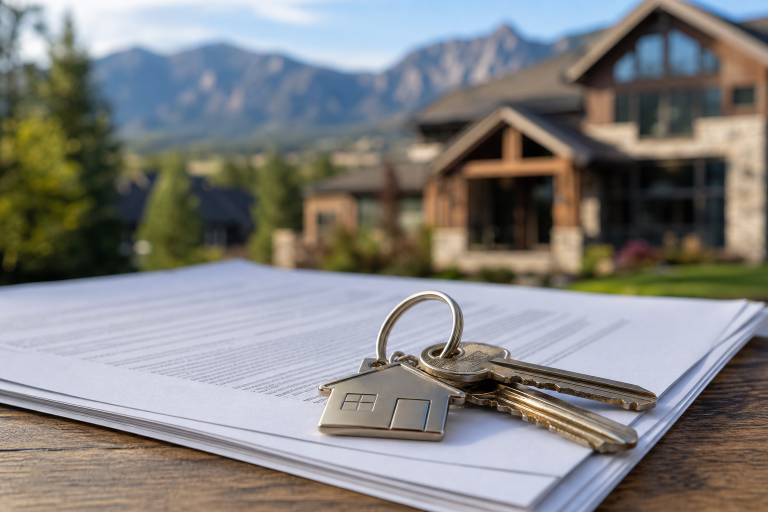
A luxury home purchase should be evaluated as a complete lifestyle and financial decision, not simply a comparison of square footage and asking price. Consider the community’s setting, service level, association finances, insurance requirements, access to amenities, privacy, future repair needs, and resale appeal before deciding which home offers the strongest fit.
2. Define the Lifestyle Before Comparing Homes
Start by clarifying how the property will serve your household. A primary residence may require an efficient commute, nearby healthcare, schools, and year-round services. A second home may place greater value on lock-and-leave maintenance, club access, lake recreation, or proximity to an airport.
Not every amenity deserves equal weight. Golf, trails, fitness facilities, pools, dining, social events, and staffed gates add value when they match how you actually live. For example, a buyer who walks daily and entertains casually may be happier in a smaller home near trails and a clubhouse than in a larger home with amenities they rarely use.
3. Compare the Full Cost Of Ownership for a Luxury Home
The purchase price is only the opening number. Build an annual budget for each community and compare the following categories:
- Association fees: Identify what is covered, such as landscaping, snow removal, private roads, exterior upkeep, security, reserves, or shared insurance.
- Club costs: Ask whether membership is mandatory, optional, transferable, and whether it is subject to initiation fees, dining minimums, cart fees, or guest charges.
- Taxes and insurance: Estimate the post-purchase tax bill and obtain property-specific insurance quotes.
- Maintenance: Budget for roofs, HVAC equipment, windows, appliances, drainage, landscaping, docks, seawalls, or private utilities where applicable.
- Special assessments: Review whether upcoming capital projects could require an additional owner contribution.
A higher association fee is not automatically a poor value. It may support professional management, healthy reserves, quality maintenance, insurance coverage, and services that reduce the homeowner’s individual responsibilities.
For a broader homebuying budget checklist, the Consumer Financial Protection Bureau’s homebuyer resources can help buyers organize financing and closing considerations.
4. Separate Required Fees From Optional Services
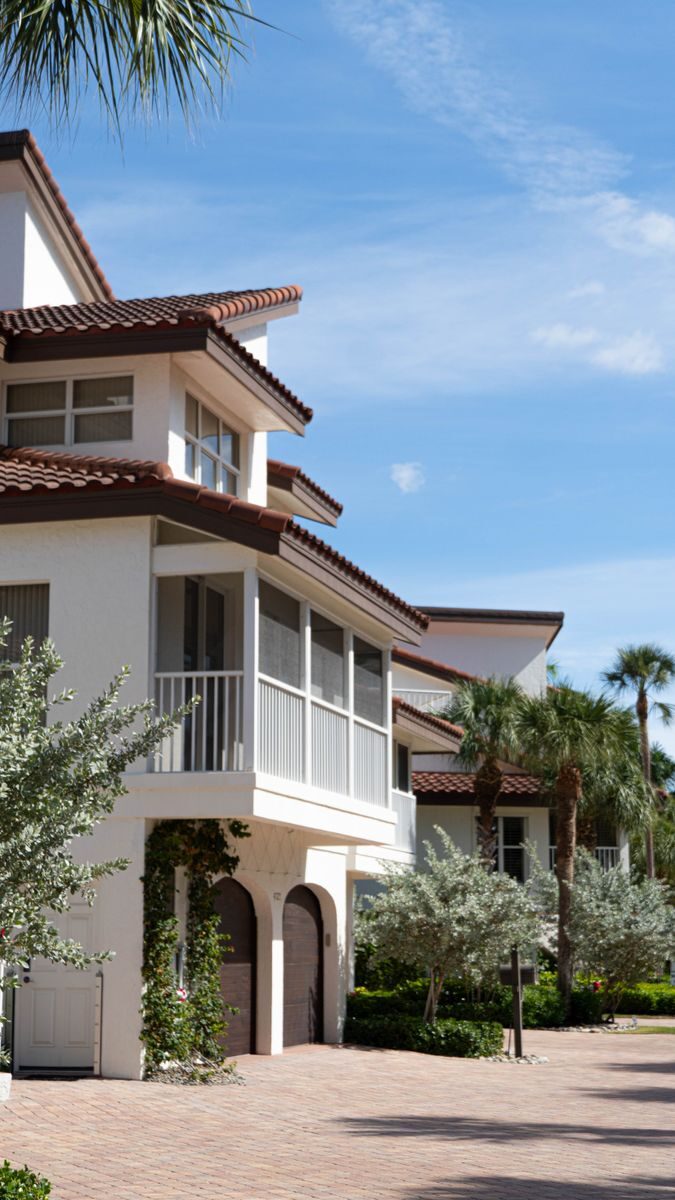
Request the current association fee schedule before making an offer. Then separate mandatory costs from discretionary ones. Two similarly priced homes can have very different annual carrying costs if one includes a required club membership, a transfer charge, a storage fee, a food minimum, or a separate recreational membership.
5. Review the Home’s Location Within The Community
The exact lot often matters as much as the home itself. Golf frontage can provide open views but may also bring cart traffic, maintenance activity, and errant balls. Lakefront settings can offer scenic and recreational opportunities while raising additional questions about shoreline, drainage, insurance, or flood risk.
Homes close to gates, roads, clubhouses, and service areas can be convenient, but they may be less private or quiet. An interior lot may offer better seclusion at a lower cost.
6. Check Association Health and Home Condition
Ask for the association budget, reserve information, insurance details, meeting minutes, assessment history, and rules. Repeated fee increases, unusually low reserves, deferred repairs, or planned work on roads, roofs, drainage, bridges, pools, and shoreline structures deserve careful review.
Also, look beyond cosmetic updates. Confirm the age and condition of the roof, HVAC systems, windows, appliances, mechanical equipment, and exterior surfaces. During inspections, pay particular attention to water intrusion, moisture damage, grading, foundation concerns, and drainage.
Review permits and invoices for major renovations when available, then estimate likely five-year repair costs rather than focusing only on what will be paid at closing.
7. Study Insurance and Weather Risks Early
Request insurance estimates during due diligence, or earlier for homes near water, with older roofs, unusual construction, or prior claims. Premiums and available coverage can affect affordability and future resale demand. Review drainage patterns, wind exposure, backup-power plans, and community emergency procedures.
Buyers can search for an address through the official FEMA Flood Map Service Center as one part of a broader flood-risk review.
8. Measure Privacy, Access, and Daily Convenience
Visit at different times of day and assess real-life logistics. Compare drives to work centers, airports, schools, medical care facilities, restaurants, and shopping centers. Ask about gate hours, visitor procedures, delivery access, road maintenance, parking, pet policies, rental restrictions, and renovation rules. These details frequently influence long-term satisfaction more than a dramatic foyer or oversized garage.
9. Use Local Market Data Carefully
Luxury markets often have limited sales, so broad city or county averages can be misleading. Focus on recent comparable properties within the same community. Separate renovated homes from dated homes, and account for lot type, views, privacy, club status, condition, and location within the neighborhood. Review days on market, sale-to-list price ratios, available inventory, and several relevant sales rather than allowing one exceptional transaction to define value.
10. Build a Community Scorecard
After each tour, score every community from one to five and give greater weight to the factors that will matter most over time:
- High priority: Location and commute, total annual cost, home condition, association health, and resale potential.
- Medium priority: Privacy, setting, amenities, services, and neighborhood character.
- Personal priority: Golf, boating, social programming, guest accommodations, lock-and-leave convenience, or space for multigenerational visits.
Questions To Ask Before Making an Offer on a Luxury Home
- What does the association fee cover, and what remains the owner’s responsibility?
- Are memberships required, and can they be transferred?
- Have fees increased or assessments been issued recently?
- Which repairs have been completed, postponed, or planned?
- What insurance should be arranged before closing?
- How often do homes sell here, and which features support the strongest demand?
Common Questions from Luxury Home Buyers
Is The Most Expensive Community Always The Best Choice?
No. The best choice of luxury homes aligns with your lifestyle, total cost, desired privacy, property condition, and plans for resale or long-term ownership.
Are High HOA Fees Always A Warning Sign?
No. Review the services, reserves, insurance, and maintenance funded by the fee before deciding whether it represents good value.
Should Buyers Choose A Newer Home?
Newer construction can reduce near-term repairs, while established communities may offer mature landscaping, proven services, and a stronger resale record. Compare the complete ownership picture.
Choose the Community That Fits Real Life
The right luxury home is not necessarily the largest or most heavily marketed one. A well-chosen community combines a practical location, manageable long-term costs, sound condition, useful amenities, appropriate privacy, and a setting that supports how you intend to live in 2026 and beyond.
Also read: The Essential Role of a Transaction Coordinator in Real Estate