
During annual property inspections, commercial property managers routinely face questions about water safety and regulatory compliance. One concern that arises is the risk of contaminated water entering the building’s potable supply due to backflow—an event where water flows in the opposite direction, potentially introducing pollutants or chemicals.
Regulatory agencies require annual testing of backflow prevention devices, and failure to comply can result in fines, tenant complaints, or even business disruptions. Understanding how backflow prevention systems work, what annual compliance involves, and how to document inspections ensures property managers can confidently address these challenges and protect their facilities.
Backflow Prevention Systems in Commercial Plumbing Infrastructure
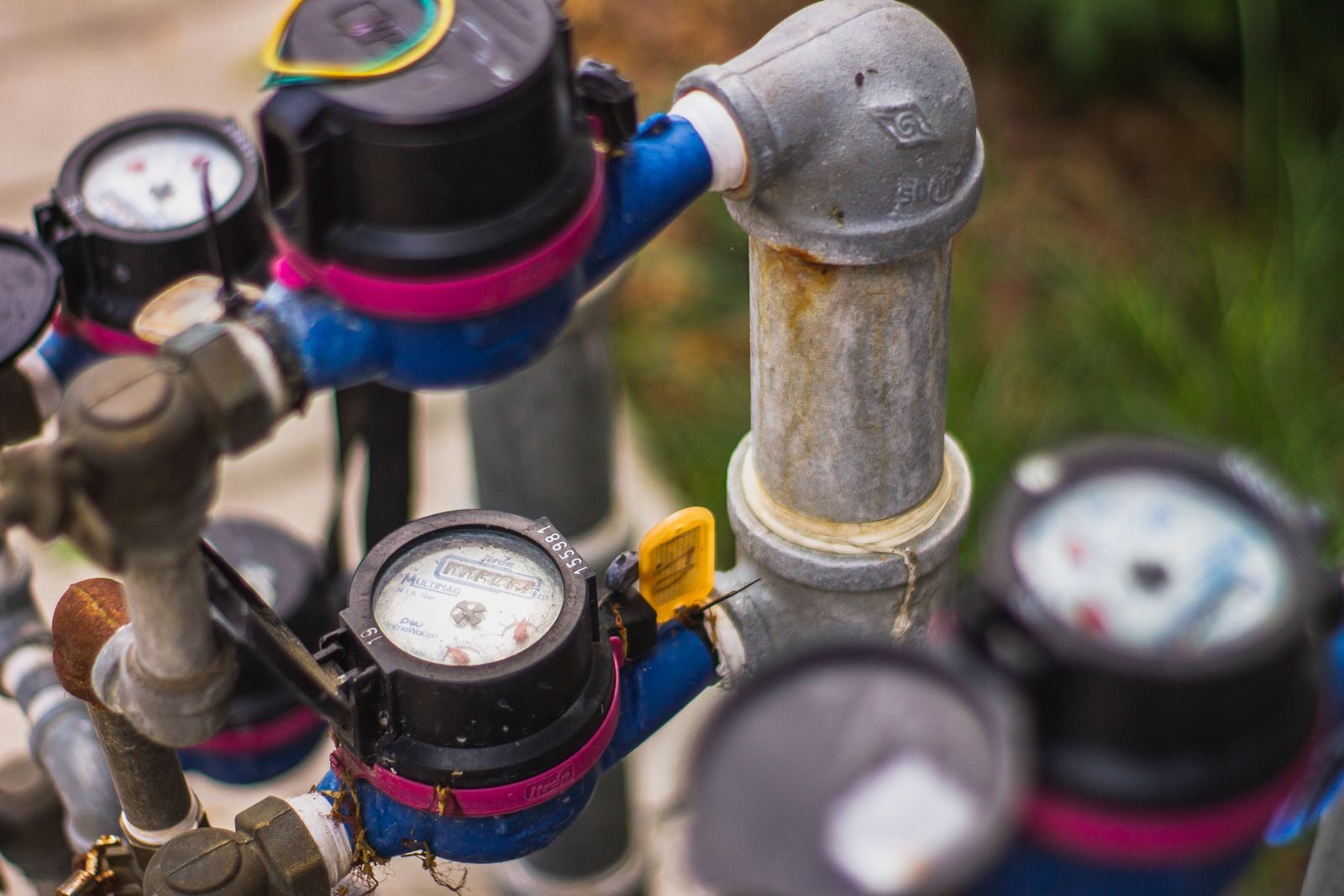
Backflow prevention devices, such as reduced pressure zone assemblies (RPZs) and double check valve assemblies, are installed within a building’s plumbing system to block contaminated water from reversing direction and entering drinking water lines.
These devices are often placed at the point where the municipal water supply connects to the property, and in some cases, at specific outlets like irrigation lines or fire suppression systems. The selection of the appropriate device depends on the degree of hazard posed by the facility’s operations, such as whether chemicals are stored onsite or if there are cross-connections to industrial equipment.
Proper installation and regular inspection of these devices are critical for maintaining water safety. Commercial property backflow compliance requires that these systems be accessible for annual testing and maintenance, and that they remain free from obstructions that could prevent proper operation. Property managers should confirm with their plumbers that all necessary backflow prevention assemblies are documented on the building’s plumbing schematics.
Reviewing different types of backflow prevention devices helps managers identify which assemblies are installed, ensuring the right maintenance schedule and compliance documentation.
Regulatory Requirements for Annual Backflow Testing
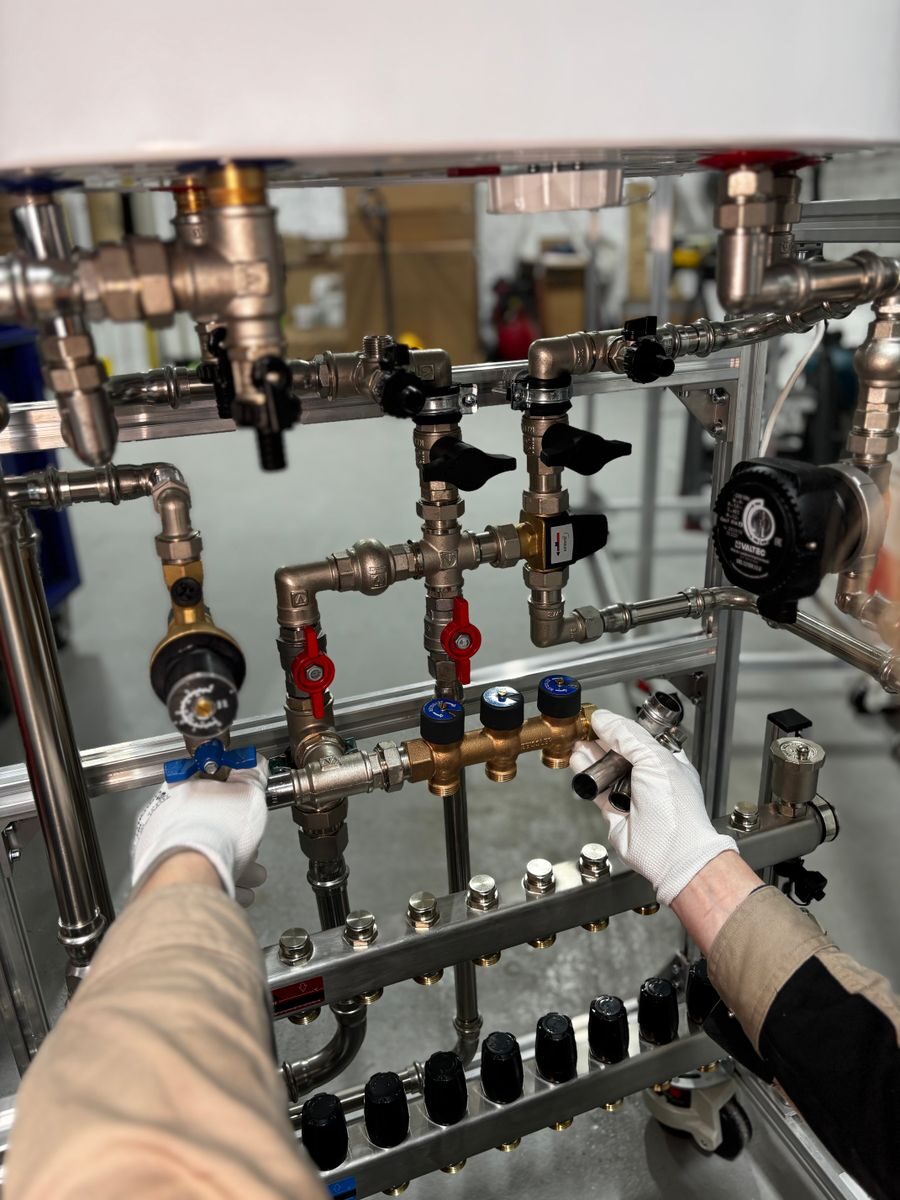
State and local health departments typically require annual testing of backflow prevention devices in commercial buildings by a certified tester. This annual inspection verifies that each device is functioning correctly and has not been tampered with or damaged. For facilities with multiple assemblies—such as separate irrigation, fire, and domestic water connections—each assembly must be tested and certified individually.
Compliance deadlines and documentation standards can differ by location, but most jurisdictions require a test report to be submitted to the water authority within a specific timeframe. Failure to comply can lead to penalties or even service interruptions. Managers should schedule annual tests well before deadlines to allow time for repairs, if needed, before the compliance report is due.
The process of annual backflow testing requirements establishes a routine for scheduling, documentation, and corrective action, which supports commercial property backflow compliance efforts.
Common Causes of Backflow Contamination in Business Facilities
Backflow incidents in business environments often stem from cross-connections—points where potable water and non-potable water systems meet. Examples include connections to boilers, fire sprinkler systems, or irrigation lines that use fertilizers or pesticides. Sudden drops in water pressure, such as when a main line breaks or during firefighting operations, can also trigger backflow by reversing the normal flow of water.
In facilities where chemicals or industrial fluids are present, even minor plumbing changes or unauthorized modifications can introduce new cross-connection risks. Property managers should educate maintenance staff and tenants about the importance of not altering plumbing fixtures or bypassing backflow prevention devices. Visible leaks, corrosion, or changes in water color or taste should be investigated immediately as potential signs of device failure.
Routine review of Backflow Prevention for Businesses provides practical steps for identifying risks and maintaining preventive systems in commercial settings. This resource helps managers stay current with required inspection and maintenance procedures.
Managing Compliance Records for Property Inspections
Maintaining accurate records is a key part of commercial property backflow compliance. Property managers should keep test reports, maintenance logs, and certification documents organized and readily accessible for review by regulators or auditors. Many jurisdictions require records to be retained for several years, and some mandate electronic submission through online reporting platforms.
Well-organized compliance records help managers demonstrate due diligence during inspections, respond quickly to tenant concerns, and support insurance claims if contamination occurs. Storing digital copies of all documentation, along with the dates of upcoming tests and device locations, streamlines future compliance efforts.
When properties are sold or transferred, having a complete history of backflow testing and maintenance protects both buyers and sellers by confirming that all regulatory obligations have been met and that water safety has been consistently prioritized.
Conclusion
Setting annual reminders for backflow device testing and maintaining thorough compliance records makes annual inspections more efficient and reduces the risk of regulatory penalties. Confirm your property’s specific testing deadlines and reporting requirements, and work with licensed professionals to ensure every device is properly maintained.
Also read: The Biggest Maintenance Mistakes Commercial Property Owners Make






Be First to Comment