Most people think about doctors and nurses when healthcare heroes come up in conversation. Makes sense – they’re the ones getting attention in news stories and TV shows, rushing around hospitals and saving lives in dramatic fashion. But there’s a whole group of healthcare workers who barely get mentioned despite being absolutely crucial to how healthcare actually works day to day.
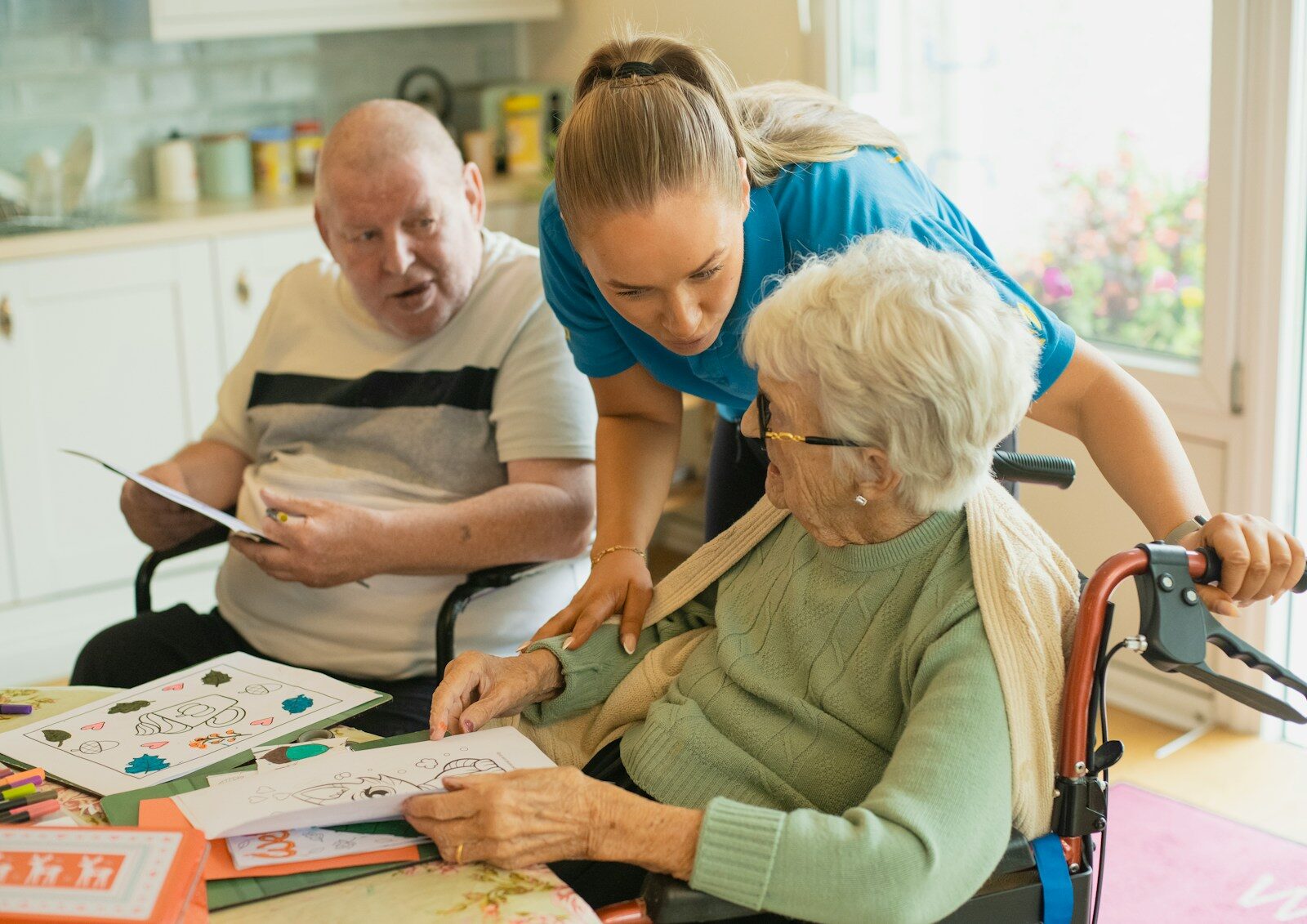
These are the direct care workers – home health aides, personal care assistants, companions, and certified nursing assistants who do the unglamorous but essential work of helping people manage their health conditions in real life. They’re the ones helping elderly clients get dressed each morning, supporting people with disabilities as they navigate daily routines, and providing the kind of human connection that often matters more than any medication.
What Direct Care Workers Actually Do
Direct care work is the foundation that keeps the healthcare system functioning, even though it doesn’t get much recognition. Doctors can diagnose problems and nurses can give medications, but direct care workers are the ones helping people actually live with whatever health challenges they’re facing.
The work goes way beyond just helping with basic daily tasks. Direct care workers often become the early warning system for health problems because they spend more time with clients than anyone else. Someone who works with the same person every day will notice when their mobility changes, when their mood shifts, or when their thinking seems different – sometimes before family members or medical professionals pick up on these changes.
Finding work in this field isn’t difficult because the demand is consistent. A caregiver job in Philadelphia or similar opportunities in other cities show just how available these positions are. The need keeps growing as populations age and more people want to stay in their own homes rather than move to institutional care.
What sets direct care apart from other healthcare work is the relationship aspect. These workers often become trusted parts of people’s support networks, providing continuity and emotional connection that can be just as important as medical treatment for someone’s overall well-being.

Skills That Actually Matter
The skills needed for direct care work are more complex than most people realize. Sure, there are physical aspects – helping with mobility, assisting with personal care, understanding basic health and safety. But the people skills are just as important, maybe more so.
Communication becomes critical when working with people who might be dealing with memory problems, depression, or frustration about losing independence. Direct care workers need patience, the ability to really listen, and good judgment about when situations need input from family or healthcare professionals.
Problem-solving happens constantly because every person’s needs are different and every home presents unique challenges. Maybe someone with limited mobility lives in a house with narrow doorways, or someone with dementia keeps forgetting to take medications. Direct care workers have to figure out creative solutions that work for each individual situation.
Cultural awareness matters too because direct care workers serve people from all different backgrounds with varying approaches to health, aging, and family dynamics. Being able to respect and work within different cultural contexts while still providing good care takes real skill.
The Money Problem
This is where it gets really annoying – direct care workers get paid terribly for work that actually requires skill and makes a huge difference. People doing essential healthcare work are struggling to pay rent while corporate executives in healthcare companies make millions. It’s backwards and it means good workers leave for jobs that pay better, even if those jobs matter less.
But the money these workers save the system is enormous. They catch problems before someone ends up in the ER. They keep people out of nursing homes that cost thousands per month. They make it possible for family members to keep their regular jobs instead of becoming full-time caregivers. The math works out in everyone’s favor except the workers themselves.
COVID made this crystal clear. Direct care workers kept showing up when everyone else was staying home, often without masks or hazard pay. They did it because they knew their clients needed them for everything from basic care to just having someone to talk to. Essential workers who got treated as expendable.
What This Work Really Does for Communities
Direct care workers do more than just help individual clients – they keep entire communities healthier and more connected. They help elderly people stay in their own neighborhoods instead of disappearing into institutions. They make it possible for people with disabilities to participate in community activities and maintain friendships.
The economic impact ripples out in ways that don’t get measured. When someone’s 80-year-old mother has good home care, that person can stay at their job and keep contributing to the local economy. When someone with a disability has reliable support, they can work, volunteer, or just be active community members instead of being isolated at home.
Direct care workers become unofficial community resources too. They know which clients need rides to doctor appointments, which ones are feeling lonely, and which ones might benefit from connecting with each other. They end up being bridges between people who might otherwise lose touch with their communities.
The Slow Path to Respect
Direct care is finally starting to get treated as real professional work instead of something anyone can do. Some states have created training programs that let workers specialize in areas such as dementia care or supporting people with complex medical needs. There are more opportunities to advance within the field instead of hitting a dead end.
But the progress is painfully slow. Direct care workers still get paid less than retail workers in many places, despite needing more skills and taking on more responsibility. The benefits are often terrible, if they exist at all. And there’s still this attitude that caregiving is just natural women’s work that doesn’t require training or professional development.
The healthcare system runs on these workers, whether anyone wants to admit it or not. They’re the reason people can age at home with dignity, live independently despite disabilities, and stay connected to their families and communities during health crises. If that’s not heroic work, what is? It just happens one person at a time, in living rooms and bedrooms, where nobody’s watching.