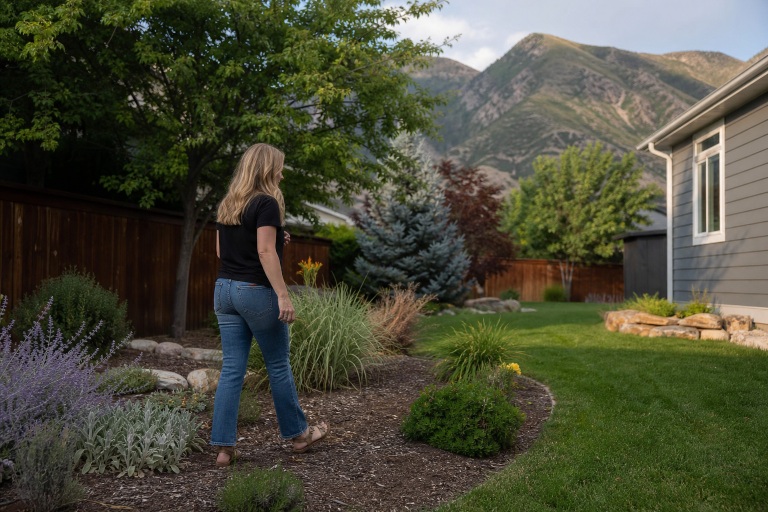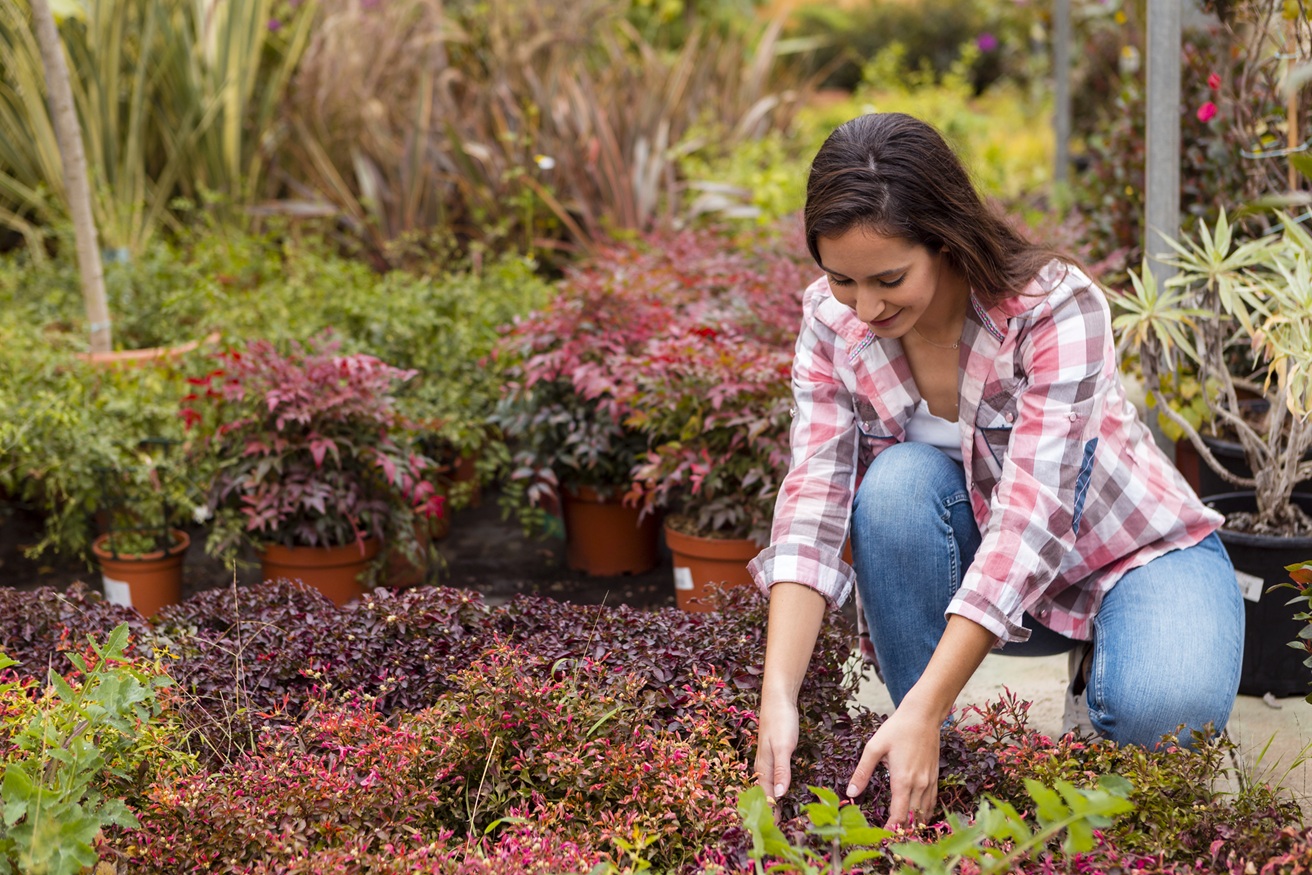
Many easy-care gardens don’t work not because of the work they’re given, but because they’re based on designs that make work inevitable. The owner is bequeathed a template that revolves around a vast swathe of grass that must be mowed, watered, and fed throughout the season; swathes of thirsty annual bedding plants that will scorch and die if not hand-watered in summer droughts; and fast-growing hedges that threaten to engulf paths or windows if they’re not trimmed every fortnight or so. Then everyone throws up their hands in horror when the typical suburban garden requires 2-5 hours of solid work every single weekend all summer.
Reduce The Lawn, Reduce The Labour
The lawn demands more frequent maintenance work in the garden. Be it mowing, edging, fertilizing, and aerating, the list goes long. Hence, the idea is to remove as much of the grass as you can and replace it with hardscaping. This could be in the form of stone pavers or compacted gravel or even timber decking, each of which manifests as a relatively low-maintenance alternative to living green stuff.
When hardscaping is designed and inbuilt properly, you also end up with a garden that has more form and complexity than an expanse of lawn ever will. Decorative gravel is possibly the most effective of the lot, as it is clearly non-accidental, can be walked on without damage, and requires virtually no maintenance as long as you have clearly defined edges to keep it where it belongs.
This is probably the number-one trick to making a garden look as if it’s in good shape even when it’s not the right season for the plants to be doing the talking. The less lawn there is, the better the lawn there is looks.
If a play area or a particular focal expanse of lawn adds so much value that you can’t bear to think of losing it, keep it. Better one carefully tended patch of lawn than a sad afterthought in umpteen different locations.

Plant Selection Is The Whole Game
The obvious fact that a “right plant, right place” rule governs whether a given garden thrives or withers is ignored by most gardens. Put a moisture-loving plant in a space with poor or compacted drainage and it requires endless coddling to survive. Put that same plant in an ideal spot, and it will likely fend for itself, occasionally sending up a little cheer of thanks.
Water and light requirements tend to go hand in hand, and proper _grouping of plants by these requirements,_ known as hydrozoning can lead to the treatment and automation of irrigation. Rather than pumping gallons and gallons of good drinking water over your lawn and gardens at tremendous cost, because it’s coming from a treatment facility and is pumped there in the first place, you could be using up to a third of all residential water. Mulch, drips, and redesigning your concept of what a pretty yard means can take a bite out of that.
Native species are the best bet because they don’t need you to change much of anything in order to be fine. They’ve survived here under these conditions for thousands or millions of years, and they’ll get along alright without you. They won’t notice if you go away for two weeks, or if you forget to feed them. Nor will they have the sorts of minor complaints that require pesticides; those insects can’t stand your natives. Most importantly, they won’t be needing poison to thrive.
Perennials take a while. They can sulk for the first couple of years as they establish, but this is what is making them last and last. Would you prefer to keep planting the same petunias over and over, or just wait a season or two and never have to do it again?
Ground cover doesn’t need to be watered or mowed. If it’s working correctly in your garden, it’s quite literally a structural component that is at work out there. It is blocking the light the soil needs to spring up weeds, and it is a solid carpet that is preventing erosion.
Build Around Anchor Plants
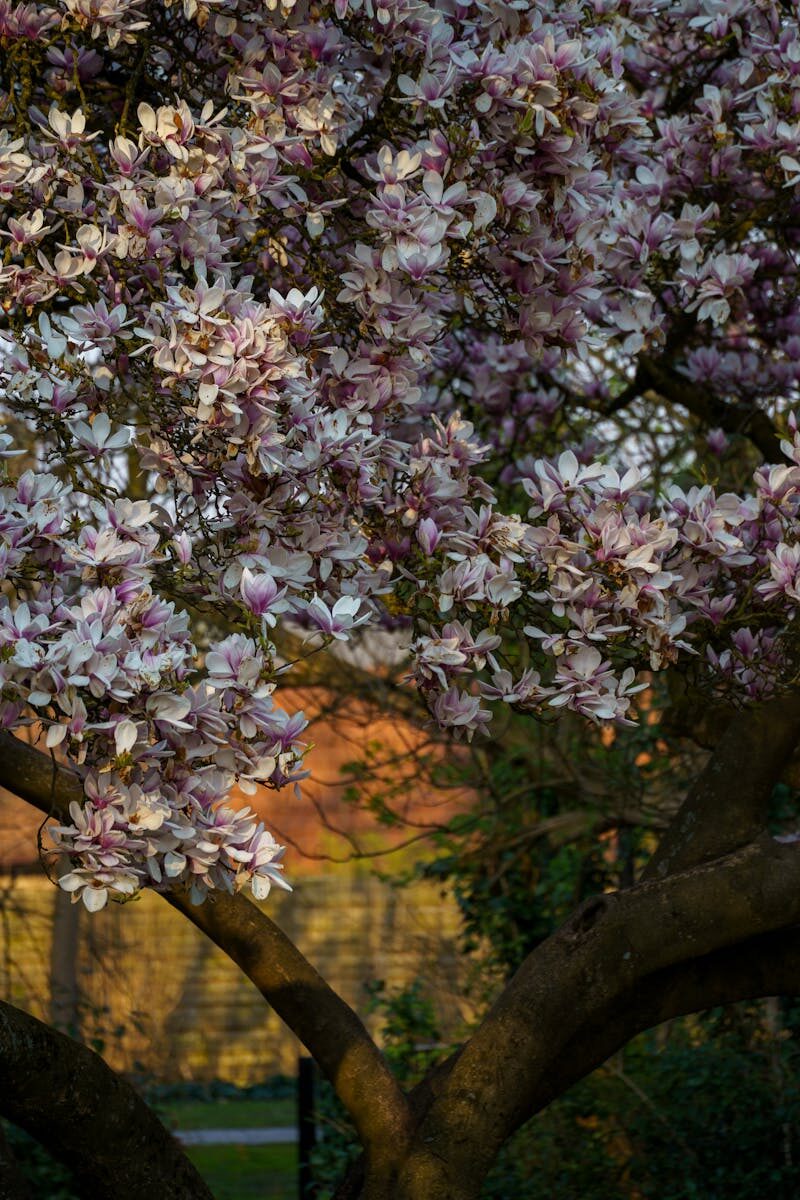
A garden that keeps its shape through winter and neglect needs its form from some plants at its core. Slow-growing shrubs and ornamental evergreens give you that form all year and are surprisingly low maintenance – they don’t grow fast because you don’t spend half your life trimming them to shape!
Fast-growing plants can seem an easy fix, but while they rapidly cover your lapse borders, they rapidly want to cover everything else too if you aren’t netting their growth. A slow-growing specimen shrub will often look better in five years’ time and take up a fraction of the maintenance hours to reach its potential.
A mature tree is the biggest and best structural element your garden will ever have – and the biggest one most often mismanaged. You want an arborist, not a tree lopper, and people like GTS Trees working with your mature trees – they will shape the tree to still look natural, but remove the risks. A badly butchered mature tree is a hazard as well as a sad thing to look at, and it’s not something a weekend warrior with a handsaw can remedy.
The Two Interventions That Eliminate Most Other Tasks
Two practices handled correctly will take care of the majority of ongoing garden work.
Mulching: Apply a four-inch layer of organic mulch each year and most weed germination will be suppressed, soil moisture retained and root systems will be more protected from temperature extremes. Mulch isn’t a cosmetic finish. It’s a factory worker between visits. Do without and you’ll just have to work the shift yourself.
Irrigation: A drip irrigation system on a smart controller that takes local weather data makes you immune from both overwatering and the labor of hand-watering. Drip also keeps walkways and areas between plants dry where bothersome weeds would otherwise germinate. It costs to establish but savings build up every week in the season.
Slow-release fertilisers are on the same time-saving principle. Instead of a flush of growth that needs cutting back, the nutrients are accessed in a steady stream. The plant grows steadily and requires less pruning and keeps a steadier shape.
Occasional Intervention Beats Constant Correction
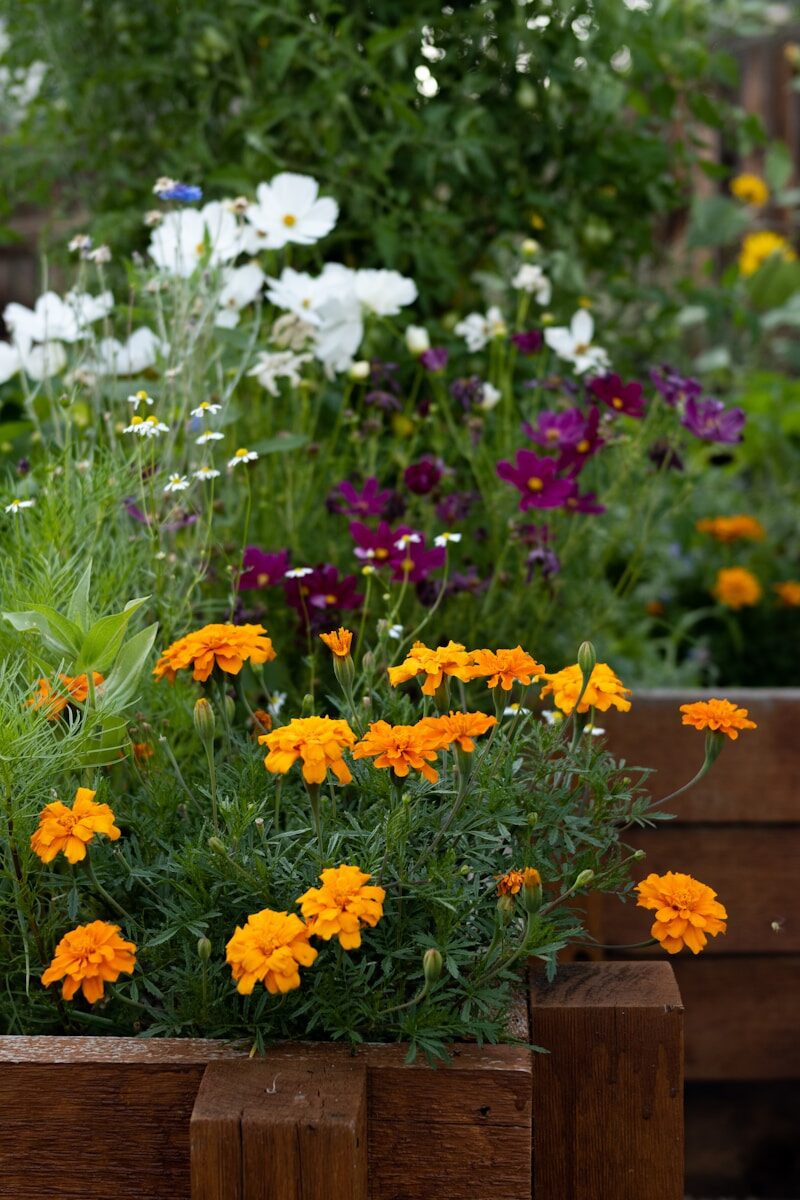
Well-managed gardens are not necessarily the ones you sweat over every Saturday. They are the ones you attend judiciously to key tasks each season: a good cut back in late winter; fresh mulch in the spring; a soil check every couple of years. The rest of the time, you mostly look. That’s the point, actually: not a low-maintenance garden but a responsive one where, after the appropriate work is put in, not much happens and that is understood to be as it should be.
8 Design Trends That Can Have a Bigger Impact on Your Home Than You Expect