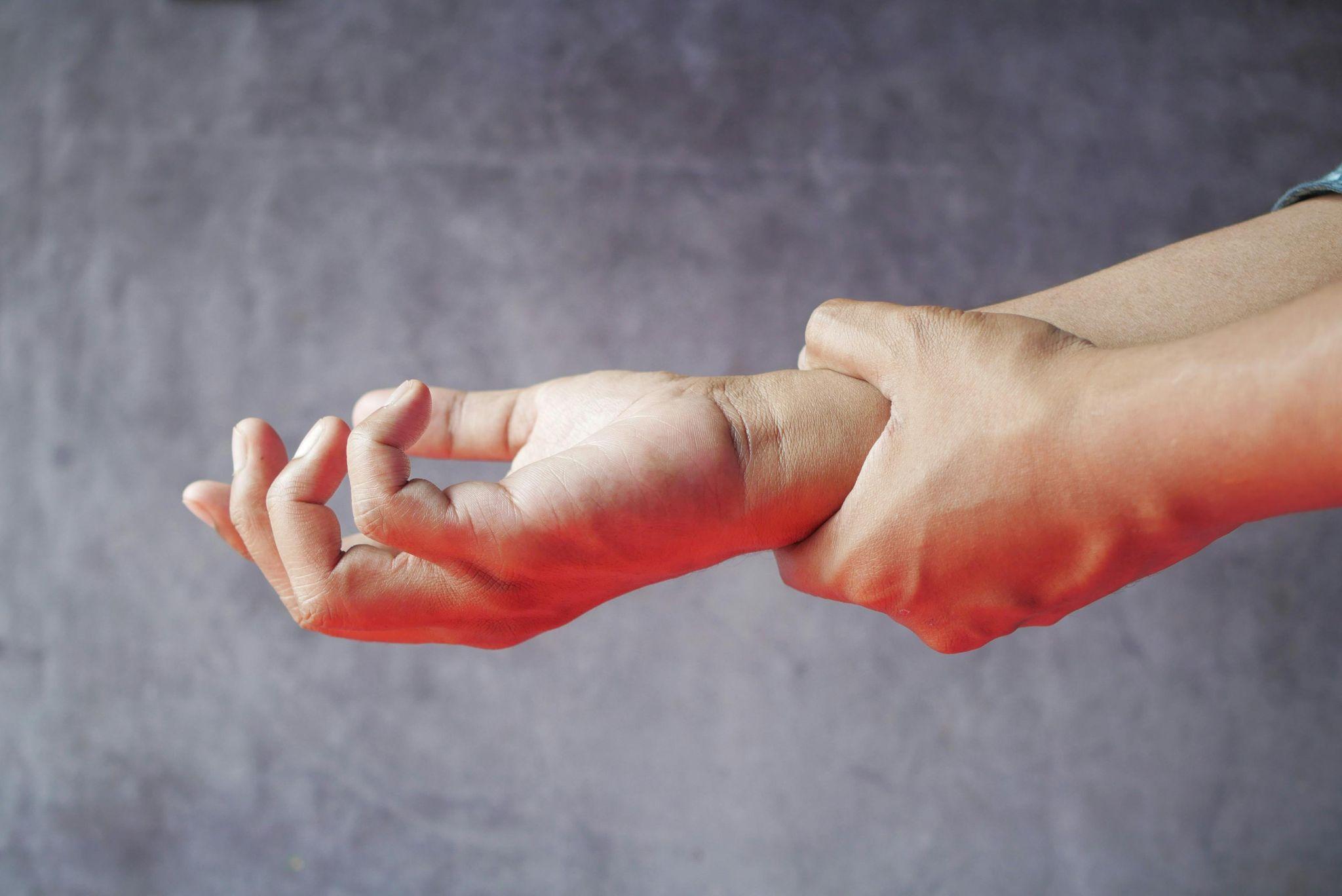
A hand injury can happen when you least expect it. One moment, everything feels fine, and the next, you are dealing with pain, swelling, or trouble using your hand. It can feel frustrating, especially because we rely on our hands for almost everything we do each day. The good news is that many hand injuries heal well with the right care and a bit of patience.
Recovery does not happen overnight, though. Knowing what to expect and how to take care of your hand can make a big difference. In this guide, you will learn about the typical healing timeline and simple ways to support faster recovery.
When to Seek Medical Attention First
Not every hand injury should be treated at home. Some symptoms can point to a more serious issue that needs medical attention right away. If you feel severe pain, notice swelling that does not go down, or have trouble moving your fingers, it is important to get checked. Numbness or tingling is another sign that should not be ignored.
In these situations, visiting a reliable hand injury urgent care provider can help you understand what is going on and start proper treatment early. Quick care can prevent small problems from becoming bigger ones later. Even if you are unsure, it is always safer to have a professional take a look.
Understanding the Healing Timeline
Healing from a hand injury depends on how serious the injury is. A mild sprain may heal quickly, while a fracture or tendon injury may take longer.
In the first few days, your hand may feel sore and swollen. You might find it hard to move your fingers. This is your body’s natural response to injury. During this stage, rest is very important.
After about one to two weeks, swelling and bruising often start to improve. You may begin to move your hand a little more, depending on your doctor’s advice.
By three to six weeks, many soft tissue injuries begin to heal. You may notice better movement and less discomfort. For more serious injuries, healing may still be in progress at this point.
After six weeks, the focus usually shifts to regaining strength and flexibility. Some people may need exercises or therapy to fully recover. Keep in mind that everyone heals at a different pace.
Rest and Protect Your Hand
Rest is one of the most important parts of recovery. It might be tempting to use your hand as soon as it starts to feel better, but doing too much too soon can slow down healing.
Try to avoid activities that cause pain or strain. If your doctor recommends a splint or brace, use it as directed. This helps keep your hand in a safe position and prevents further injury.
Giving your hand time to heal may feel inconvenient, but it helps you avoid a longer recovery later.
Use Ice and Elevation the Right Way
Swelling is common after a hand injury, and managing it can help reduce pain. Applying ice for short periods can be very helpful. Aim for about 15 to 20 minutes at a time, a few times a day. Always wrap the ice pack in a cloth to protect your skin.
Elevation also plays an important role. Try to keep your hand raised above your heart when possible, especially during the first few days. This can help reduce swelling and improve comfort.
Start Gentle Movement When Ready
Once swelling and pain begin to ease, gentle movement becomes important. Keeping your hand still for too long can lead to stiffness, which may make recovery harder.
Start with simple movements like bending and straightening your fingers. These small actions can improve blood flow and help your hand regain function.
Always check with a healthcare provider before starting exercises, especially if your injury was more serious. Moving too quickly can cause setbacks.
Manage Pain Safely
Some level of pain is expected during recovery, but it should be manageable. Over-the-counter pain relief can help, but it is important to follow the instructions on the label.
If your pain gets worse instead of better, or if it feels sharp and constant, it may be a sign that something is not healing properly. In that case, it is a good idea to seek medical advice.
Pay attention to your body. It often gives clear signals when something is not right.
Focus on Strength and Flexibility
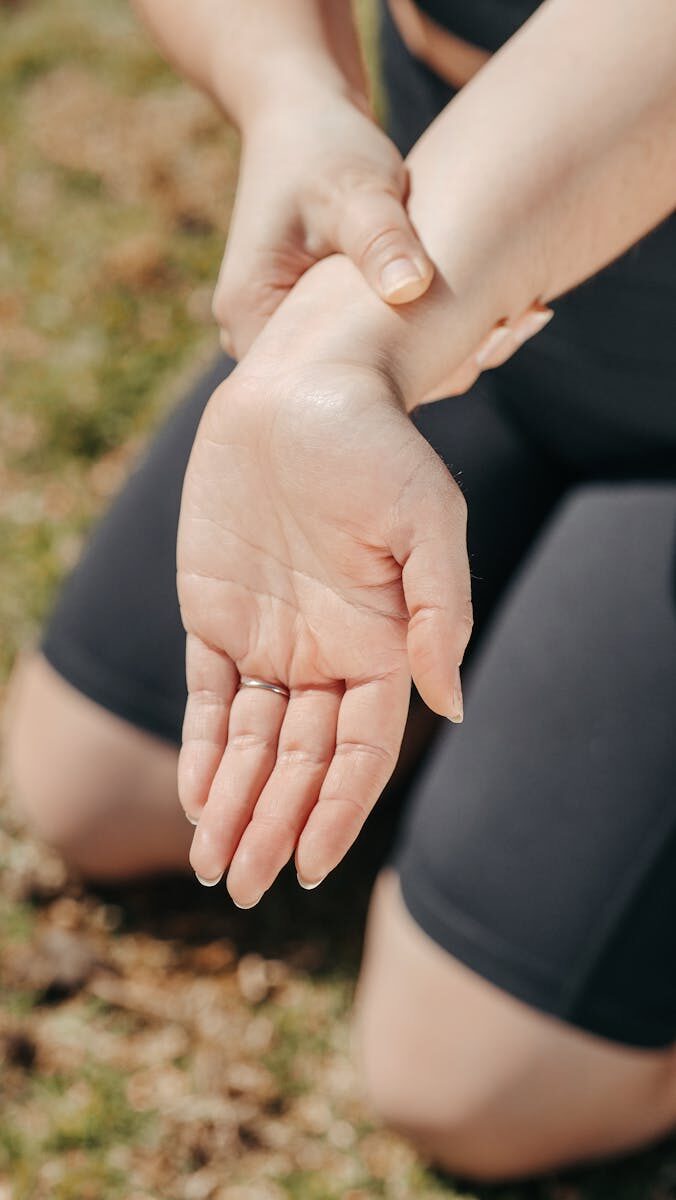
As healing continues, rebuilding strength and flexibility becomes the next step. Your hand may feel weak after being injured, which is normal.
Simple exercises, like squeezing a soft ball or gently stretching your fingers, can help improve strength. Do these exercises slowly and regularly.
It is important to stay consistent. Small efforts each day can lead to steady progress over time. Avoid pushing too hard, as this can lead to discomfort or delay healing.
Watch for Signs of Delayed Healing
Most hand injuries improve with time, but sometimes healing takes longer than expected. It is important to watch for signs that something may not be right.
If you notice ongoing swelling, pain that does not improve, or difficulty moving your hand after a few weeks, it may be time to get checked again.
Ignoring these signs can lead to long-term issues, so it is better to address them early.
Healthy Habits That Support Healing
Your daily habits can affect how quickly your hand heals. Eating balanced meals with enough nutrients helps your body repair itself. Drinking enough water and getting proper rest also support recovery.
Avoid smoking, as it can slow down healing by reducing blood flow. Taking care of your overall health can make a noticeable difference in how your injury improves.
Recovering from a hand injury takes time, but with the right approach, you can support your body through the process. Paying attention to your symptoms, following basic care steps, and seeking help when needed can all make a difference. With steady effort and patience, most people are able to return to their normal activities without lasting issues.