In an age where our lives unfold across screens, the ability to document and share our experiences has become deeply personal. Whether you’re a parent recording your child’s first steps, a traveler capturing the soul of a new destination, or someone simply wanting to preserve memories with loved ones, video has become the language through which we tell our stories.
The shift from static images to moving footage reflects something fundamental about how we connect, remember, and celebrate the moments that matter most.
Yet for many of us, the barrier to creating quality video content feels insurmountable. Professional equipment seems expensive and complicated. Smartphone cameras, while convenient, often leave us frustrated with shaky footage or poor lighting. The good news is that technology has evolved to meet us where we are.
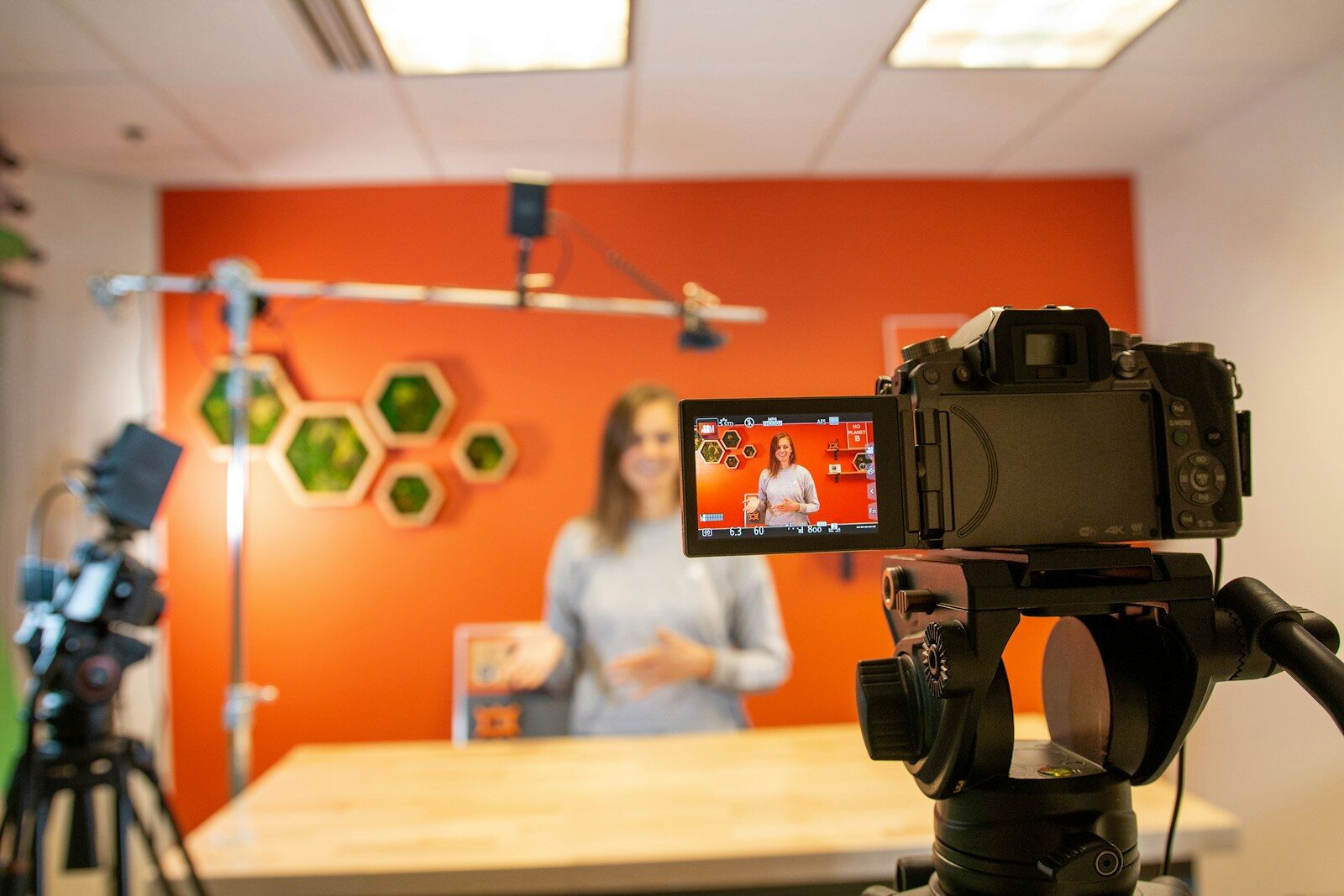
Tools like 4k webcams from Insta360 have made it possible for everyday creators to produce polished, engaging content without needing a film degree or a second mortgage. The democratization of video creation means that anyone with a story to tell can now tell it well.
The Rise of Personal Video Storytelling
Video has fundamentally changed how we preserve and share memories. A decade ago, most of us relied on photographs and the occasional home video. Today, video is woven into the fabric of how we communicate. We send video messages to distant family members, document our wellness journeys, share travel experiences, and create records of moments we never want to forget.
This shift isn’t merely about technology adoption. It reflects a deeper human need to be seen and heard. When you share a video of yourself speaking about something meaningful, you’re offering more than information. You’re offering presence. Your tone of voice, your facial expressions, your energy all come through in ways that text or still images cannot capture.
For those of us who write, create content, or simply want to connect more authentically with others, video has become an essential medium.
The challenge, however, remains accessibility. Not everyone has the time, budget, or technical knowledge to invest in professional equipment. This is where modern content creation tools have stepped in to level the playing field.
Quality Doesn’t Require Complexity
One of the greatest misconceptions about video creation is that quality requires complexity. The truth is far simpler: good video comes from clear intention, decent lighting, and stable footage. You don’t need multiple cameras, professional lighting rigs, or editing software that takes months to learn.
What you do need is equipment that handles the technical heavy lifting for you. Modern cameras and recording devices come equipped with stabilization technology that eliminates the shaky, amateur feel that plagued home videos for decades. They feature autofocus systems that keep you sharp and in frame, even when you’re moving. Many include built-in microphones that capture clear audio without requiring additional investment.
The beauty of contemporary video tools is that they’re designed with creators in mind, not engineers. The interface is intuitive. The learning curve is gentle. You can pick up a device and start creating meaningful content within minutes, not weeks.
Finding Your Voice Through Video
For writers and storytellers, video offers a new dimension to personal expression. If you’ve spent years crafting words on a page, moving to video might feel like learning a new language. In many ways, it is. But the core skill remains the same: clarity of thought and authenticity of voice.
Video allows you to share not just what you think, but how you think. Your pacing, your pauses, your emphasis all become part of your message. For someone accustomed to the written word, this can feel vulnerable at first. But it’s also liberating. You don’t need perfect grammar or polished prose. You need presence and honesty.
Many creators find that video actually frees them from some of the perfectionism that can paralyze written work. A video doesn’t need to be edited to perfection. A slight stumble, a genuine laugh, a moment of reflection can all add to the authenticity of what you’re sharing. Your audience doesn’t expect a broadcast. They expect you.
Practical Considerations for Getting Started
If you’re considering adding video to your creative practice, a few practical considerations can help you get started without overwhelm. First, think about your purpose. Are you creating content for social sharing, for your personal archive, for professional purposes, or for a combination of these? Your answer will guide your equipment choices.
Second, consider your environment. Where will you be recording most often? In your home office, outdoors, while traveling? Different settings may call for different approaches. A device that works beautifully in controlled indoor lighting might struggle in bright sunlight, or vice versa.
Third, think about your workflow. How much time do you want to spend editing? Some creators love the post-production process and want maximum flexibility. Others prefer to capture content that requires minimal editing. Both approaches are valid. Your preference will influence which tools serve you best.
Finally, remember that you don’t need to have everything figured out before you start. The best way to learn video creation is by doing it. Start with what you have, make something, share it, and learn from the experience. Each video you create will teach you something about your own style and preferences.
One of the most rewarding aspects of video creation is the community it can foster. When you share your story authentically, you give others permission to share theirs. You create a space where vulnerability is welcomed and connection is possible.
This is particularly true for those of us navigating specific life experiences. Whether you’re managing a health condition, raising children, pursuing a creative passion, or simply trying to live with more mindfulness and gratitude, video allows you to find your people. The comments, messages, and conversations that emerge from shared video content often become as meaningful as the content itself.
Conclusion
Video creation is no longer the exclusive domain of professionals and technical experts. It’s a tool available to anyone with a story to tell and a desire to connect. The barrier to entry has never been lower, and the potential for meaningful expression has never been higher.
Whether you’re documenting your life, sharing your expertise, or simply capturing moments of joy with loved ones, video offers a powerful medium for authentic storytelling. The only question left is: what story will you tell first?