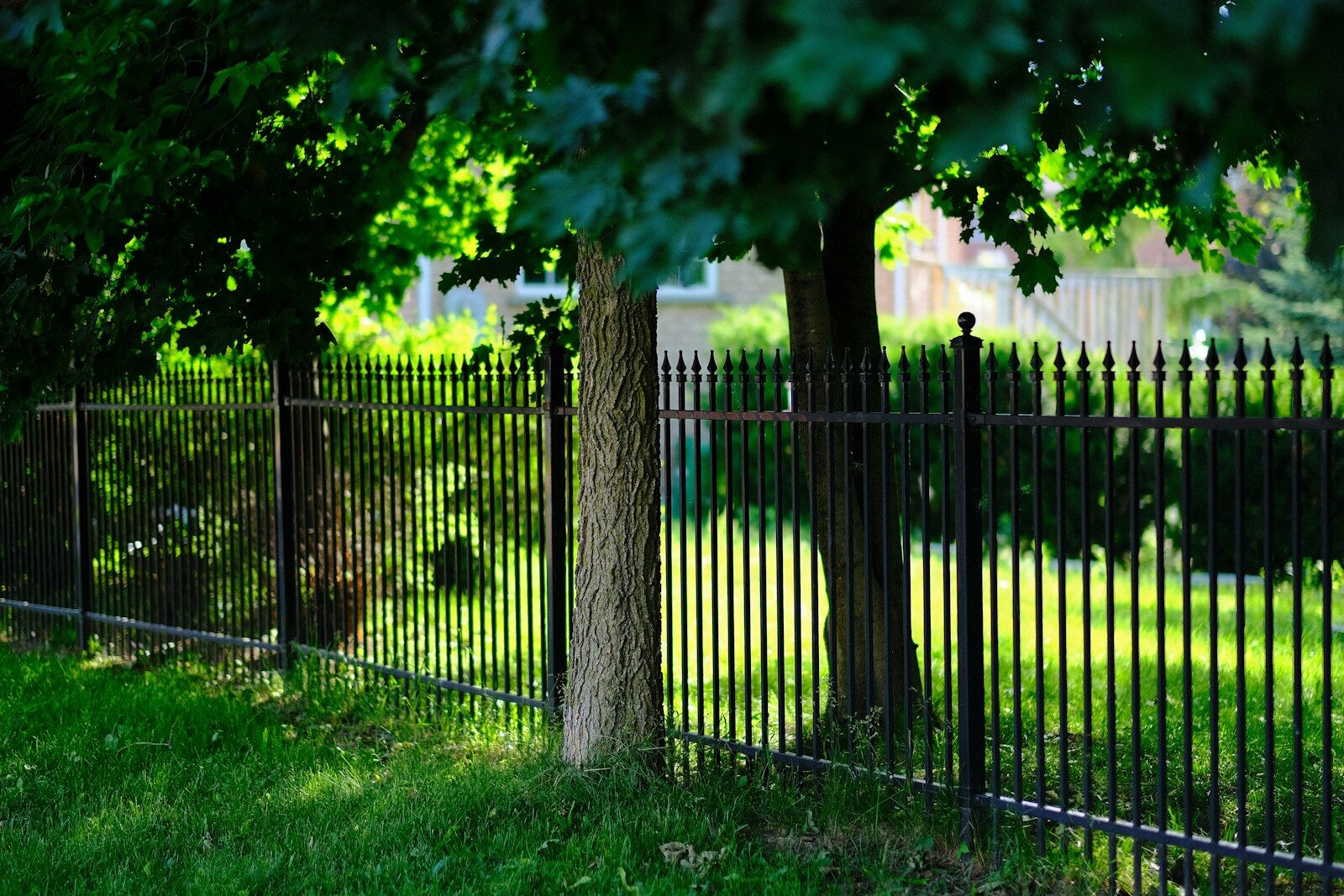
Tree trimming, a core practice within the field of arboriculture, involves careful cutting away of branches to maintain or improve tree health. This practice enhances the tree’s natural beauty and creates a safer and more appealing landscape. Whether one seeks tree trimming in Woodville or a different locale, understanding the principles behind proper trimming is key.
Consistent upkeep helps avoid crowded branches, bringing in sunlight and air circulation to nourish the foliage. This, in turn, decreases the chances of disease and pest attacks, ultimately improving the tree’s lifespan and health.
Benefits of Regular Tree Maintenance
Taking care of trees regularly has many benefits, such as improving their appearance and helping the environment. Primarily, it maintains tree health by removing dead or infected branches to halt disease spread. This proactive strategy helps prevent diseases and enables trees to focus on new growth, leading to more robust and healthier plants.
Furthermore, well-trimmed trees contribute significantly to the aesthetic appeal of properties, potentially increasing their market value.
Environmentally, trees are natural air purifiers, absorbing pollutants and providing oxygen. They also offer habitats for diverse wildlife, thus supporting local biodiversity. We contribute positively to our environment by engaging in regular maintenance while enjoying the personal benefits of a beautiful and healthy landscape.
Essential Tree Trimming Techniques
The effectiveness of tree trimming depends on the proper techniques such as thinning, topping, raising, and reduction. Effective trimming requires an understanding of tree species, growth patterns, and the best time of year for each trimming method, ensuring trees are over-pruned and resistant to damage.
Thinning involves selectively removing branches to reduce density and improve air and light penetration.
Topping is more drastic, involving cutting the top branches to promote a more compact shape.
Raising involves trimming the lower branches to provide pedestrian or vehicle clearance while reducing the canopy’s size.
Each technique serves unique purposes and is implemented based on the tree’s needs and environment.

Safety Considerations in Tree Trimming
Safety is critical during tree trimming operations. Proper safety gear is non-negotiable and includes protective gloves, helmets, safety goggles, and sturdy footwear.
These precautions guard against potential injuries from falling branches and debris. Additionally, knowledge of possible hazards—like power lines, unstable branches, or adverse weather conditions—is crucial.
Employing safe climbing techniques and ensuring secure ladder placements further mitigate risks. Professional arborists are well-versed in safety protocols, often employing safety harnesses and roping techniques to prevent falls.
If you choose the DIY route, educate yourself thoroughly on these safety measures to avoid accidents and ensure the trimming process goes smoothly and efficiently.
Tools of the Trade
Employing the correct tools is as important as the techniques when it comes to tree trimming.
Commonly used tools include pruning shears for small branches, loppers for slightly larger limbs, and saws or chainsaws for substantial cuts. Different saws, such as pole and hand saws, cater to specific tasks and tree sizes.
Recent advances in tool technology, including battery-operated electric tools and ergonomic designs, have made tree trimming more efficient and user-friendly.
Regular maintenance, such as sharpening blades and cleaning equipment, is necessary to keep tools performing at their best and ensure they last for many seasons.
The Impact of Climate on Tree Care
Climate significantly affects tree health and the required maintenance approach. Trees may grow slower in cooler climates, requiring less frequent trimming, whereas warmer regions may demand more attention.
Each climate presents distinctive challenges, such as droughts or monsoons, which can influence how and when to trim.
For instance, trees in arid regions require more focused trimming to conserve water resources, while in tropical areas, regular trimming is necessary to control rapid growth. Adapting care strategies to accommodate these climatic variations is essential.
Hiring Professionals vs. DIY
Choosing between hiring a professional arborist and a DIY approach involves various considerations. Professional trimmers bring expertise, comprehensive equipment, and an understanding of complex safety protocols, ideal for large or hazardous tasks.
While this option can be costly, it ensures thorough and safe tree care. On the other hand, a DIY approach may suit individuals looking to tackle more straightforward jobs themselves. Though cost-effective, this choice requires a good grasp of trimming techniques and safety measures.
Factors such as the tree’s size, the scope of work, and personal confidence in performing the task should be meticulously weighed in deciding which route to take.
Future Trends in Tree Maintenance
The future of tree maintenance looks towards technological innovation and sustainability. Emerging technologies, such as drones for monitoring tree health and software for predictive maintenance, are set to revolutionize traditional practices. These advancements allow arborists to identify potential issues swiftly and take pre-emptive measures, leading to healthier trees.
With increasing awareness of environmental problems, sustainable practices in tree care are gaining traction. This involves utilizing environmentally friendly products and techniques that support the environment instead of causing harm to it. As the field continues to evolve, adapting to these sustainable and technological trends becomes beneficial and necessary for effective tree care.