

While my body has been aging, my attic has been growing. Somewhere between my thirties and now, my home has become a sort of reluctant museum, except the curator (me) hasn’t checked the exhibits in decades.
Serendipitously, a friend gifted me a book about Swedish death cleaning or döstädning. ‘The Gentle Art of Swedish Death Cleaning: How to Free Yourself and Your Family from a Lifetime of Clutter’ by Margareta Magnusson.
By trimming down your belongings before you die, you spare your family and friends the distress of sorting through a lifetime of possessions while they’re grieving.
Death Cleaning is not as morbid as it sounds. It’s the practice of clearing your home of excess belongings so you don’t leave behind a burden for your loved ones when you die. Think of it as a final kindness to your family. In my case, I should be able to say, “I’ve handled the large trunk of antique brassware handed to me by my great-grandmother, so you don’t have to.” At 63, I’m not exactly planning my exit, but I am beginning to see the appeal of leaving behind peace rather than piles of stuff.
Take my loft, for instance. There are boxes I haven’t opened for more than two decades. I suspect they contain heirlooms, though “heirloom” in this case might just mean an embroidered tablecloth my great-aunt insisted was priceless. For all I know, the family silver could be in there. More likely, it’s the wedding favor from 1984 that I couldn’t bear to toss.
Every time I climb the ladder to the loft, it makes me feel like an archaeologist about to dig into an ancient civilization. It’s a game of What mysterious relics will I find today? Unfortunately, I usually end up shutting the lid quickly, because dealing with the emotional weight of “things” is far harder than lifting the boxes themselves.
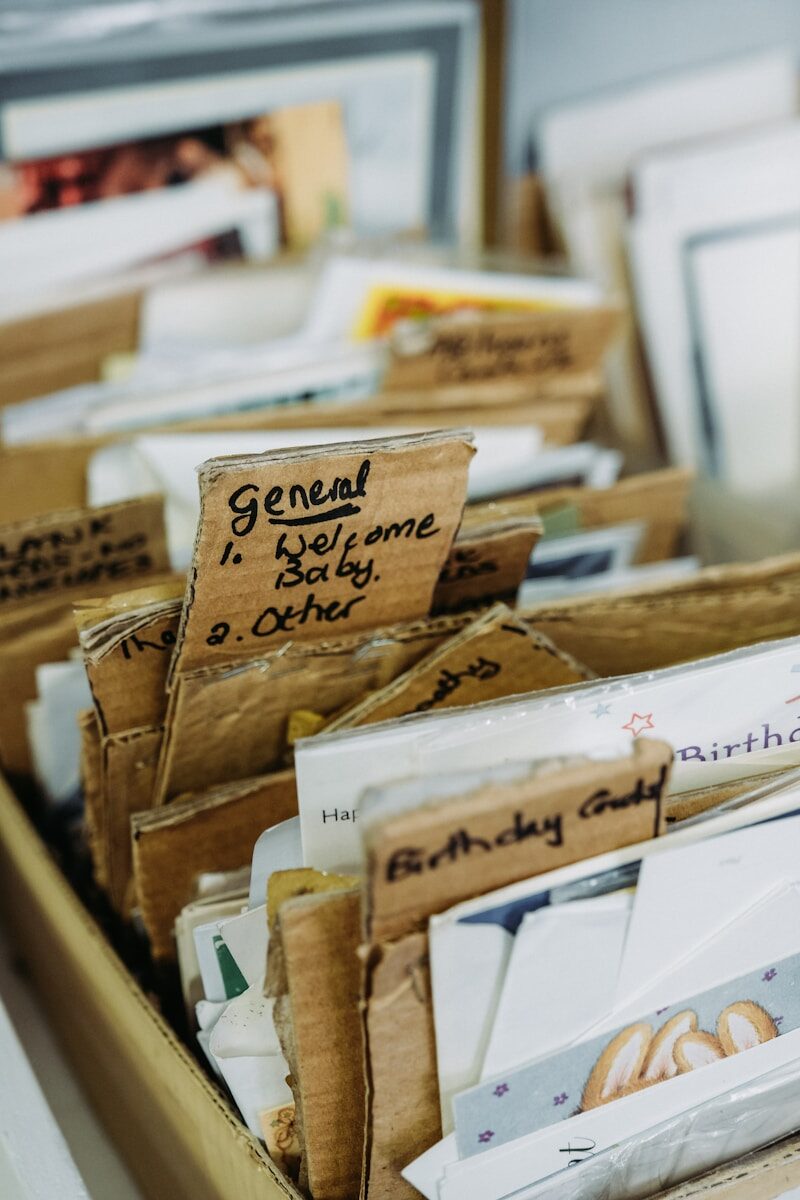
About five years ago, I stopped buying. Cold turkey. No more “just one more throw pillow” or “this mug will inspire me.” My cupboards groaned with mugs already — half chipped, all sentimental. That decision was liberating. Also, the urge to declutter was so strong that I began giving things away, too: books I knew I’d never read again, clothes I hadn’t worn since the 1990s and never would again, kitchen gadgets that seemed useful on TV but just mocked me from the shelves.
But the math of clutter is cruel. Four decades of accumulation cannot be undone in a few donation trips. For every bag I’ve carried out, my inner voice mocks me. Nice try, but you’ve barely made a dent.
Sometimes I do open a box and find something that makes me laugh, cry, or both. There was a set of German silver salad spoons and servers wrapped in yellowed parchment, gifted to me at my wedding. I never liked them; if I’m honest, they’re heavy, ornate, and clash with everything I own. Yet I’ve lugged them from house to house, city to city, like precious cargo. Why? Because every time I looked at them, I heard the giver’s laugh.
Or the trunk of my mother’s saris. They smell faintly of mothballs and sandalwood, and I don’t know if I’ll ever wear them. Still, each one tells a story: weddings, festivals, ordinary days made special by the way she draped the fabric. When I opened that trunk, I sat on the floor and cried, overwhelmed by how much cloth can hold.
Then there are the ridiculous things: a novelty keychain collection I started in my twenties, including one shaped like a flip-flop and another that lights up like a disco ball. A special matchbox with Def Leppard on it. A Hard Rock Café memento. I don’t know what my son would think of those.
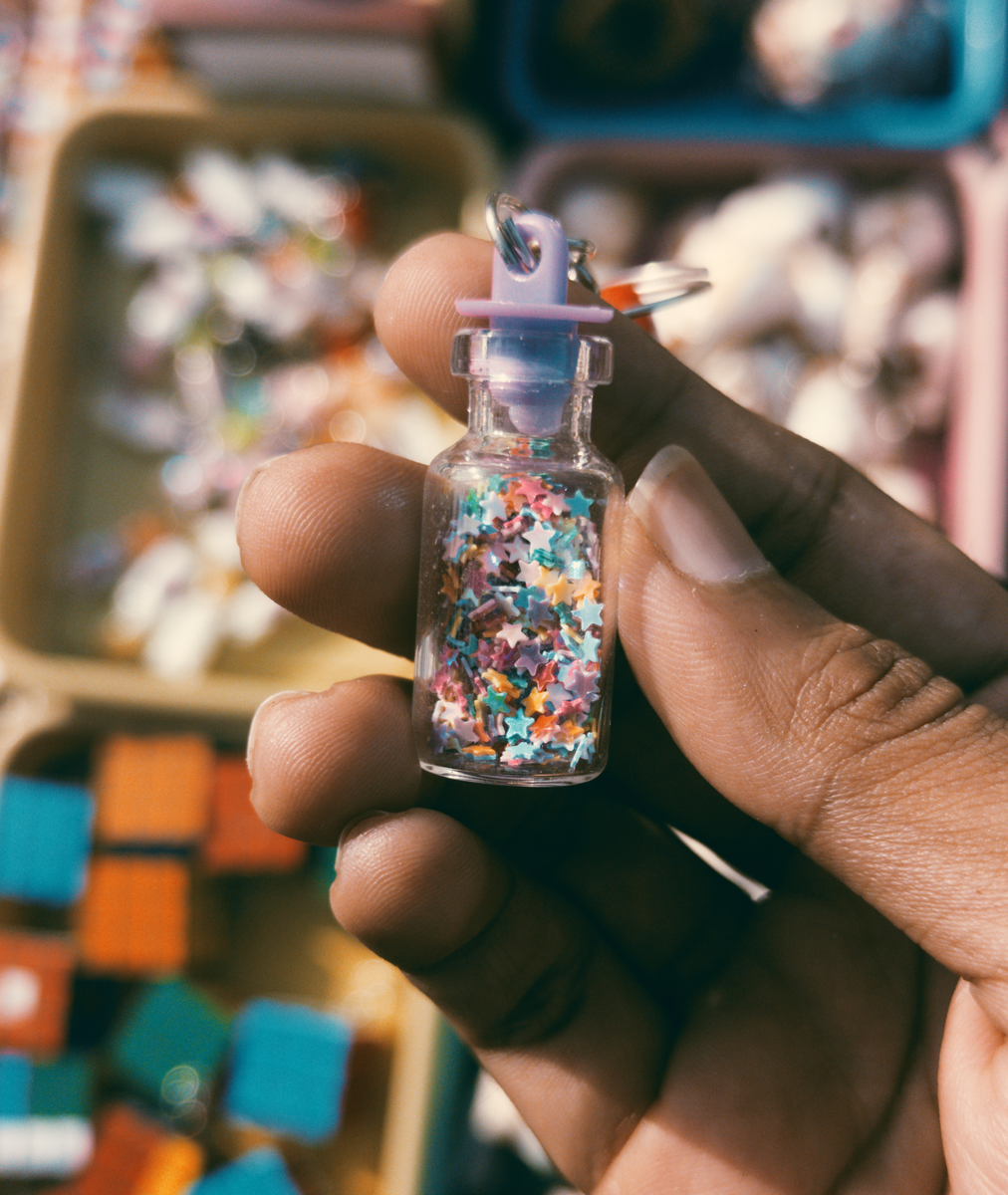
Sentimental attachment freaks me out
This is what makes death cleaning tricky: the hardest part isn’t the stuff itself, it’s the stories attached to the stuff. The dress I wore when my son graduated from school. The silk tablecloth my mother gave me, even though I’ve never hosted a dinner party that formal. The box of old letters I can’t bring myself to read, but can’t throw away either.
Death cleaning forces you to ask: Will anyone else care about this? The painful answer is usually no. My son doesn’t want my teacup collection. He doesn’t want my teacup stories either. He’ll smile politely, but he’ll be thinking, I hope I don’t have to deal with it.
And honestly? I don’t want him to feel guilty when he returns home in six months. I want him to see home as comfortable, clean, and light — not one that makes him feel like he has to sort through my entire life while trying not to cry into a pile of old photo frames.
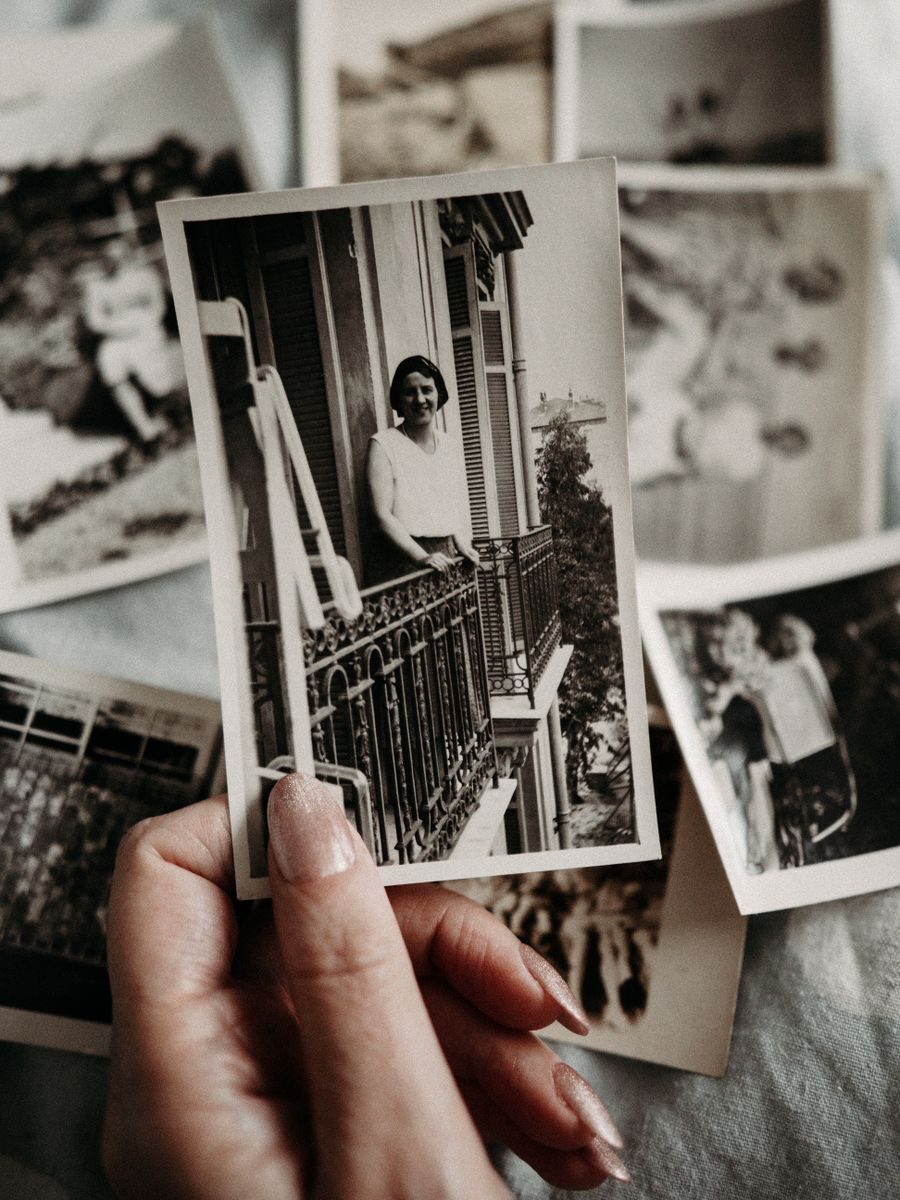
That’s when I discovered the trick that saves me. These days I take photos of everything I let go of. The silver salad spatulas? Photographed, donated, and no longer guilt-tripping me from the shelf. The saris? I carefully photographed each one before passing it on to people who would actually wear and cherish it. The keychains? Immortalized in pixels, then sent on their way.
In the process, I made a surprising discovery. I don’t really need to hold on to the object to keep the memory. I just need the story, and the photo helps anchor it. And let’s not forget the bonus of less dusting to do. Memories don’t collect cobwebs when they’re stored in the cloud.
Death Cleaning: Making space for joy while living
The more I let go of stuff, the more I notice the emotional shift. I’m beginning to understand that death cleaning isn’t about preparing for death at all. It’s about preparing for life, the life I want to live now, not the one I’ve been hauling around in boxes.
At 63, I don’t want my home to be a storage unit. I want it to be a joyous space. Space for fresh flowers on the table. Space to welcome my son without an apology tour through my mess. Space for me to sit, sip coffee, and feel at ease, rather than feeling miserable about the many boxes gathering dust and guilty about not having gotten around to dealing with them.
The truth is, the joy isn’t only in what comes after the clutter, but in the act of choosing. Every time I let something go, I remind myself that memories don’t live in objects; they live in me. My mother’s love isn’t in the tablecloth. It’s in the way she made me laugh, the advice she gave, the recipes she taught me. The tablecloth is just fabric.
Aiming for progress, not perfection
I don’t expect to finish this project in a week, or even a year. Decluttering is slow work. Sometimes I manage to donate a box. Some days I only manage to open one, sigh, and shut it again. Both count as progress.
What keeps me going is picturing the moment six months from now, when my son walks through the door. Instead of dodging boxes or politely pretending not to notice clutter, he’ll find a home that feels open, calm, and welcoming. I imagine him sinking into a chair with a smile instead of a sigh, and that vision is enough to nudge me toward the next donation bag, the next cleared shelf.
And I’ll admit — there are a few things I’ll probably keep forever, even if Swedish death cleaning experts would shake their heads. My son may one day curse my sentimental streak, but hopefully, he’ll find more relief than regret.
After all, this isn’t just about making life easier for my son when I’m gone. It’s also a kindness to myself now. I don’t want to fret about stuff anymore. I don’t want my energy tied up in boxes and clutter. I want mornings where I wake up and see sunlight falling on clean surfaces, not half-finished piles of “to sort.”
At this stage in my life, the best gift I can give myself is not more things, but more space. And the best gift I can give my son is the knowledge that when he comes home, he’ll find me in a house that feels like a home, not a warehouse.
Besides, if I do this right, I’ll finally be able to approach my attic without a helmet and a flashlight. And maybe, just maybe, by the time I turn seventy, I’ll have a living room that looks more like a place of joy and less like IKEA’s clearance section.
Thanks for reading!



Be First to Comment