Key Takeaways
- Focus on sustainability and energy efficiency influences major material and design choices.
- Biophilic design and open floor plans connect interiors with the outdoors and allow adaptable spaces.
- Smart technology elevates the home’s functionality, convenience, and security.
- Earth tones and natural materials cultivate warmth and comfort in living spaces.
- Nostalgic accents and wellness-focused features help homes feel timeless and supportive of healthy lifestyles.
Building a custom home is an exciting journey, and today’s homeowners want more than just a place to live. Every detail can be tailored, from room layout to finishing materials, resulting in a living space that reflects individual style and comfort.
In New Jersey and beyond, many are turning to New Jersey general contracting professionals to achieve their vision, bringing innovative and personalized touches to each project. As we look toward 2026, several key trends are shaping custom home design, blending sustainability, technology, comfort, and personal expression.
Whether you’re starting from scratch or planning a major renovation, understanding these trends ensures your home stays modern, functional, and in step with your evolving needs. Contemporary homeowners are more conscious than ever of their environmental impact and the importance of creating healthy, flexible spaces.
Thus, the latest trends reflect this new awareness, favoring earth-friendly approaches, seamless technology, and a greater connection with nature, both inside and out.
Sustainable and Energy-Efficient Materials
As environmental awareness grows, more homeowners are making sustainable, energy-efficient choices in their custom home designs. Materials such as reclaimed hardwood, bamboo, cork flooring, and recycled steel help lower environmental impact while providing durability and one-of-a-kind visual character.
Advances in green building practices enable tighter insulation, energy-efficient windows, and the widespread adoption of solar and geothermal systems. Investments in smart HVAC, low-flow plumbing fixtures, and solar panels can lower utility costs while shrinking a home’s carbon footprint.
Biophilic Design Elements
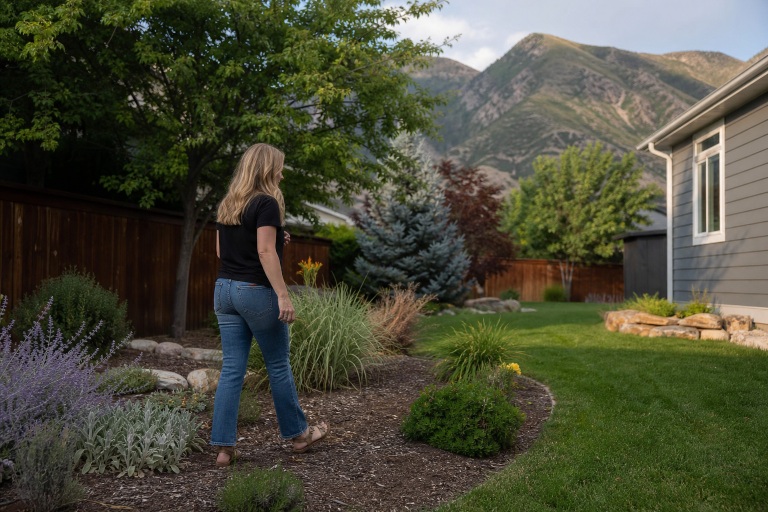
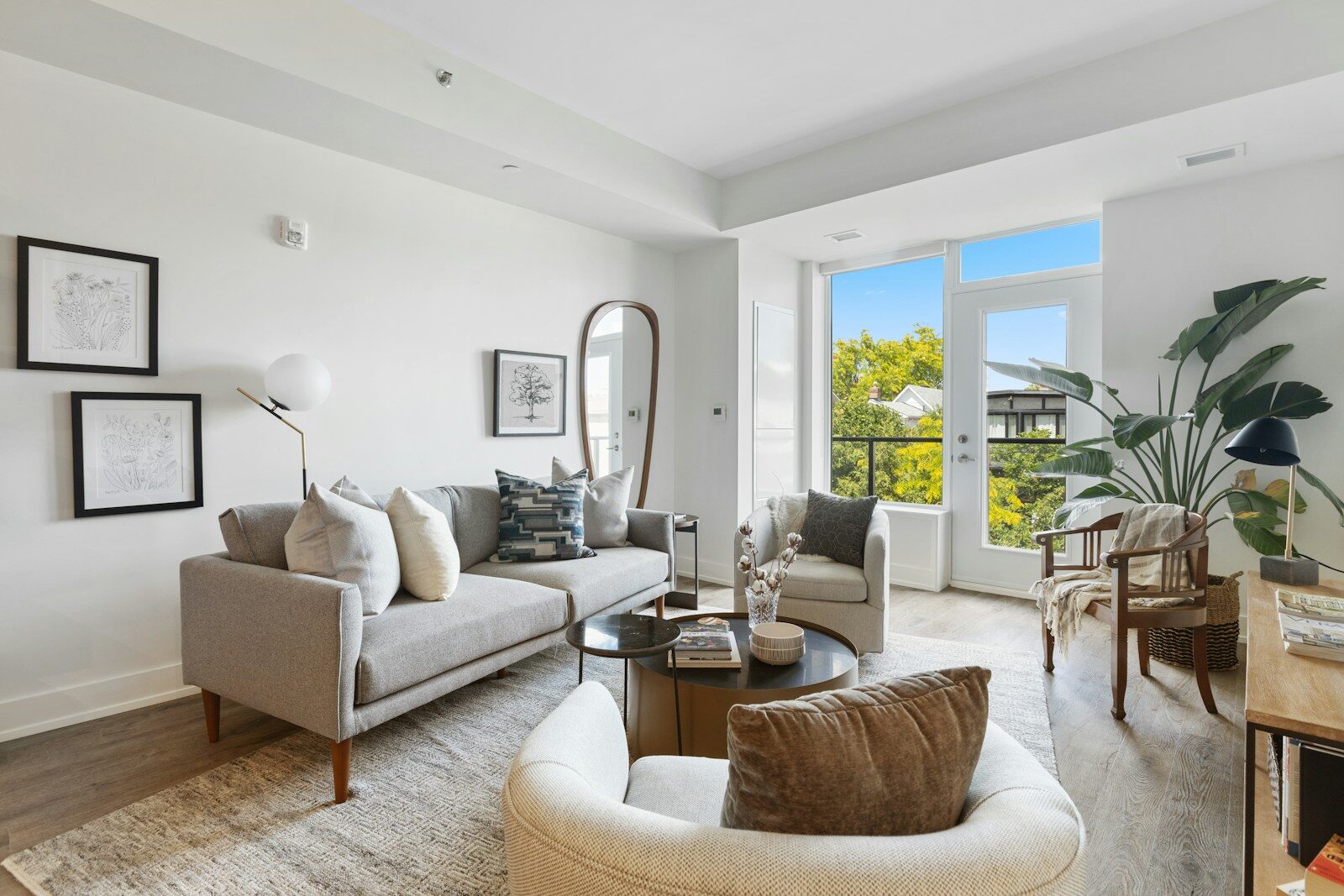
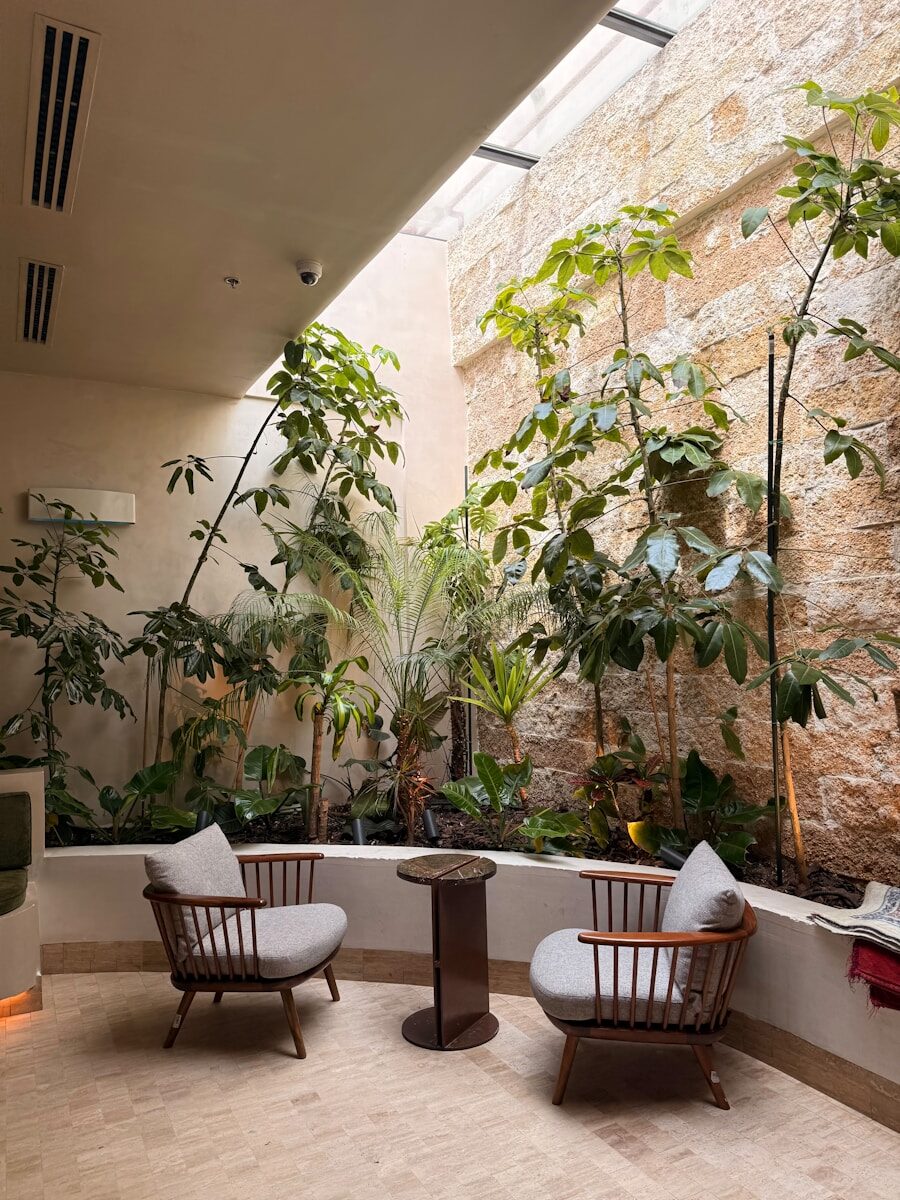
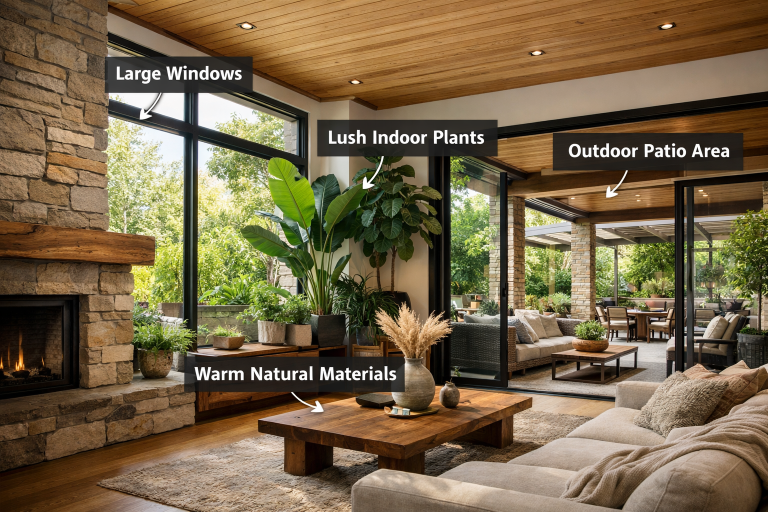
Biophilic design has become a staple in custom home building, integrating features that bring the outside in and nurture wellbeing by connecting people with nature. Abundant natural light, living green walls, and large sliding glass doors are increasingly popular, making gardens, patios, and yards feel like extensions of the main living space.
Natural materials such as stone, wood, and woven fibers enhance this sense of connection, while strategically placed indoor plants help purify the air and add visual interest. These spaces often foster improved mood, focus, and relaxation, supporting a healthier lifestyle.
Flexible Floor Plans
Flexibility is vital as needs and lifestyles evolve. Open-concept layouts remain popular, but today’s designs go even further, featuring adaptable rooms that easily shift functions. With many people working from home or requiring multifunctional spaces, architects are reimagining traditional layouts.
For example, sliding partitions, Murphy beds, and convertible furniture enable rooms to transform from offices to guest bedrooms or media rooms. This versatility ensures that your home is ready for anything, from remote work to hosting family gatherings, keeping pace with life’s changes.
Smart Home Technology
Home technology is now woven into the very fabric of custom home building, providing both convenience and incredible control. Smart thermostats, automated lighting, voice-activated appliances, and advanced security systems all make daily living easier and more intuitive.
Builders are integrating these systems early in the construction process, resulting in streamlined setups that can be managed from phones or through voice commands. These innovations not only enhance daily comfort but also boost energy efficiency and safety, appealing to modern sensibilities and security needs.
Natural, Warm Materials and Earth-Inspired Palettes
Another defining trend is the move away from cold, minimalist interiors toward warmth and earthiness. Design palettes now embrace terracotta, olive green, deep browns, and creamy neutrals, paired with tactile materials such as unfinished wood, leather, and hand-thrown ceramics.
These choices create welcoming, comfortable spaces that feel inviting year-round, with a distinctly organic aesthetic. Bringing in natural textures and subtle hues fosters a calm, grounded atmosphere that soothes both the eyes and the spirit.
Wellness-Focused Features
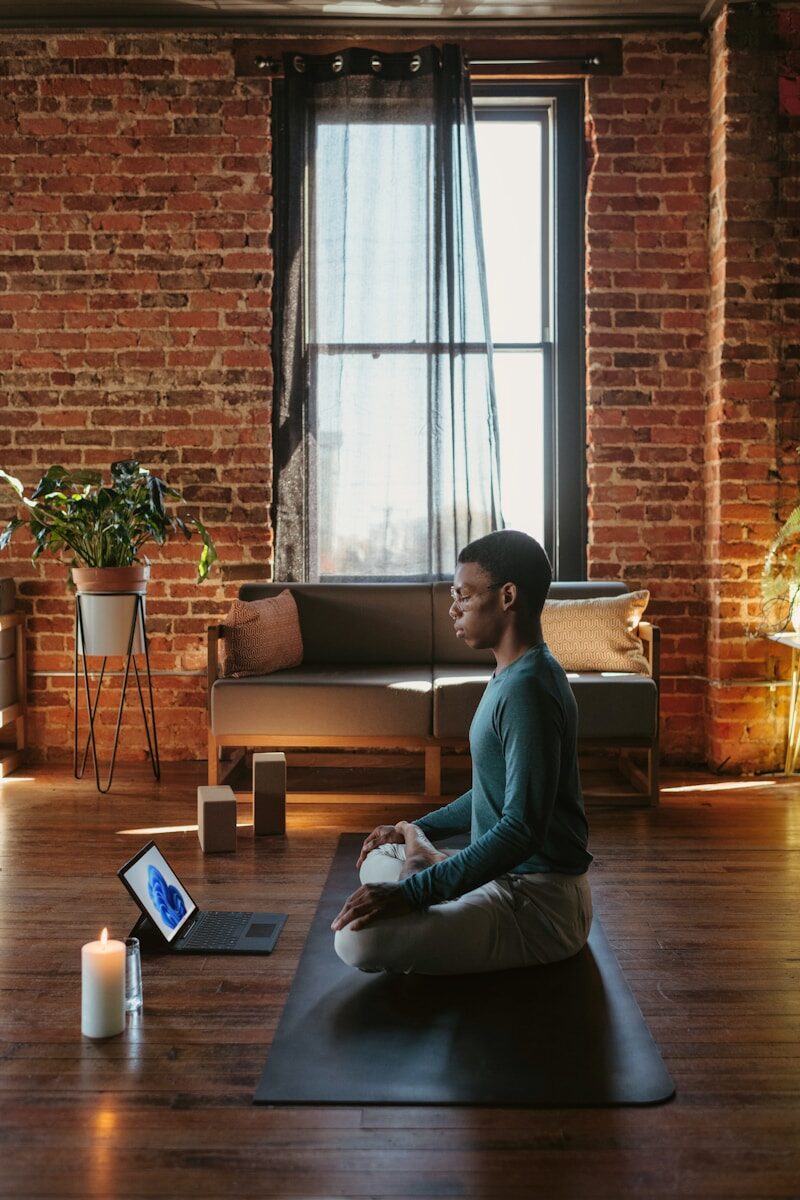
Health is becoming paramount in house design, with custom homes now frequently outfitted with features that prioritize physical and emotional well-being. Wellness rooms, yoga studios, and meditation nooks offer dedicated spaces for relaxation and exercise, while improved air and water filtration systems ensure a healthier indoor environment.
Non-toxic paints, hypoallergenic surfaces, and natural ventilation strategies are now standard features, contributing to better indoor air quality and reduced stress.
Embracing Nostalgic Design Elements
While modern timelessness is still key, there is a growing appreciation for nostalgic design elements that add character and charm to new homes. Details such as colored glass accents, traditional cabinetry, decorative moldings, and vintage light fixtures introduce a sense of history and personality.
By artfully blending these features with modern layouts and amenities, homeowners achieve a look that is both contemporary and rooted in the past, making each living space feel one-of-a-kind and personal.
Conclusion
Staying attuned to evolving trends in custom home building enables you to create a residence that is both functional and full of lasting appeal. By thoughtfully incorporating sustainable practices, flexible layouts, advanced technology, and wellness-minded elements, your home can truly reflect your personal values and style.
By blending modern innovations with timeless comfort, today’s custom homes offer a unique living experience that adapts to your needs now and for years to come.