
Every home gives off signals, subtle ones, when something is off. There is that fix-it-later mindset that quietly builds over time. A small crack here, a strange noise there, and suddenly the list grows longer. In places like St. Louis, where seasonal shifts are sharp, those small issues can turn into bigger concerns faster than expected.
That is where long-term property protection begins – not with major renovations, but with awareness. Yes, this is true because most structural problems do not appear overnight. They build slowly, quietly, and often go unnoticed until they demand attention.
There is also that better-safe-than-sorry kind of thinking that should guide decisions. It is not about reacting to damage. It is about preventing it before it starts.
So, what actually protects a home over the long run? It comes down to consistent upgrades that support both structure and safety.
Seal the gaps before something else finds them first
Openings around a home are often underestimated. Small gaps near roofs, vents, and foundations may seem harmless at first. Yet they create easy access points that can lead to bigger problems.
Squirrels may chew through weak spots, while raccoons can push into attics if entry points are left exposed. That is why sealing these areas should be prioritized early. Durable materials should be used, and weak sections should be reinforced. This is not just about appearance; it is about property protection.
When signs of activity appear, quick action is needed. That is when it makes sense to contact well-reviewed wildlife control services in St. Louis to handle removal and prevent re-entry. These services address the issue directly while securing the home against future intrusion.
And, no, ignoring small entry points will not make the problem disappear. It allows it to grow quietly.
Have you checked the hidden corners of your home where access might be easier than expected? That step alone can prevent future headaches.
Structure matters more than surface-level upgrades
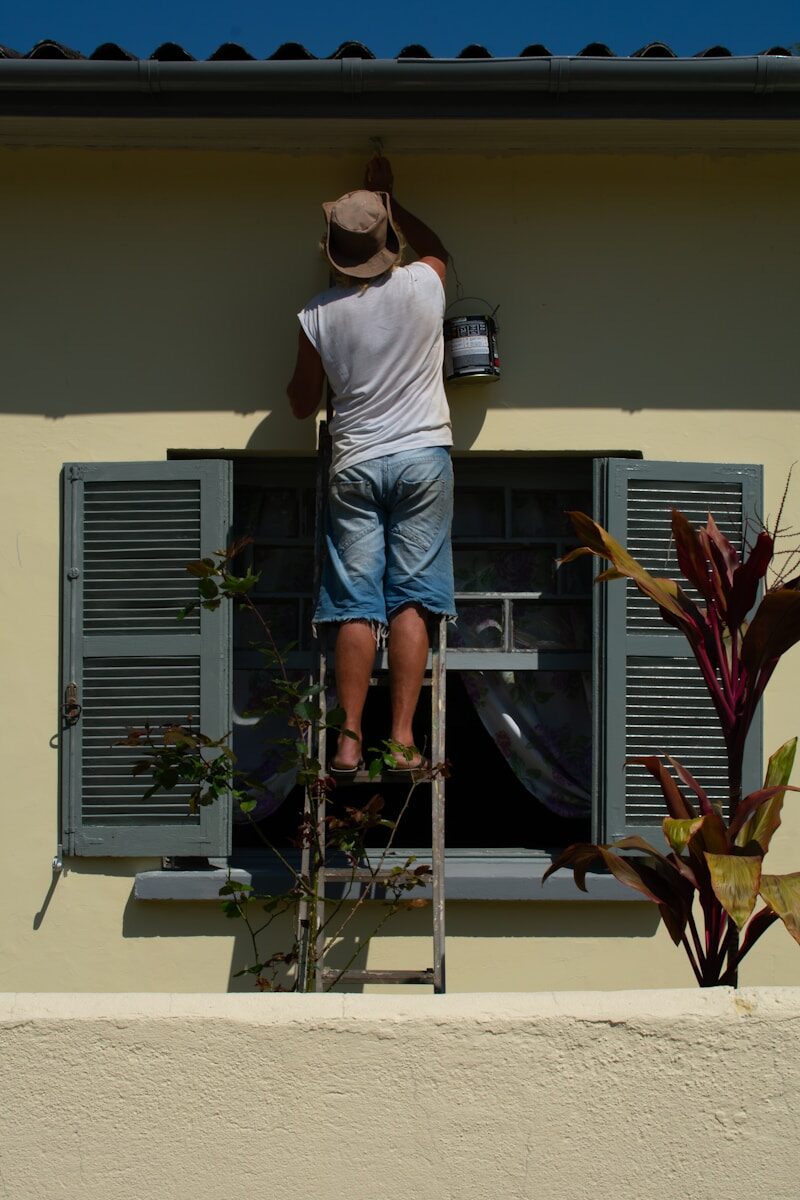
Surface improvements often get the most attention. Fresh paint, new fixtures, and updated finishes can make a home look better instantly. However, long-term property protection depends on what lies beneath those visible layers.
The structure must remain solid. Foundations should be inspected regularly, and drainage should be managed properly. Water pooling near the base of a home can weaken it over time. That slow damage can lead to costly repairs if ignored.
Roof integrity also plays a critical role. Loose shingles or weak spots can allow moisture to enter. Once inside, damage spreads gradually, affecting insulation and internal materials.
Consider a home where minor roof damage is overlooked. Rainwater begins to seep through unnoticed. Over time, insulation weakens, and structural components are affected. What started as a small issue becomes a larger repair project.
That is how structural neglect builds into serious problems – slowly, quietly, and often unexpectedly. And before you know it, minor issues have turned into costly repairs.
Is it worth focusing on what cannot be seen right away? The answer is always yes.
Daily habits that protect more than you think
Property protection is not only about upgrades. Everyday habits can support long-term stability in ways that are often overlooked.
- Keep storage areas clean and organized to avoid hidden problem spots
- Inspect attic and basement spaces regularly for unusual signs
- Maintain consistent cleaning routines to reduce buildup and clutter
- Check exterior walls and vents for damage or wear
- Address small repairs immediately before they grow
These habits may seem simple, yet they create a strong line of defense. When maintained consistently, they prevent issues from developing unnoticed.
Repetition matters here. Small checks, done regularly, lead to better outcomes over time. That steady effort builds property protection without requiring major changes.
What happens when these habits are ignored? Small problems grow quietly until they demand attention.
Track where the money goes before it slips away
Costs rarely appear all at once. They build gradually, often through small and repeated expenses that seem harmless at first. That is why keeping track of spending related to home upkeep is important. Without that awareness, money tends to slip away quietly.
Utility bills should be reviewed on a regular basis. Sudden increases or even slow, steady rises can point to inefficiencies. These patterns should not be ignored, as they often signal that something is not performing as it should. Identifying those shifts early helps prevent ongoing waste.
Repair and service costs also deserve attention. When the same issue keeps coming back, it usually means the root cause has not been addressed. Fixing the surface problem again and again only increases total spending over time. A deeper look at the issue can reduce repeat costs significantly.
It also helps to maintain a simple record of expenses. Writing down what is spent, when it is spent, and why it was needed creates a clear picture. Over time, that record highlights trends and areas where adjustments can be made.
Setting aside a small, consistent budget for upkeep can make a big difference. Planned spending feels manageable, while unexpected costs often create stress. A steady approach keeps finances balanced and avoids sudden pressure.
Awareness leads to better control. When spending is tracked carefully, decisions become more intentional. Over time, that control helps keep overall costs stable, predictable, and easier to manage.
Consistency beats quick fixes every single time
Quick fixes may solve immediate problems, but they rarely provide lasting results. Long-term property protection requires a consistent approach. That means regular inspections, timely repairs, and thoughtful upgrades.
It is easy to focus on visible improvements. Yet deeper issues require attention even when they are not obvious – that balance between appearance and function is what keeps a home stable.
There is also value in planning ahead. Seasonal changes bring different challenges, and preparation helps reduce their impact. A home that is maintained consistently will respond better to these shifts.
Protection should feel steady – not reactive, not rushed. When everything is maintained properly, the home supports itself more effectively.
So, is long-term property protection complicated? Not really, when consistency becomes part of the routine.
A well-protected home is built through small, intentional decisions. Each step, each habit, and each upgrade contributes to lasting stability. When attention is given early and often, problems are reduced, and the home remains secure. That is what true protection looks like over time.