Key Takeaways
- Consistent inspections reduce the risk of costly damage and allow for early intervention.
- Clean gutters and downspouts improve drainage and prevent water from damaging your home’s structural components.
- Adequate attic ventilation and insulation are essential for temperature and moisture regulation.
- Removing moss and algae helps avoid premature roof material degradation.
- Seasonal maintenance strategies prepare your roof for weather changes throughout the year.
Maintaining a healthy roof is critical to ensuring your home remains safe and structurally sound. A proactive approach to roof maintenance helps you spot minor issues before they turn into major repairs, protecting both your investment and your family.
By establishing good habits and using expert resources like https://www.deltaservices.com/we-care-roofing-maintenance/, you can keep your roof in prime condition for many years. Proactive roof maintenance not only reduces the likelihood of emergency repairs but can also extend your roof’s overall lifespan by several years.
When you inspect your roof regularly, clear debris, and promptly address any issues, you will make it more resistant to the effects of weather, water, and time. A well-maintained roof improves energy efficiency, prevents mold and leaks, and provides peace of mind year-round.
Regular Roof Inspections
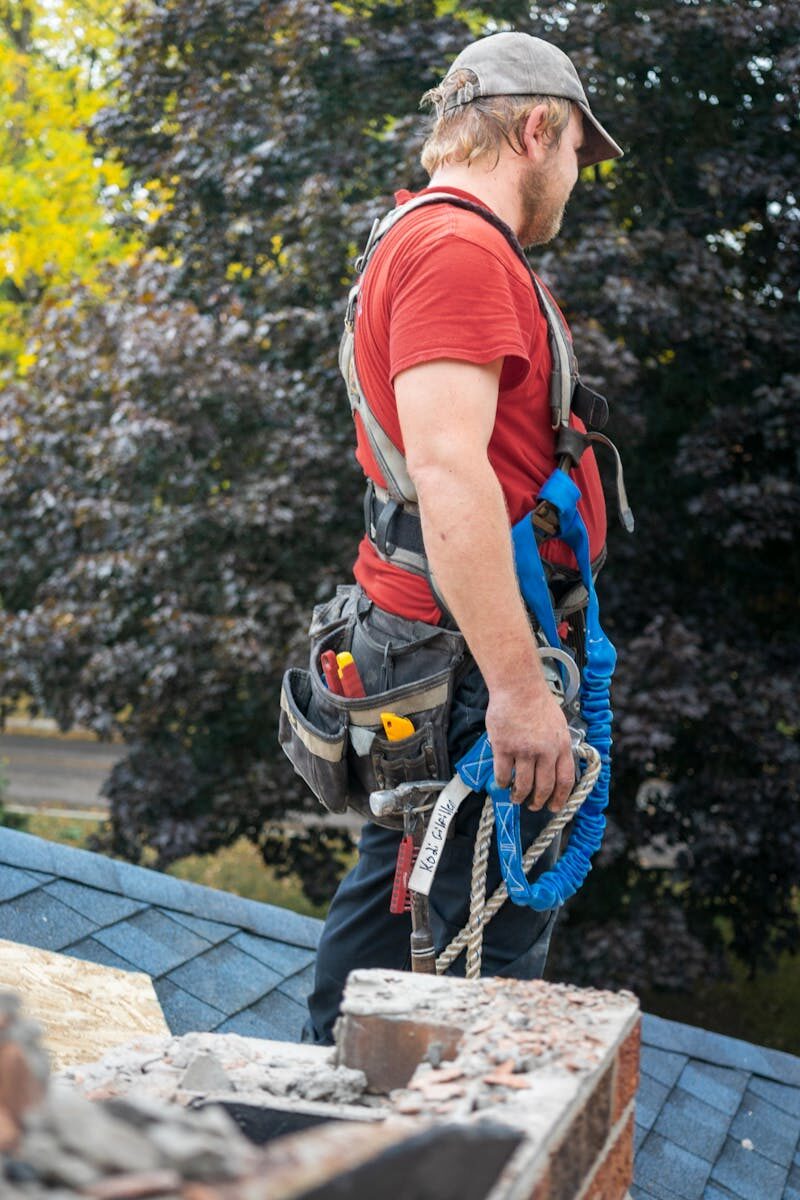
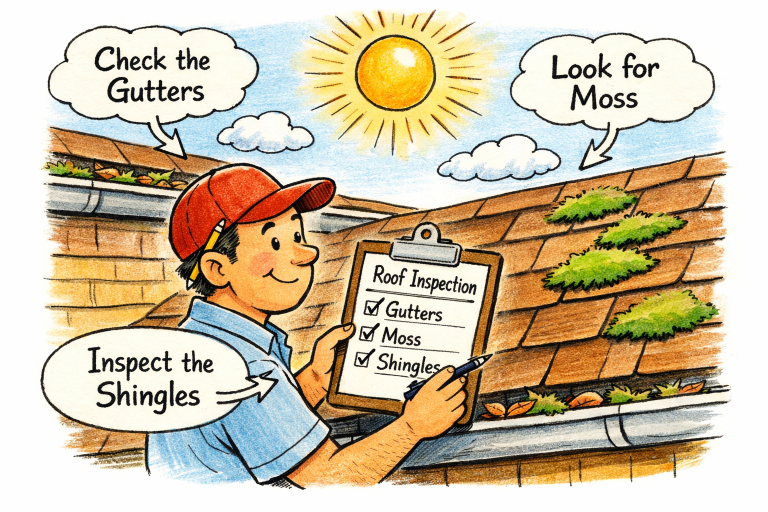
You should inspect your roof at least twice a year, in the spring and fall, to catch potential problems before they escalate. Look for loose, missing, or broken shingles, as well as areas where fasteners or flashing appear worn or out of place.
Pay close attention to roof valleys, skylights, vents, and the area around your chimney, as these are common sources of leaks and water infiltration. According to experts at Consumer Reports, many roof problems develop slowly but can be easily managed with routine checks and timely repairs.
Keep Gutters and Downspouts Clean
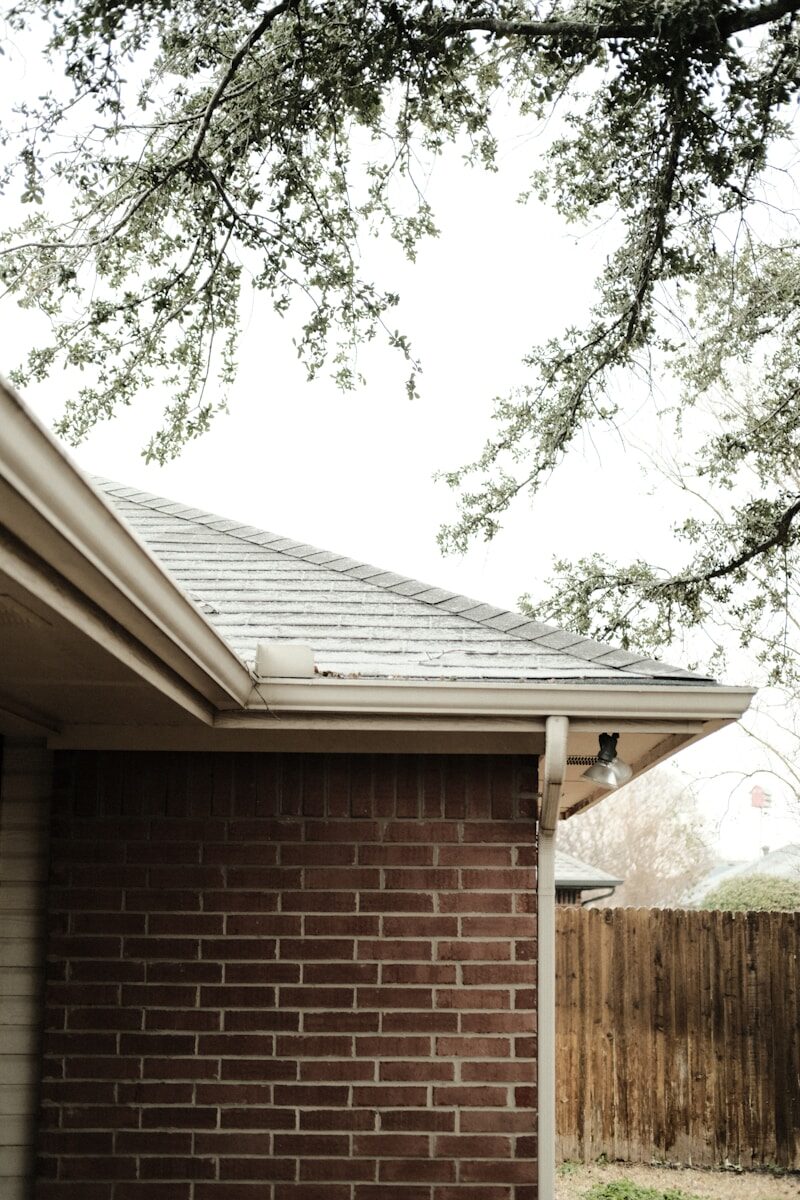
Soggy leaves, twigs, and debris clog gutters and downspouts, forcing water to back up under your roof or overflow onto your siding and foundation. If not managed, this moisture can rot fascia boards, damage soffits, or even undermine basement walls.
Cleaning gutters every season, and especially after major storms, helps water flow away from your home, reducing the risk of leaks, ice dams, and foundation issues. Inspect downspouts to ensure that water is being directed several feet away from your home’s foundation.
Ensure Proper Attic Ventilation and Insulation
Proper attic ventilation and insulation are important for three reasons: they minimize temperature swings, reduce moisture buildup, and help avoid roof-damaging ice dams in winter. When warm, moist air from living areas escapes into the attic and cannot vent, it can lead to insulation deterioration and wood rot. Using ridge vents, soffit vents, or powered attic fans can help maintain consistent airflow.
Simultaneously, ensuring your attic insulation is adequate keeps the house warmer in winter and cooler in summer, reducing the load on HVAC systems and helping the roof last longer. For more information on effective ventilation, visit ENERGY STAR’s guide on attic ventilation.
Address Moss and Algae Growth
Moss and algae thrive in cool, damp environments, especially on shaded or north-facing sections of your roof. Left unchecked, moss can lift shingles and expose the underlayment, while algae can stain and prematurely age roofing materials.
Remove moss and algae using appropriate cleaners and nonabrasive brushes, taking care not to damage the shingles. Installing zinc or copper strips near the roof’s peak can help prevent their return by creating an environment that discourages growth each time it rains.
Seasonal Roof Maintenance Tips
Adjusting your maintenance routine to address seasonal changes is vital for roof health. In spring, look for signs of damage caused by freezing and thawing or heavy winter weather. Clean out gutters and check for any animal nests in vent openings.
During summer, monitor for heat-related shingle warping or cracking. In the fall, clear off leaves and branches that can trap moisture and check the attic for signs of pests. Preparing your roof for specific seasonal challenges ensures its continued performance and helps avoid emergencies during storms or cold snaps.
Professional Maintenance Programs
Even the most diligent homeowner can benefit from enrolling in a professional roof maintenance program. These services typically include scheduled inspections, small repairs, flashing checks, and cleaning, all of which help identify developing issues in advance.
Professional roofers have a trained eye that can spot problems unnoticeable to the untrained observer, making these programs an invaluable investment in long-term roof health. Many companies also offer discounts on repairs identified during their inspections, saving you money over time.
Document Maintenance Activities
Maintain a detailed log of all maintenance work, inspections, and repairs performed on your roof. This record is crucial for warranty validation, future sale negotiations, or insurance claims if you ever face a severe weather event. Keeping receipts, inspection reports, and photos provides a clear timeline of care, which may be required by some roofing manufacturers or warranty providers.
Consistent proactive roof maintenance is the best strategy to extend your roof’s lifespan and ensure it continues to protect your home effectively. Through routine inspections, seasonal attention, and the support of professional services, you will greatly reduce the risk of damage and enjoy the peace of mind that comes with reliable home protection.
Conclusion
Consistent roof maintenance is essential for protecting your home from avoidable damage and extending the life of your roofing system. Regular inspections allow you to catch small issues early, while clean gutters and proper drainage prevent water-related structural problems.
Ensuring adequate attic ventilation and insulation helps regulate temperature and moisture, reducing long-term wear on roofing materials. In addition, removing moss and algae, following seasonal maintenance practices, and documenting all upkeep activities contribute to a stronger, more reliable roof.
When combined with professional maintenance support, these habits create a comprehensive care strategy that minimizes repair costs and enhances durability. Ultimately, proactive roof maintenance provides lasting protection, improved energy efficiency, and greater peace of mind for homeowners.