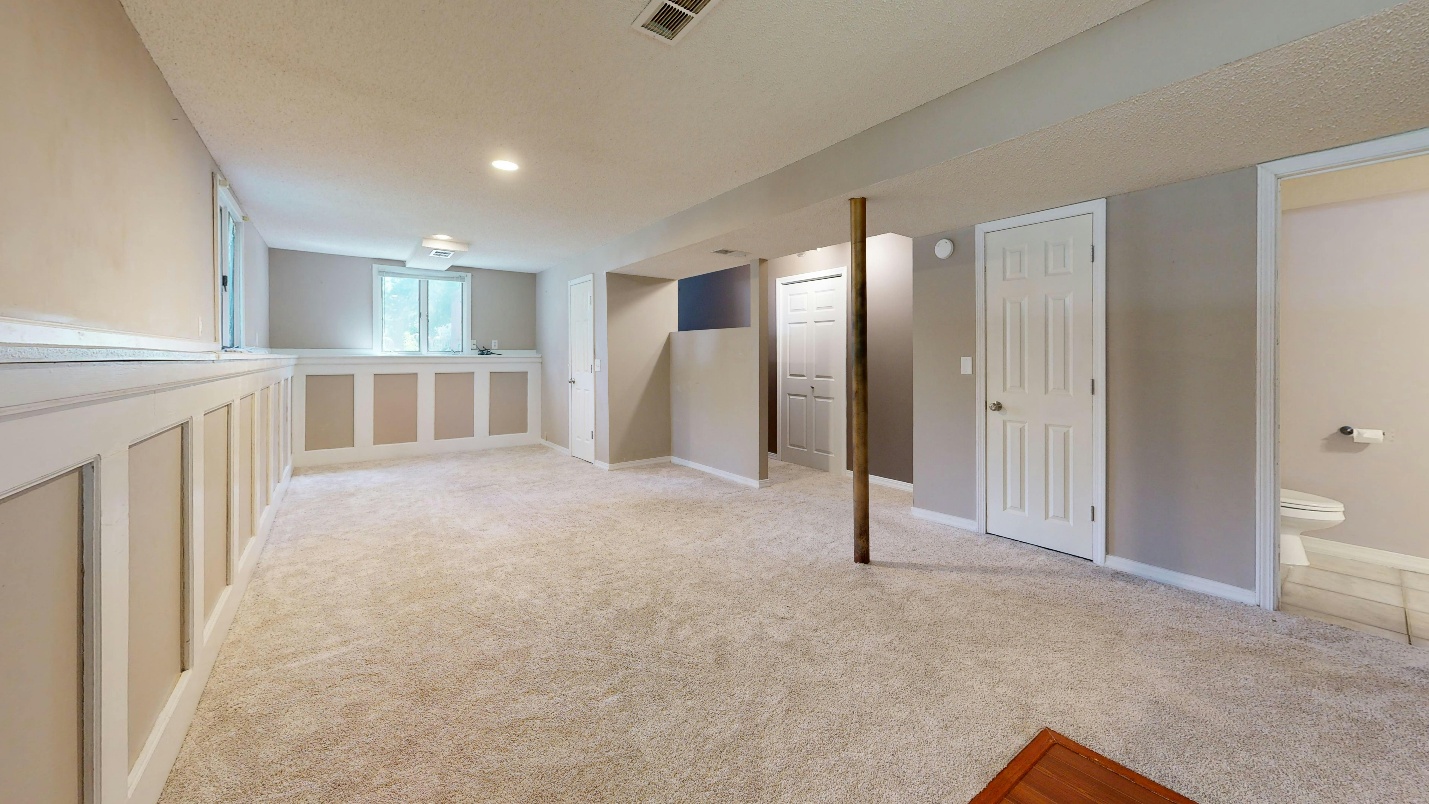
The basement mostly stays out of mind until it doesn’t. A slight smell, a damp patch, something just off. Then the idea of fixing it up starts to feel less simple than it sounded. Plans usually begin clear enough, but once work starts, small issues show up in places that were never really checked.
It seems straightforward at first. Just another space to finish. But basements sit underneath everything, and that changes things. Pipes, moisture, quiet wear. Some of it stays hidden until walls come open, or until it is too late to ignore.
It Is Not Just About Walls and Floors
A lot of basements get treated like blank rooms waiting to be finished. Paint goes up, flooring gets picked, lighting is added, and it feels like progress. That approach works fine upstairs. Down here, it does not always hold the same. Understanding how the space actually behaves takes time. That part tends to get rushed. It is not visible work, and people usually want to move forward, not slow down and watch how a basement reacts over a few weeks.
Don’t Overlook the Hot Water Systems
Hot water systems are often placed in or near the basement, and they tend to stay out of mind unless something is already going wrong. If the system is older or just not performing the way it used to, refinishing around it without checking can lead to problems that show up after everything is closed in. Leaks, pressure changes, uneven heating. It is rarely dramatic at first, more like small things stacking up.
Getting a professional water heater repair service before moving ahead with refinishing is a smart thing to do. Sometimes it is just about knowing what shape things are in before access disappears. Once walls go up, even minor issues start to feel bigger, or at least harder to ignore.
Moisture Is Always Part of the Story
Even when a basement looks dry, moisture tends to exist in the background. It moves through the ground, through walls, or builds up from temperature shifts. In an unfinished space, it does not always cause obvious trouble. Once the area is sealed and finished, it has fewer places to go.
The change is gradual. Materials absorb it slowly. Air starts to feel a bit off, maybe heavier or stale in a way that is not easy to describe. Sometimes there is a smell before anything can be seen. By the time something shows clearly, part of the finished space might already need to be opened again, which is not something most people plan for.
Basic steps help, but they are not always treated as essential. Sealing cracks, checking drainage outside, using materials that can handle some humidity. None of it feels urgent in the moment. It gets pushed aside, or delayed, or just not fully done.
Planning Around Real Use
Basement plans usually look neat at the start. A small office, maybe a guest setup, something comfortable. It makes sense on paper. But once the space starts getting used, things shift a bit. Storage has a way of coming back, even when there was no plan for it. Boxes end up along walls, then more follow. Seasonal stuff, random things with no place upstairs. It builds slowly, not all at once, until the room feels different.
Foot traffic changes things, too. Areas near stairs or main paths wear out faster, especially with softer flooring. That usually shows up later. Sound can be odd as well. Noise travels differently down there, and it is not always clear why.
Electrical and Lighting Often Get Rushed
Lighting decisions are often made quickly. A few fixtures are added, the room brightens, and that feels like enough. It works, technically, but the result can feel flat or uneven without being easy to explain. Overhead lighting alone tends to miss certain areas while overexposing others. Corners stay dim. The center gets too bright. It is not always obvious right away, but over time it becomes noticeable, especially during regular use.
Electrical planning follows a similar pattern. Outlets get placed where it is convenient during installation, not necessarily where they will be needed later. Once everything is finished, changes become more difficult than expected. It is one of those things that feels minor at first, then slowly becomes frustrating.
Budget Drift Happens Quietly
Budgets rarely stay fixed through a basement project. It is not always because of major surprises. Small adjustments tend to build over time. A better material here, an extra feature there. Each decision feels reasonable on its own, and that is part of the issue.
Sometimes hidden issues come up, like minor water damage or wiring that needs updating. Those are not optional, so they shift the budget whether planned or not. The change happens gradually, which makes it harder to notice until it has already stretched things.
Leaving some room for that movement helps, though it does not remove the pressure entirely. Without it, decisions start getting made faster, sometimes without much thought behind them.
Timing Matters More Than Expected
Timing gets treated like something that can be adjusted later, but it does affect how things go. Starting during a damp stretch can make the space feel harder to control, even if everything else is done right. Moisture just behaves differently then. Delays also creep in. Materials show up late, or work pauses longer than planned, and the whole thing starts dragging.
Rushing does not really fix it either. Steps get skipped or done halfway, just to keep things moving. Nothing breaks right away, but small issues tend to sit there quietly. Taking a bit more time early on helps, though it rarely feels convenient at the time.
The Space Will Keep Changing
Even after everything is finished, the basement does not stay fixed in its purpose. Rooms shift over time. A guest area becomes a workspace. Storage expands, then gets reorganized again. It rarely stays exactly as planned, even if the original layout made sense.
Leaving some flexibility in the layout helps, even if it is not obvious at the beginning. Furniture moves, uses change, and the space adjusts around that, slowly.
Basement refinishing works best when it is not treated as a one-time transformation. The visible changes matter, but the parts that stay out of sight tend to shape how the space holds up. Some of that only becomes clear later, after the work is already done.