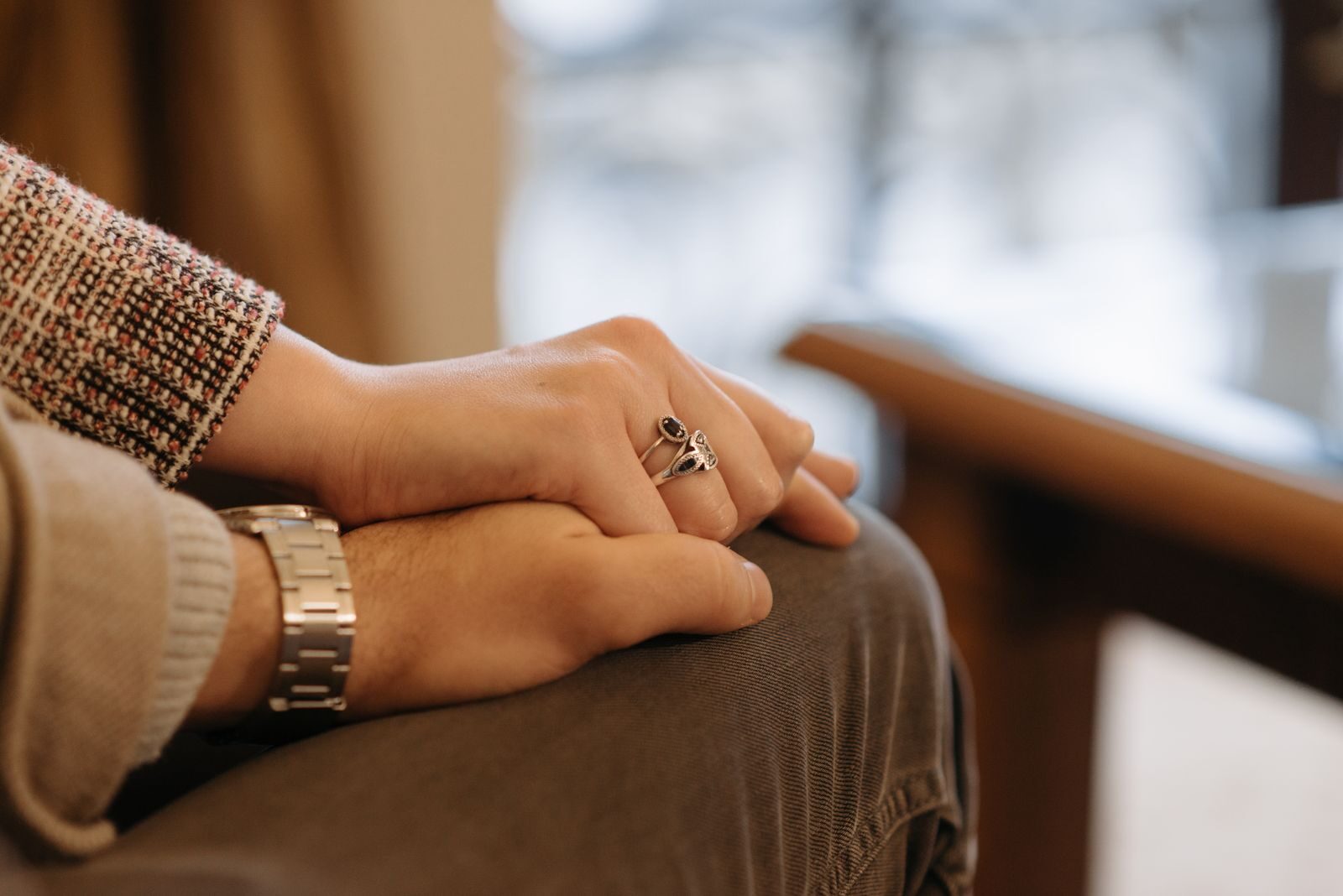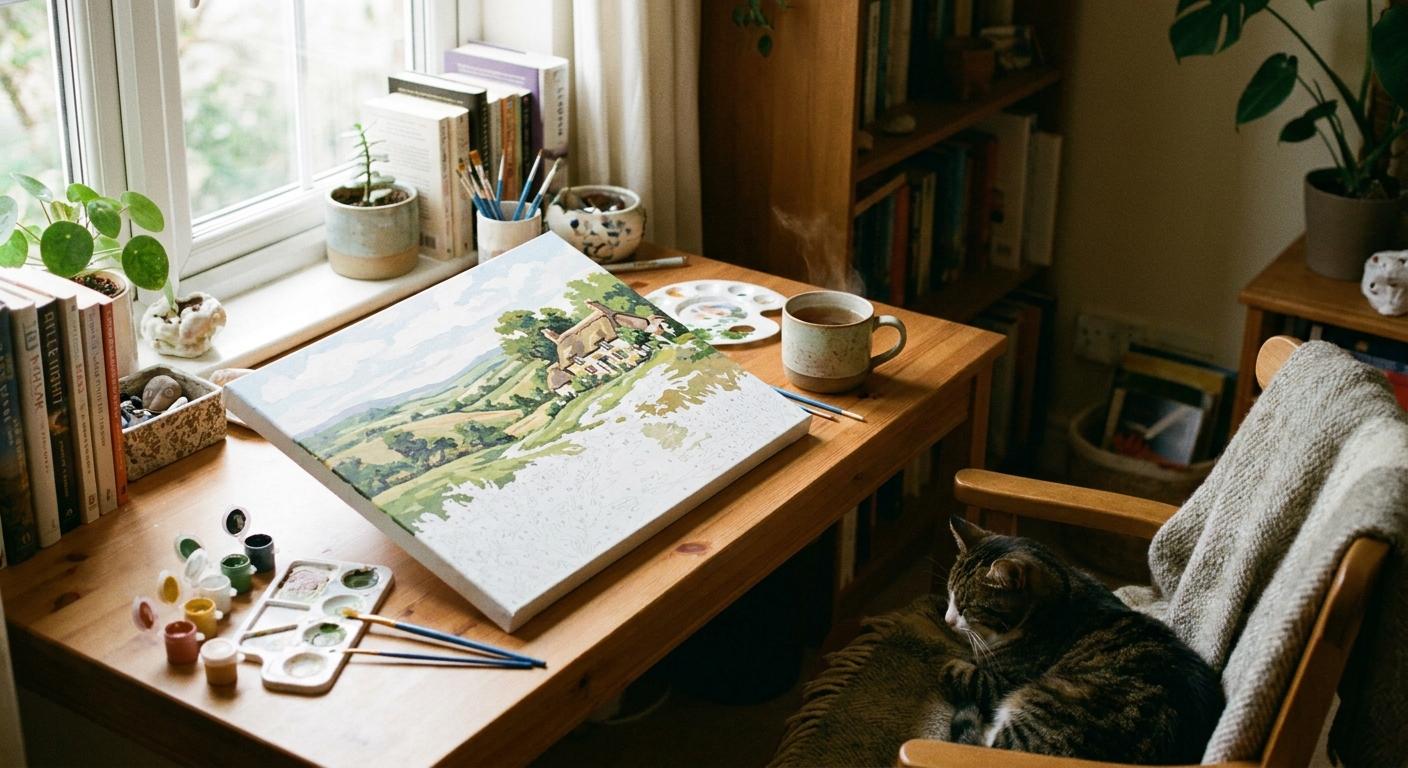
There is something quietly powerful about sitting down with a blank canvas, a set of colored pencils, or a ball of yarn. The world keeps spinning, emails keep arriving, and the to-do list stays long. But for a short window, none of it matters. Your hands are busy. Your mind follows. And the noise that’s been running in the background all day gradually fades away.
That feeling isn’t just pleasant. It’s medicine, in the most literal sense. Research shows that a creative hobby lower cortisol, improve mood, and help your brain build the kind of focus that makes everything else in life feel more manageable.
In 2026, with screen fatigue at an all-time high and a trend called “hobby-maxxing” taking over social feeds, more people than ever are discovering what crafters and artists have known all along: making something with your hands is one of the most effective ways to take care of your mind.
The Science Behind Creative Hobbies and Stress Relief
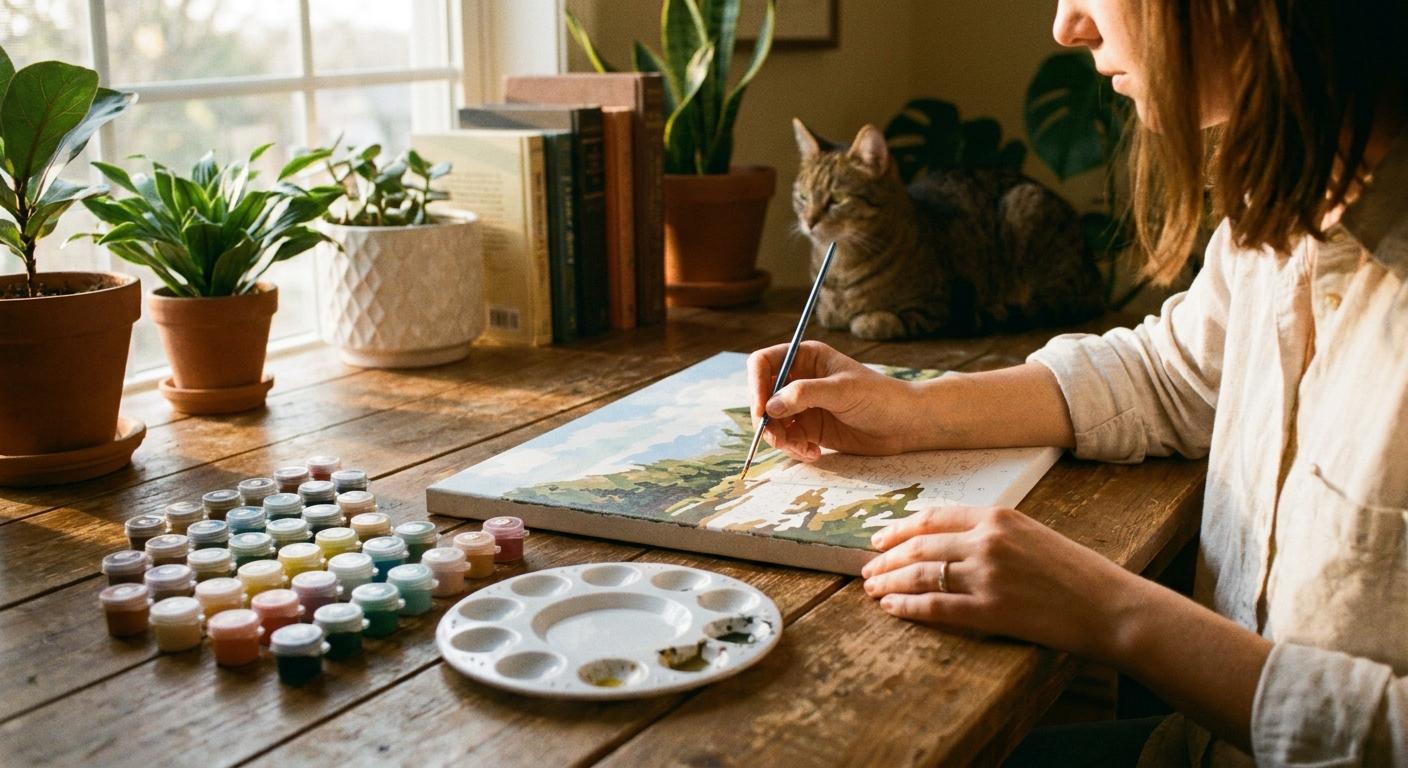
The data behind creative hobbies is hard to ignore. A Bupa Global survey from April 2026, conducted by Opinium with 4,000 adults across the UK, Spain, and Australia, found that 85% of adults agree creative activities positively affect their health and well-being. Even more striking: 83% say creative engagement actively reduces stress and anxiety. Yet nearly half of those surveyed spend zero time on creative activities at all.
That gap matters because the effect is measurable. Just 30 to 45 minutes of art-making at any skill level measurably reduces cortisol, the body’s primary stress hormone. One study cited by Mental Health America found that 45 minutes of art-making lowered cortisol in 75% of participants.
The American Psychiatric Association’s Healthy Minds Monthly poll from July 2023 backs this up, reporting that 46% of Americans already use creative activities to manage stress or anxiety. Those who rate their mental health as “very good” or “excellent” engage in creative activities more frequently than those who don’t.
The type of creative activity matters, too. Structured projects with clear steps reduce decision fatigue, which is often a hidden source of stress. When you don’t have to figure out what to paint or where to start, your brain can settle into the rhythm of the work itself.
For anyone curious about trying this approach, paint-by-numbers kits are a great option for creative hobbies that provide structure while leaving room for personal expression. No artistic experience required.
Why Analog Hobbies Are Surging in Popularity
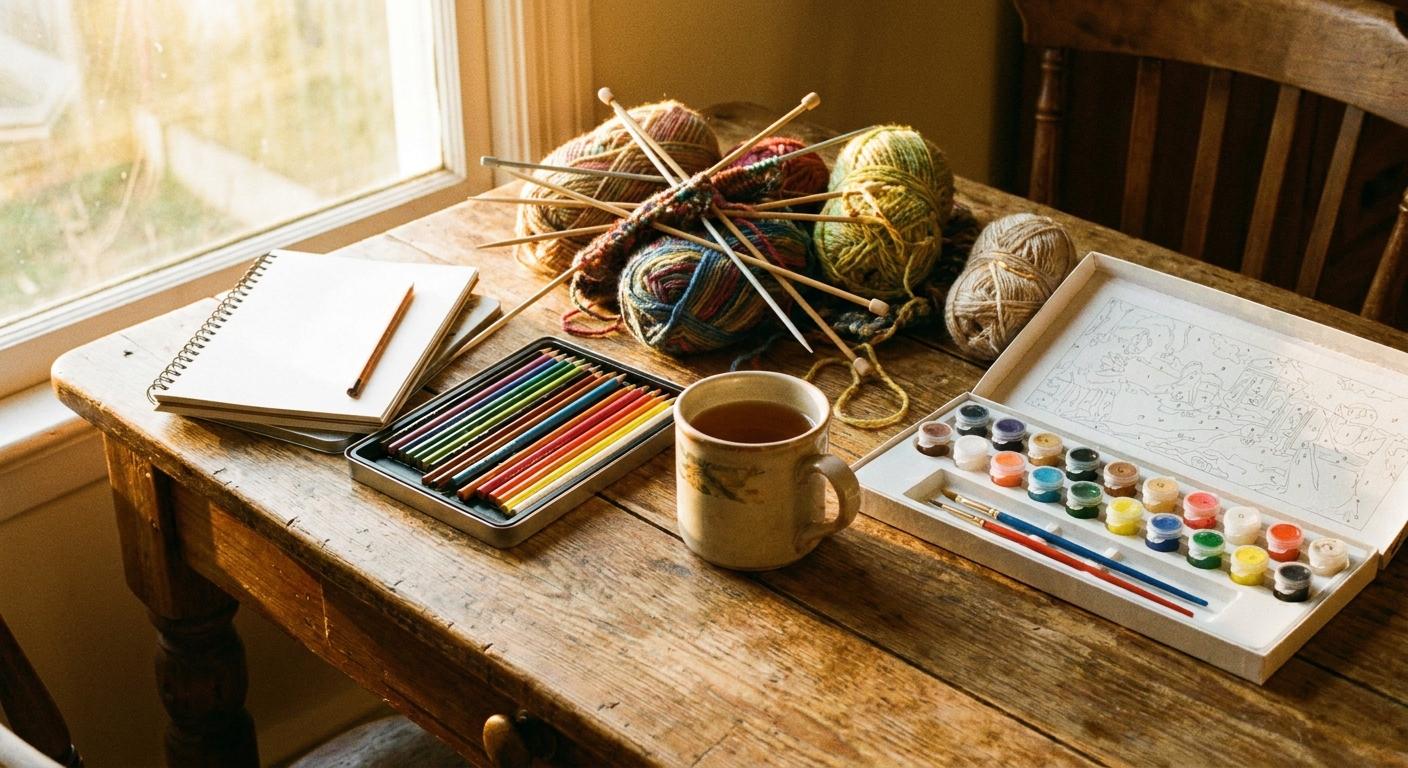
There is a reason “hobby-maxxing” became one of the defining lifestyle trends of 2026. Searches for analog hobbies surged 136% on Michaels’ website in 2025, and yarn kit searches jumped 1,200%, according to the retailer’s Creativity Trend Report. Psychology Today covered this shift in January 2026, framing analog hobbies as a new self-care trend in an era of deepening screen fatigue.
Generation Z has been leading the charge, embracing what some call grandma hobbies: knitting, cross-stitch, ceramics, puzzles, and paint-by-numbers. The appeal isn’t retro nostalgia. It’s the experience of doing something tactile, slow, and screen-free in a world that rewards speed and constant connectivity.
What makes this trend different from previous craft revivals is the motivation behind it. People aren’t picking up knitting needles and paint brushes because they’re bored. They’re doing it because their brains are exhausted.
University of Southampton researchers have explored how swapping an after-work doomscrolling habit for a repetitive, mindful craft can calm the nervous system in ways that passive scrolling cannot. Their Centre for Innovation in Mental Health points to mindful hobbies as an evening relaxation tool that helps the brain transition from high-alert to rest mode.
The numbers from the UK are just as compelling. Hobbycraft’s “The Power of Making” report, published in August 2025 in partnership with the mental health charity Mind, found that roughly 8.8 million Brits use arts and crafts to actively improve their mental health.
Among them, 53% report improved mood, 48% report reduced stress, and 48% cite improved general well-being. Perhaps most telling: 72% believe health professionals should recommend arts and crafts for mental health.
If you’re looking for more foundational ways to support your mental health, the site’s own guide with tips for improving your mental health covers the everyday habits that create a strong baseline.
The Flow State: How Creative Hobbies Quiet the Mind
The psychologist Mihaly Csikszentmihalyi coined the term “flow” to describe a state of complete absorption in an activity. The kind where time disappears and self-consciousness fades. A creative hobby is one of the most reliable ways to trigger flow, and structured activities like paint-by-numbers are especially effective at it.
Flow requires three ingredients: clear goals, immediate feedback, and a balance between challenge and skill. Paint-by-numbers delivers on all three. The goal is clear. Fill in the numbered sections. The feedback is instant. Each section you complete changes the image in front of you. And the difficulty is adjustable: simpler kits for beginners, more detailed ones for experienced painters. That sweet spot between not-too-hard and not-too-boring is exactly where flow lives.
There is also a neurological mechanism at work called transient hypofrontality. When your brain focuses on a repetitive, absorbing task, the prefrontal cortex temporarily quiets down. This part of the brain is responsible for self-criticism, worry, and rumination.
This is the same mechanism behind the calming effects of meditation and walking. The Mayo Clinic’s recreation therapists recommend daily leisure activities for stress relief, noting that creative play like painting and knitting produces benefits that compound with consistency.
What makes this kind of focused activity so effective is that it gives your brain a single task to concentrate on, rather than the dozens of open loops it usually holds. That single-threaded focus is rare in modern life, and it’s exactly what makes a creative hobby so restorative.
The structured nature of hobbies like paint-by-numbers also shares something in common with organizing and decluttering. Both involve clear boundaries, small decisions, and visible progress. For anyone who enjoys that side of wellness, the benefits of organizing your space follow a similar principle. Structured, repetitive tasks help calm an overactive mind before bed or after a stressful day.
Simple Ways to Add Creative Hobbies to Your Routine
You don’t need a studio or a big budget to make creativity part of your week. The key is to lower the barrier to starting. Here are a few approaches that work.
Start with twenty minutes. You don’t need to set aside an entire afternoon. A single focused twenty-minute session with a paint-by-numbers kit, a coloring book, or a knitting project is enough to bring down cortisol levels and shift your mental state. The consistency matters more than the duration.
Focus on process, not perfection. The biggest obstacle to starting a creative hobby is the voice that says, “I’m not good at this.” Creative hobbies for stress relief aren’t about producing gallery-worthy work. They’re about how the activity feels while you’re doing it. If you finish a paint-by-numbers canvas and the lines are a little messy, that’s fine. You still got the benefit.
Choose a hobby that suits your energy level. Some days call for something that requires focus, like following a numbered pattern or working through a puzzle. Other days need something more open-ended, like journaling or doodling. Having both options available means you can match the activity to your mood.
Create a small dedicated space. It doesn’t have to be a whole room. A corner of a desk, a basket by the couch, or a tray on the coffee table is enough. When your supplies are visible and easy to reach, you’re far more likely to use them.
If you’re going through a particularly difficult season, creative hobbies can be a gentle way to process emotions without having to talk about them. A 2025 study of over 1,400 people found that creative hobbies such as dance, music, and visual arts were linked to brains that appeared 5 to 7 years younger on average. The site’s guide on building emotional resilience in difficult times offers thoughtful companion advice for when you need extra support.
Making Space for What Restores You
The research is clear. Creative hobbies aren’t a luxury or a distraction. They’re an evidence-backed tool for managing stress, improving mood, and giving your brain the break it needs to function well. The 30-minute cortisol study, the 8.8 million Brits crafting for mental health, the 136% search surge in analog hobbies. These numbers all point in the same direction: people are hungry for ways to unplug, slow down, and make something with their hands.
Whether you pick up a paint-by-numbers kit, a set of knitting needles, or a simple coloring book, the important thing is to start. Not when you have the perfect setup or enough time. Just start with what you have. The act of making something is a gift you give your mind. And your mind has been waiting for it.
Also read: Using mindfulness to embrace our creativity