- What Causes Snoring and When It Becomes a Concern
- Why Many Australians Dismiss Snoring as Harmless
- Key Warning Signs That It’s More Than Just Snoring
- Simple Snoring vs Obstructive Sleep Apnea: Key Differences
- When and How to Seek Help
- The Broader Health Impacts of Untreated Sleep Apnea
- Encouraging the Conversation: A Public Health Priority
- Takeaway Message: Don’t Ignore the Noise
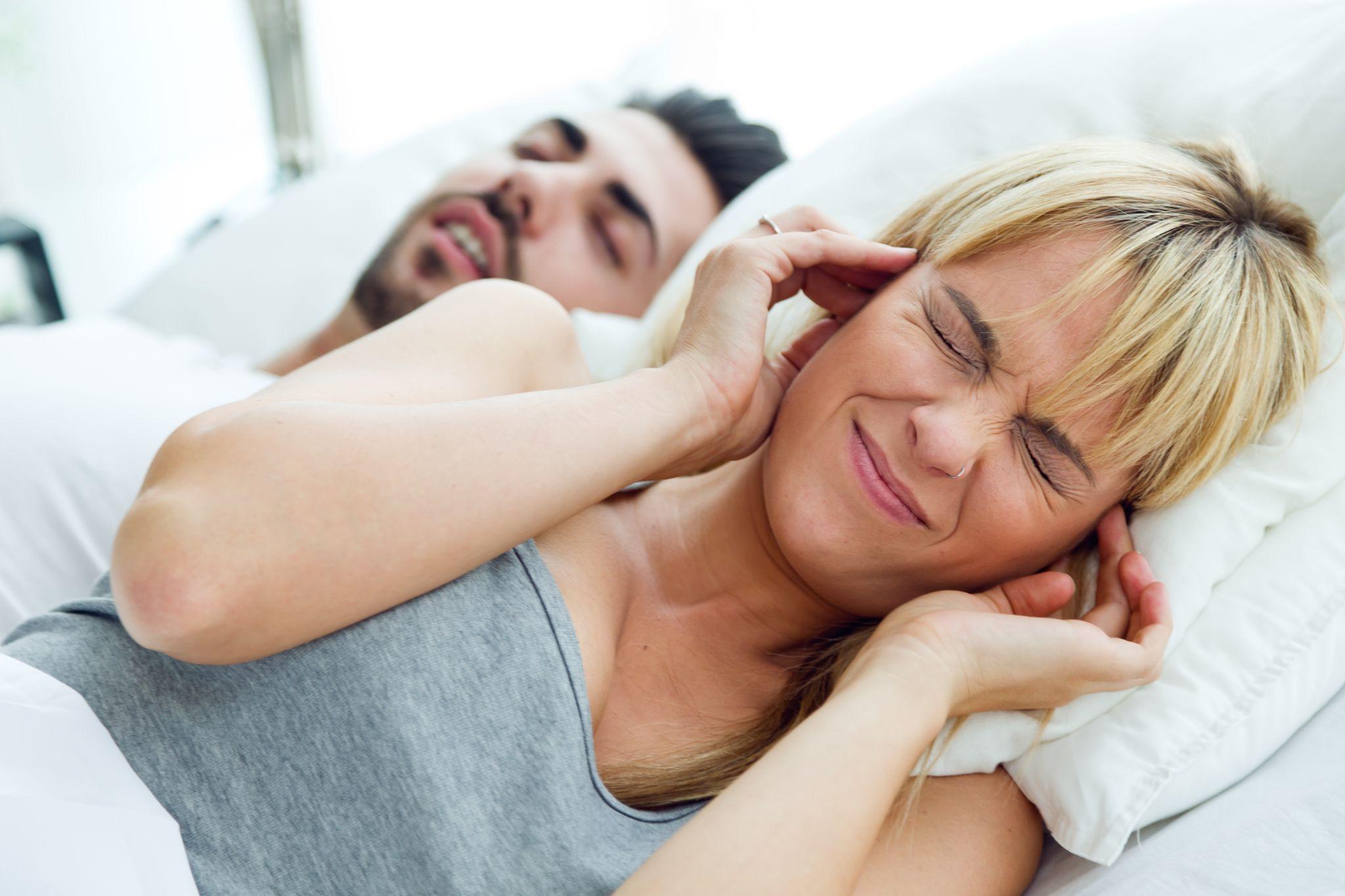
Every night in countless Australian bedrooms, a familiar scene plays out. Once again, one partner complains about that terrible noise while nudging the other awake. After rolling over and mumbling an apology, the snorer resumes the noise a few minutes later. We’ve all been the partner who doesn’t get enough sleep or the one who snores.
Snoring has become so widespread in many homes that it’s considered merely a bothersome habit, possibly even a subject for lighthearted banter during breakfast. This societal acceptance of seemingly innocuous noise, though, may conceal something more dangerous. Snoring that is accompanied by breathing pauses, gasping, or chronic fatigue may be a sign of obstructive sleep apnea, a condition that requires medical attention rather than dismissal. Thankfully, there has been significant progress in treating sleep apnea in recent years.
Beyond the conventional options that many people are afraid of, orthodontists and sleep specialists now offer a variety of efficient alternatives. This article examines the key distinctions between sleep apnea and normal snoring, investigates why many Australians disregard warning signs, and clarifies when it’s time to stop using pillows and get medical attention.
What Causes Snoring and When It Becomes a Concern
Most of us accept snoring as an inevitable part of life, but understanding what’s actually happening in the airway can help distinguish between a mere nuisance and a genuine health threat. The sounds that disrupt your partner’s sleep—or your own—aren’t all created equal.
Simple Snoring Explained
At its most basic level, snoring occurs when air flows past relaxed tissues in the throat, causing them to vibrate during breathing. Picture a flag fluttering in the wind, and you’ve got a reasonable approximation of what’s happening in there. This type of snoring—what doctors call primary or simple snoring—is remarkably common and often influenced by temporary factors.
Perhaps you’ve had a few drinks before bed, or you’re sleeping on your back after a particularly exhausting day. A blocked nose from hay fever or a winter cold can also send you straight into snoring territory. Whilst it might earn you an elbow in the ribs from your bedmate, simple snoring doesn’t typically affect your blood oxygen levels or fragment your sleep in any meaningful way. It’s essentially a mechanical phenomenon without serious physiological consequences.
Obstructive Sleep Apnea: More Than Just Noise
Obstructive sleep apnea tells quite a different story. Rather than a straightforward vibration issue, OSA involves repeated episodes where the airway actually collapses or becomes blocked during sleep, cutting off breathing entirely for periods of ten seconds or longer.
These breathing pauses—called apneas—can occur dozens or even hundreds of times throughout the night, each one triggering a drop in blood oxygen levels and forcing the brain to briefly rouse from sleep to restore normal breathing. You might not remember these micro-awakenings, but they wreak havoc on sleep architecture, preventing you from reaching the deeper, restorative stages of sleep your body desperately needs.
Over time, this nightly pattern of oxygen deprivation and sleep fragmentation places enormous stress on multiple body systems, contributing to cardiovascular disease, metabolic dysfunction, and cognitive decline. According to the Sleep Health Foundation, approximately 5% of Australian adults have clinically significant obstructive sleep apnea, though many remain undiagnosed.
Why Many Australians Dismiss Snoring as Harmless
The gap between prevalence and diagnosis of sleep apnea in Australia reveals a troubling pattern: we’re simply not taking snoring seriously enough as a potential warning sign. Several cultural and informational factors contribute to this systematic underrecognition.
Misconceptions About Snoring
In Australian culture, snoring has a peculiar reputation as the subject of lighthearted complaints among friends, cartoon illustrations, and comedic sketches. We make jokes about freight trains and chainsaws, which fosters an environment where snoring is viewed as bothersome or embarrassing but rarely medically significant.
Partners may observe that breathing stops for unsettling periods of time during the night, followed by abrupt gasps or snorts as breathing resumes. However, these observations are dismissed as just another peculiar part of the nightly routine because they do not comprehend the clinical implications.
Additionally, there is a persistent misconception that only extremely overweight, elderly men snore dangerously. This misconception causes women, younger people, and people of average weight to ignore symptoms that should be looked into.
The Role of “Normalisation” in Delay
When something happens every night for months or years, it becomes a normal part of life. The human brain is quite good at getting used to repeated sounds, so chronic snoring can fade into the background like the hum of a refrigerator or the distant sound of traffic.
Family members change their sleep habits, possibly moving to separate bedrooms or using earplugs. They treat the symptom instead of addressing the root cause. Australia does not have the same public health messaging about sleep apnea as it does for diabetes or heart disease. Because of this, many people don’t know what warning signs to look for.
The outcome? Many Australians deal with years of chronic tiredness, irritability, and poor focus. They often blame their struggles on stress, aging, or simply being “not a morning person,” while the real issue is a treatable sleep disorder that prevents them from getting rest every night.
Key Warning Signs That It’s More Than Just Snoring
Recognising the red flags that distinguish problematic snoring from the benign variety can be genuinely life-changing. If you—or someone sharing your home—experience any of these symptoms regularly, it’s worth taking note:
Witnessed breathing pauses are perhaps the most telling sign. If your partner reports that you stop breathing during sleep, sometimes for alarming stretches, before suddenly gasping or choking back to life, that’s a clear indication something’s interfering with your airway. This isn’t simple snoring; it’s your body fighting to breathe.
Loud, chronic, disruptive snoring that occurs virtually every night, regardless of sleep position, deserves attention. Whilst occasional snoring after a big night out is one thing, nightly thunderous snoring that can be heard through walls suggests significant airway narrowing.
Unrefreshing sleep despite spending what should be adequate time in bed is a hallmark of sleep apnea. You might clock eight or nine hours, yet wake feeling as though you’ve barely slept at all. This happens because apneas prevent you from maintaining the deep sleep stages essential for physical and mental restoration.
Morning symptoms including headaches, a persistently dry mouth, irritability, or difficulty concentrating often point toward disrupted nighttime breathing. These occur because oxygen levels have dropped repeatedly during the night, and your sleep has been fragmented by countless brief arousals.
Excessive daytime tiredness that goes beyond ordinary fatigue is particularly concerning. If you find yourself nodding off during meetings, whilst watching television, or—most dangerously—whilst driving, your sleep quality is clearly compromised. The Australian Government Department of Health and Aged Care recognises sleep disorders as significant contributors to preventable accidents and reduced workplace productivity.

Simple Snoring vs Obstructive Sleep Apnea: Key Differences
Understanding the distinction between these two conditions helps frame the urgency of seeking assessment when concerning symptoms appear. Here’s how they compare across several crucial dimensions:
Airflow patterns differ fundamentally. Simple snoring involves noisy but unobstructed breathing—the air is getting through, it’s just creating vibrations on the way. With obstructive sleep apnea, the airway repeatedly collapses or becomes blocked, halting airflow entirely for measurable periods.
Oxygen levels remain stable during simple snoring, with your blood oxygen saturation staying within normal ranges throughout the night. In contrast, OSA causes oxygen desaturation events—sometimes significant drops—each time breathing stops, placing stress on the heart and other organs.
Sleep disruption tends to be minor with simple snoring, though your bed partner might suffer more than you do. Sleep apnea, however, causes major fragmentation of sleep architecture, with frequent arousals preventing restorative deep sleep even if you don’t consciously remember waking.
Health risk profiles couldn’t be more different. Simple snoring carries relatively low medical risk, though it can certainly strain relationships. Obstructive sleep apnea, conversely, links strongly to serious conditions including hypertension, stroke, heart disease, type 2 diabetes, and depression.
Treatment approaches reflect this risk differential. Simple snoring often responds to lifestyle modifications: losing weight, avoiding alcohol before bed, sleeping on your side, or treating nasal congestion. Sleep apnea requires medical evaluation and typically involves therapeutic interventions such as CPAP therapy, custom oral appliances fitted by orthodontists, or in some cases, surgical procedures.
When and How to Seek Help
Recognising symptoms is only half the battle—knowing where to turn for proper assessment and treatment is equally important. Fortunately, Australia’s healthcare system provides accessible pathways for sleep apnea diagnosis and management, with multiple specialists available to help.
Start With a GP
Your family doctor is a good first step if you think your snoring could be serious. GPs can look at your risk factors, like body weight, neck size, family history, and symptoms, to see if you need to see a specialist. Many will use screening questionnaires to check the chances of sleep apnea before suggesting any next steps.
The advantage of starting with your GP is that they know your overall health and can see how sleep problems might be linked to other issues you have, like high blood pressure, unexplained weight gain, or mood swings. Depending on your situation, Medicare-funded sleep studies might be available, making it easier for most Australians to get a diagnosis.
Consider Consultation With an Orthodontist
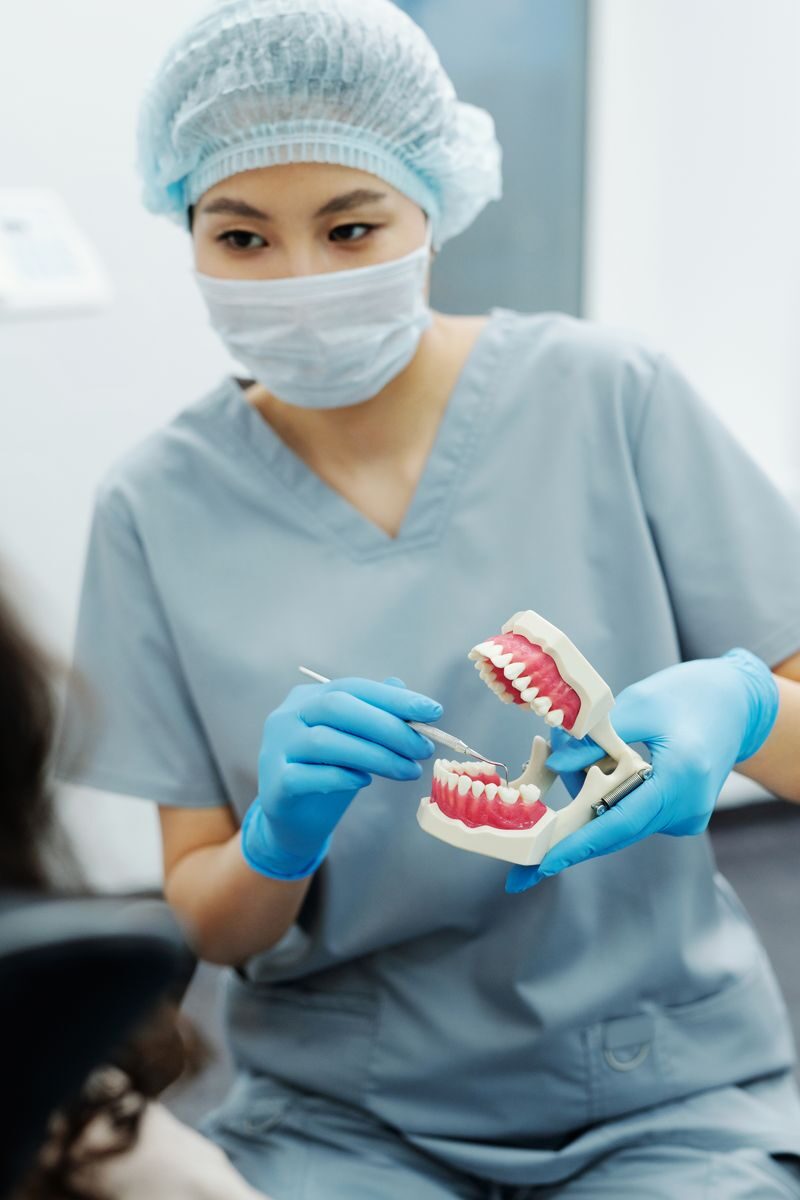
Many people think of orthodontists only as those who straighten teeth. However, specialists like those at Smile Team have gained great skills in treating sleep-disordered breathing using custom oral appliances. These devices reposition the lower jaw or tongue during sleep to keep the airway open. They provide an effective alternative for patients who struggle with CPAP therapy or have mild to moderate sleep apnea.
Orthodontists who focus on sleep apnea treatment perform thorough checks of your jaw structure, bite alignment, and airway anatomy to see if an oral appliance would be right for you. This method has grown in popularity recently because the devices are portable, quiet, and much less intrusive than traditional CPAP machines. As a result, compliance rates are notably higher among certain patient groups.
Diagnostic Sleep Studies
Once your GP or orthodontist suspects sleep apnea, the next step involves objective measurement through a sleep study, formally known as polysomnography. These studies have become increasingly accessible and can now be conducted either in a dedicated sleep laboratory or in the comfort of your own home using portable monitoring equipment.
Home sleep studies have revolutionised diagnosis by removing the awkwardness and expense of overnight hospital stays, though laboratory studies remain the gold standard for complex cases or when home testing produces inconclusive results.
During a sleep study, various sensors measure a comprehensive range of physiological parameters throughout the night. These include brain wave activity, eye movements, heart rate, breathing patterns, oxygen saturation levels, and body position. The data collected allows sleep physicians to calculate your apnea-hypopnea index—essentially, how many times per hour your breathing becomes significantly reduced or stops entirely.
An AHI of five to fifteen events per hour indicates mild sleep apnea, fifteen to thirty suggests moderate disease, and anything above thirty is classified as severe. The study also reveals how deeply these breathing disruptions affect your oxygen levels and sleep architecture, providing crucial information that guides treatment decisions.
Treatment Options for Obstructive Sleep Apnea
The good news is that effective treatments exist for virtually all severities of sleep apnea, and modern approaches are far more comfortable and user-friendly than many people fear.
CPAP therapy remains the most widely prescribed treatment for moderate to severe obstructive sleep apnea. CPAP—continuous positive airway pressure—involves wearing a mask connected to a machine that delivers a steady stream of pressurised air, keeping your airway open throughout the night.
Whilst the thought of sleeping with a mask initially puts many people off, today’s CPAP devices are remarkably quiet, compact, and come with various mask styles to suit different facial structures and sleeping preferences.
The technology has improved dramatically over the past decade, with features like heated humidification, automatic pressure adjustment, and wireless data tracking making the experience far more tolerable than older models. Most users report significant improvement in energy levels and daytime functioning within weeks of starting treatment.
Oral appliances offer an excellent alternative for people with mild to moderate sleep apnea or those who simply cannot adapt to CPAP therapy despite genuine effort. Custom-fitted by orthodontists or dentists with sleep medicine training, these devices resemble athletic mouthguards and work by holding the lower jaw slightly forward during sleep, which prevents the tongue and soft tissues from collapsing backward and blocking the airway.
The mandibular advancement splints used by practices like Smile Team are individually crafted to fit your dental anatomy precisely, maximising both effectiveness and comfort. Research published by the Australasian Sleep Association demonstrates that oral appliances can successfully treat mild to moderate OSA in approximately 70% of appropriately selected patients, with significantly higher adherence rates compared to CPAP in certain populations.
Lifestyle modifications play a supporting role across all treatment approaches and can sometimes be sufficient for very mild cases. Weight loss, even modest amounts, can dramatically reduce sleep apnea severity in overweight individuals by decreasing fatty tissue around the neck and throat.
Positional therapy—training yourself to sleep on your side rather than your back—helps many people whose apnea occurs predominantly in the supine position. Avoiding alcohol and sedatives before bed, treating nasal congestion, and maintaining regular sleep schedules all contribute to better airway function during sleep.
Surgical interventions are generally reserved for specific anatomical abnormalities or cases where other treatments have failed. Procedures might include removing enlarged tonsils or adenoids, correcting a deviated septum, reducing excess soft palate tissue, or in severe cases involving significant jaw structure issues, repositioning the upper and lower jaw to enlarge the airway.
Surgery carries inherent risks and recovery time, so it’s typically considered only after conservative approaches have been exhausted or when clear structural problems exist that surgery can definitively address.
The Broader Health Impacts of Untreated Sleep Apnea
Sleep apnea has consequences that go beyond just feeling tired or being a noisy sleeper. The cycles of low oxygen levels and interrupted sleep that come with untreated obstructive sleep apnea (OSA) lead to significant changes in the body over time. These changes increase the risk of various health problems.
Cardiovascular disease is at the top of the list of serious complications. The stress from dropping oxygen levels and sudden awakenings keeps the sympathetic nervous system—your body’s “fight or flight” response—constantly on edge. This raises blood pressure, even when you are awake, and plays a big role in the development of high blood pressure in many sleep apnea patients.
The connection goes both ways: having sleep apnea makes it harder to control blood pressure, and treating sleep apnea often results in lower blood pressure readings. In addition to high blood pressure, untreated OSA strongly links to a greater risk of heart attack, stroke, atrial fibrillation, and heart failure. Some studies show that severe, untreated sleep apnea can double or even triple the risk of cardiovascular issues compared to people without the condition.
Metabolic dysfunction is another significant concern. Sleep apnea disrupts glucose metabolism and insulin sensitivity. This creates a cycle where sleep apnea increases the risk of diabetes, while obesity, a key risk factor for diabetes, makes sleep apnea worse. Type 2 diabetes and obstructive sleep apnea (OSA) often occur together, complicating the management of both conditions.
Untreated apnea leads to chronic sleep deprivation, which disrupts hormones that control appetite and metabolism. This often results in weight gain, further narrowing the airway and worsening breathing issues during sleep.
Cognitive and mental health impacts manifest in various troubling ways. The brain depends on quality sleep to consolidate memories, clear metabolic waste products, and restore optimal function. When sleep apnea repeatedly interrupts these processes night after night, cognitive performance suffers measurably. Concentration difficulties, memory problems, reduced executive function, and slower reaction times all commonly plague people with untreated OSA.
Depression and anxiety rates run significantly higher amongst sleep apnea patients, though researchers continue debating whether the sleep disorder directly triggers mood problems or whether chronic exhaustion and reduced quality of life create vulnerability to mental health struggles. Either way, treating sleep apnea often brings notable improvements in mood and cognitive clarity.
Accident risk poses immediate, tangible danger. Excessive daytime sleepiness dramatically increases the likelihood of motor vehicle accidents, with some research suggesting that untreated sleep apnea patients face crash risks comparable to drunk drivers. Nodding off at the wheel for even a few seconds can prove catastrophic.
Workplace accidents similarly increase when workers struggle with impaired alertness and slower reflexes, creating safety concerns in industries involving machinery, heights, or other hazards. The economic costs of these accidents, combined with lost productivity from chronic fatigue and health complications, make sleep apnea a significant public health burden.
Relationship strain shouldn’t be overlooked amongst the more clinical consequences. Loud, disruptive snoring drives countless couples into separate bedrooms, whilst the irritability, mood changes, and reduced intimacy that accompany chronic sleep deprivation erode relationship quality over time.
Partners of sleep apnea sufferers also experience sleep disruption and may develop their own health issues from chronic sleep loss, creating a situation where one person’s untreated condition affects the wellbeing of the entire household.
Encouraging the Conversation: A Public Health Priority
Breaking through the silence and stigma surrounding sleep disorders requires concerted effort across multiple fronts. Sleep apnea remains substantially underdiagnosed in Australia, with estimates suggesting that up to 80% of cases go unrecognised and untreated. Changing this situation demands better public awareness, reduced stigma, and empowered patients and partners willing to raise concerns.
Public health education needs to reach beyond medical settings into workplaces, schools, and community organisations. Many Australians simply don’t know that chronic snoring with accompanying symptoms warrants medical investigation, or they hold outdated beliefs about who gets sleep apnea and what treatment involves.
Media campaigns, similar to those successfully deployed for smoking cessation or sun safety, could normalise conversations about sleep health and encourage people to seek help earlier rather than suffering through years of preventable health deterioration.
General practitioners and specialists occupy crucial positions to identify at-risk patients, yet time constraints during appointments and competing health priorities mean sleep issues often go unexplored unless patients specifically raise them. Training programs that enhance GP awareness of sleep apnea screening tools and referral pathways can improve detection rates.
Similarly, orthodontists, dentists, and other healthcare providers who routinely examine oral and airway anatomy should feel empowered to ask about sleep symptoms and make appropriate referrals when concerning signs appear.
Community awareness campaigns run by organisations like the Sleep Health Foundation help shift cultural perceptions and provide accessible information to the general public. These initiatives demystify sleep disorders, share patient success stories, and highlight the life-changing impact that proper diagnosis and treatment can deliver.
Empowering partners to recognise warning signs and voice concerns proves particularly important, as bed partners often witness apnea episodes that the sufferer remains completely unaware of. Creating an environment where raising these observations feels supportive rather than nagging or critical can be the catalyst that finally prompts someone to seek assessment.
Partners’ descriptions of witnessed breathing pauses, gasping, or thrashing during sleep provide invaluable diagnostic clues that complement the patient’s own reported symptoms.
Takeaway Message: Don’t Ignore the Noise
Persistent snoring accompanied by daytime tiredness, witnessed breathing pauses, or other warning signs isn’t something to simply live with or laugh off. It’s your body signalling that something isn’t right with your breathing during sleep, and that signal deserves proper medical attention. The encouraging reality is that effective treatments exist, diagnosis has become more accessible than ever, and early intervention can prevent serious health complications whilst dramatically improving your quality of life.
If you recognise yourself or someone you love in these descriptions, the next step is straightforward: talk to your GP about your symptoms and ask whether a sleep assessment might be appropriate. Track your symptoms for a week or two before your appointment—note how often you wake unrefreshed, whether you’re falling asleep during the day, what your partner observes during your sleep, and any morning headaches or concentration difficulties you’re experiencing. This information helps your doctor gauge the likelihood of sleep apnea and determine the most appropriate pathway forward.
For those whose assessment suggests sleep apnea, remember that you’re far from alone and that modern treatment options are more comfortable and effective than you might imagine. Whether you end up with CPAP therapy, a custom oral appliance from an orthodontist, lifestyle modifications, or a combination of approaches, the benefits of treating sleep apnea—better energy, sharper thinking, improved mood, and reduced long-term health risks—make the adjustment period worthwhile.
Don’t let cultural normalisation or misconceptions keep you from addressing a treatable condition that’s silently undermining your health every single night. That noise isn’t just noise—it could be your wake-up call to reclaim the restorative sleep your body needs and the vibrant, healthy life you deserve.
Think it’s just snoring? Track your symptoms and talk to your GP—it could save your life.