A long-distance move can feel like your whole house has decided to go on a road trip without asking you first. There are boxes, checklists, weird junk drawers, and that one lamp you forgot you owned. If you’re relocating from Phoenix, the process often comes with extra planning, from coordinating around the desert heat to preparing for a move across state lines.
The good news is that moving doesn’t have to turn your brain into bubble wrap. If you break the job into smaller steps, you can make the whole thing feel more doable, less chaotic, and maybe even a little satisfying.
Start with a plan
Before you touch a single box, give yourself a basic roadmap. A long-distance move across states or across the country has more moving parts than a coffee table from a flat-pack store, and that’s saying something. Start with your moving date, your budget, and a short list of what absolutely needs to come with you.
One of the smartest things you can do early is decide how you want to handle the long-distance move. Some people prefer a DIY approach, while others need extra help for a longer relocation. If you’re moving out of Arizona, exploring Phoenix long distance movers can help you understand the services available and choose an option that fits your timeline, destination, and the size of your move. Making that decision early can make the rest of the planning process much more straightforward.
Keep your notes in one place, whether that’s a notebook or a phone app. Make small weekly goals. Book services early. When you can see the plan, the move feels less like a giant mess and more like a project you can actually finish.
Declutter before packing
Packing is much easier when you’re not wrapping things you don’t even like. A long-distance move is the perfect time to look at your stuff and ask, “Do I really want to pay to move this?” That old blender with one working button may not deserve a cross-country adventure.
Go room by room and sort items into simple groups: keep, donate, sell, toss. Don’t overthink every sock and souvenir. If you use it, love it, or truly need it, keep it. If it’s been hiding in a closet since three birthdays ago, let it go.
This step saves more than space. Fewer items mean fewer boxes, less packing time, and often lower moving costs. It also makes unpacking less exhausting later. Your new home gets a cleaner start, and you avoid dragging old clutter into a fresh space. That’s not just organizing. That’s moving with a little wisdom.
Pack room by room
Trying to pack the whole house at once is like cooking five dinners in one pan. Things get messy fast. Work one room at a time so you can stay focused and actually find things later. Finish the bathroom, then move on. Finish a bedroom, then label those boxes clearly.
Write the room name and a few contents on each box. “Kitchen” helps, but “Kitchen—plates and mugs” helps even more. You don’t need fancy supplies for every item. Towels, blankets, and even clean socks can cushion breakables if you’re careful.
Make one essential box for the first day or two. Pack phone chargers, medicine, toilet paper, snacks, basic tools, and a change of clothes. Keep it with you, not buried under twelve boxes marked “misc.” If you’re moving with kids, pets, or both, pack comfort items too. A favorite toy or pet blanket can calm nerves when everything else feels upside down.
Protect fragile basics
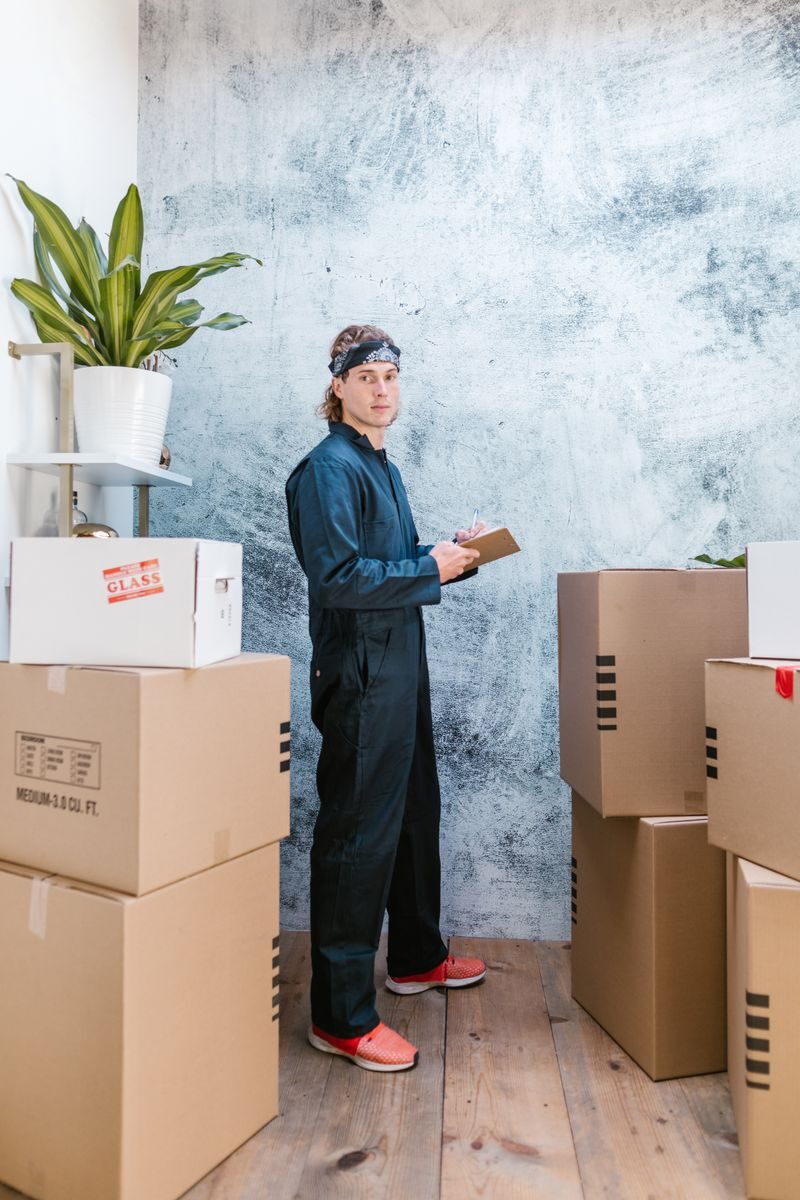
Fragile items are where good intentions go to crack. Plates, glasses, picture frames, lamps, and electronics need a little extra care. Wrap each item on its own when possible. It takes more time, but it beats opening a box full of accidental modern art.
Use sturdy boxes and don’t make them too heavy. Dishes should stand upright, not lie flat in a stack. Fill empty spaces with soft padding so things don’t shift around during the trip. Cords should be bundled and labeled, especially for TVs, routers, and gaming systems. In the future you will be very grateful.
A common mistake is mixing heavy and fragile items in one box. Another is under-labeling. If a box needs gentle handling, say so. “Fragile” is not being dramatic. It’s being realistic. Also, avoid overstuffing boxes until they bulge. That’s not packing. That’s asking cardboard to perform miracles.
Prep your new home
Your long-distance move gets easier when your new place is ready before the truck arrives. If you can, visit ahead of time or ask for measurements, photos, and utility details. Check where large furniture will go so you’re not playing sofa Tetris at the doorway.
Set up electricity, water, and internet before move-in day if possible. Walking into a dark house with no air conditioning and no Wi-Fi feels like punishment, not a fresh start. Even simple prep helps. Clean floors, wipe shelves, and stock basics like paper towels and soap.
Think about your first night there. You’ll want bedding, a shower curtain, easy food, and maybe coffee for the next morning. That first day can feel disorienting, so small comforts matter. A little setup now means less scrambling later, and your new home starts feeling livable right away instead of looking like a box museum.
Make moving day easier
Moving day always has a bit of chaos, even with a solid plan. That’s normal. The trick is keeping the chaos from running the whole show. Get dressed in comfortable clothes, keep your phone charged, and have water and snacks nearby. Hungry people do not make great moving decisions.
Keep important papers, keys, medication, wallets, and anything truly valuable with you. Don’t pack them on the truck. If delays happen, and sometimes they do, you’ll still have what you need. It also helps to do one last walk-through before leaving. Open closets, cabinets, and that mysterious drawer in the hallway where batteries go to retire.
If you’re moving with your family, give everyone simple jobs. One person handles pets, one checks rooms, one keeps the snacks alive. Tiny roles make a big day feel more organized. And if something goes off schedule, take a breath. A long-distance move is a process, not a perfection contest.
Settle in faster
Once you arrive, resist the urge to unpack everything in one heroic burst. Start with the rooms you use most. Make the bed, set up the bathroom, and get the kitchen basics in place. When those three areas work, the whole house feels more manageable.
Unpack in stages and give yourself permission to live with a few boxes for a bit. Focus on function first, then decoration. It’s easier to feel at home when you can cook, sleep, and find your socks without launching a full treasure hunt.
Create a few early routines in the new place. Morning coffee by the window, a quick evening tidy-up, dinner at the table even if the chairs don’t quite match yet. Those small habits help the house feel like yours. A long-distance move is a big change, but with steady steps and a little patience, you’ll settle in before you know it.
Also read:
How to make moving house less stressful for your dog (11 tips)