

- Why a Complete Smile Can Matter to Confidence
- The Psychological Adjustment to Wearing Dentures
- Appearance, Identity and the Question of Looking Natural
- Eating, Speaking and Rebuilding Everyday Confidence
- Social Relationships and the Fear of Being Judged
- The Importance of Realistic Expectations
- Follow-Up Care Is Part of the Emotional Recovery
- Dentures, Aging and Changing Ideas About Self-Image
- Restoring a Smile Can Restore a Sense of Possibility
Losing multiple teeth can alter everyday life in ways that are difficult to measure on a dental chart. The physical consequences are often the most obvious, including difficulty chewing, changes in speech and a reduced ability to eat certain foods. Yet many people discover that the emotional effects are just as significant.
A smile is closely connected with identity, social interaction and the way people present themselves to others. When that smile changes dramatically, the experience can affect confidence long before a patient begins considering dentures.
For some adults, tooth loss develops gradually after years of dental disease, damaged restorations, gum disease or other oral-health problems. Others experience a more sudden transition because remaining teeth need to be removed within a relatively short period. In either situation, the psychological adjustment can be substantial because the change affects a visible part of the body associated with expression and communication.
People may become more conscious of how they speak, laugh or pose for photographs. They may also begin modifying social habits in subtle ways, sometimes without immediately recognizing that their dental condition is influencing their behavior.
This emotional dimension helps explain why restoring a complete smile is about more than replacing missing teeth. Dentures can provide functional benefits, but they may also represent a transition from feeling restricted by tooth loss to participating more comfortably in daily life. That transition is rarely instantaneous, and it does not look the same for every patient.
Some people feel immediate relief when they see their restored smile, while others require weeks or months to become comfortable with the appearance and sensation of dentures. Understanding this adjustment as both a dental and emotional process can create more realistic expectations from the beginning.
Why a Complete Smile Can Matter to Confidence
Smiling is one of the most visible forms of nonverbal communication, which means changes to the teeth can influence how people feel in ordinary interactions. Someone who is uncomfortable with missing or severely damaged teeth may learn to smile with closed lips, cover the mouth while laughing or turn away from cameras. These behaviors can gradually become automatic.
What begins as an attempt to avoid embarrassment can develop into a broader reluctance to participate socially. Restoring the appearance of the teeth may therefore have significance that extends far beyond cosmetics.
The process is also deeply personal because there is no universal standard for how someone should feel about tooth loss. One patient may consider missing teeth primarily a practical problem, while another may experience significant anxiety about appearance or social judgment. Age does not necessarily predict the intensity of these feelings.
An older adult can be just as concerned about professional presentation, dating, photographs and social gatherings as someone decades younger. Dental professionals who recognize those differences are better positioned to discuss restorative options without reducing the conversation to chewing mechanics alone.
Dentures can affect how comfortably a person eats, speaks, smiles and interacts with others, so treatment planning often needs to address both function and appearance. Because these outcomes depend partly on careful evaluation, customization and follow-up, choosing a dental provider is also an important part of the process.
For patients seeking denture care in San Francisco, Union Square Dental Practice is led by Dr. Mahsa Hakim and Dr. Nazanin Hakim, UCSF School of Dentistry graduates who have served the community for more than two decades. Patients exploring denture options for replacing missing teeth may want to discuss fit, appearance, adaptation and how the prosthesis will support their broader restorative needs. These conversations can help set realistic expectations and make it easier to choose a solution that functions comfortably and fits more naturally into everyday life.

The Psychological Adjustment to Wearing Dentures
Receiving dentures does not automatically erase the emotions associated with losing natural teeth. Even when a patient is pleased with the appearance, the first days and weeks can involve heightened awareness of the new prosthesis.
The mouth may feel unusually full, speech can sound different to the wearer and chewing may require deliberate concentration. Those sensations can make some patients temporarily more self-conscious rather than less. The adjustment becomes easier when patients understand that unfamiliarity during the early period does not necessarily indicate that something has gone wrong.
Speech is one example of how physical adaptation and emotional response can interact. Certain words may initially sound different because the tongue is learning to move around a new dental surface. A person who notices those changes may become hesitant to speak in meetings, restaurants or other social settings.
In many cases, regular conversation and reading aloud can help the tongue and surrounding muscles adapt over time. Knowing that adjustment is a process can reduce the temptation to interpret every early difficulty as a permanent limitation.
Eating can produce a similar learning curve. New denture wearers may need to begin with manageable foods, take smaller bites and practice chewing in a balanced way. Those practical changes can feel frustrating to someone who expected immediate restoration of normal function.
Progress tends to come through repetition rather than a single dramatic moment. As confidence develops, many patients become less focused on the mechanics of the denture and more engaged with the meal, conversation or activity taking place around them.
Appearance, Identity and the Question of Looking Natural
A successful denture should not merely fill an empty space in the mouth. Its appearance can affect how naturally a patient feels able to smile and interact with others. Tooth size, shape, shade and arrangement all contribute to the final result, as does the relationship between the denture and the surrounding facial features.
Patients may arrive with strong preferences based on old photographs or memories of their natural teeth. Others may be uncertain about what they want and rely heavily on professional guidance.
The concept of a natural-looking smile can also be more nuanced than choosing very white teeth. Natural dentitions contain variations in shape, alignment, translucency and proportion, and a denture that appears excessively uniform may not match every person’s face or age.
The goal is generally harmony rather than artificial perfection. A thoughtfully planned prosthesis should complement facial characteristics while meeting the patient’s expectations about how they want to look. This is one reason conversations about appearance should happen before the final denture is completed rather than after.
Identity becomes particularly important for patients who have spent months or years avoiding broad smiles. Seeing a complete smile again can feel surprisingly unfamiliar even when the result is objectively attractive.
Some people need time to reconcile the image in the mirror with the way they have become accustomed to seeing themselves. That reaction should not automatically be interpreted as dissatisfaction with treatment. Emotional adaptation often involves becoming comfortable with a restored version of one’s appearance, not simply accepting a dental appliance.
Eating, Speaking and Rebuilding Everyday Confidence
The emotional value of dentures often becomes most apparent during ordinary activities rather than major occasions. Eating lunch with coworkers, ordering from a restaurant menu or talking with friends can become more complicated when a person is worried about missing teeth. These concerns may influence food selection, seating preferences or willingness to accept invitations.
Restoring teeth can gradually remove some of that mental calculation from daily life. The ability to focus on the experience rather than the mouth can itself be an important measure of progress.
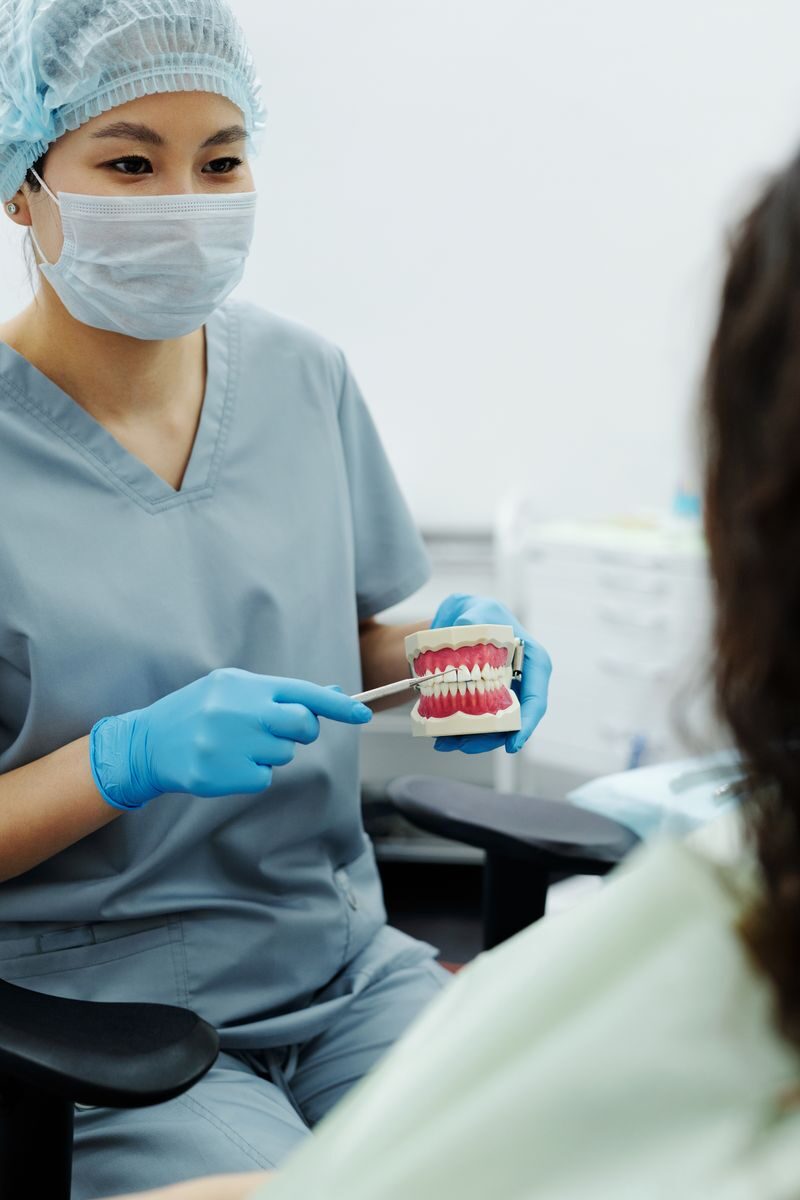
Chewing with dentures, however, differs from chewing with natural teeth. A conventional denture relies on support from oral tissues and must function within the limits of its design and fit. Foods that are particularly sticky, hard or difficult to break down may require additional care, particularly during the adjustment period.
Learning how to manage the prosthesis can help patients avoid unnecessary frustration. A realistic understanding of function is generally more useful than expecting dentures to behave exactly like natural teeth.
Speech confidence often returns in a similarly gradual fashion. The tongue, lips and cheeks must become accustomed to new contours, particularly when an upper denture changes the surface against which the tongue makes certain sounds. Some patients notice speech differences more strongly than the people around them do.
Practicing frequently can help because the oral muscles learn through use. As the mechanics become more automatic, attention tends to shift away from the denture and back toward the substance of the conversation.
Social Relationships and the Fear of Being Judged
Dental problems can carry a level of social stigma that makes people reluctant to discuss them openly. Missing teeth may be incorrectly interpreted by others as evidence of poor hygiene, neglect or indifference, even though tooth loss can result from many different combinations of disease, genetics, injury, access to care and previous dental history.
People who anticipate that kind of judgment may become skilled at concealing their teeth. They may avoid laughing openly or speaking at certain angles. Over time, those protective behaviors can influence relationships and social participation.
Dentures can reduce some of that anxiety, but receiving them may create a different concern: whether other people will notice that the teeth are artificial. The significance of that question varies considerably among patients.
Some people are comfortable discussing their dentures openly, while others consider the matter intensely private. Neither response is inherently more appropriate. What matters is whether the restoration allows the individual to participate in life without persistent fear about how the mouth will appear or function.
Close relationships can play an important role during this adjustment. Encouragement from spouses, relatives and friends can help, particularly when it focuses on the person’s comfort rather than excessive scrutiny of the denture itself.
Constant questions about whether the teeth feel natural or look different may unintentionally reinforce self-consciousness. Supportive relationships instead give the wearer room to adapt at an individual pace. Confidence often grows most effectively when the denture becomes an increasingly ordinary part of life rather than a constant subject of attention.
The Importance of Realistic Expectations
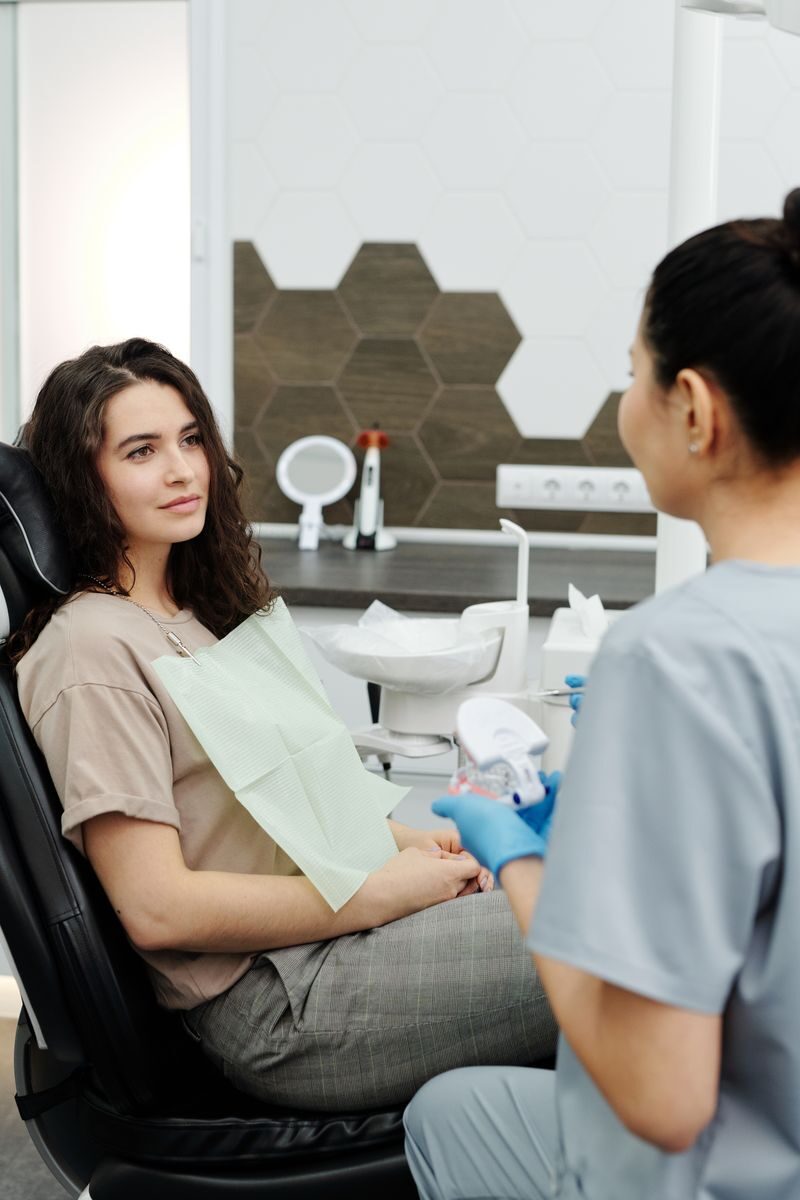
Dentures can be transformative, but they are prosthetic devices rather than replacements that reproduce every characteristic of natural teeth. That distinction is important because disappointment often begins with expectations that no removable prosthesis could reasonably satisfy.
A well-made denture can restore appearance and improve important aspects of oral function. It cannot recreate the periodontal ligament, sensory feedback and anchorage of natural teeth. Patients who understand these differences before treatment are better prepared to evaluate the outcome fairly.
Fit can also change over time because the mouth itself is not static. After teeth are removed, the bone that previously supported them undergoes remodeling, and the contours beneath a denture can gradually change. A prosthesis that initially feels secure may become less stable as those tissues evolve.
Periodic dental evaluation can identify whether an adjustment, reline, repair or replacement should be considered. Understanding that maintenance is part of denture care helps prevent normal biological changes from being mistaken for treatment failure.
Expectations about emotional change should be realistic as well. A restored smile can improve confidence, but dentures cannot independently resolve every concern a person may have about aging, appearance or social acceptance.
Some patients experience a dramatic emotional lift, while others notice more incremental changes as they become comfortable eating and speaking again. Both responses are legitimate. The most sustainable improvements tend to come from combining functional adaptation with a growing sense of familiarity and control.
Follow-Up Care Is Part of the Emotional Recovery
The appointment at which dentures are delivered is not necessarily the end of treatment. New prostheses can create pressure points as the mouth adapts, and areas of irritation may need professional adjustment. Patients sometimes assume that discomfort means they simply have to tolerate the denture until the tissues toughen.
Persistent soreness, however, deserves evaluation rather than resignation. Appropriate adjustments can improve comfort and make it easier for the patient to continue wearing the prosthesis consistently.
Follow-up visits have an emotional purpose as well as a clinical one. They provide an opportunity for patients to explain what is working, what still feels difficult and whether their expectations are being met. A concern that seems minor clinically may be highly significant to someone who is preparing for a wedding, returning to work or trying to eat comfortably in public for the first time in months.
Dentists can often address those concerns more effectively when patients describe specific situations rather than simply saying that the denture feels strange. Clear communication turns adaptation into a collaborative process.
Routine dental examinations remain relevant even for people who no longer have natural teeth. The tissues supporting the denture should be evaluated, and changes in fit, irritation or oral health can occur regardless of whether teeth are present.
Dentures themselves also require regular cleaning and appropriate handling. Consistent maintenance protects both the prosthesis and the tissues beneath it. That routine can strengthen a patient’s sense that wearing dentures is manageable health care rather than an ongoing source of uncertainty.
Dentures, Aging and Changing Ideas About Self-Image
Dentures are often associated with old age, but that stereotype does not reflect the wide range of people who may need extensive tooth replacement. Adults can lose teeth for many reasons and at different stages of life.
For younger patients in particular, needing dentures can conflict sharply with expectations about what their appearance or health should look like at a certain age. That mismatch can intensify embarrassment. A clinical conversation that avoids stereotypes can help patients focus on solving the problem rather than defending how it occurred.
For older adults, the emotional picture can be equally complicated. Tooth loss may occur alongside other visible or functional changes associated with aging, making a denture part of a larger adjustment to the body over time.
Some individuals welcome the opportunity to improve their smile after years of dental difficulty. Others may experience the transition as another reminder of physical change. The same treatment can therefore represent renewal for one patient and loss for another.
Modern expectations about appearance can amplify these feelings because people encounter images of highly polished smiles in advertising, entertainment and social media. Comparing a prosthetic restoration with digitally altered or cosmetically enhanced teeth can create unrealistic standards.
A more useful benchmark is whether the denture suits the individual’s face, supports daily function and allows the person to participate comfortably in ordinary life. A credible outcome does not need to resemble an idealized photograph. It needs to work for the person wearing it.
Restoring a Smile Can Restore a Sense of Possibility
The most meaningful effects of dentures are sometimes found in small behavioral changes. A person may agree to appear in a family photograph instead of standing behind someone else. Another may order a meal without first calculating whether it can be eaten discreetly.
Someone returning to the workforce may feel more comfortable speaking during an interview or meeting. These moments are difficult to quantify, but they illustrate how oral rehabilitation can influence daily choices.
That does not mean every emotional difficulty disappears once treatment is complete. Adaptation can include good days and frustrating ones, particularly while a patient is becoming accustomed to chewing, speaking and caring for a new prosthesis.
Confidence develops through successful experiences repeated over time. Each comfortable conversation or meal can make the denture feel less like an unfamiliar device. Eventually, attention may shift away from the restoration itself and toward the activities it makes easier to enjoy.
A complete smile is ultimately both functional and personal. Dentures replace missing teeth, but their broader significance lies in what patients can do when they no longer organize as much of their behavior around those missing teeth.
The best outcomes recognize the practical requirements of fit, function and maintenance while taking the patient’s emotional experience seriously. Restoring teeth cannot restore the past, and it does not need to. It can instead help create a more comfortable way to move forward, speak freely, share meals and smile without making every interaction about what has been lost.





Be First to Comment