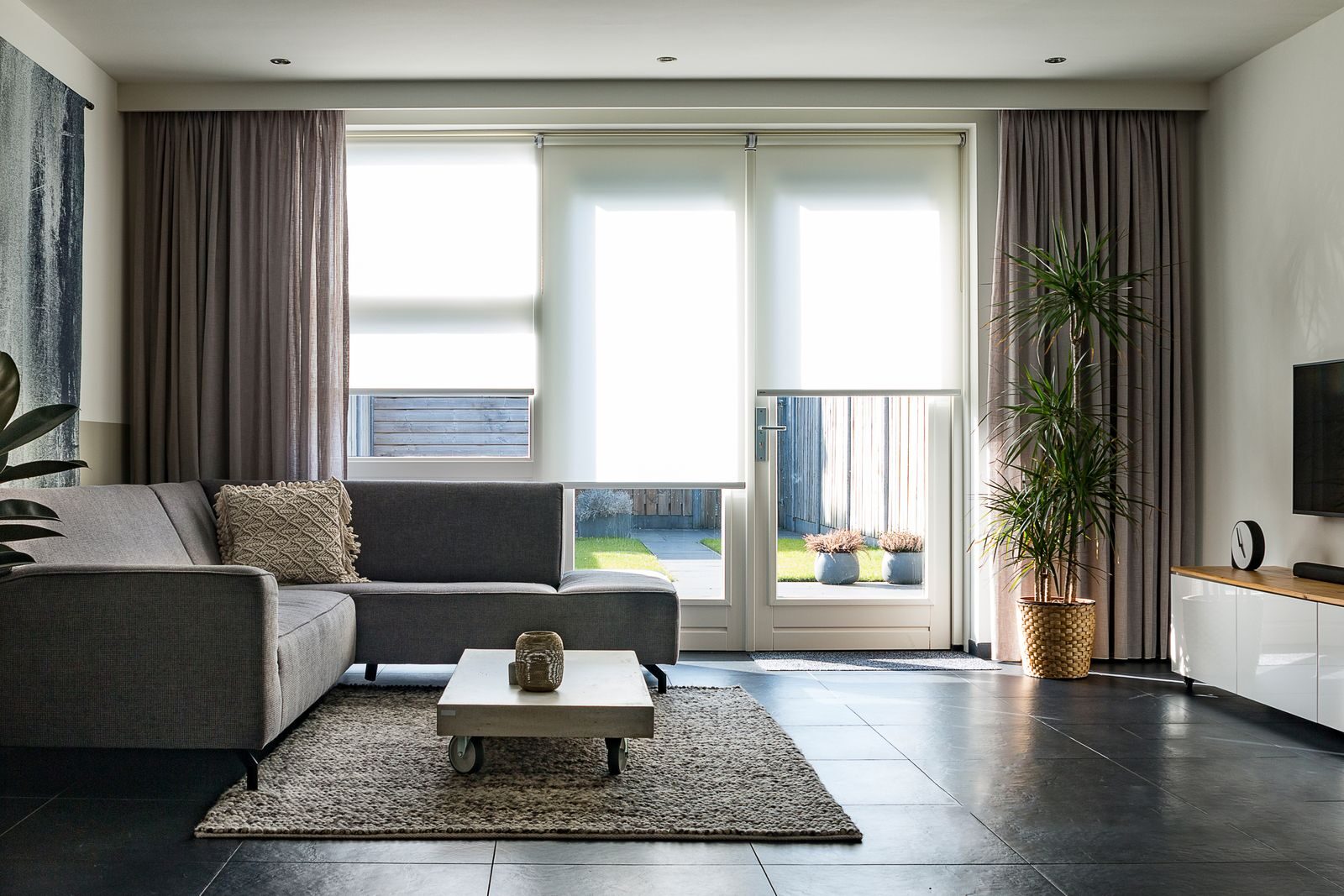
Colors significantly impact emotions and perceptions within a space. Each color evokes specific feelings; for example, blue promotes calmness, while red stimulates energy. Color psychology suggests the strategic use of color to make rooms appear larger, cozier, or more dynamic. Incorporating current color trends can modernize and personalize your home.
Choosing the right paint colors for your home isn’t just about aesthetics; it’s about creating an environment that reflects your personality and influences your mood. Understanding color psychology can help you make informed decisions that enhance your living space. For professional assistance in bringing your vision to life, consider consulting experienced home painters. Accent Painting, with over 60 years of experience, offers top-tier residential painting services across Utah, Arizona, Nevada, and Idaho, ensuring quality and satisfaction.
Understanding Color Psychology
Color psychology examines how hues affect human behavior and emotions. In home design, this means selecting colors that not only look appealing but also create the desired atmosphere in each room. For instance, certain colors can make a space feel more expansive or intimate, influencing how comfortable and functional it feels.

Emotional Impact of Colors
Different colors evoke various emotional responses:
- Blue: Often associated with calmness and serenity, making it ideal for bedrooms and bathrooms.
- Red :Stimulates energy and passion, suitable for dining areas or spaces meant for socializing.
- Green :Symbolizes nature and tranquility, perfect for living rooms to create a refreshing ambiance.
- Yellow: Evokes happiness and warmth, great for kitchens to promote a cheerful environment.
- Neutral Tones: Colors like beige and gray offer versatility and can serve as a backdrop for various design elements.
Understanding these associations can help you choose colors that align with each room’s function and desired mood.

Color Trends in Home Design
Staying up-to-date with color trends can inspire fresh ideas for your home. Recent trends include:
- Color Capping:This technique involves using two or three tones from the same color family in a room—lighter shades on the walls, mid-tones on moldings or trims, and the darkest hue on the ceiling. This tonal gradient draws the eye upward, creating a sense of depth and sophistication.
- Unexpected Red Theory:Incorporating red-colored home accessories can enhance interior design by adding a pop of color that draws attention and adds vibrancy to a space.
Incorporating these trends can modernize your home while reflecting your personal style.
Practical Tips for Choosing Paint Colors
When selecting paint colors, consider the following:
- Room Function:Align color choices with the room’s purpose. For example, use calming colors in bedrooms and energizing hues in home offices.
- Lighting:Test paint samples under different lighting conditions to see how they appear throughout the day.
- Existing Décor:Ensure new paint colors complement your furniture and accessories.
- Personal Preference:Choose colors that resonate with you and make you feel comfortable in your space.
By thoughtfully selecting colors, you can create a harmonious and inviting home environment.
Understanding and applying color psychology in home design allows you to create spaces that are not only visually appealing but also emotionally supportive. By considering the psychological effects of colors and staying informed about current trends, you can transform your home into a sanctuary that reflects your personality and meets your needs.
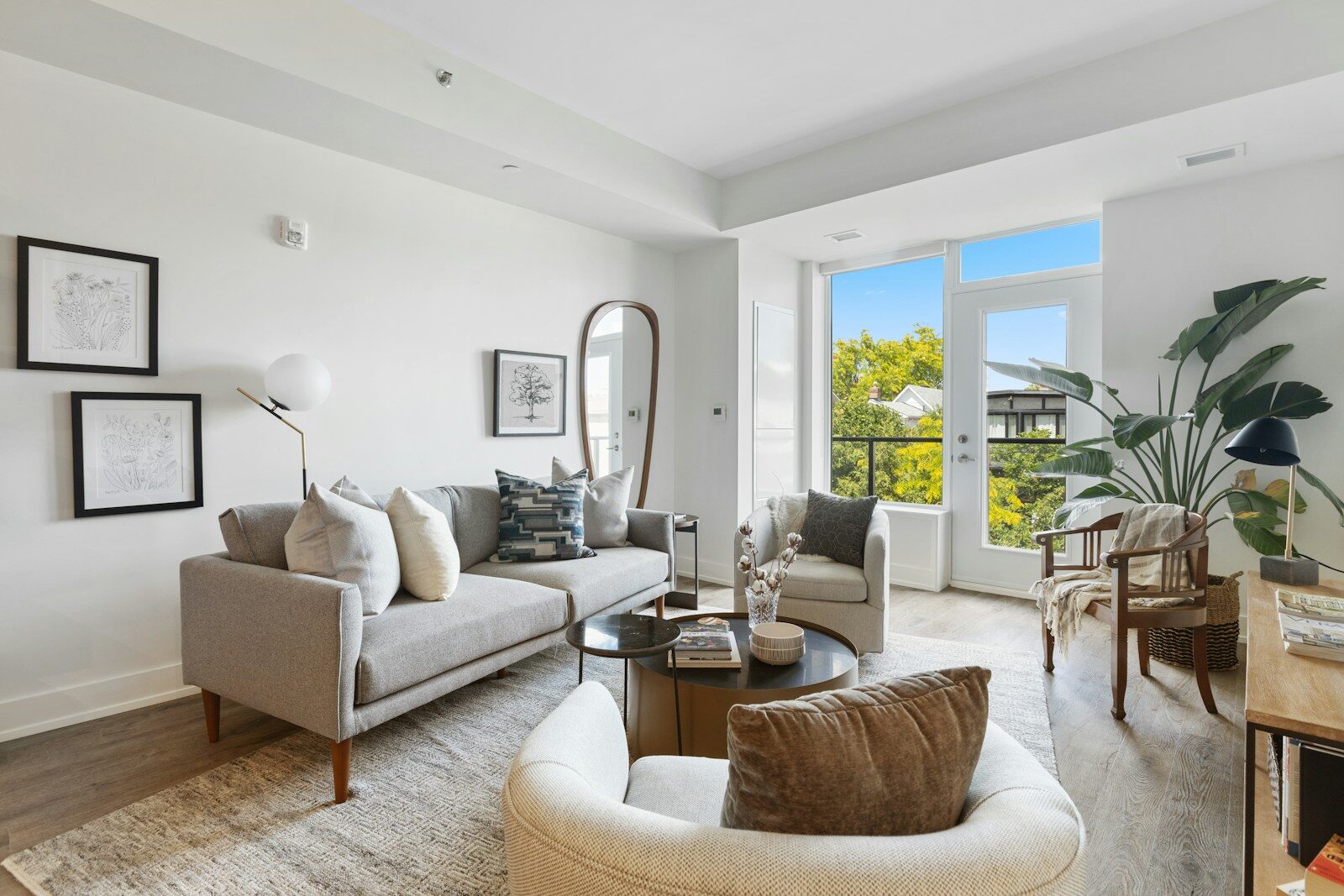
10 stunning modern home decor trends that inspire creativity