

When families begin to explore professional home care, it’s usually because some basics are becoming challenging. Mom isn’t taking her medication anymore. Dad stopped eating regular meals. Likely, the initial assessment is practical—an individual needs support with daily tasks and you need to find someone who can provide that support.
But what people don’t expect are the benefits that extend beyond a pair of helping hands around the home; often they’re more personal, intimate, and unexpectedly powerful that no one anticipated when making the call for support.
When Family Dynamics Improve
Sometimes adult children resist home health care because they’re worried they won’t be enough for their parents. Whatever guilt has been placed on them has been substantiated by their worries that hiring someone else equates to giving up. Yet something interesting happens once caregivers step through the door.
Family relationships often improve, not decline. Picture this: you’re responsible for getting your mom in the shower or managing your dad’s incontinence bathroom trips. For a multitude of reasons, this parent-child relationship gets turned on its head, uncomfortable for everyone involved. Parents lose their dignity. Children come laden with stress and uncertainty.
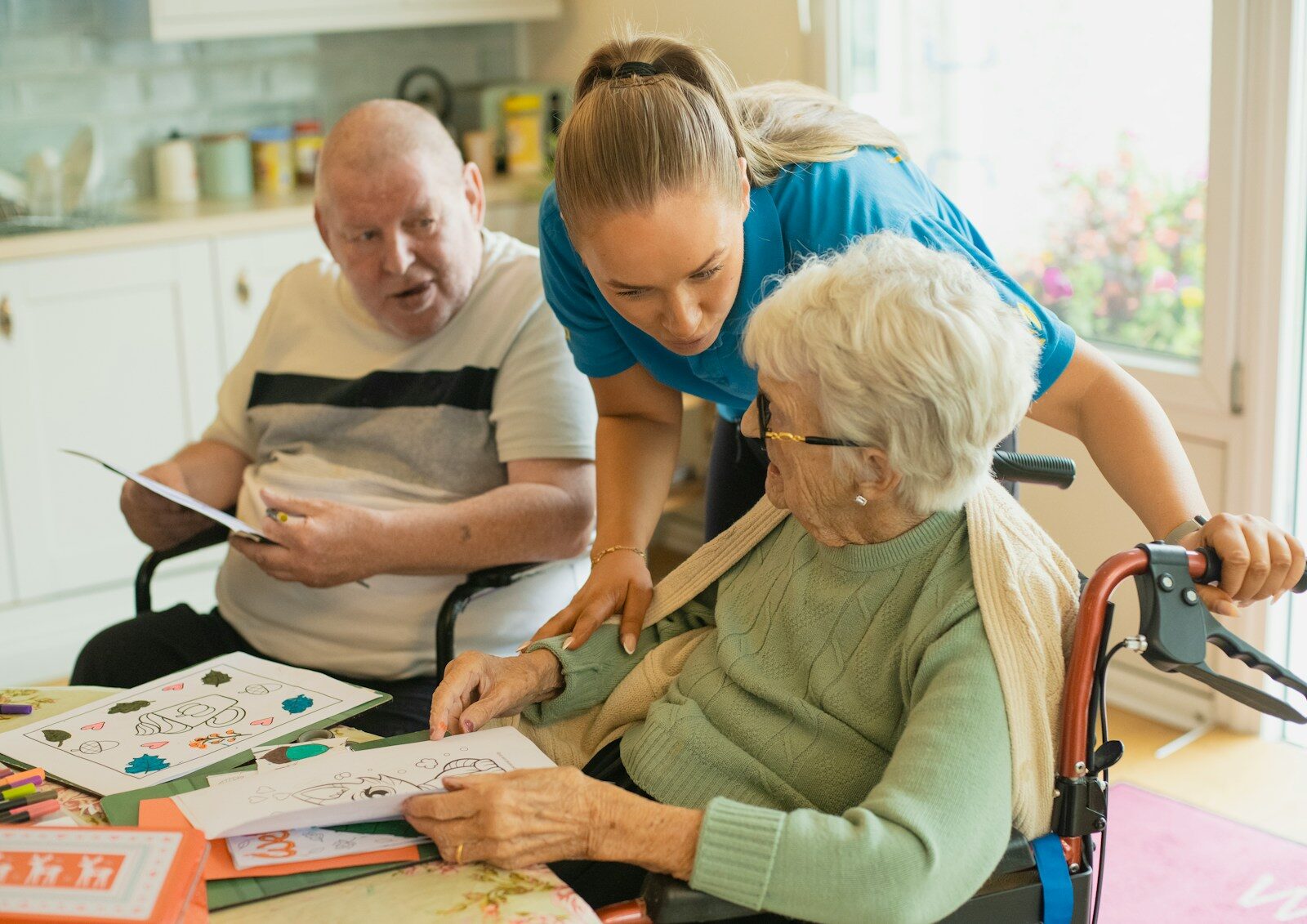
When a caregiver comes in to handle those personal hygiene tasks, family members get to be family again. Visits become about connections and not check boxes. Questions shift from “Did you take your pills?” to actual conversations—talking about the life your mom lived or what your dad misses talking about these days.
The Skills You Didn’t Know You Were Missing
Most families hiring a home care agency are thinking about companionship and help around the house. What they don’t realize is that experienced caregivers bring observational skills that family members simply don’t have.
Professional caregivers notice subtleties that family members don’t because caregivers see trends among many clients. A caregiver might notice a change in how someone walks—down the line it could mean losing balance or not being able to walk at all. They might notice bouts of confusion getting worse or minor appetite changes that could be a bigger concern.
Professional caregivers catch things early before they become emergencies.
They also know what’s normal. A family might panic over something that’s completely age-related while failing to see red flags; a professional has lived through it with others and can advocate for attention where needed.

How Everyone’s Health Improves
On first instinct, when seniors have support, their health stabilizes or improves—and that makes sense. What people fail to understand is how their health improves as well.
Adult children taking care of senior parents have much higher rates of depression, anxiety and other physical maladies. Stress is real and places a toll on those who feel forced to stretch themselves even thinner. When professional home care provides even a few days of relief each week, family caregivers finally have a chance to breathe.
They can sleep better. They stop canceling their doctor’s appointments. They remember their partner’s name instead of automatically diverting their gaze when partners suggest a night out to wait for caregivers to come back from their shift. Some people say it feels like they have their life back—which sounds dramatic until you’re put in that position.
Seniors benefit because their caregivers aren’t resentful and exhausted at 50% effectiveness and everyone wins when care needs aren’t falling at the feet of those already overworked.
The Social Aspect No One Talks About
Isolation is rampant among seniors—especially those with mobility issues—and family visits are precious but not substantial enough to replace social interactions throughout the week.
Professional caregivers often become friends. They have news from other parts of the world, different topics with which to engage and a new perspective on things seniors may have stopped paying attention to. Many seniors look forward to their professionals coming in not just for help but companionship.
This matters more than people realize. Loneliness is as dangerous as smoking and obesity; having someone with which to talk, share jokes and make small talk means more than a comfort—it’s good for the well-being. Some caregivers become so close with their professionals that they’re considered part of the family.
The Peace of Mind That Changes Everything
Even adult children who live across the country find this to be an unexpected benefit—someone will be checking in at least minimally.
No more worrying whether dad had lunch or mom fell down the stairs and can’t call anyone at the moment because she is lying on the ground. No more waiting anxiously for a response when there’s no answer on the phone for a few hours—they’ll be there, reliable and ready to call if something goes wrong.
This applies to little everyday check-ins as well. The caregiver notices when groceries need to be replaced or laundry is piling up; they do something about it before it becomes an incident—they’re able to resolve problems that family might wake up to in distress.
All Family Members Benefit from Professional Home Care
Professionally hired home care exists as a practical solution for immediate concerns but transforms into something much more secondary in value once people come to appreciate its power over otherwise stable lives. Improved family dynamics, preventive care through observation instead of living in denial, health perks and true companionship all attest to benefits beyond meals and medication.
These aren’t listed on brochures or price sheets—but families often appreciate these most once they’re thrust into situations and discover unforeseen perks.
In fact, sometimes the best thing we can do for our aging parents is acknowledge when we should bring in professional home care—not as giving up—but opening up doors for better solutions and deeper relationships than we could’ve offered ourselves.





This is such an important and insightful read! You’ve perfectly highlighted the transformative side of professional care that often gets overlooked. The point about family dynamics shifting from “care manager” back to “son/daughter” is so powerful and true. It’s not just about the tasks—it’s about reclaiming the relationship. And the observational skills of a seasoned caregiver are indeed a superpower most families don’t anticipate. Thank you for sharing this perspective!