- Well-planned and Thoughtfully Curated Itinerary
- Pick up in Shimla, way to Kalpa– A Quiet Start to the Journey
- Across the Valley: Kaza, Key Monastery & Langza Highlights
- Hikkim, Komic, and Chicham – A Life on the Edge
- A Farewell That Felt Like Leaving Home
- Why Thrillophilia Made the Difference
- Final Thoughts
‘Safarnama’ from Tamasha played in my head more times than I can count on this trip. That slow, steady rhythm of the road, the stillness of the mountains, and the feeling of being far from everything familiar, Spiti had that kind of effect.
Spiti had always caught my attention. Sitting between India and Tibet, this ‘Middle Land’ felt like the perfect change of pace from city chaos. But getting around this remote Himalayan region isn’t exactly a breeze; high altitudes, tricky weather, and patchy infrastructure make it a place where you really need a solid plan.
After going through tons of Thrillophilia reviews, I booked one of their Spiti tour packages. It came with a detailed itinerary, professional guidance, and a schedule that felt manageable.
Well-planned and Thoughtfully Curated Itinerary
I was sent a comprehensive digital travel guide that had customer notes, points for the customer to know, particularly helpful in a region like Spiti. All important details regarding vehicles, accommodations, and permits were provided well in advance by the team.
Many reviews of thrillophilia praise their backend support and I can confirm it.Before departure, the trip coordinator got in touch and even shared a packing checklist, which made things a lot easier.
Pick up in Shimla, way to Kalpa– A Quiet Start to the Journey
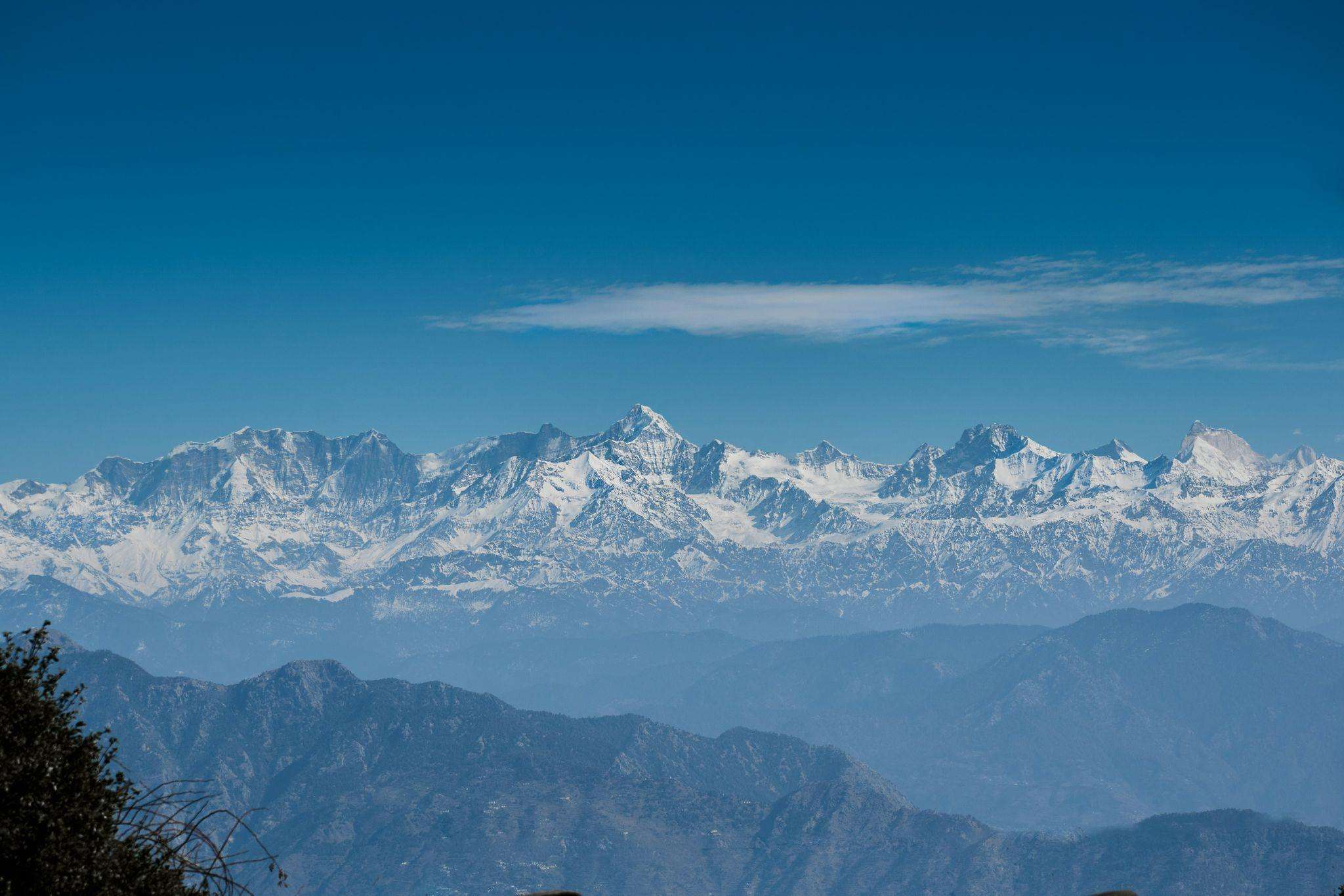
The journey began in Shimla along the old Hindustan–Tibet Road. Our next stop was Kalpa, a quiet town with pine-covered hills, apple orchards, and clear views of the Kinnaur Kailash range.
We stopped for the night at Kalpa. The stay arranged by Thrillophilia was clean, peaceful, and had rooms that opened up to snow-covered peaks. Great local food, clear night skies, and a helpful staff made this first halt unexpectedly memorable.
Across the Valley: Kaza, Key Monastery & Langza Highlights
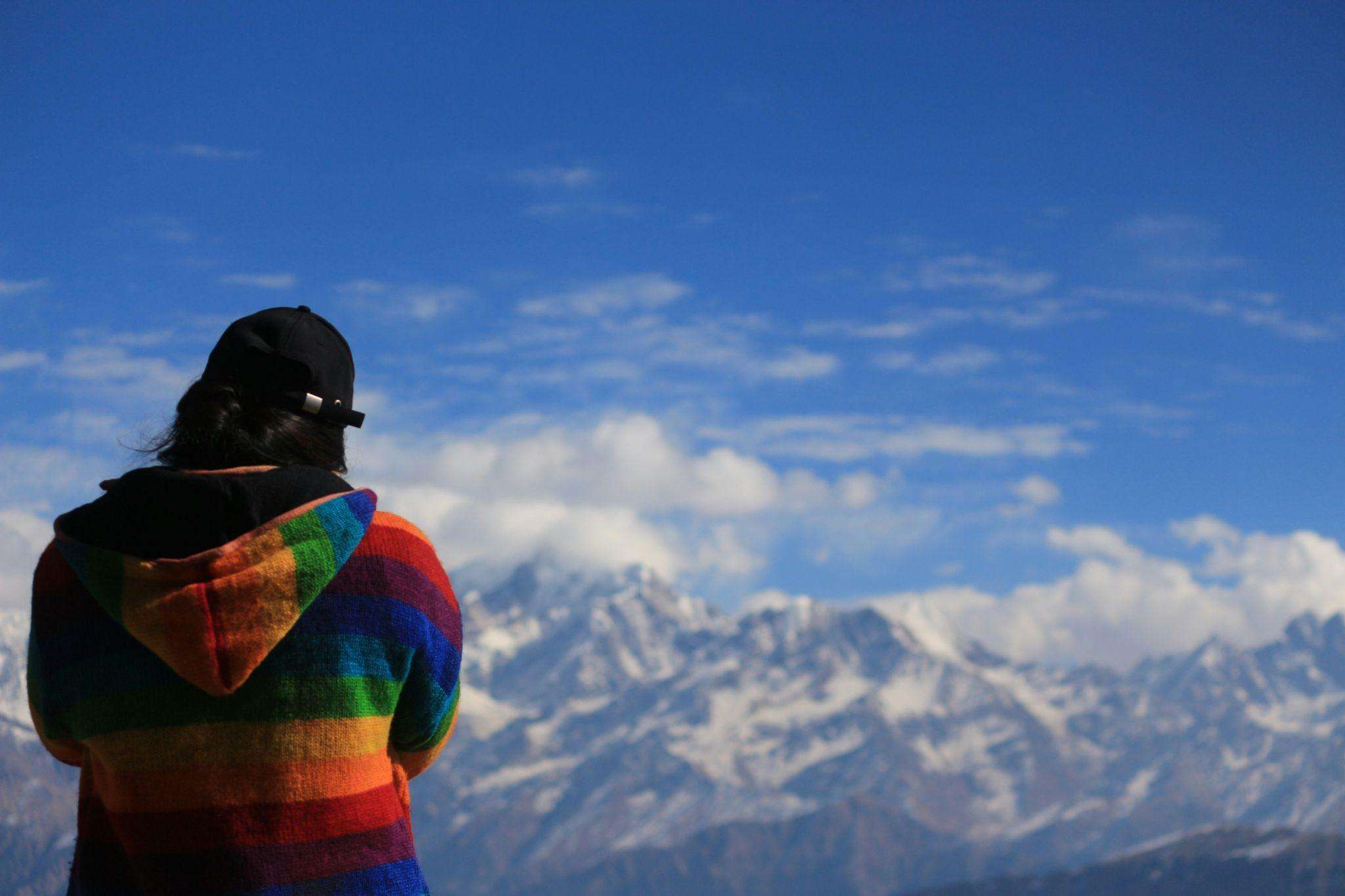
As we were driven deeper into the valley, the landscape became harsher and more dramatic. Winding along narrow, rugged mountain roads, every turn brought views that felt unreal. Our next stop was Kaza, the administrative centre of Spiti and our base for the next few days.
One of the highlights was Key Monastery, a 1,000-year-old Tibetan Buddhist structure perched high above the valley. Seeing monks in crimson robes chanting in dimly lit rooms added a depth to the place that even the guide couldn’t have prepared us for.
We also travelled to Langza, known for its large Buddha statue and fossil-rich terrain. Our Thrillophilia-assigned guide showed us ancient marine fossils embedded in rocks, a reminder that this high-altitude desert was once under the Tethys Sea. Clean accommodations, decent food, and a focus on acclimatisation at each stop made the experience smoother than I expected. Their team clearly understood the risks of high-altitude travel.

Hikkim, Komic, and Chicham – A Life on the Edge
We then headed to Hikkim, home to the world’s highest post office. I sent postcards to my family, a simple gesture that felt surreal, given the remoteness. The postmaster shared stories about life in the hills and the challenge of delivering mail during snowbound months. It was tough living, but fascinating to hear about.
Next came Komic, said to be the highest village in the world. We were greeted by open landscapes, strong winds, and fluttering prayer flags. Lunch was at a modest café run by a local couple, basic food, but full of warmth and hospitality.
We ended the day by crossing the Chicham Bridge, the highest suspension bridge in Asia. Looking down into the gorge below was equally terrifying and exhilarating. Some of the best views of the entire trip came from here.
A Farewell That Felt Like Leaving Home
As we began the return journey, I was hit by a mix of gratitude and reluctance. Spiti had left a lasting impression, the kind that only the Himalayas can. The quiet, the stories, the welcoming locals, and those ancient monasteries had changed something in me.
And throughout the journey, Thrillophilia was the silent force making sure everything ran smoothly.
Why Thrillophilia Made the Difference
Spiti isn’t a typical vacation. It’s remote, unpredictable, and not for the unprepared. Thrillophilia’s Spiti Travel Guide and structured itinerary made all the difference. They managed to strike the right balance between adventure and comfort. Even during the most challenging stretches, help was just a call away.
Their choice of local partners stood out; our driver knew every curve of those mountain roads, and the guides were both knowledgeable and genuinely passionate about the region. Accommodation was clean and reliable, even in the smallest villages. I expected good service based on the Thrillophilia reviews, but it was the details that impressed me: oxygen cylinders in the car, hot meals at high altitude, and a slow-paced itinerary to prevent altitude sickness.
Final Thoughts
If Spiti is on your travel bucket list, and it should be, I highly recommend going with Thrillophilia’s Spiti tour packages. In a region where even small hiccups can become major issues, it helps to have a team that knows the terrain and cares about the experience.
After going through countless Thrillophilia reviews before booking, I can now add mine to the list. They’re professional, dependable, and truly focused on delivering experiences that leave a lasting impact.