
Key Takeaways:
- Maintaining good oral hygiene is crucial for overall health.
- Poor oral health can lead to systemic conditions like heart disease and diabetes.
- Regular dental check-ups and proper oral care can prevent serious health issues.
The Mouth-Body Connection
Oral health holds a far greater impact on your overall wellness than most realize. The mouth often acts as the gateway to the rest of the body. Problems that begin here can influence your entire system, and oral health can even serve as an early warning sign for broader health issues. Many chronic diseases first appear in the mouth, making regular dental assessments a vital part of preventive healthcare.
One of the most common oral health issues is gum disease. Untreated gum disease doesn’t just cause tooth loss; research shows it is also strongly associated with other health conditions, illustrating the deep mouth-body relationship. This connection spotlights the need for consistent oral hygiene routines and awareness of changes in oral health.
The mouth can harbor bacteria that, if not kept in check by daily brushing, flossing, and professional cleanings, may enter the bloodstream. Once in the bloodstream, these bacteria may contribute to inflammation or to illnesses elsewhere in the body.
Evidence is mounting that your oral health status can predict, or even contribute to, the development of systemic health problems ranging from myocardial infarction to poor glycemic control in diabetes.
The systemic impact of oral health also underscores the importance of prevention and early detection. Dentists and hygienists are trained to notice the subtle warning signs that can signal broader health concerns, reinforcing the indispensable role they play in supporting your holistic wellness beyond just your teeth and gums.
Common Oral Health Issues and Their Systemic Impacts
While cavities and gum disease are the most recognized oral health problems, their effects rarely stop at the mouth. Dental researchers have drawn clear lines between oral infections and diseases that affect organs and processes far from the teeth and gums. Some of the most significant connections include:
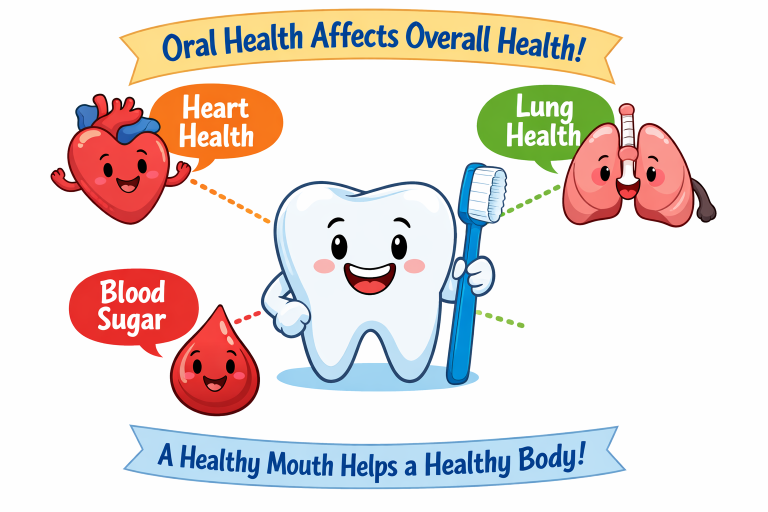
- Cardiovascular Disease: Chronic inflammation from gum disease is thought to increase the risk of atherosclerosis, heart attack, and stroke. Bacteria from inflamed gums may enter the bloodstream and contribute to plaque formation in arteries.
- Diabetes: The relationship between diabetes and oral health works both ways. Uncontrolled diabetes increases susceptibility to infections like periodontal disease. In turn, periodontal disease can make it more difficult to manage blood sugar, creating a cycle that is challenging to break without addressing oral health specifically.
- Respiratory Infections: Bacteria originating from infected teeth or gums can be breathed into the lungs. This can lead to respiratory problems, such as pneumonia, especially among vulnerable populations, including the elderly and those with weakened immune systems.
Leading health organizations, including the Centers for Disease Control and Prevention, have backed these connections. For further reading on how oral health affects the rest of your body, consider resources from the CDC.
Research Supporting the Oral-Systemic Health Link
Decades of scientific studies have confirmed the integral role that oral health plays in systemic wellness. Research from institutions like the Mayo Clinic substantiates that oral disease and inflammation are risk factors for conditions like cardiovascular disease, diabetes, and even complications in pregnancy.
Oral bacteria found in dental plaque can travel through the circulatory system, potentially exacerbating existing illnesses or causing new ones. Evidence also suggests that poor oral health may contribute to certain types of cancer and dementia, elevating the significance of regular dental care.
As more medical and dental professionals collaborate on patient care, the importance of oral health in relation to overall wellness is becoming a central theme in modern healthcare planning. Further information on this growing body of research can be found at the Mayo Clinic.
Preventive Measures for Optimal Oral and Overall Health
Tackling oral and overall health requires a proactive approach grounded in everyday habits. The following practices are essential for protecting your mouth and, by extension, the rest of your body:
- Brush your teeth for at least 2 minutes, twice a day, with fluoride toothpaste to help combat plaque and bacteria.
- Floss daily to clean between teeth where a toothbrush misses.
- Limit consumption of sugary snacks and beverages, as they feed bacteria and contribute to tooth decay.
- Visit your dentist regularly for check-ups and professional cleanings to catch and address issues early.
- Refrain from tobacco use, which is a major risk factor for gum disease and oral cancers.
By integrating these habits into your daily routine, you reduce your risk of dental problems and help support long-term systemic health.

The Role of Dental Professionals in Holistic Health
Dental professionals are not only tasked with taking care of your teeth and gums, but they are also uniquely equipped to identify potential warning signs of broader health problems.
During regular dental exams, dentists can detect symptoms such as swollen or bleeding gums, lesions, or unusual oral discoloration that may signal vitamin deficiencies, autoimmune diseases, or even oral cancer. Their insights complement the care you receive from primary healthcare providers, creating a team-based approach to your overall health.
Dentists and dental hygienists can also offer tailored advice on prevention, nutrition, and lifestyle changes, based on current evidence on the connections between oral and systemic health. This holistic perspective is key to promoting long-lasting health and improving quality of life.
Conclusion
Recognizing the intricate link between oral health and overall wellness leads to a more comprehensive understanding of personal health. By prioritizing oral hygiene and maintaining regular dental care, you take an active role in protecting more than just your smile. This commitment can reduce the risk of major systemic diseases and improve long-term well-being.