
Key Takeaways
- Authenticity and cultural heritage form the foundation of memorable food destinations.
- Innovation and creativity keep city food scenes fresh and exciting.
- Community engagement and support for local producers drive sustainable success.
- Accolades and recognition bring global attention to exceptional cities.
Every city’s dining landscape tells a story, weaving together traditions, flavors, and the ambition of local chefs and communities. Discovering what elevates one city above the rest as a “must-visit” culinary destination requires exploring the key factors that set vibrant food cultures apart.
From authenticity and heritage to innovation and inclusivity, a city’s food scene functions as a lens into its unique spirit and creativity. For those hungry to experience one of these remarkable culinary destination cities, guides such as https://frankiapp.com/guides/best-restaurants-in-los-angeles offer a perfect starting point.
Whether you are a curious traveler, a dedicated foodie, or a local resident, understanding what shapes an inspiring food destination can enhance your appreciation for great cities around the world. Let’s examine the essential ingredients that create unforgettable dining experiences and keep food lovers coming back for more.
Authenticity and Cultural Heritage
The heart of any inspiring culinary city is its connection to cultural identity. Traditional recipes passed down through generations breathe life into classic and lesser-known dishes, immersing visitors in the true essence of a place.
In cities like New Orleans and Jackson, Mississippi, the dining experience is inseparable from the region’s heritage. By staying true to authentic flavors and preserving traditional techniques, these cities foster a deep sense of place and pride while inviting visitors to explore their rich histories.
Innovation and Creativity
Along with honoring tradition, leading food cities distinguish themselves through innovative thinking and bold experimentation. Renowned chefs and up-and-coming talents introduce modern techniques, global influences, and imaginative presentations that excite both locals and guests.
In San Diego, for example, contemporary chefs have elevated the city’s status through creative blends of California produce with international flair. This combination of authenticity and innovation makes for a dynamic and ever-evolving culinary scene that remains at the forefront of food conversations. Industry trendsetters are constantly watching such cities for the next big movement, as reported by Bon Appétit.
Community Engagement
Thriving food communities are built on collaboration and sustained by local support. Cities that prioritize farmers’ markets, chef collectives, and food festivals build stronger ties between producers, chefs, and residents. Traverse City, Michigan, for instance, illustrates how embracing local agriculture and celebrating seasonal produce can inject life into a city’s reputation while supporting its economy.
When residents and visitors alike interact with growers, bakers, and chefs, the culinary scene becomes a shared source of pride, stamina, and mutual benefit.
Recognition and Accolades
External recognition often serves as the final seal of approval for any culinary destination aiming for international acclaim. When trusted organizations like the MICHELIN Guide award stars or recommendations, city food scenes can experience a dramatic transformation.
The presence of prestigious accolades helps attract talented chefs, media attention, and waves of adventurous diners. Such recognition not only boosts tourism but also inspires local food leaders to reach new heights in quality and creativity, benefiting both the culinary community and its global audience.
Sustainability and Local Sourcing
The commitment to sustainability and conscious sourcing is another significant hallmark of an inspiring culinary destination city.
Prioritizing local farms, seasonal ingredients, and ethical suppliers helps reduce environmental impact and sustains industry longevity. In Marfa, Texas, chefs demonstrate the power of creativity when navigating limited resources, showcasing how sustainable approaches can yield unexpectedly broad and delicious menus despite unique challenges.
Diversity and Inclusivity
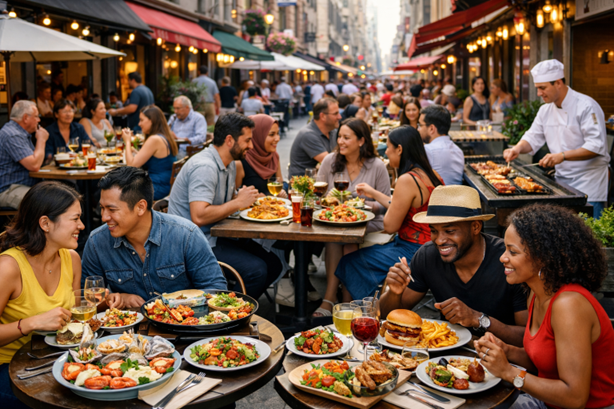
Cities that welcome diverse backgrounds, cuisines, and culinary customs provide a more enriched and inviting environment for residents and visitors alike. Emerging hotspots like Myrtle Beach, South Carolina, have blossomed as restaurateurs and chefs from around the United States bring their distinct perspectives and flavors.
Creating a space where all voices and styles are valued leads to a food scene that embodies the spirit of the entire community and attracts a wider, more adventurous audience.
Culinary Education and Events
Robust culinary scenes are supported by investment in educational opportunities and food festivals. Cities such as Charlotte, North Carolina, leverage initiatives like festival weeks, chef competitions, and partnerships with leading TV shows to inform, inspire, and engage local communities and visitors.
These events foster growth among chefs, introduce diners to emerging trends, and reinforce the city’s standing as a go-to food destination.
Conclusion
A city becomes an inspiring culinary destination when it strikes the right balance between authenticity, innovation, community, acclaim, sustainability, diversity, and education.
These vital elements all contribute to a vibrant, flavorful landscape that brings people together, drives economic prosperity, and leaves a lasting impression on everyone who sits down to share a meal at its tables.
Also read: 8 Best Theme Park Destinations for Family Vacations