
Key Takeaways
- Water-wise landscape planning can include trees, flowers, lawns, patios, and comfortable outdoor living areas.
- Sun exposure, slope, drainage, soil, and yard use should guide every major decision.
- Hydro-zoning plants by similar watering needs makes irrigation more efficient and easier to manage.
- Healthy soil, mulch, shade, and well-maintained irrigation all help reduce unnecessary water loss.
- A phased plan can make a substantial landscape improvement more manageable on a limited budget.
When landscape planning, Salt Lake City homeowners can create outdoor spaces that feel green, welcoming, and genuinely useful without designing every square foot around high water use. A thoughtful plan for landscape design Salt Lake City starts with the property itself. Then it brings together shade, planting, pathways, gathering areas, and irrigation in a way that fits Utah’s semi-arid setting.
From foothill neighborhoods with slopes and rocky soil to compact city lots that bake in afternoon sun, no two yards work exactly alike. Water-wise landscape planning is not about covering a property in gravel or giving up color. It is about placing the right features in the right locations so that the landscape can handle hot, dry summers, cold winters, and the household’s everyday needs.
Start With the Way Your Salt Lake City Yard Works
Review the site while landscape planning before choosing plants
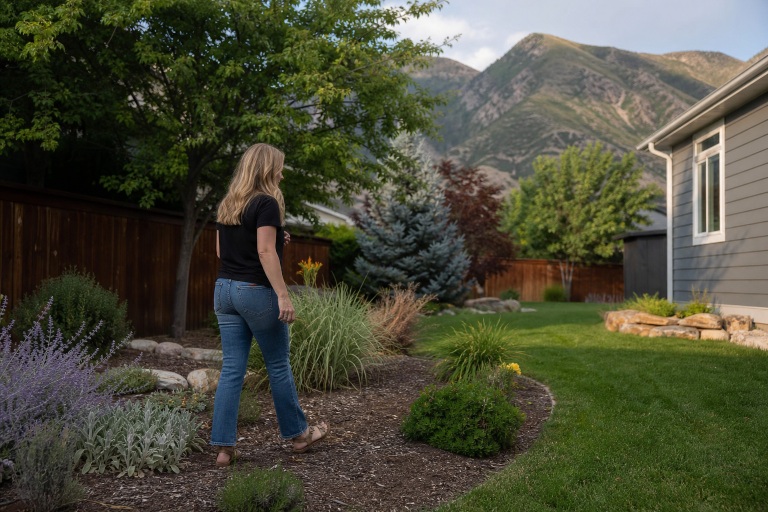
Walk the property at different times of day and note where sunlight is strongest, where shade lasts, and where wind moves through the yard. Look for low spots that collect runoff, steep sections that may erode, compacted soil near driveways, and narrow areas that are difficult to mow. Existing mature trees, utility lines, views of the Wasatch Front, fences, and foot traffic patterns all affect what can succeed in a space.
It also helps to think of the yard as a set of zones rather than a single continuous lawn or planting bed. Create an arrival zone at the front walk, a living zone for seating or dining, an activity zone for play or pets, a growing zone for vegetables or flowers, and a service zone for tools, bins, and equipment. This approach makes each part of the yard more intentional.
Choose Plants for Salt Lake City Conditions and Purpose
Plant selection should begin with light, soil, temperature, exposure, and available irrigation, not simply with a favorite flower or color palette. Utah State University’s list of water-wise plants for Utah landscapes includes trees, shrubs, perennials, grasses, and groundcovers selected for the state’s arid climate and cold winters.
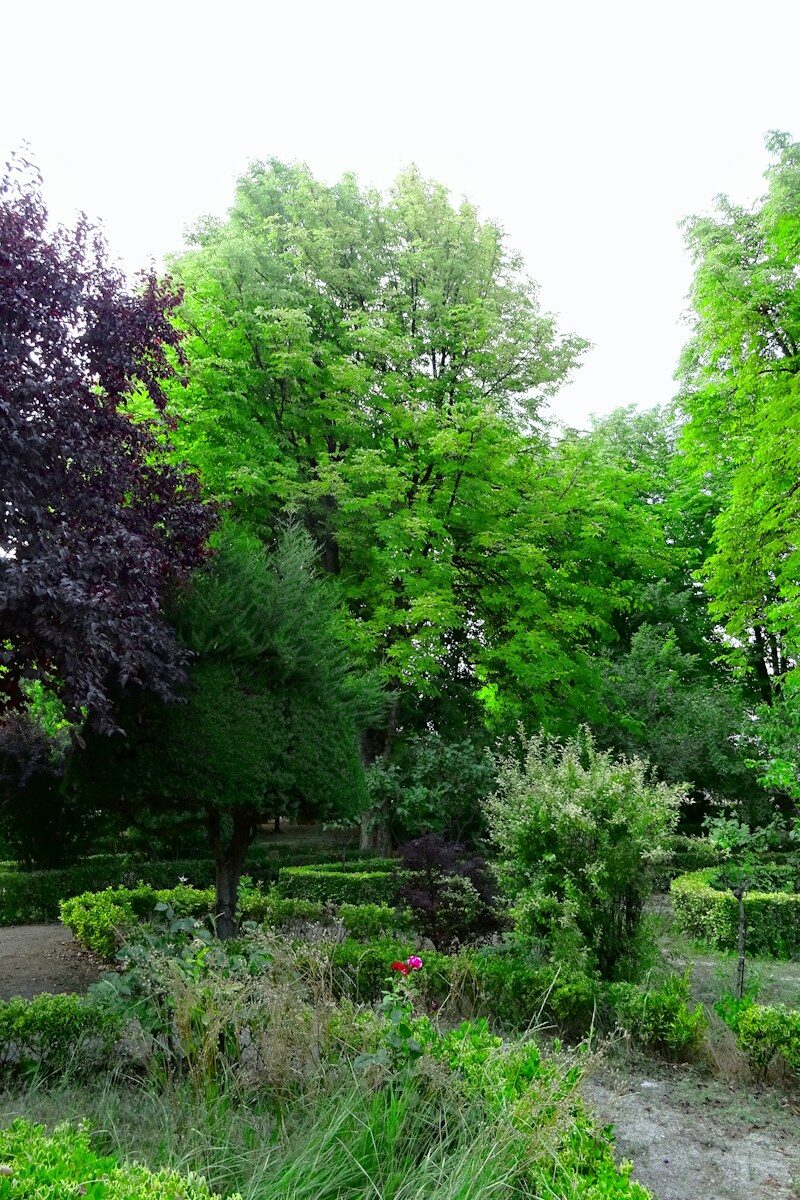
Use larger trees and evergreen shrubs to establish structure, privacy, and shade. Add flowering perennials and shrubs for seasonal color, then use ornamental grasses, textured foliage, and seed heads to keep the garden visually interesting beyond bloom season. Before planting, check the mature height and width. A plant that seems small at installation can quickly crowd a walkway, block a window, or compete with neighboring plants when it reaches full size.
Build planting layers instead of a single plant type
A layered landscape generally looks more complete and provides easier transitions between hardscape and open space. For example, a shaded patio may benefit from a canopy tree, medium-sized shrubs that soften the edge, lower perennials near the path, and mulch that creates a clean visual finish. This combination offers more depth than a flat bed filled with one type of plant.
Use Hydro-Zoning and Soil Care to Reduce Waste
Hydro-zoning simply means grouping plants with similar water needs together. Keep plants that need regular moisture near one another, and separate lower-water trees, shrubs, and perennials from turf or vegetable beds. A lawn, planting bed, and newly planted tree should not automatically receive the same irrigation schedule because their roots and water needs differ.
Before adding more water, improve the soil’s ability to accept and hold it. Compacted ground can lead to runoff and shallow rooting, especially on heavily used portions of a Salt Lake City lot. Incorporating appropriate organic matter into planting areas can improve soil structure, while a layer of mulch helps protect the soil surface, reduce weeds, and slow evaporation. Keep mulch away from tree trunks and avoid piling it over plant crowns.
Quick soil and planting checklist
- Check whether water soaks in or pools after irrigation or rain.
- Loosen compacted planting areas before installing new plants.
- Match plants to the site’s sun, drainage, and soil conditions.
- Leave enough room for mature growth and future maintenance.
- Apply mulch evenly, without allowing it to touch stems or trunks.
Make Hardscape and Irrigation Serve the Landscape
Hardscape should make the yard easier to use and care for. A well-placed path prevents worn grass and directs visitors to the entry. A patio creates an outdoor room for meals and gatherings. Edging helps planting beds maintain a defined shape, while permeable materials may allow more water to move into the ground rather than across a hard surface. Seating walls, shade structures, and modest retaining features can be especially useful on properties with elevation changes.
Irrigation should follow the plant plan, not dictate it. Drip irrigation is often useful in planting beds because it delivers water near root zones, while spray irrigation may be appropriate for functional turf areas. Check systems regularly for leaks, broken heads, overspray onto pavement, and uneven coverage. Salt Lake City’s landscape survival tips emphasize watering less frequently and more deeply when conditions and plant needs allow, rather than relying on daily shallow watering.
Keep the lawn where it has a job
Turf can still be a practical part of water-wise landscape planning when it supports play, pets, walking, or outdoor gatherings. The key is to keep it where it earns its place. Large unused expanses, narrow strips beside driveways, steep slopes, and isolated corners often require mowing and irrigation without providing much benefit. Those areas may work better as mulched planting beds, groundcover zones, paths, or low-water gardens.
A balanced design can combine a modest lawn with shade trees, broad planting beds, and clear access routes. This preserves a soft, open area for daily use while reducing the amount of turf that must be maintained through the heat of summer.
Plan for Seasonal Beauty and Realistic Maintenance
Choose plants and materials with all four seasons in mind while landscape planning. Evergreens and tree bark provide winter structure, flowering plants bring spring and summer color, and grasses or seed heads can add movement and texture in fall. Place focal points near the front door, patio, or a view from inside the home so the landscape feels purposeful from the places people use most.
Before installation, consider the ongoing work. Account for pruning, mowing, weeding, irrigation checks, leaf cleanup, and access to valves or outdoor equipment. Select materials that can be repaired in sections, and avoid planting too densely. A lower-maintenance yard is not maintenance-free, but it is easier to keep attractive when its care needs are realistic.
Use a Phased Plan When the Budget Is Limited
- Address drainage, grading, and safety concerns first.
- Repair or redesign irrigation zones before installing new beds.
- Build the main path, patio, or seating area.
- Plant shade trees and larger structural shrubs early.
- Add perennials, grasses, groundcovers, and decorative details in stages.
Final Salt Lake City Landscape Planning Checklist
- Map sun, shade, slope, drainage, and existing features.
- Define how each part of the yard will be used.
- Group plants by water needs and assign irrigation zones accordingly.
- Keep the lawn only in functional locations.
- Use mulch, durable surfaces, and accessible irrigation controls.
- Create a seasonal maintenance routine before the project begins.
A successful Salt Lake City landscape need not be sparse to be water-wise. When plants, irrigation, soil, hardscape, and household routines work together, a yard can provide shade, color, gathering space, and long-term comfort while remaining more practical to maintain.
Also read 8 Water-Smart Irrigation Techniques for a Healthier Lawn





Be First to Comment