
Some mornings, getting out of bed takes a little more time than I would like. My shoulders feel stiff, my knees need a moment to loosen up, or my ankles seem reluctant to cooperate. I sit on the edge of the bed for a while, stretch my arms, and wait until my body feels ready to move.
If this sounds familiar, you are not alone.
As we grow older, our bodies may need a little extra time to get moving after a night of rest. That does not mean you have to accept every uncomfortable morning without doing anything about it. A few gentle movements can help you ease into the day, feel more comfortable, and prepare for ordinary activities such as walking to the kitchen, getting dressed, or tending to your plants.
The good news? You do not need a gym, special equipment, or a complicated exercise plan. Just ten quiet minutes in the morning can give your body a gentle start and help you ease into the routine that follows.
Why Morning Mobility Matters
After several hours of rest, your muscles and joints may feel stiff, especially if you have spent much of the previous day sitting. Gentle movement encourages your joints to move through comfortable ranges of motion and helps you become more aware of your posture and balance.
Morning mobility exercises can also prepare you for everyday tasks. Turning your head while getting dressed, reaching for a cup, or lifting your feet as you walk all involve movements that are easy to take for granted.
Think of this routine as a way to warm up rather than work out. Each movement leads into the next, so you are not trying to push yourself or achieve a perfect stretch. You are simply giving your body time to wake up.
Your 10-Minute Morning Mobility Routine
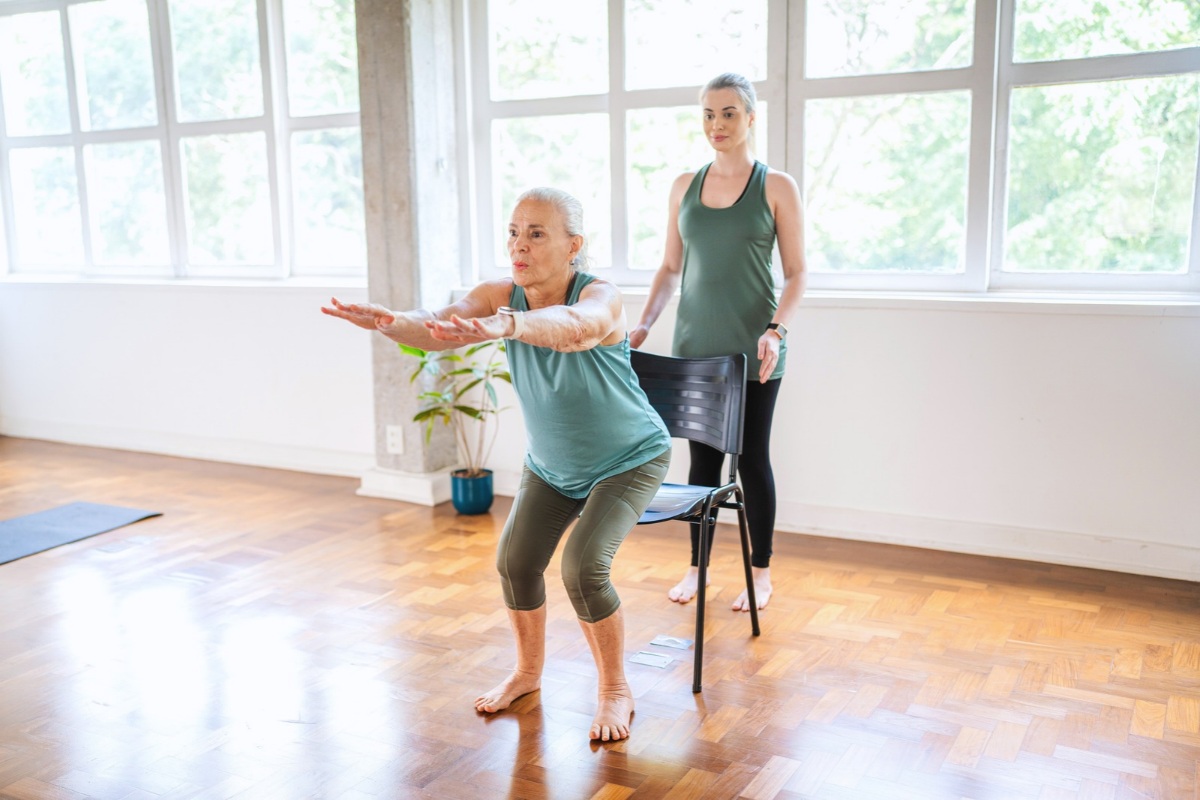
Choose a quiet spot with enough room to move comfortably. Keep a sturdy chair nearby, preferably one that does not slide or roll. You can complete most of these exercises while seated, making the routine suitable for mornings when standing feels less comfortable.
Move slowly, breathe naturally, and stay within a comfortable range. Let each exercise flow into the next, and treat the suggested times as flexible, so there is no need to rush.
Minute 1: Gentle Shoulder Rolls
Shoulders can feel tight after sleeping in one position for several hours.
Sit comfortably with your feet flat on the floor. Let your arms rest by your sides. Slowly lift your shoulders toward your ears, roll them backward, and allow them to relax down.
Repeat five to eight times, then reverse the direction if it feels comfortable to help the shoulders move more fully.
Keep your movements small and relaxed. Imagine you are gently releasing the tension from your shoulders rather than trying to stretch them as far as possible.
Minute 2: Easy Neck Movements
Your neck helps you look around while walking, reading, and carrying out everyday tasks.
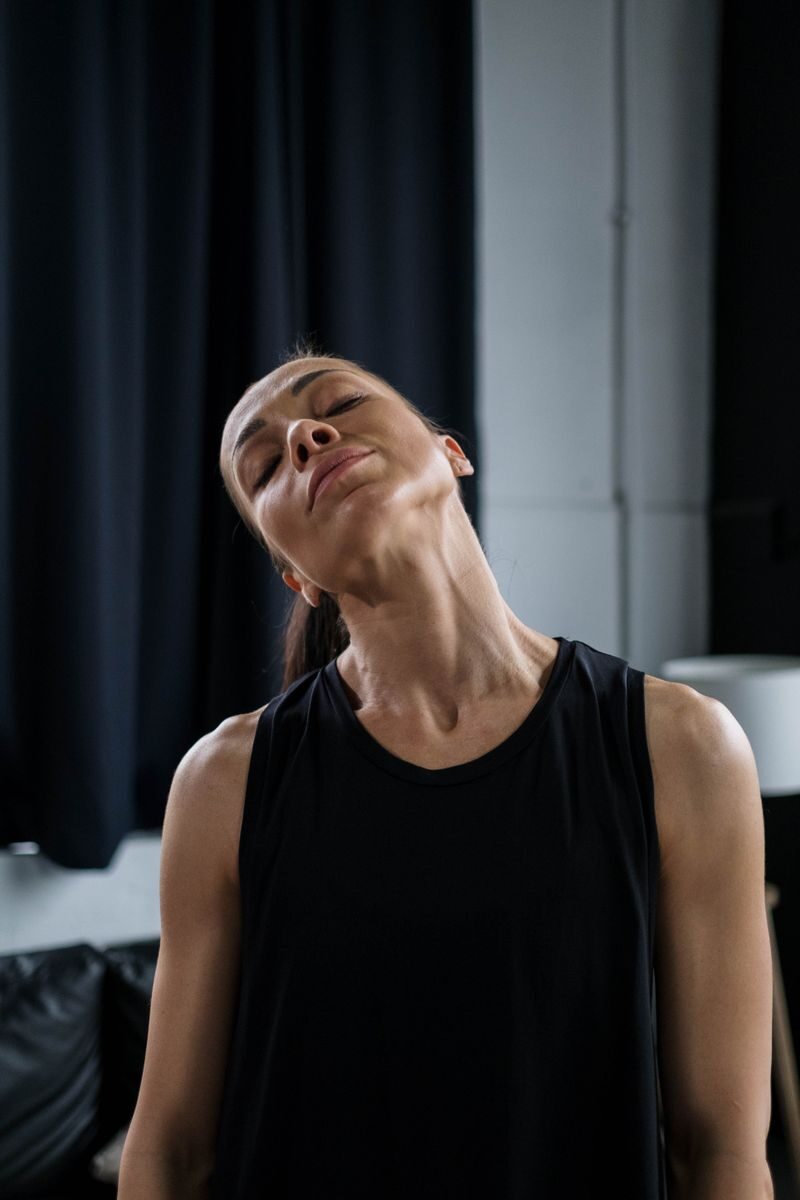
Sit upright and look straight ahead. Slowly turn your head a little to the right, return to the center, and then turn slightly to the left. Repeat several times without forcing the movement.
Next, gently lower your chin toward your chest and return your head to a neutral position.
Avoid rolling your head in full circles or tipping it backward. If you experience neck pain or dizziness, skip this exercise.
Minute 3: Seated Ankle Circles
Your ankles help you lift your feet and move comfortably from one place to another.
Sit with your back supported and extend one foot slightly forward, keeping your heel near the floor. Gently circle your ankle five times in one direction and five times in the other, then switch feet and repeat.
Switch feet and repeat.
If lifting your foot feels difficult, keep your heel down and make smaller circles. This simple movement can help your ankles feel more prepared for walking.
Minute 4: Gentle Heel Raises
Keep both feet flat on the floor. Slowly lift your heels while keeping the balls of your feet and your toes on the ground, pause briefly, then lower your heels and repeat in a steady rhythm.
Repeat eight to ten times at a comfortable pace.
You can hold the sides of your chair for support. There is no need to lift your heels very high. A small, controlled movement is enough for this gentle warm-up.
Minute 5: Seated Knee Extensions
Sit with your back supported and both feet resting on the floor.
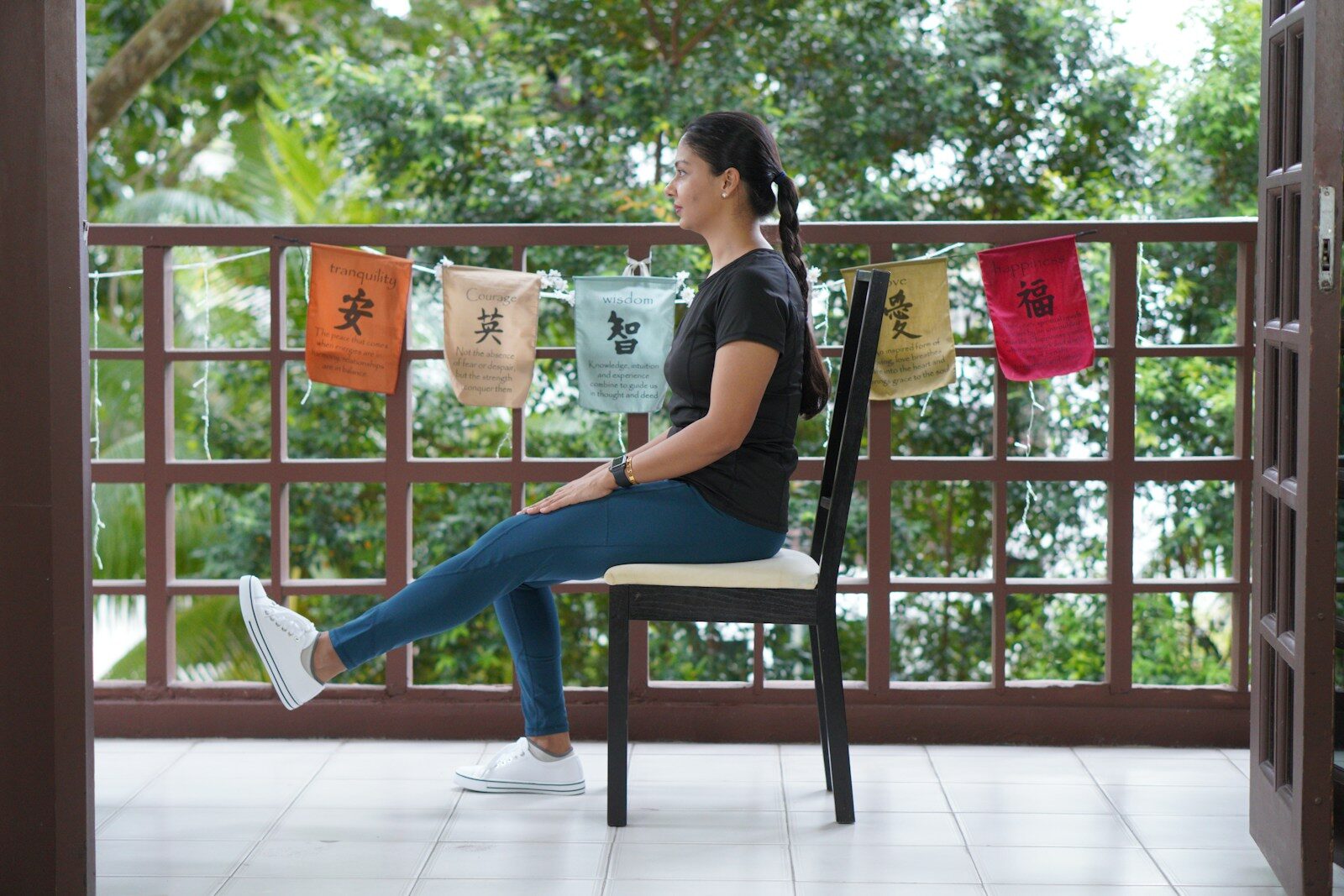
Straighten your right knee slowly, lifting your foot until your leg is comfortably extended. Hold for a moment, then lower your foot and repeat with your left leg, continuing in turn.
Continue alternating for about one minute, aiming for five repetitions on each side.
Do not lock your knees or force your legs straight. If your knees are sensitive, use a smaller movement.
Minute 6: Gentle Seated Marches
This exercise helps you practice lifting your feet while remaining seated.
Sit tall and hold the sides of your chair if needed. Lift your right foot a few inches off the floor, lower it gently, and repeat with your left foot so the movement stays easy to follow.
Continue alternating for one minute at an easy pace.
You do not need to lift your knees high. Even small movements count, particularly on mornings when your legs feel heavy or stiff.
Minutes 7–8: Relaxed Arm Movements
Now give your arms and upper body a little attention.
Begin by letting your arms rest beside you. Slowly raise them forward to a comfortable height, then lower them and repeat five to eight times before moving into the next arm position.
Next, bend your elbows and gently open your arms to the sides, then bring them back toward the center without straining your shoulders.
Keep your movements smooth and your breathing relaxed. If raising your arms overhead feels uncomfortable, stay below shoulder height.
These movements can be useful when reaching for a cupboard, putting on a shirt, or brushing your hair.
Minutes 9–10: Repeat Your Favorite Movements
Use the final two minutes to revisit the exercises that felt most comfortable.
You might repeat your shoulder rolls, ankle circles, and seated marches. Alternatively, spend a little more time moving your knees or relaxing your arms, letting the exercises lead naturally into one another.
Notice how your body feels compared with how it felt at the beginning of the routine. You may feel a little less stiff or simply more awake. Either response is perfectly fine.
Finish by sitting quietly for a few natural breaths before standing or moving on to your next activity.
When Chair-Based Movement Feels Better
Some mornings, standing exercises may feel tiring or unsteady. That is perfectly understandable.
Chair yoga for seniors offers a gentle way to practice movement while using a stable seat for support. Seated stretches, ankle movements, shoulder rolls, and gentle marches can all be part of a chair-based routine.
Choose a sturdy chair without wheels, and keep your feet comfortably supported whenever possible. If you need help with balance, avoid exercises that require standing without assistance.
You can also keep your routine entirely seated. There is no rule that says you must stand to make your morning movement worthwhile.
A Few Safety Reminders Before You Begin
Gentle movement should feel manageable, not like a test of endurance.
Start slowly, breathe normally, and never force a joint into an uncomfortable position. Stop immediately if you experience pain, dizziness, chest discomfort, or unusual shortness of breath.
If you have a long-term health condition, a recent injury or surgery, significant joint problems, or difficulty maintaining your balance, speak with your healthcare professional or physiotherapist before starting a new routine. They can help you choose movements that suit your needs.
Keep a glass of water nearby, wear comfortable clothing, and make sure the area around your chair is clear.
Final Thoughts
You don’t need to rush your mornings or perform every movement perfectly. Some days, you may feel ready to complete the entire routine, while on others, a few gentle stretches may be enough. Listen to your body, move at your own pace, and give yourself time to wake up comfortably.
With a little patience and consistency, these ten minutes can become a pleasant part of your morning, helping you feel more prepared for the simple activities that make up your day. Remember, it’s not about doing more but about starting your day with care, comfort, and a little kindness toward yourself.





Be First to Comment