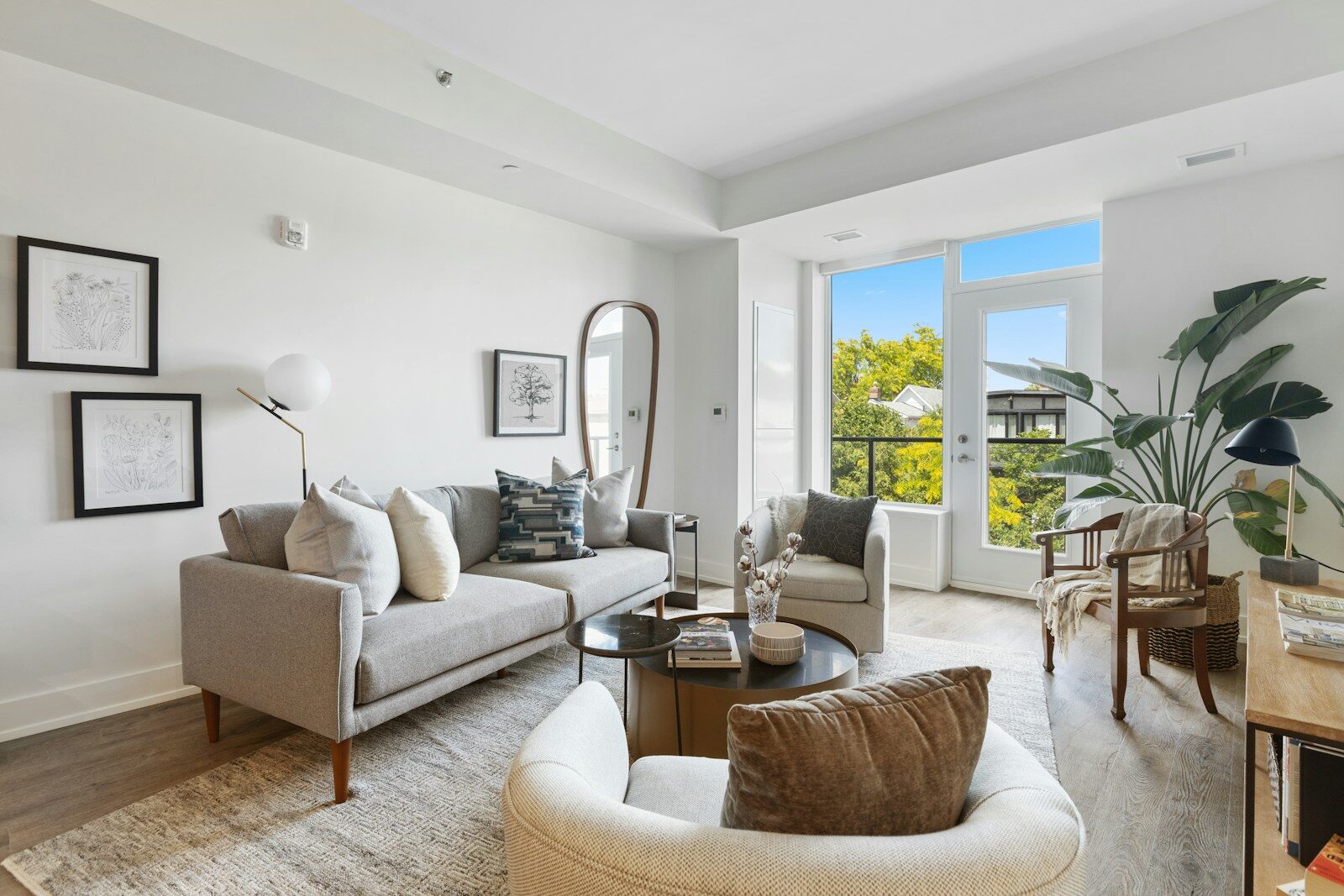
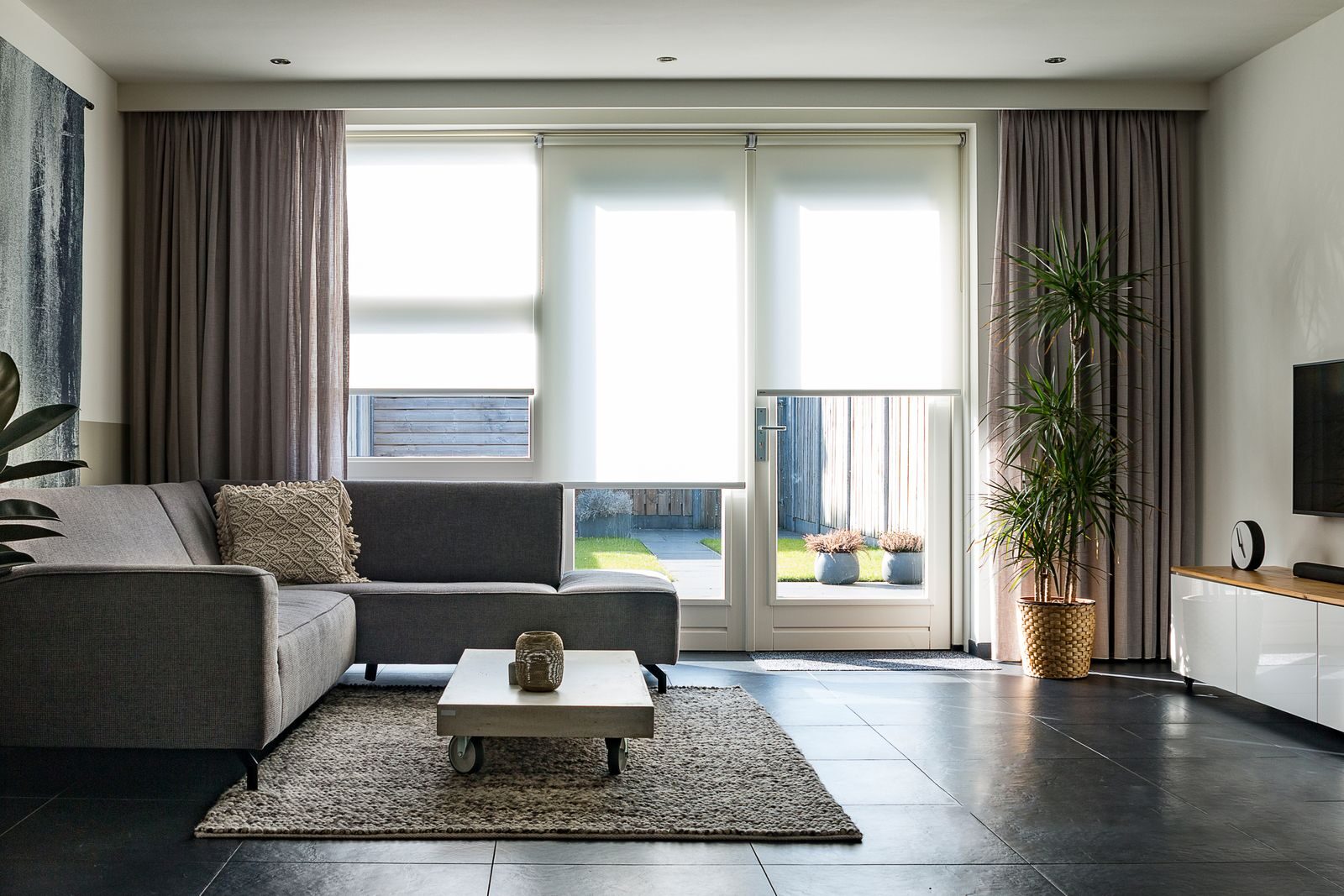
Creating a serene, clutter-free home doesn’t require a designer budget or complete renovation. Many homeowners struggle with spaces that feel chaotic and overwhelming, but smart home styling choices can transform any room into a peaceful sanctuary.
Wall treatments offer the biggest visual impact for your home styling budget, and modern solutions make dramatic changes more accessible than ever. Kitchen upgrade has the highest possible Joy Score of 10 out of 10, showing how much homeowners appreciate the transformation in their daily lives. This satisfaction extends beyond kitchens to any space where walls receive thoughtful attention.
Budget-Friendly Wall Transformation Techniques
Trending Peel and Stick Solutions
When it comes to instantly revitalizing accent walls without committing to anything permanent, cute modern wallpapers with geometric patterns or subtle textures have become a top choice for renters and homeowners alike. Today, you’ll find countless modern and youthful wallpaper options that bring fresh character while blending easily into a minimal design scheme. Available in easy-to-install peel-and-stick formats, these wallpapers allow you to refresh your space quickly and affordably.
If you’re drawn to natural texture, peel-and-stick wallpaper limewash designs provide a stylish solution for mimicking the depth and character of real limewash finishes, but at a fraction of the cost and without the mess of plaster. These wallpapers are not only removable and renter-friendly, but also deliver that chic, textural look in just an afternoon for less than $50 per accent wall.
With so many peel and stick wallpaper companies now offering sophisticated, trend-driven designs, it’s easier than ever to find options that rival traditional wallpaper in both style and quality, without the hassle or high cost of installation.
Strategic Pattern Applications
In a minimal space, subtlety is key, yet you can still infuse charm by incorporating select patterns. For example, vintage floral wallpaper makes an elegant statement when applied to a single accent wall, especially if you choose patterns with plenty of white space and soft, muted palettes to maintain that open, airy feeling.
Likewise, you can give your room a touch of character by using simple western wallpaper featuring understated geometric or nature-inspired motifs, ensuring the vibe remains calming and not visually overwhelming.
The key lies in restraint – one patterned wall paired with three neutral walls creates focal points while preserving visual calm.
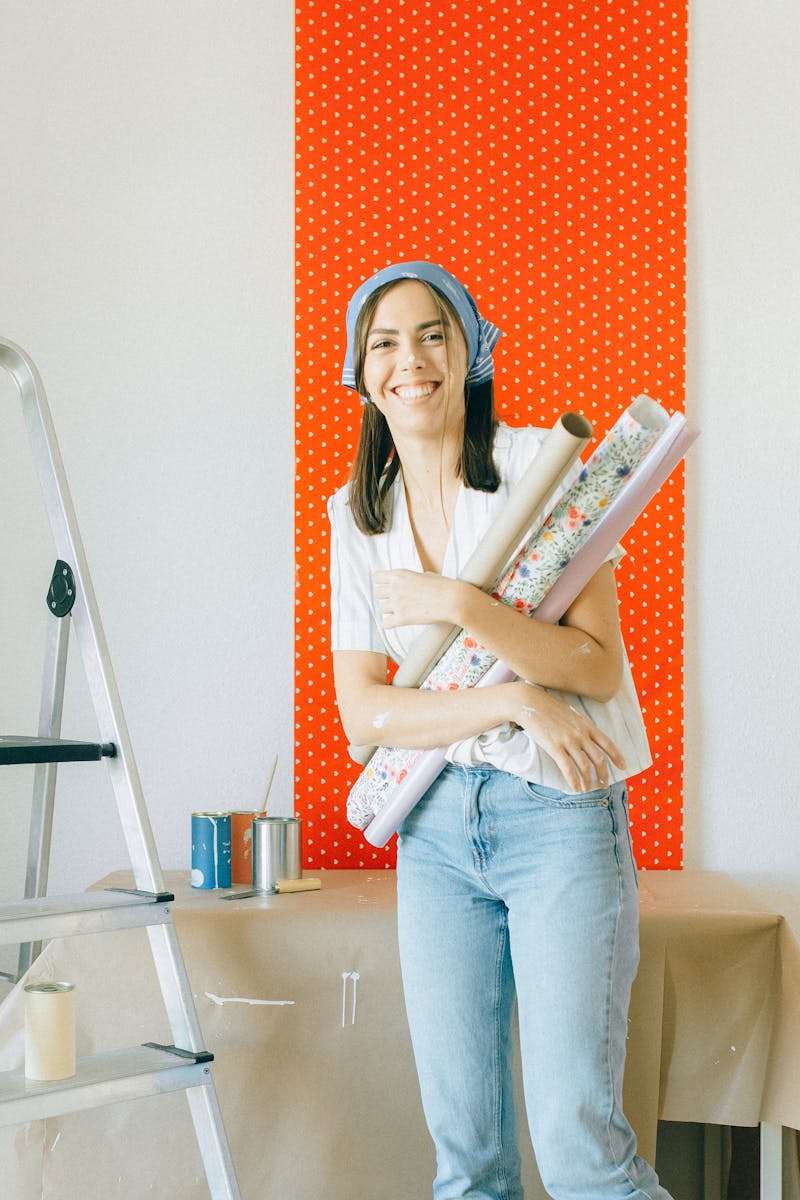
Choose Neutral, Subtle Wallpaper Designs
In minimalist homes, less is more—but that doesn’t mean your walls have to be blank. Opt for wallpaper in soft, neutral tones like cream, gray, beige, or pale taupe. Designs such as fine lines, simple geometric patterns, or natural textures (like linen or wood grain effects) can add visual interest without overwhelming the space.
Try Peel and Stick Wallpaper for Flexibility
Peel and stick wallpaper is a game-changer for affordable, renter-friendly home styling. Many peel and stick wallpaper companies now offer premium, design-forward options that are easy to apply and remove. Whether you want to cover an entire room or create a feature wall, it’s a simple way to transform your space with minimal effort or commitment.
Create a Feature Wall with Texture
If you’re aiming for a clean look but still want a focal point, consider a textured wallpaper feature wall. Faux brick, concrete, or wood panel prints can give your room depth and warmth without adding clutter. Pair it with streamlined furniture and neutral décor for a balanced, cohesive look.
Keep It Consistent
One of the keys to minimal design is consistency. Avoid mixing too many patterns or colors across your walls. Stick to one wallpaper style per room or use the same wallpaper across adjoining spaces to create flow and harmony.
Smart Furniture Selection and Arrangement
Once your walls establish the perfect minimalist foundation, furniture choices become critical for maintaining clean lines while maximizing functionality. The secret lies in selecting pieces that serve multiple purposes and arranging them to enhance rather than crowd your space.
Multi-Functional Investment Pieces
Storage ottomans that double as coffee tables eliminate clutter while providing seating flexibility. Murphy desk solutions work perfectly for small spaces, folding away when not needed. Modular shelving systems adapt as your needs change, making them excellent long-term investments.
Space-Maximizing Layout Strategies
The 60-30-10 color rule creates visual harmony in minimal spaces: 60% dominant neutral, 30% secondary color, and 10% accent color. Furniture with visible legs creates visual spaciousness by allowing sight lines to continue underneath pieces.
Traffic flow optimization prevents cramped feelings even in small rooms. Keep pathways clear and anchor furniture arrangements around natural focal points like windows or fireplaces.
Room-Specific Minimalist Home Styling
Different rooms require tailored approaches to achieve clean, minimal aesthetics while maintaining their essential functions. Understanding each space’s unique needs helps you prioritize improvements and allocate your home styling budget effectively.
Living Room Essentials
Sectional seating often works better than individual pieces in small spaces, creating conversation areas without visual fragmentation. Coffee table alternatives like nested tables or ottomans offer flexibility while reducing bulk. Entertainment centers should be minimized – wall-mounted televisions with hidden cord management create a cleaner look.
Bedroom Serenity Creation
Bedding coordination doesn’t require expensive sets – choose two complementary colors and mix textures for visual interest. Nightstand alternatives like wall-mounted shelves or small stools reduce floor clutter while providing necessary surfaces.
Creating Your Minimalist Haven
These affordable home styling ideas prove that sophisticated, clean aesthetics don’t require unlimited budgets or professional designers. Success comes from understanding how color, texture, and thoughtful furniture selection work together to create peaceful environments.
Start with high-impact changes like wall treatments and strategic decluttering, then gradually add purposeful pieces that enhance rather than complicate your space. Remember, true minimalism isn’t about empty rooms – it’s about creating intentional spaces that support your daily life while bringing genuine joy and tranquility to your home.
Common Questions About Minimalist Home Styling
What is a minimalist style with clean lines?
Minimalist furniture and accessories focus on functionality and practicality. Flat, smooth surfaces and strong, clean lines create bold statements that emphasise the essential nature of each item without highly patterned furnishings or detailed ornamentation.
Why are interior designers ditching minimalism?
“Minimalism can feel sterile to me, and uninviting,” some designers note. Instead, leaning on vibrant maximalism offers welcoming energy and invites eyes to wander, which feels more exciting than less-is-more approaches.
How much should I budget for minimal room makeovers?
Complete room transformations typically cost $300-800, depending on size and existing conditions. Focus 40% on wall treatments, 30% on lighting solutions, and 30% on carefully selected accessories for maximum impact.