- Why Resilience Matters in Modern Life
- Understanding Resilience: A Holistic Approach
- Listening to Your Body
- Sensory Health and Mental Well-being
- Daily Mindful Practices for Building Resilience
- Healing Practices and the Role of Care
- Community and Professional Support Systems
- The Importance of Access to Resources
- Viewing Resilience as a Lifelong Practice
- Small Actions, Big Impact
Looking to boost your daily resilience? This guide on mindful ways to rebuild resilience every day offers simple practices to help you stay emotionally balanced. Discover practical mindfulness tips to manage stress and build resilience effortlessly.
Why Resilience Matters in Modern Life
Resilience is more crucial than ever. From work pressures to personal challenges, modern life demands a robust inner strength to keep moving forward. Building resilience helps us adapt and thrive even during tough times. Resilience involves not just bouncing back from setbacks but also maintaining psychological and physical well-being.
Practicing resilience can significantly enhance our overall greater well-being. It provides the inner strength needed to manage stress effectively, which in turn protects against mental health conditions such as depression and anxiety. Resilient people are better equipped to face unpredictability, thrive in adversity, and maintain a positive outlook on life.
Mindfulness plays a vital role in building emotional resilience. By helping us manage our emotional responses, mindfulness makes it easier to cope with stress and adversity. Regular mindfulness practices can lead to a more positive outlook on life, supporting better coping strategies during tough times. Individuals who engage in mindfulness tend to experience lower levels of psychological distress, making them more adaptable and flexible in the face of challenges.
Understanding Resilience: A Holistic Approach
Resilience is a multifaceted concept that encompasses physical health, emotional balance, and mindful awareness. Building resilience means taking a holistic approach, integrating these elements into daily life. Physical resilience, for instance, refers to the body’s ability to adapt, maintain stamina, and recover from stress. Taking care of your physical health is essential for overcoming life’s challenges, as it directly impacts your ability to be resilient.
Emotional resilience is equally important. It involves the capacity to manage emotions effectively, recover from emotional setbacks, and maintain emotional balance. A resilient brain requires regular care and attention to ensure optimal mental health and emotional balance. Continuous learning and brain plasticity play crucial roles in maintaining cognitive resilience, helping us adapt and thrive amidst challenges.
Integrating mind-body practices can significantly enhance emotional resilience and promote recovery. The following practices help create a balanced, resilient state of mind.
- meditation
- yoga
- mindfulness
Resilient people invest in their own resilience by:
- engaging in resilience training
- practicing resilience regularly
- making these habits a part of their daily routine.
Listening to Your Body
Listening to your body is a powerful form of mindfulness. By paying attention to physical signals like:
- sleep
- fatigue
- tension
You can better understand and address imbalances. Many physical symptoms, such as fatigue or pain, are urgent signals from your body indicating that something needs attention. Persistent physical discomfort can indicate systemic imbalances or inflammation that require more than just a quick fix, often leaving you with a feeling that something is off.
Anxiety signals, like a rapid heartbeat, are physiological responses that indicate stressors may be disrupting your body’s balance. By recognizing these signals, you can take proactive steps to manage stress and restore balance. Deep breathing exercises, for example, can calm the nervous system and help you stay grounded during stressful situations, especially when you feel overwhelmed and stressed.
Tracking symptoms in relation to daily habits, such as diet and stressors, can provide valuable insights into the underlying causes of physical discomfort and illness from a self-discovery perspective. This self-discovery challenge empowers you to feel make informed decisions about your self-care routine.
Remember, your body is a complex, sensitive system that can respond to both external and internal factors as a human being. Listening to it is the first step towards better physical health and resilience.
Sensory Health and Mental Well-being
Sensory health plays a significant role in mental well-being. Exposure to natural sounds, like birdsong, is linked to:
- Better mood
- Reduced anxiety levels.
Listening to music can also positively influence mental health by:
- Reducing stress
- Promoting feelings of happiness
Addressing sensory health, such as hearing, can improve mental well-being by:
- Reducing social isolation
- Reducing stress.
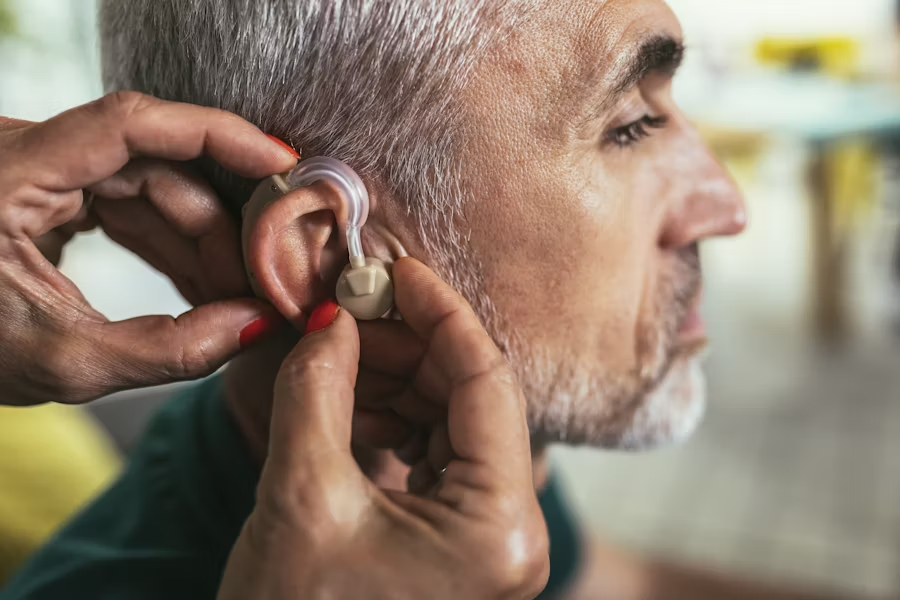
Caring for your hearing is essential for emotional resilience. Hearing loss can lead to feelings of isolation and loneliness, which are detrimental to mental well-being. Improved hearing through interventions like hearing aids can greatly enhance mental health by helping individuals reconnect with their surroundings and engage socially. This is why organizations like 20dB Hearing emphasize the importance of auditory health in maintaining overall well-being.
Social isolation and stress are tied to emotional resilience. By addressing sensory health, you can improve your mental health and life satisfaction. A healthy diet, regular exercise, and mindfulness practices are all healthy ways to support your sensory health and overall well-being. Remember, your senses are your connection to the world, and taking care of them is a vital part of self-care and resilience building.
Daily Mindful Practices for Building Resilience
Incorporating daily mindful practices is essential for building resilience. Engaging in regular self-care routines helps maintain resilience in the face of everyday challenges. Restorative practices such as meditation and yoga can significantly boost resilience by fostering a sense of inner peace and balance.
Daily strategies for strengthening the mind include:
- Breathwork and journaling, which enhance mental clarity and emotional balance.
- Effective stress management techniques like breathing exercises and journaling are vital for building resilience.
- Mindful walking, a simple yet effective way to connect with your surroundings and enhance emotional resilience.
Incorporating gratitude routines into your day can significantly boost your mood and overall resilience. Taking a few moments each day to reflect on what you’re grateful for can shift your focus from negative thoughts to positive ones, helping you handle challenges with a more optimistic mindset. Additionally, mindfulness practices help reduce anxiety by grounding you in the present moment, allowing you to stay calm and focused during stressful situations.
Remember, resilience involves making deliberate choices every day to build your inner strength. By integrating these practices into your daily routine, you can develop the coping strategies needed to navigate difficult situations and build emotional resilience.
Healing Practices and the Role of Care
Healing practices and the role of care are crucial elements of resilience practice. Effective wound care is linked to improved emotional health, reinforcing the connection between physical recovery and emotional strength. Quality of sleep is critical for physical recovery, as stress can affect the depth of restorative sleep needed for optimal health.
Having access to necessary resources significantly aids in both physical recovery and psychological healing. Resources such as medical supplies and support networks can enhance an individual’s confidence in their recovery process. Mental fatigue can often signal underlying nutrient deficiencies, which can be remedied to restore energy levels.
People often overlook the connection between wound care, physical recovery, and emotional strength. By addressing these aspects holistically, you can improve your overall well-being and build resilience. Remember, recovery and healing are integral parts of resilience, and taking care of your health in all its forms is essential for maintaining your inner strength and self-worth.
Community and Professional Support Systems

Community and professional support systems play a vital role in building resilience. Maintaining social connections provides emotional support and helps buffer stress. Social support significantly contributes to both physical and mental health, enhancing resilience to stress.
High-quality social support can help prevent trauma-related mental health issues and improve recovery from illnesses. Reliable access to medical supplies and a mental health professional can expedite healing and reduce stress associated with recovery. Organizations like veterinary clinic brokers help ensure that essential care services remain accessible to communities, bridging gaps in services for mental well-being.
Improving hearing through interventions like hearing aids can greatly enhance mental health by helping individuals reconnect with their surroundings and engage socially. Hearing loss can lead to feelings of isolation and loneliness, which are detrimental to mental well-being. By leveraging community and professional support systems, you can build a robust network that supports your resilience.
The Importance of Access to Resources
Access to resources is crucial for building resilience. Effective medical supplies can streamline recovery from injuries by ensuring proper treatment and care. A well-stocked resource supply can significantly reduce the stress associated with recovery, promoting a more positive mental state.
Having reliable resources available contributes to restoring individuals’ confidence during their recovery process. Trusted medical dressing suppliers, for instance, provide the necessary materials to aid physical recovery and help restore confidence.
Access to resources can ease physical recovery and help build resilience by providing the support needed to navigate life’s challenges.
Viewing Resilience as a Lifelong Practice
Viewing resilience as a lifelong practice is essential for sustained well-being. Adopting a resilient mindset requires:
- Integrating body care into daily life
- Practicing mindfulness
- Seeking community support
Daily, deliberate choices contribute to building a resilient mindset more effectively.
Small, manageable changes can help individuals adapt better to stressors and challenges. Consistent small efforts can lead to significant improvements in resilience over time. Long-term resilience can be cultivated through consistent practice and the reinforcement of positive habits to accept change.
Engaging in regular minor activities can reinforce and enhance emotional strength. Remember, resilience is not a fixed trait but a skill that can be developed and strengthened over time. By viewing resilience as a lifelong practice, you can learn skills, stay hopeful, and adapt to life’s inevitable challenges.
Small Actions, Big Impact
Small, intentional actions every day are essential for resilience to grow stronger. Every moment presents a new chance to embrace resilience. We have the power to make that choice at any time. Tiny, regular steps are the most effective for reshaping neural pathways and building resilience in the lives of those who practice them.
Technology provides evidence-based practices and guides users to aid resilience practices. Research shows resilience grows in quiet, consistent ways, and small actions can make a big difference. By focusing on realistic goals and moving forward with small steps, you can make a positive impact on your life and build resilience over time.

Resilience is a multifaceted skill that involves physical health, emotional balance, and mindful awareness. By integrating daily mindful practices, listening to your body, and leveraging community support, you can build a robust framework for resilience. Remember, resilience grows in quiet, consistent ways, and small actions can make a big difference.
Inspiringly, adopting resilience as a lifelong practice can transform life’s challenges into opportunities for growth. Keep focusing on small, intentional actions, and stay hopeful. Your resilience journey is a continuous path of self-discovery and improvement.