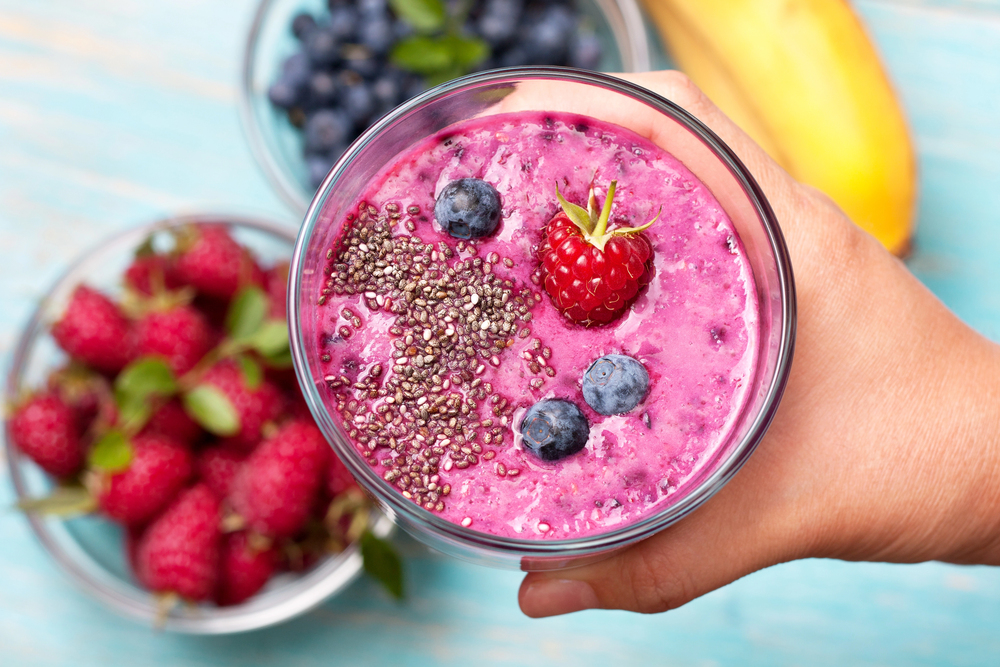
Choosing plant-based proteins isn’t always simple, especially if you want to get the most out of eating more plant foods.
Plant-based diets come with many health benefits, including lowering blood pressure, cholesterol, A1C, and even weight [1].
While there are many positives, choosing a plant-based diet is not always without struggles, especially when it comes to protein.
Protein is essential for numerous body functions, such as building and maintaining muscle, supporting your skin, organs, and joints, as well as keeping you full and satisfied during meal times.
According to the recently updated 2025-2030 Dietary Guidelines for Americans, on a plant-based diet, protein can easily get lost in the mix, so it’s important to know the best plant-based protein sources to ensure you get adequate amounts and can fully reap the benefits of choosing more plant-forward meals.
Best Plant-Based Protein Sources

Choosing plant-proteins isn’t always simple, especially if you want to get the most out of eating more plant foods.
While there are many products out there marketed as protein alternatives, many are heavily processed. Instead, arm yourself with the basics.
Soy Products
Soy products such as tofu, tempeh, edamame, and soy-based dairy alternatives (soy milk, soy yogurt, etc.) are one of the top plant-based protein options because of their versatility.
A ½ cup serving of:
Tofu has 10 grams of protein
Tempeh has 15 grams of protein
Edamame has 9-11 grams of protein
And soy-based dairy alternatives can contain anywhere from 3-7 grams
If you are new to plant-based, choosing a soy milk or yogurt can be an easy swap that doesn’t feel overwhelming.
Tofu and tempeh come in many pre-marinated varieties, making prioritizing protein during meals as simple as can be. And edamame, whether steamed or roasted, is a wonderful option to pack extra protein into snacks.
Seitan
Seitan is another popular plant-based meat alternative that is made from wheat. It packs a whopping 15-20 grams of protein in ½ cup and has a very neutral flavor that works well with most any dish.
It comes pre-cooked when purchased (unless making homemade) and can be used as a direct substitute for meat in recipes. While it does not need to be cooked, it is best enjoyed heated.

Lentils/Beans
On average, you can get anywhere from 7-9 grams of protein per ½ cup serving of beans and lentils. They are also low in calories and rich in fiber to help keep you full during meal times and keep your digestion regular.
Nuts and Seeds
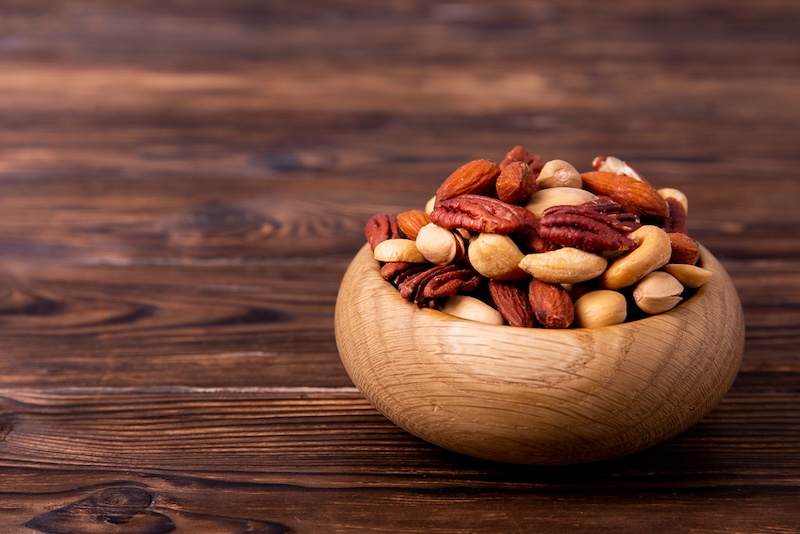
Nuts and seeds are another source of protein, providing anywhere from 4-7 grams of protein per 1-ounce serving. Nuts and seeds can be dense in calories due to their fat content, so it’s best to be mindful of portion size.
While nuts and seeds are a source of protein, you will likely need to pair them with an additional protein source if used during a meal to ensure you get adequate amounts. It’s generally recommended to get at least 20 grams of protein per meal.
Certain Grains
Believe it or not, some of your grains can also be a good source of protein while following a plant-based diet. Quinoa, for example, is one of the only complete plant proteins and contains about 8 grams of protein per 1 cup, cooked.
Amaranth, an ancient grain, is another good option to increase protein during meals. 1 cup of cooked amaranth contains anywhere from 5-10 grams of protein.
Even oats can provide a source of protein, at about 3-6 grams per ½ cup serving, cooked. Prepare it with soy milk, add some nuts or seeds on top, and you can build up to a more significant protein content while maintaining a plant-based meal.
Putting It All Together
Prioritizing protein on a plant-based diet is not always easy. Meat and dairy products can pack a lot of protein in a small portion, while plant-based proteins often require combining several sources to get the same amounts.
Becoming aware of the protein content in common plant-based foods is your superpower. Once you know what foods can give you how much, making meal combinations that are packed with protein is easy.
If you don’t like a lot of plant protein sources and are following a plant-based diet, you can also include a protein supplement, such as pea protein, hemp, or soy protein, for extra coverage.
Or, maybe you are dabbling in plant-based but still eat some animal products. This combination allows the best of both worlds.
Also read:
How to Make Peace With Food Tuning Out the Wellness Noise (12 Ways)