Key Takeaways
- Integrative psychotherapy combines multiple therapeutic approaches into one personalized treatment plan.
- It adapts to each individual’s unique needs, background, and goals for more effective outcomes.
- Common methods include cognitive behavioral techniques, mindfulness practices, and somatic therapies.
- The approach evolves over time, allowing therapists to adjust strategies as clients grow and change.
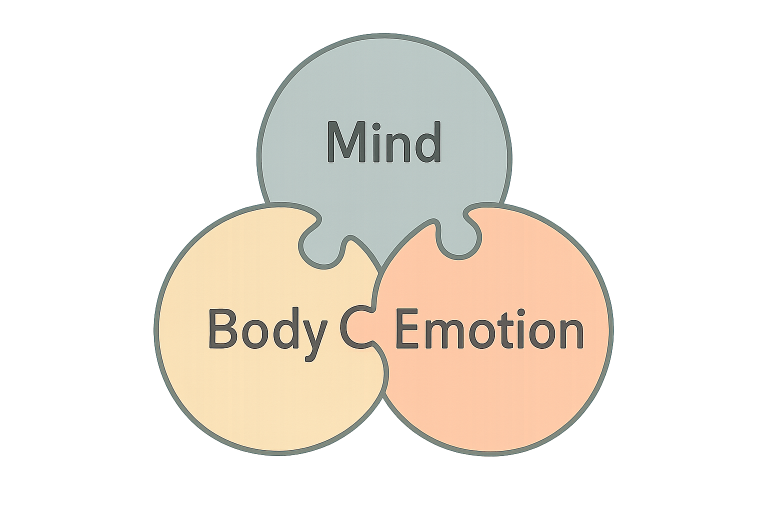
- It addresses mental health holistically by targeting thoughts, emotions, behaviors, and physical responses.
- Research supports its effectiveness in reducing distress, anxiety, and depression across diverse populations.
- It is especially beneficial for complex or co-occurring issues that do not fit a single therapy model.
- It encourages long-term healing, self-awareness, and improved coping skills.
Integrative psychotherapy represents a modern approach to mental health, merging elements from several established therapeutic modalities into a seamless and adaptable treatment. It champions personalization, acknowledging that every person’s background, struggles, and goals are unique.
In the landscape of mental health, having a flexible path to wellness is essential. This is particularly true for families and children, as services like child psychology demonstrate the impact of tailored therapeutic strategies for complex needs.
For both adults and young individuals, mental well-being is not a one-size-fits-all matter. Integrative psychotherapy empowers clinicians to draw on the best aspects of recognized therapies, crafting sessions closely aligned with each client’s journey. This comprehensive outlook ensures greater relevance and improved outcomes at every stage of care.
What Is Integrative Psychotherapy?
Integrative psychotherapy involves blending interventions from several approaches, such as cognitive-behavioral therapy (CBT), psychodynamic therapy, humanistic therapy, and mindfulness-based strategies.
Rather than adhering rigidly to a single method, therapists select from a toolkit of techniques to develop a treatment plan that fits the client’s strengths, struggles, and life circumstances. This tailored fusion enables therapy to address emotional, behavioral, and cognitive domains simultaneously, thereby enhancing its broad effectiveness.
For example, a session might combine practical CBT thinking exercises with reflective techniques rooted in psychodynamic theory, while also incorporating stress-reducing mindfulness practices. This capacity for synthesis means individuals receive multidimensional support, increasing the chances of long-lasting change.
According to Psychology Today: Integrative Therapy, this flexibility makes integrative psychotherapy a reliable option for those whose experiences do not fit neatly into a single category.
Key Benefits of Integrative Psychotherapy
- Personalized Treatment: Integrative psychotherapy aligns interventions with each person’s history and aspirations. Such personalization enhances engagement, as clients perceive that the therapy is tailored to their circumstances.
- Flexibility in Approach: As individuals grow and their needs evolve, integrative psychotherapy adapts. Therapists can quickly shift between methods, ensuring therapy remains relevant whether dealing with trauma, anxiety, or relationship issues.
- Comprehensive Care: Because mental health is influenced by thoughts, emotions, behaviors, and physical sensations, integrating diverse perspectives enables a more holistic approach to healing and growth.
Techniques Employed in Integrative Psychotherapy
Therapists working in this mode draw from an ever-expanding array of techniques:
- Cognitive-Behavioral Strategies: Tools such as thought records, behavioral experiments, and exposure exercises address destructive thinking patterns and support behavioral change.
- Mindfulness Practices: Exercises to anchor awareness in the present moment may include guided breathing, body scans, or meditation, which enhance emotional regulation and stress resilience.
- Somatic Techniques: Interventions such as breathwork, gentle movement, or sensorimotor awareness exercises address how stress and trauma manifest in the body, helping release physical tension tied to emotional pain.
Evidence Supporting Integrative Psychotherapy
Scientific research continues to affirm the promise of integrative approaches. A notable study in the journal Explore evaluated Heart Assisted Therapy, a combination of cognitive and somatic techniques. The results showed that patients achieved a reduction in distress scores from an average of 7.55 to 0.00 after treatment, substantiating the potential of integrative methods for trauma recovery.
In the context of medical settings, integrative psychotherapy has been transformative for individuals coping with concurrent physical and psychological health challenges. For example, research with breast cancer patients receiving active treatment documented significant decreases in anxiety and depression, alongside improved quality of life and psychological resilience.
Integrative Psychotherapy in Practice
Applying integrative psychotherapy involves more than picking techniques at random. Seasoned clinicians assess each client’s narrative, goals, and interpersonal context to determine the most compatible strategies. This might mean blending structured skill-building exercises from CBT with unstructured self-exploration or drawing on relaxation methods when stress levels spike during particularly emotional sessions.
Trauma survivors, for instance, frequently benefit from somatic therapies that address how memories take root in the body. Meanwhile, individuals struggling with patterns of negative thinking may find CBT and compassion-focused interventions most helpful. In all cases, the therapist’s ability to pivot between modalities ensures the client is always receiving the most fitting support.

Is Integrative Psychotherapy Right for You?
Integrative psychotherapy is ideal for people who want a therapy plan that reflects the complexity of their personal, occupational, or relational lives. It works well for individuals who have not achieved lasting healing through a single approach or those who require more than talk therapy alone. It is also highly recommended when various issues, such as anxiety, depression, and physical pain, are present simultaneously.
Final Thoughts
Embracing integrative psychotherapy means choosing a route that prizes flexibility, personalization, and depth. By drawing from diverse therapeutic traditions and tailoring treatment to individual circumstances, this method offers lasting benefits for mental health. With each client’s needs guiding the approach, integrative psychotherapy paves the way for deeper self-discovery, stronger coping abilities, and enduring wellness.